
DC Comics is poised for a major resurgence in 2026, marking a significant turnaround after years of trailing behind Marvel. While DC has a long and impressive history – having essentially created the superhero genre with Superman in the late 1930s and pioneering concepts like supervillains and team-ups – Marvel gained momentum in the 1960s by pushing boundaries. However, DC revolutionized the superhero comic book again 40 years ago. 1986 was a pivotal year, with DC spearheading a new wave of innovation that dramatically changed the landscape of superhero comics.
In the 1980s, DC Comics was really hitting its stride, working hard to compete with Marvel. Titles like Alan Moore’s Swamp Thing redefined the possibilities of comic books, Camelot 3000 pioneered the idea of high-quality, prestige comics, Ronin showcased Frank Miller’s unique style, and New Teen Titans finally gave DC a series that could rival Marvel’s Uncanny X-Men. After struggling through the 1970s, DC bounced back strongly in the early ’80s, but 1986 proved to be a truly groundbreaking year for the publisher. The innovations of DC in 1986 had a huge impact on the entire comic book industry and continue to be felt today.
DC in 1986 Gave Readers Hit After Hit
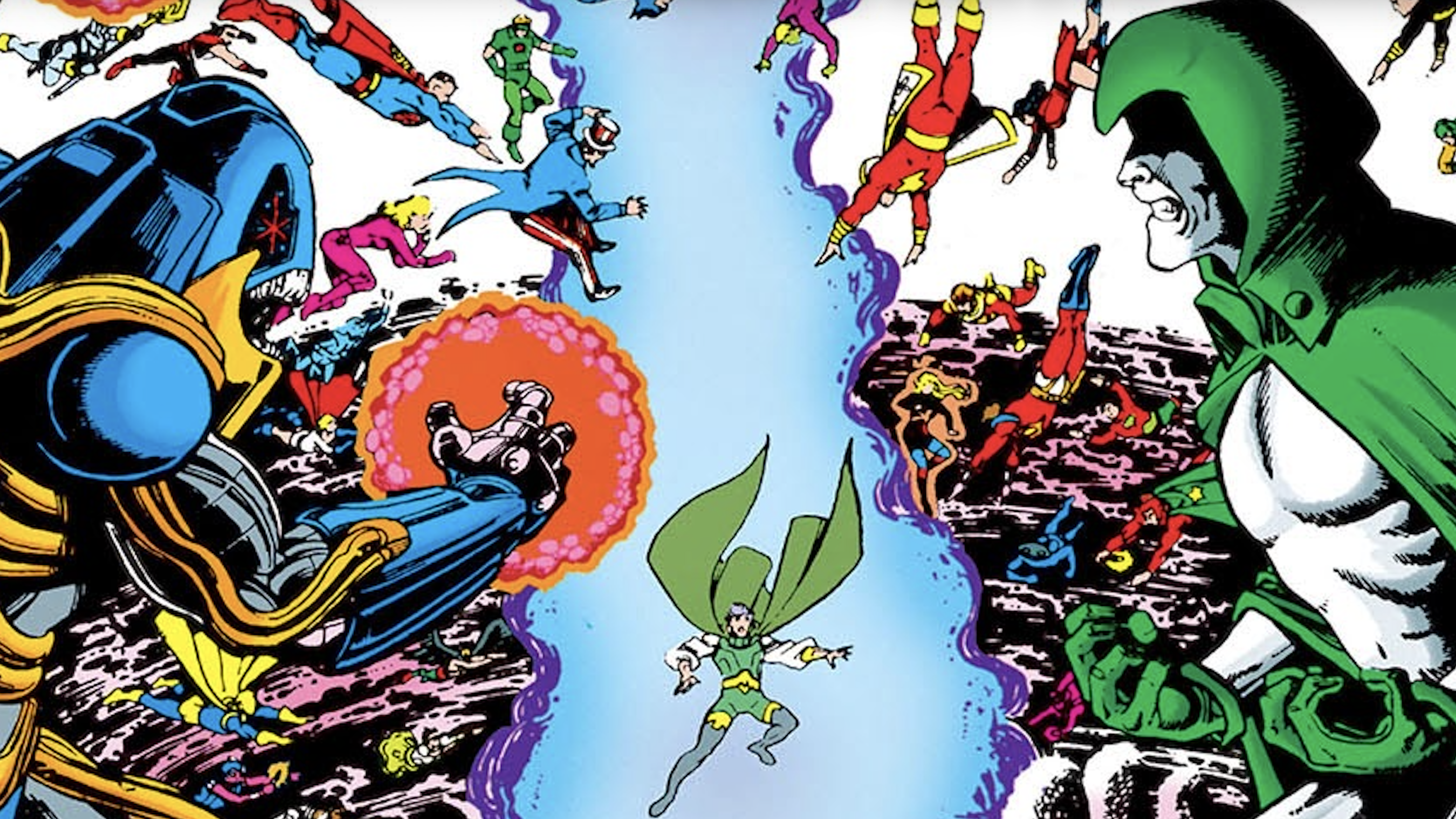
If you’re getting into DC comics from 1986, the absolute best place to start is with Crisis on Infinite Earths. Honestly, DC was really trying to catch up to Marvel, and Crisis was their big attempt. Their continuity had become a total mess over the years, so they wanted to simplify everything and create one consistent universe. That event basically ended the idea of multiple universes within DC. After Crisis, they released The History of the DC Universe to lay out the new, unified backstory, and then they rebooted a ton of their biggest heroes – Superman, Wonder Woman, Batman, the Justice League, you name it!
The publisher made its characters less overwhelmingly powerful, which raised the tension in the stories and helped modernize them. Titles like Legends, Man of Steel, “Year One”, Justice League #1-6, and the Wonder Woman reboot by George Perez all updated the characters for a new era, giving them relatable backstories. This made the heroes and villains feel more human, and readers responded positively. But these changes were just the start – 1986 also saw the release of two landmark comics: The Dark Knight Returns and Watchmen.
Frank Miller’s The Dark Knight Returns was a turning point for Batman, moving him away from the lighthearted portrayal established by the 1960s TV show and back to a darker, more serious tone inspired by earlier interpretations. Miller, a fan of gritty crime stories, brought that style to TDKR, creating a strikingly bleak and realistic take on the character. This comic fundamentally changed how people viewed Batman, influencing every subsequent Batman story and inspiring a wave of similar street-level superhero comics.
Then there’s Watchmen. Alan Moore had already been making superhero comics more sophisticated, and Watchmen truly established them as a form of serious literature. Moore, along with artist Dave Gibbons, crafted a complex story with stunning visuals, redefining the possibilities of the comic book medium. It proved that superhero stories could move beyond simple good-versus-evil narratives and sparked a revolution, opening up countless new avenues for comics. In 1986, DC Comics was consistently pushing boundaries, demonstrating the future of superheroes and comics as a whole.
DC Comics in 1986 Birthed the Modern Superhero Comic

Superhero comics always build on the work of those who came before. Sometimes it feels like the genre isn’t evolving, but then someone comes along and dramatically raises the standard, pushing the boundaries of what’s possible. In 1986, DC Comics did just that – they innovated by doing what they’d always done: finding new ways to tell superhero stories. The entire comic industry was already experimenting with the genre in the 1980s, but DC took things to another level, launching their stories into uncharted territory.
The comic book landscape in 2026 owes a lot to what DC Comics did in 1986. After the ‘Crisis’ event, DC became a stronger competitor, learning from Marvel’s success and building a more unified and contemporary superhero world. Groundbreaking books like ‘The Dark Knight Returns’ and ‘Watchmen’ proved that superhero comics could be more complex and mature. In many ways, 1986 marked the beginning of the modern comic book industry, and DC Comics was the driving force.
https://comicbook.com/comics/list/10-biggest-milestones-that-defined-dc-history/embed/#
Read More
- The Super Mario Galaxy Movie: 50 Easter Eggs, References & Major Cameos Explained
- Surprise Isekai Anime Confirms Season 2 With New Crunchyroll Streaming Release
- 10 Best Free Games on Steam in 2026, Ranked
- ‘Project Hail Mary’: The Biggest Differences From the Book, Explained
- Skate 4 – Manny Go Round Goals Guide | All of the Above Sequence
- Starfield (PS5) Review – A Successful Cross-Console Voyage
- Sydney Sweeney’s The Housemaid 2 Sets Streaming Release Date
- Why is Tech Jacket gender-swapped in Invincible season 4 and who voices her?
- Preview: Sword Art Online Returns to PS5 as a Darker Open World Action RPG This Summer
- Every Real Housewives Series Ranked: Worst to Best
2026-03-22 01:40