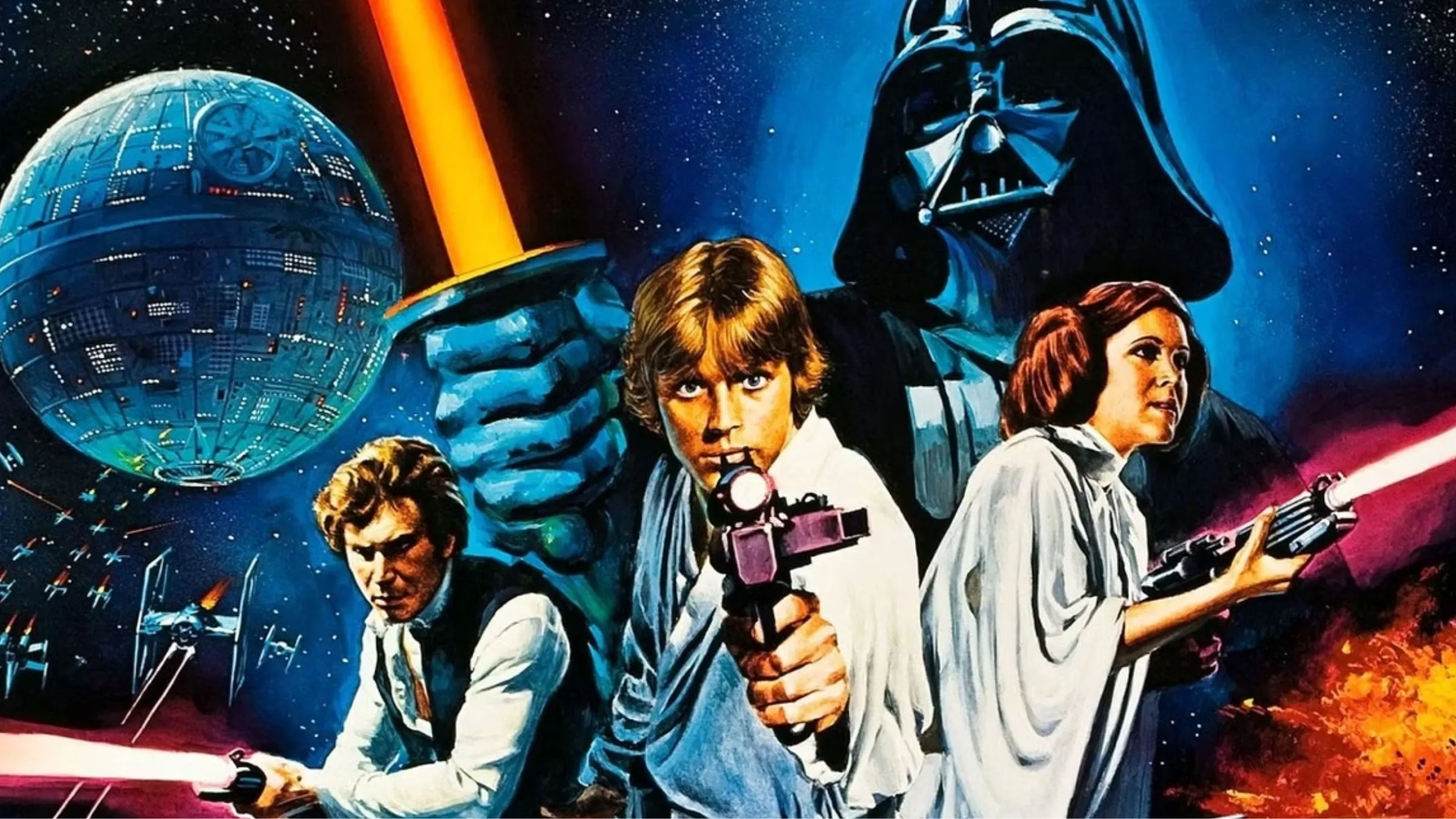
Star Wars began as a single, hugely successful film. It revolutionized movie marketing in Hollywood, but it was just one movie at the time. It’s hard to believe now, given the massive franchise with its numerous websites, detailed storylines, and constant stream of new shows and spin-offs, but back then, a three-year wait between films felt like forever. Today, we get multiple Star Wars TV shows every year!
While fans waited several years for The Empire Strikes Back after the first Star Wars film, George Lucas quickly provided another story. Less than a year after Star Wars debuted, Del Rey published Splinter of the Mind’s Eye, a novel by Alan Dean Foster, on February 12, 1978. This book was the first sequel to Star Wars and the beginning of what would become the Expanded Universe.
The Star Wars Expanded Universe Began By Worrying It Would Fail
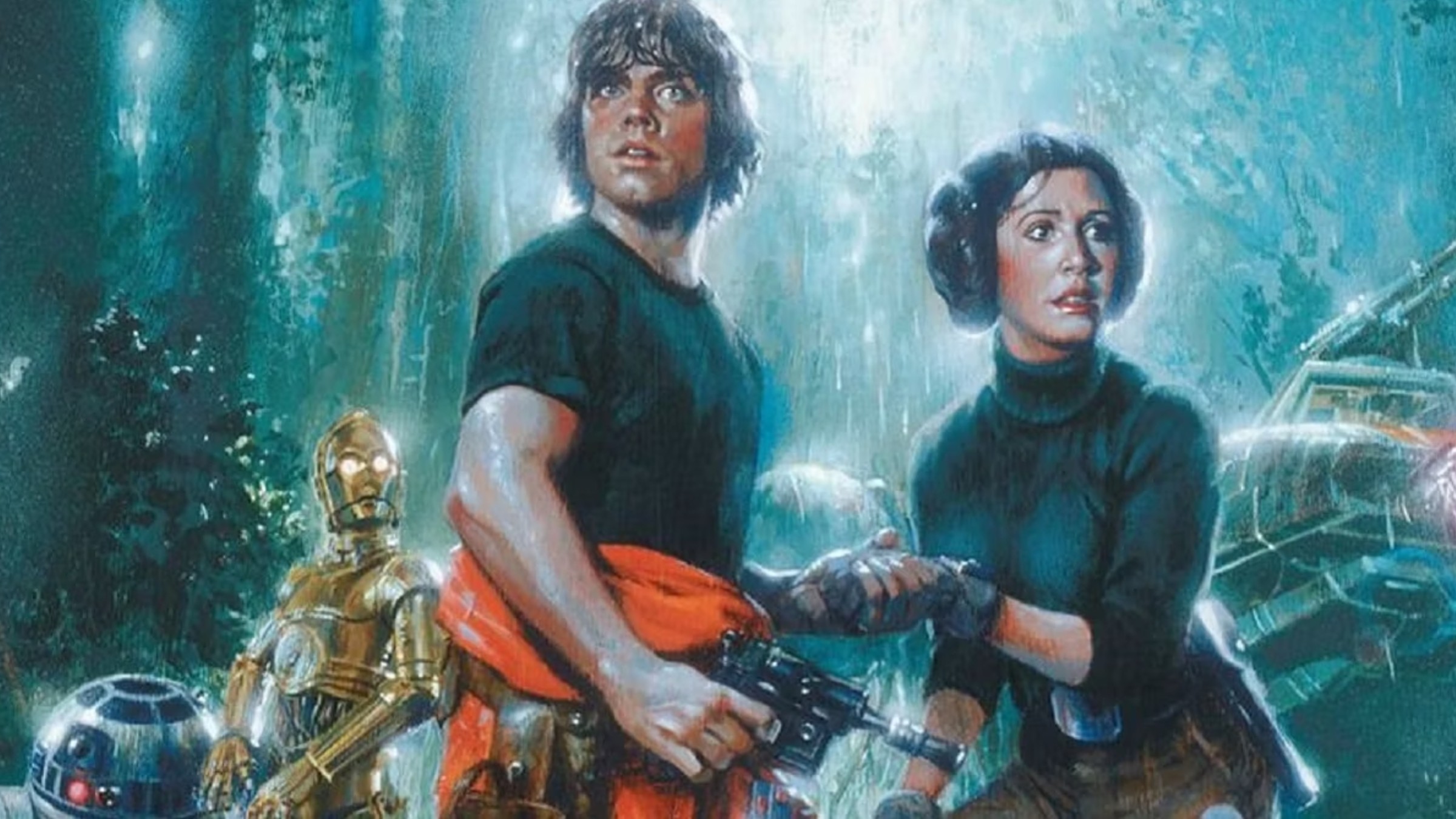
Even before the first Star Wars movie came out, George Lucas was planning ahead. While fans are aware of his ambitious ideas for many films and different time periods within the Star Wars universe, fewer know he also considered what would happen if the movie failed. Written alongside the film’s production by Alan Dean Foster – who also wrote the novelization released before the movie – Splinter of the Mind’s Eye wasn’t just the first Star Wars novel; it was designed as a potential sequel if the original film hadn’t been a financial success.
According to Foster, the main constraint when writing the sequel was keeping production costs down for a potential movie. He addressed this by setting the story on a foggy planet, allowing for action sequences to be filmed with simple, inexpensive sets and effects. He originally started the book with a large-scale space battle, but George Lucas asked him to remove it because it would have been too costly to bring to the screen.
In Splinter of the Mind’s Eye, Luke Skywalker, Princess Leia, R2-D2, and C-3PO travel to a faraway planet to find new members for the Rebel Alliance. Luke also discovers rumors of a powerful artifact called a Kaiburr crystal – which can amplify Force abilities – and hopes to locate it. However, their mission doesn’t go smoothly, as they quickly encounter the Empire and, inevitably, Darth Vader. (Notably, Han Solo and Chewbacca aren’t in this story because Harrison Ford hadn’t signed on for any sequels at the time.)
Okay, so the climax of Splinter of the Mind’s Eye finally gives us the Luke and Vader showdown we’ve been waiting for – and yes, it involves lightsabers! But this fight is different from what we see in The Empire Strikes Back. Luke actually holds his own, and thanks to the power of that Kaiburr crystal, he even manages to dismember Vader – a pretty neat reversal of fortune! Honestly, though, the battle itself feels a little flat. Vader doesn’t go down in a blaze of glory; Luke gets worn out from his injuries, and Vader just… falls into a hole. It’s a bit of a letdown, even though Luke gets the feeling this isn’t the last we’ll see of the Dark Lord.
Star Wars’ Non-Canon Sequel Actually Added to the Lore
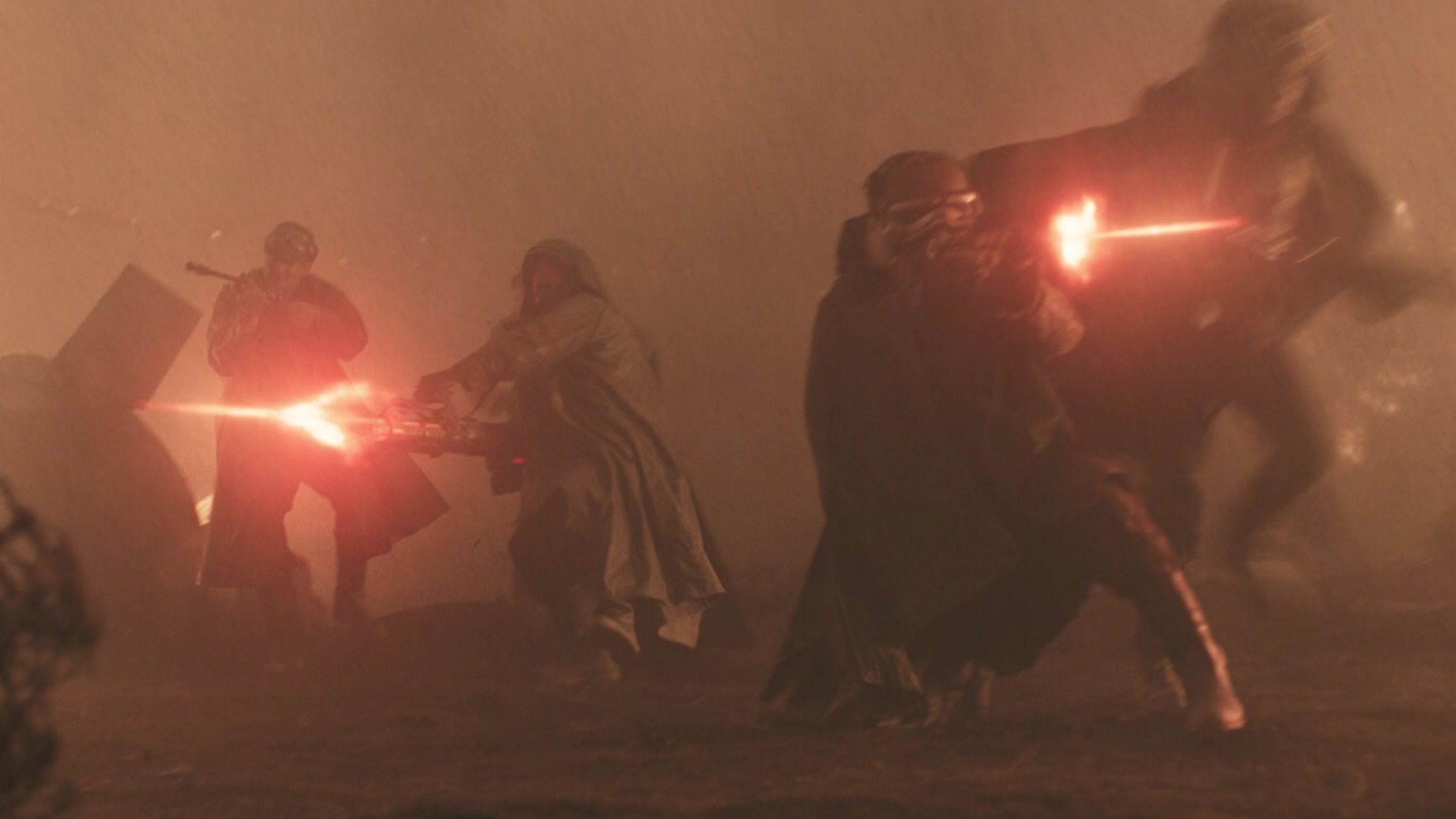
What makes Splinter of the Mind’s Eye particularly noteworthy is that the story wasn’t essential to the overall Star Wars saga. While it helped expand the universe beyond the first film and kept fans engaged while they waited for the sequel, the events of the book weren’t initially considered part of the main storyline. However, over time, ideas from Splinter of the Mind’s Eye – like the Kaiburr crystal – were eventually woven into the official Star Wars canon.
Although George Lucas originally mentioned a “Kaiburr crystal” in early drafts of the Star Wars script, it didn’t make it into the final film. Author James Foster included the crystal in his novel, and it would later be reimagined as the “Kyber crystal” – the power source for lightsabers – within the official Star Wars story. This novel actually marked the first time these crystals appeared in the wider Star Wars universe.
The planet featured prominently in the novel Splinter is now officially part of the Star Wars universe. It’s appeared in several comics over the years and was even shown in the film Solo: A Star Wars Story, when Han Solo was a young Imperial soldier. More recently, Mimban was used in a Kylo Ren comic, where the character traveled there searching for an item called the “Mindsplinter,” a clear nod to the original novel. The planet even gets a mention in Season 1 of Andor, with the main character noting that he once visited it.
Though it might seem small now, the novel Splinter of the Mind’s Eye holds a special place in Star Wars history, especially as the franchise approaches its 50th anniversary. While the movie’s success overshadowed the book, Splinter of the Mind’s Eye proved that a dedicated fanbase existed, eager to explore the universe through any medium. This demand fueled the massive expansion of Star Wars into countless comics, novels, and shows. In fact, the lore grew so extensive that it eventually needed to be divided into ‘Legends’ and official ‘Canon’ – and it all began with this one book, written with the worry that the movie might not succeed.
Read More
- Gold Rate Forecast
- Looks Like SEGA Is Reheating PS5, PS4 Fan Favourite Sonic Frontiers in Definitive Edition
- Pluribus Star Rhea Seehorn Weighs In On That First Kiss
- Arknights: Endfield – Everything You Need to Know Before You Jump In
- Dune 3 Gets the Huge Update Fans Have Been Waiting For
- Kelly Osbourne Slams “Disgusting” Comments on Her Appearance
- 10 Steamiest Erotic Thriller Movies of the 21st Century
- Antiferromagnetic Oscillators: Unlocking Stable Spin Dynamics
- 5 Weakest Akatsuki Members in Naruto, Ranked
- Action Comics #1096 is Fun Jumping-On Point for Superman Fans (Review)
2026-02-14 02:16