When people talk about television, they usually mean TV series. These series are the heart of entertainment on TV, and many have become cultural icons over the years. However, TV has always offered more than just series. Movies, particularly those made specifically for television, have been a significant part of the viewing experience for a long time.
Made-for-TV movies have existed for a long time – technically, any movie first shown on TV qualifies – but they were especially big in the 1980s. Often shown as multi-part series over a couple of nights on major networks, these movies were created specifically for television viewers. They usually had smaller budgets and focused on dramatic or shocking stories, making them popular events people would watch together. Some were genuinely frightening, and even today, decades later, they still manage to give us a scare. Here are five made-for-TV movies from the 1980s that continue to terrify audiences.
5) The Day After (1983)
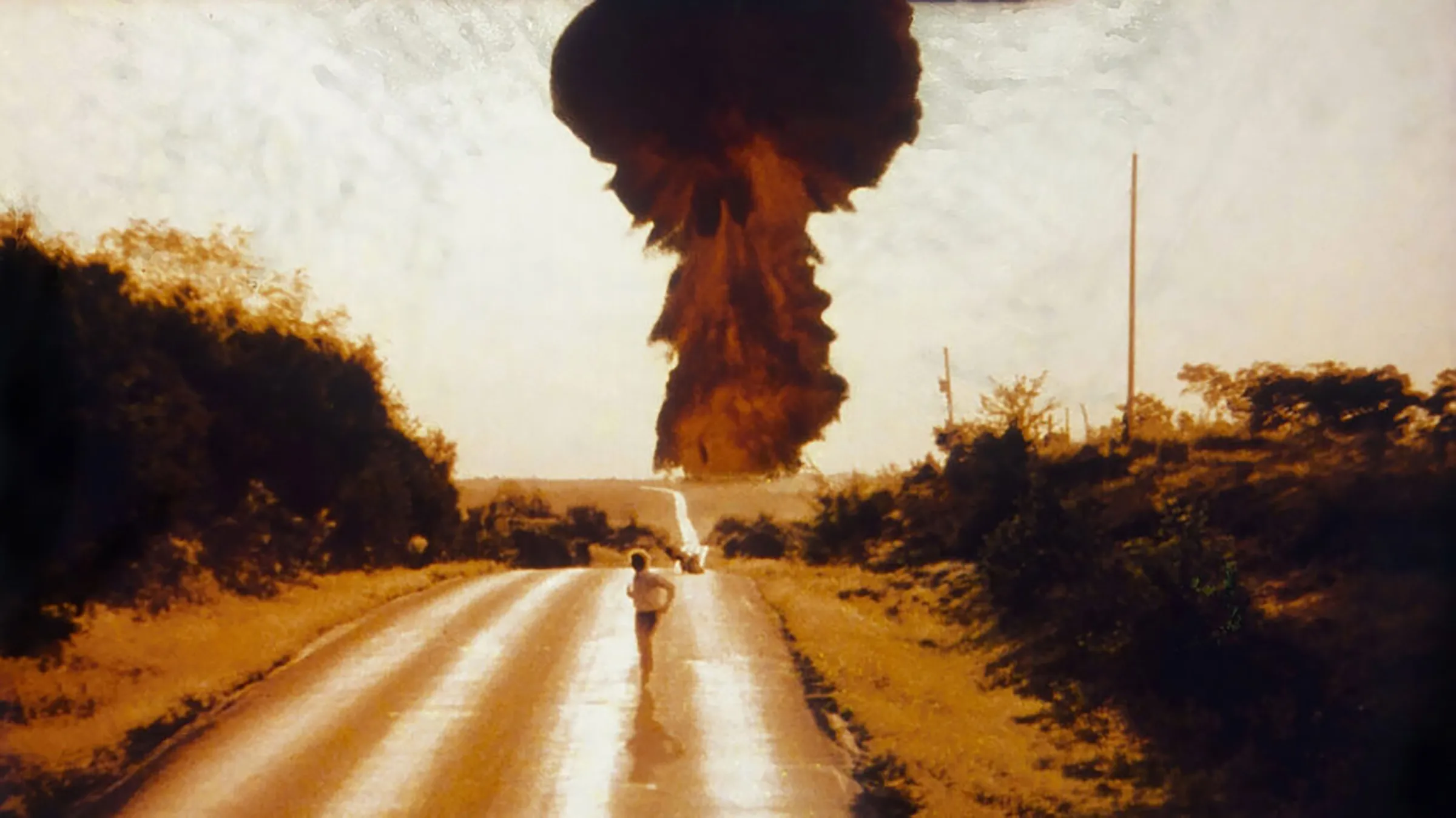
Released in 1983, during the height of the Cold War, the film The Day After explored the terrifying consequences of a nuclear war between the United States and the Soviet Union. To make the scenario feel realistic and impactful, the story centered on the lives of ordinary people in Kansas City and Lawrence, Kansas, and the surrounding farming communities near American missile sites. The film featured a well-known cast, including JoBeth Williams, Steve Guttenberg, John Cullum, Jason Robards, and John Lithgow.
The film presents a bleak and terrifying scenario. We first meet families in Kansas City and surrounding towns, and then the situation quickly spirals out of control. The story depicts a Soviet invasion of West Germany, attacks in the Persian Gulf, and ultimately, a desperate attempt by NATO to intervene with limited nuclear strikes. This leads to a full-scale nuclear exchange, with Kansas City being targeted due to its proximity to missile sites. The movie vividly portrays the devastating consequences of the attacks, showing the suffering and death of the characters we’ve come to know. The ending is particularly unsettling, with a disclaimer stating that the actual effects of a nuclear war would be even more catastrophic. The film deeply affected many viewers, even traumatizing children and reportedly influencing government policy, and remains chilling to this day.
4) Dark Night of the Scarecrow (1981)
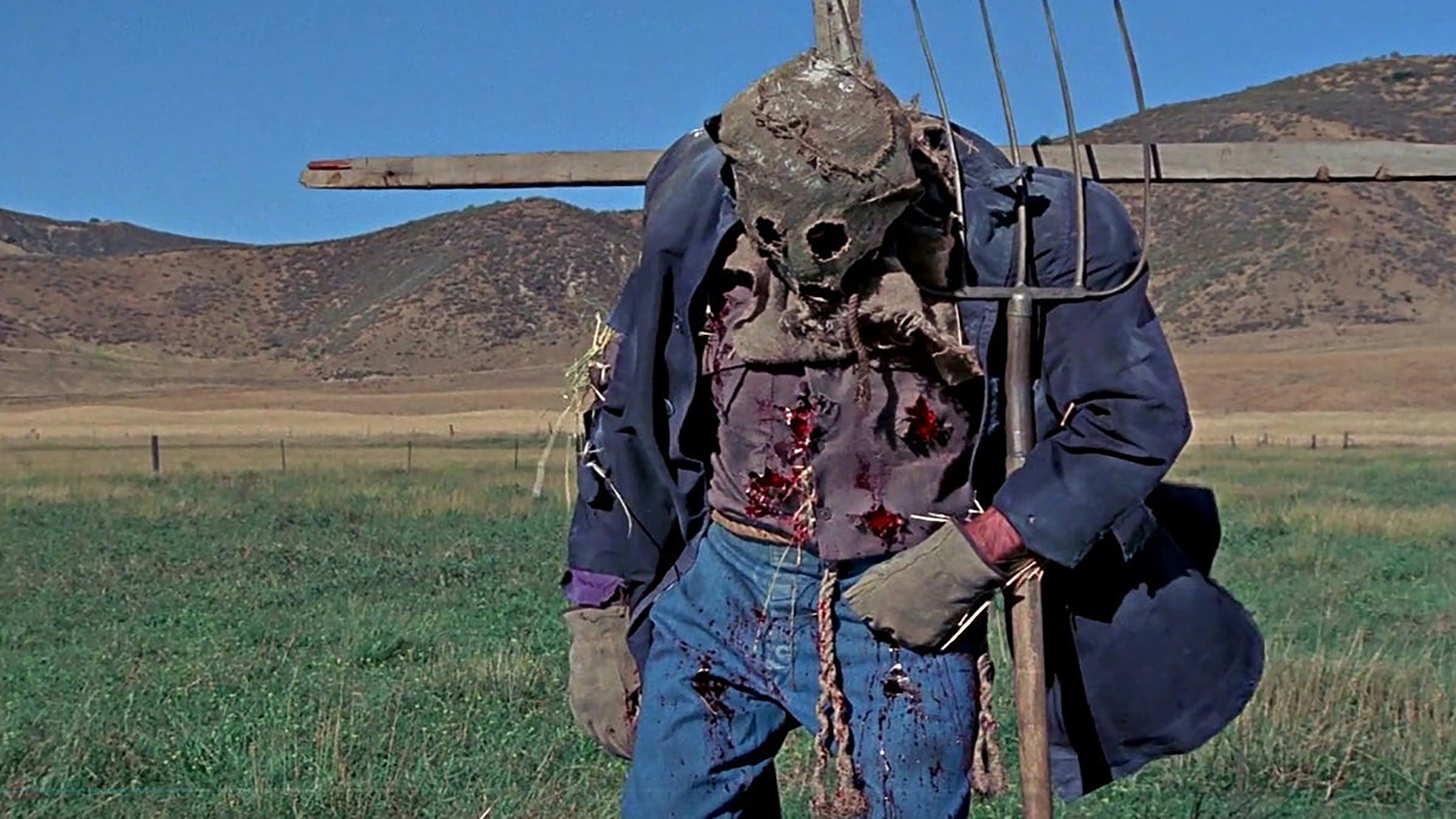
Many TV movies aim to deliver a message or address important social issues, but some are simply made to entertain within the TV format. A prime example in the horror genre is Dark Night of the Scarecrow. Originally planned as a film for theaters, the 1981 movie was bought by CBS with a few adjustments for television. It centers around Bubba, a man with developmental disabilities, who is wrongly blamed for harming a little girl – when he actually rescued her. The townspeople, acting as a mob, kill Bubba, but he returns as a terrifying scarecrow seeking revenge on those responsible.
Let’s start by saying Dark Night of the Scarecrow is surprisingly well-made. It’s genuinely creepy and scary, especially considering it was made for television. While it doesn’t rely on excessive gore, it builds suspense slowly and creates a deeply unsettling atmosphere. It’s earned its status as a cult classic over the years, and rightfully so – it’s the kind of movie you probably shouldn’t watch in the dark!
3) It (1990)

Let’s be honest, we’re stretching things a bit here! While ABC’s two-part adaptation of It originally aired in 1990, it really feels like a product of the late 1980s. This TV movie is well-known and likely the reason so many people are afraid of clowns. The cast was impressive, featuring names like Richard Thomas, Annette O’Toole, John Ritter, and Tim Curry, but Tim Curry’s performance as Pennywise truly stands out. Many consider him to be the most terrifying clown ever to appear on screen.
The movie isn’t a flawless retelling of the story, and it leans into being over-the-top. However, it’s still genuinely disturbing, and Tim Curry’s performance as Pennywise remains incredibly frightening. It holds up as creepy even now, especially considering a more recent and well-regarded movie version of the same story.
2) Don’t Go to Sleep (1982)
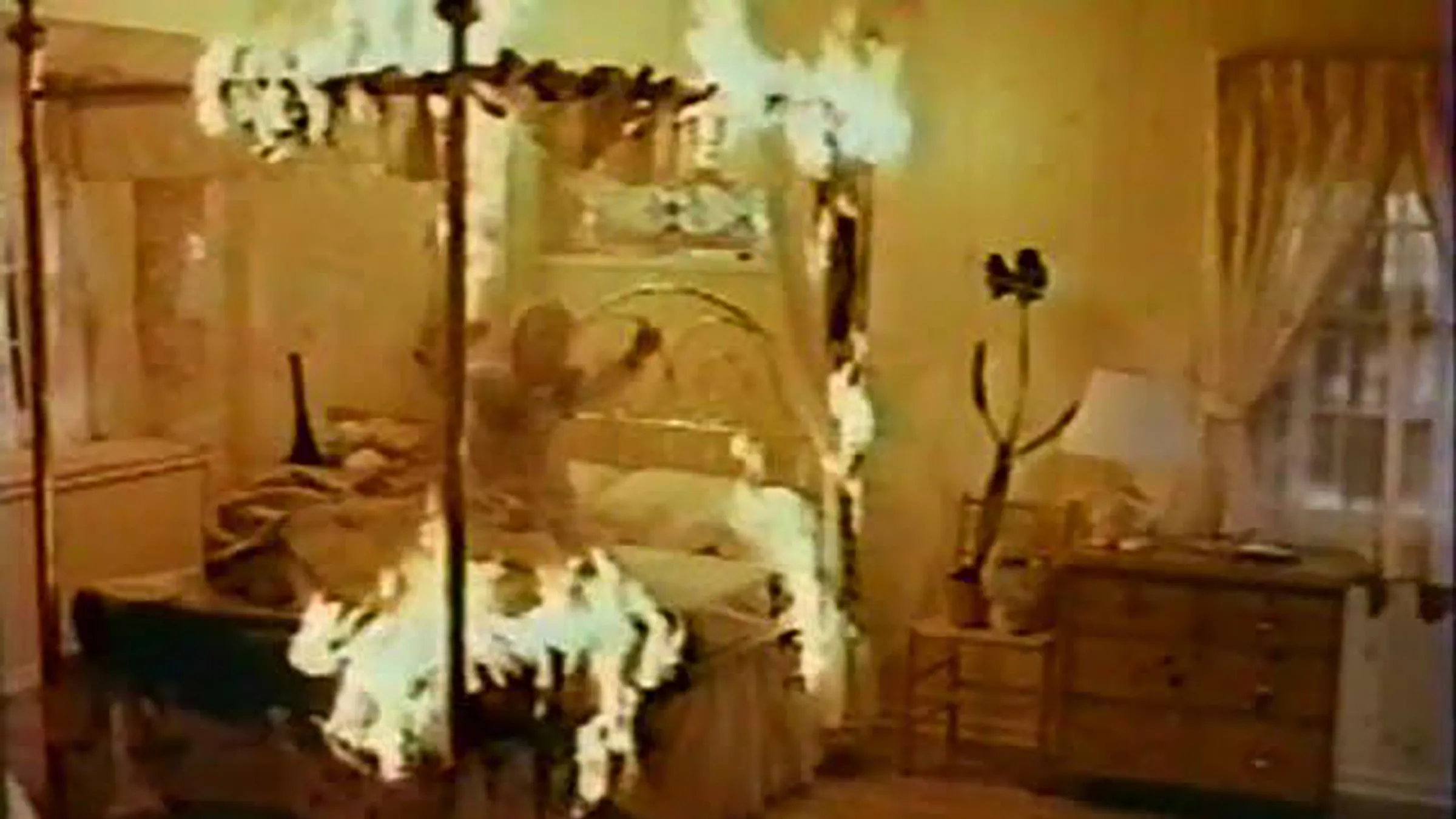
The 1980s were a great era for entertaining genre films, and made-for-TV horror was particularly popular. The 1982 movie Don’t Go to Sleep is a prime example, and it’s even more intense than the classic slow-burn horror film Dark Night of the Scarecrow. Starring Dennis Weaver, Valerie Harper, and Ruth Gordon, the movie centers on a family grieving the loss of their daughter, Jennifer, who recently passed away. Soon after moving into a new house, the family’s youngest daughter, Mary, begins hearing her deceased sister calling from under the bed. But this isn’t a friendly visit – Jennifer’s ghost is seeking revenge for a prank gone wrong that led to her death, and she wants to eliminate the entire family, except for Mary.
This movie relies heavily on sudden scares and features a strong story about demonic possession. There’s something particularly frightening about a ghost seeking revenge, especially when it’s a child. Combined with the classic trope of a ghost hiding under the bed, it’s a film that truly terrified us growing up, and honestly, still holds up as scary today.
1) Threads (1984)
I remember when everyone was talking about The Day After, but it wasn’t the only film tackling such a frightening idea. Just a year later, the U.K. released Threads, and honestly, it was even more terrifying. While The Day After was definitely bleak, Threads really leaned into the horror of it all. What struck me most was how realistically it showed the aftermath – especially the nuclear winter and how completely it would devastate society. People often say it’s the most accurate depiction of what a nuclear war would actually do to us, and let me tell you, it’s a truly chilling thought.
The film depicts life in Sheffield, England, as tensions between the US and Soviet Union escalate into nuclear war. It centers on a young couple, Jimmy and Ruth, who are expecting a child and planning their wedding when the bombs fall. Jimmy disappears during the chaos, while Ruth survives, though her fate may be worse. The story unfolds over the following years, showing the devastating effects of radiation, societal collapse, and widespread famine caused by a nuclear winter. A decade later, Britain is a ruined landscape with a drastically reduced population, and the surviving children, like Jane – the daughter of Jimmy and Ruth – are deeply scarred by the trauma. The film concludes with young Jane giving birth, but it strongly suggests the baby is severely mutated or stillborn due to the lingering radiation.
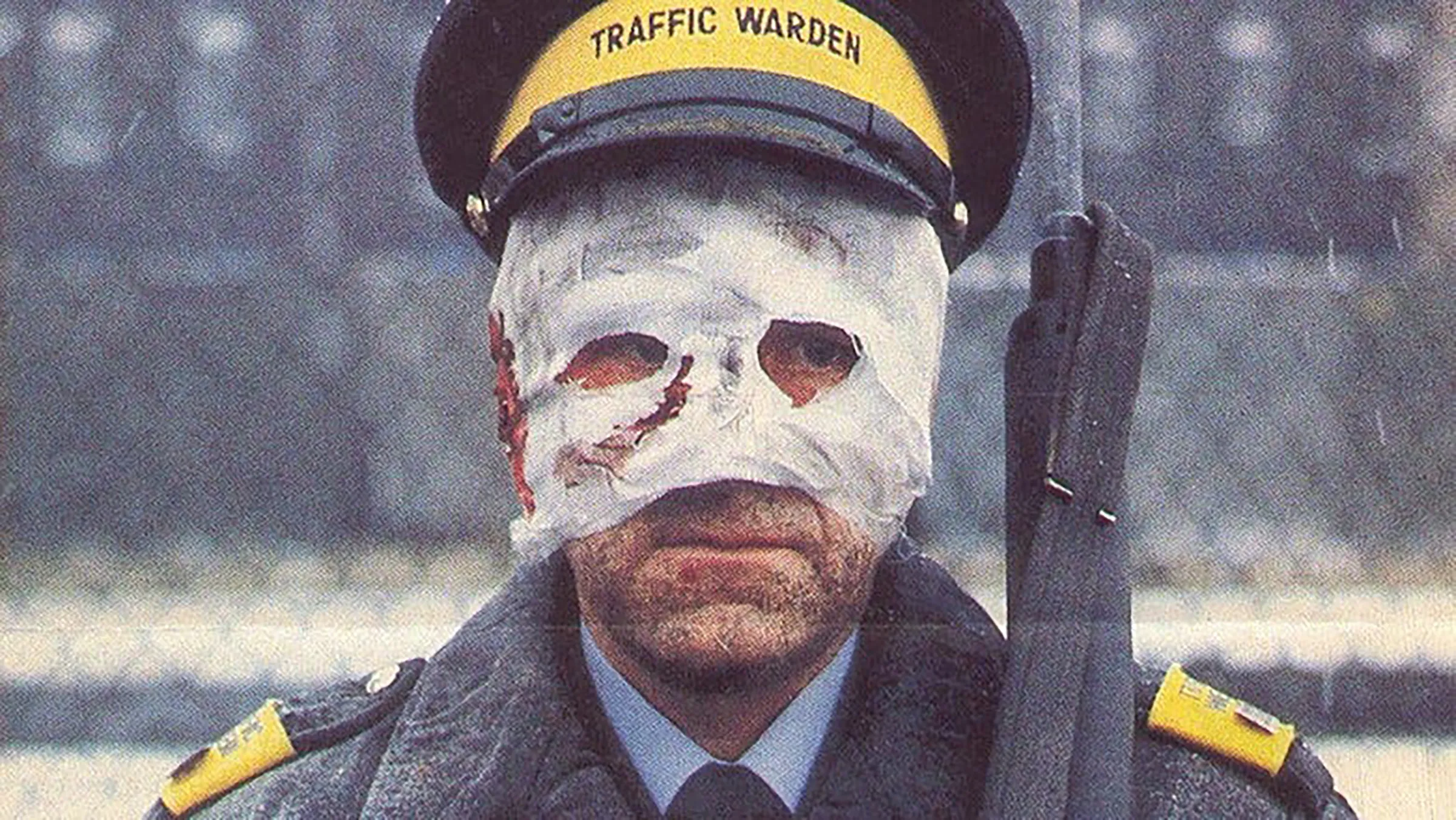
Unlike The Day After, Threads is a truly disturbing and bleak film that stays with you long after you’ve seen it. It takes the idea of a nuclear attack and presents it as a horrifyingly realistic scenario. Originally a British production, it was also shown in the United States in 1985, deeply affecting a whole generation of American viewers.
What do you think? Leave a comment below and join the conversation now in the ComicBook Forum!
https://comicbook.com/tv-shows/list/5-tv-shows-already-canceled-in-2026/embed/#
Read More
- Gold Rate Forecast
- Looks Like SEGA Is Reheating PS5, PS4 Fan Favourite Sonic Frontiers in Definitive Edition
- Dune 3 Gets the Huge Update Fans Have Been Waiting For
- Pluribus Star Rhea Seehorn Weighs In On That First Kiss
- Arknights: Endfield – Everything You Need to Know Before You Jump In
- Kelly Osbourne Slams “Disgusting” Comments on Her Appearance
- Antiferromagnetic Oscillators: Unlocking Stable Spin Dynamics
- Action Comics #1096 is Fun Jumping-On Point for Superman Fans (Review)
- 10 Steamiest Erotic Thriller Movies of the 21st Century
- Tomodachi Life: Living the Dream ‘Welcome Version’ demo now available
2026-03-07 04:11