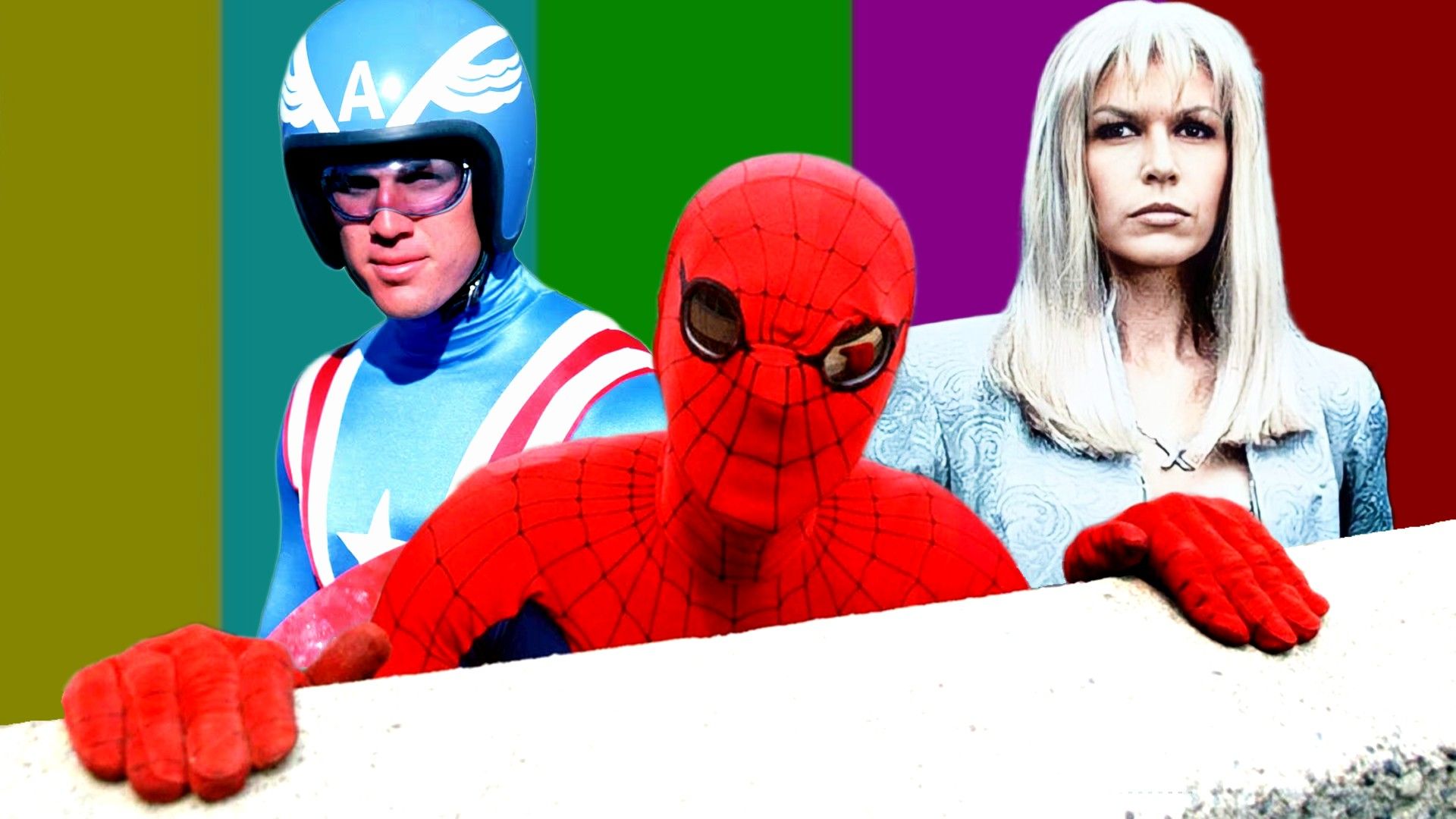
It’s hard to imagine, but the era of hugely popular Marvel films has lasted for over twenty-five years. While Blade came out in 1998 and X-Men in 2000, it was the 2002 film Spider-Man that truly launched the superhero genre into worldwide dominance.
Marvel’s success wasn’t limited to the movie theater; they also wanted to create popular TV shows. Soon, series like WandaVision, She-Hulk, and Wonder Man became hits. This is quite a change from Marvel’s early attempts to adapt their characters for television.
I remember when The Incredible Hulk TV show was a big hit back in the late 70s and early 80s, but honestly, most of Marvel’s other attempts at television weren’t nearly as good. For years, it looked like we were stuck with some pretty terrible adaptations that just didn’t capture the energy of the source material.
The Amazing Spider-Man Was A Wed Swing And A Miss
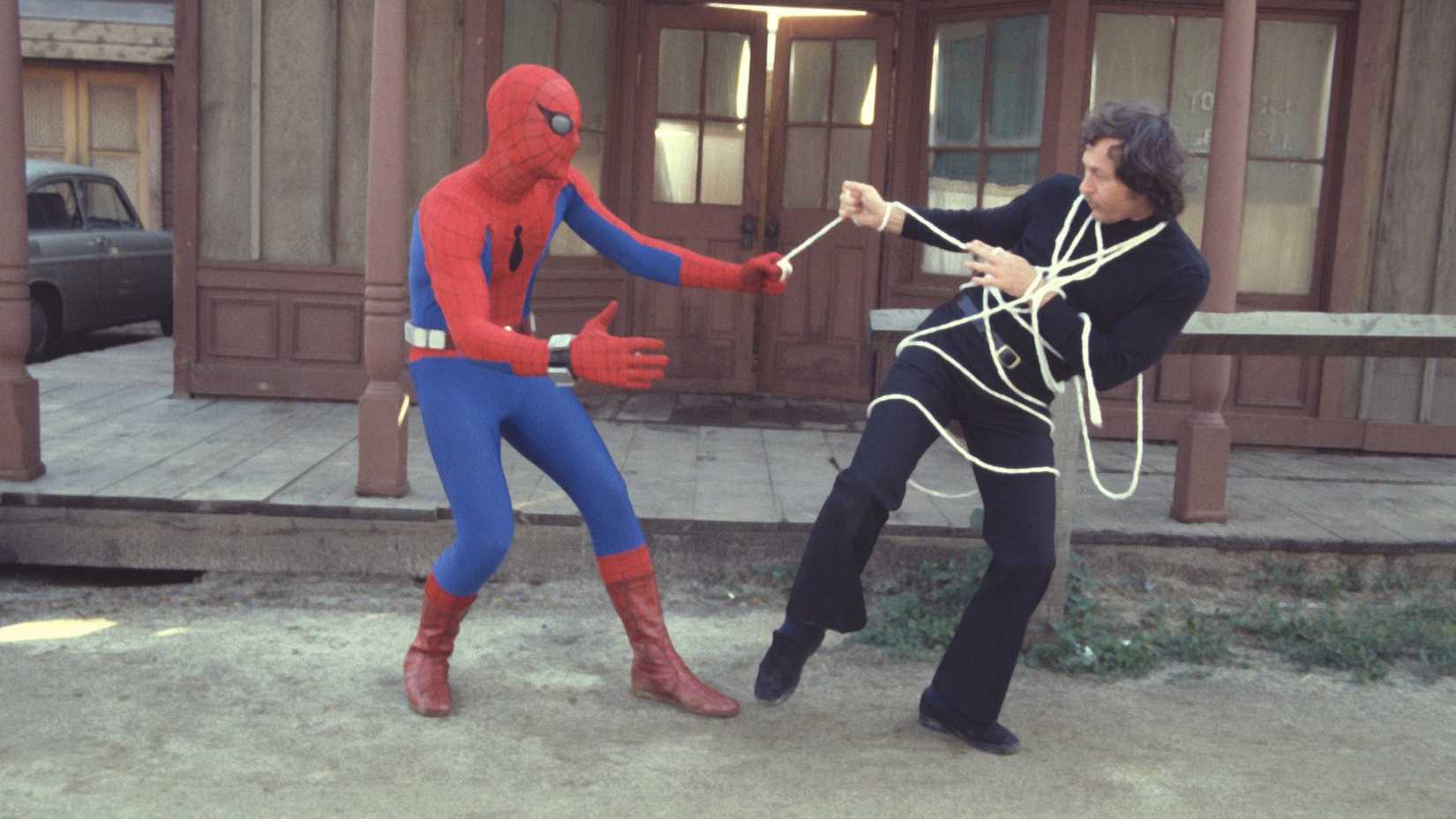
You know, before the big screen Spider-Man we all know and love, he actually had a couple of earlier appearances. The very first live-action version of Spidey popped up on this kids’ show called The Electric Company in these little segments called “Spidey Super Stories.” They were super short, like three minutes long, and it was a silent Spider-Man fighting bad guys who, get this, were obsessed with ruining sandwiches instead of, you know, cities! Then, in ’77, CBS made a TV movie, The Amazing Spider-Man, and this Spidey could talk! It had characters straight from the comics, and people went crazy for it – it was CBS’s biggest hit that year.
After the TV movie did well, a series was greenlit. However, recreating that success on a weekly basis proved difficult. The show was costly to produce for its time, and the special effects didn’t quite meet viewers’ expectations for a Spider-Man adaptation.
The 1970s TV series The Amazing Spider-Man only ran for 13 episodes, featuring Spider-Man battling criminals involved in arms dealing, a dangerous cult, and a corrupt chemical company. Unfortunately, the show lacked many of Spider-Man’s most well-known villains, making it a less exciting version of the monthly comic book adventures.
Doctor Strange’s Magic Went Poof In 1978
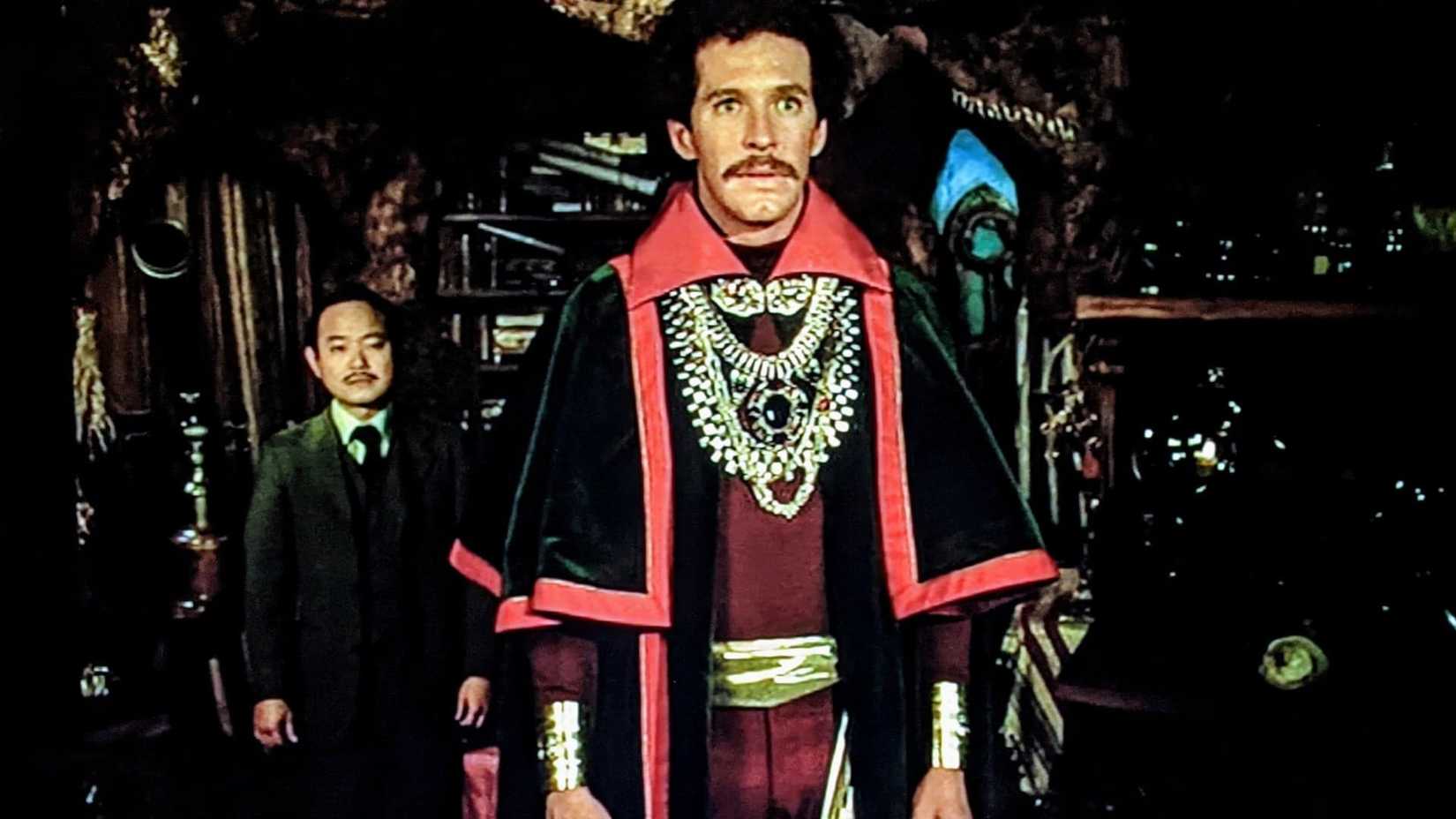
Still hoping to find success with Marvel characters, CBS partnered with Universal to create four TV movies as potential series starters. The first, The Incredible Hulk, was a huge success, leading to an 80-episode series and three additional TV movies. Following that, they developed a movie based on Doctor Strange.
You probably haven’t heard of a 1970s Doctor Strange TV series, because one doesn’t exist. The TV movie itself was largely forgotten, and for a good reason: the director, Philip DeGuere, only had 13 days to film it, after which studio executives made changes.
After the success of Star Wars, both Universal and CBS hoped Doctor Strange would have impressive visual effects, but they weren’t willing to invest the necessary money. This led to a TV movie that felt rushed and looked low-budget. Furthermore, CBS deliberately scheduled Doctor Strange to air at the same time as the popular miniseries Roots, essentially ensuring it wouldn’t attract a large audience.
Captain America Hardly Resembled Himself
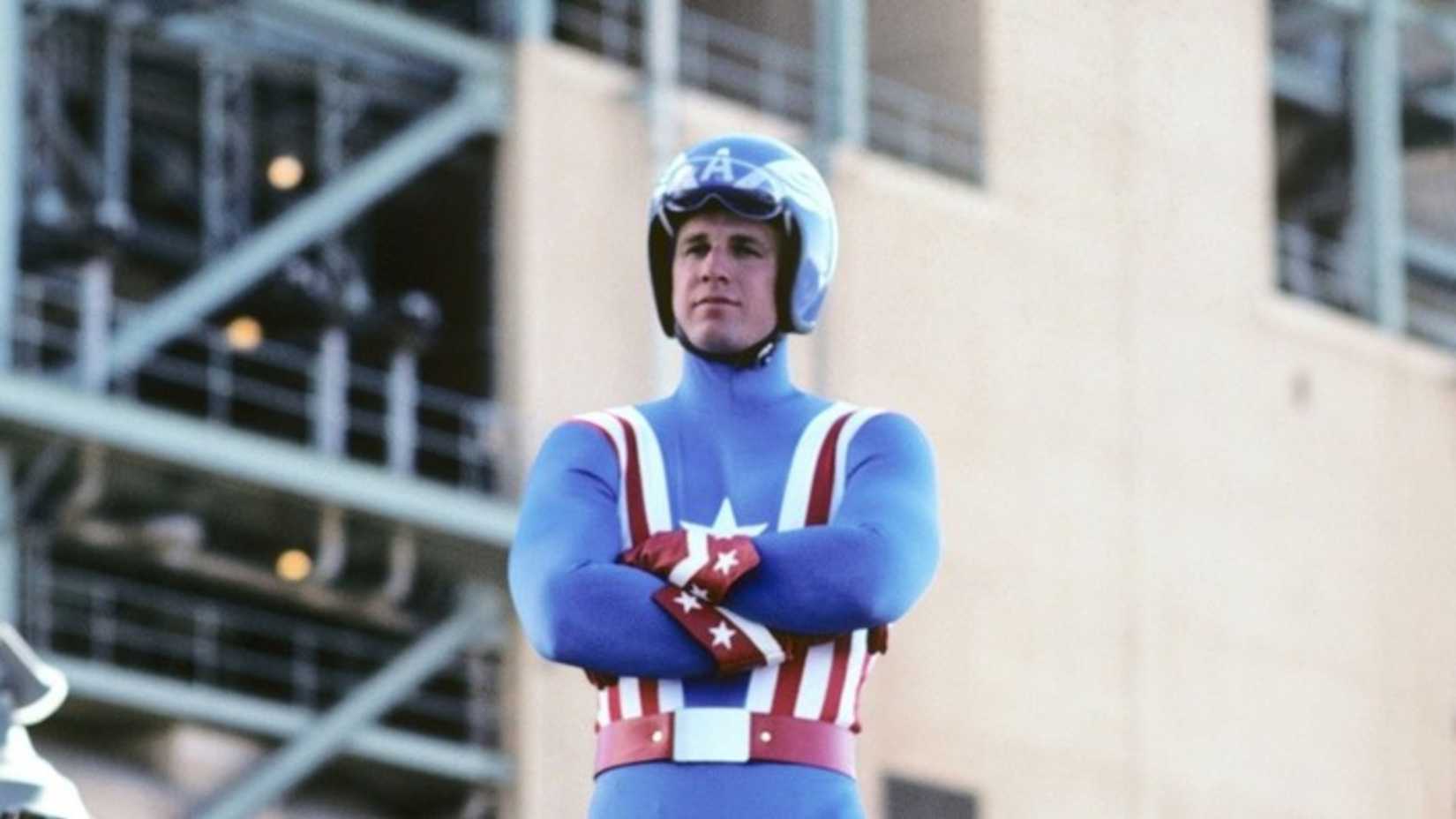
It’s easy to see why someone watching the 1979 TV movie Captain America or its follow-up, Captain America II: Death Too Soon, might think they were unrelated to the Marvel character. While Captain America might have fared a little better than the Doctor Strange TV movie, it still wasn’t a particularly well-made production.
The origin story of Captain America was unexpectedly rewritten, now taking place in the present day. In this new version, Steve Rogers is a former Marine who is seriously injured while traveling. To save him, doctors administer a life-saving formula called “FLAG,” which gives him extraordinary abilities.
As expected, the Super-Soldier Serum gives Steve Rogers abilities mirroring those of his late father, who fought in World War II. He’s dubbed Captain America – a title previously held by his father due to his strong patriotism – and outfitted with a less-than-impressive costume and shield. His mission? To stop a villain from detonating a neutron bomb.
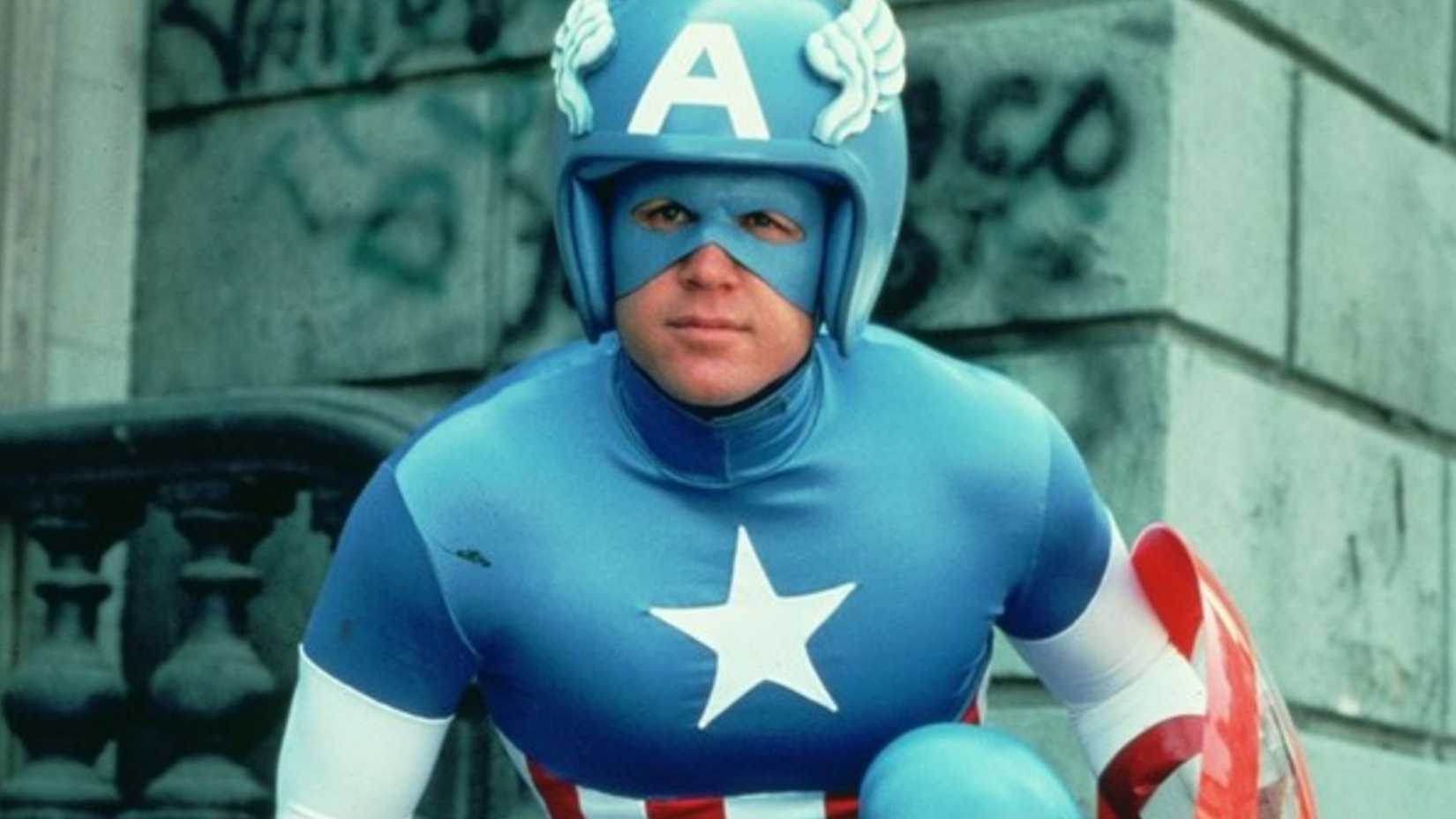
The second movie isn’t an improvement. It features Captain America fighting petty thieves who are stealing Social Security checks, and a mysterious revolutionary eager to start a war in an unnamed location. While the movie, Death Too Soon, isn’t good, Captain America’s costume is a small step up, resembling the comic book version more closely – though the strange addition of a motorcycle helmet over his mask remains.
Crikey! Wolverine’s Australian!
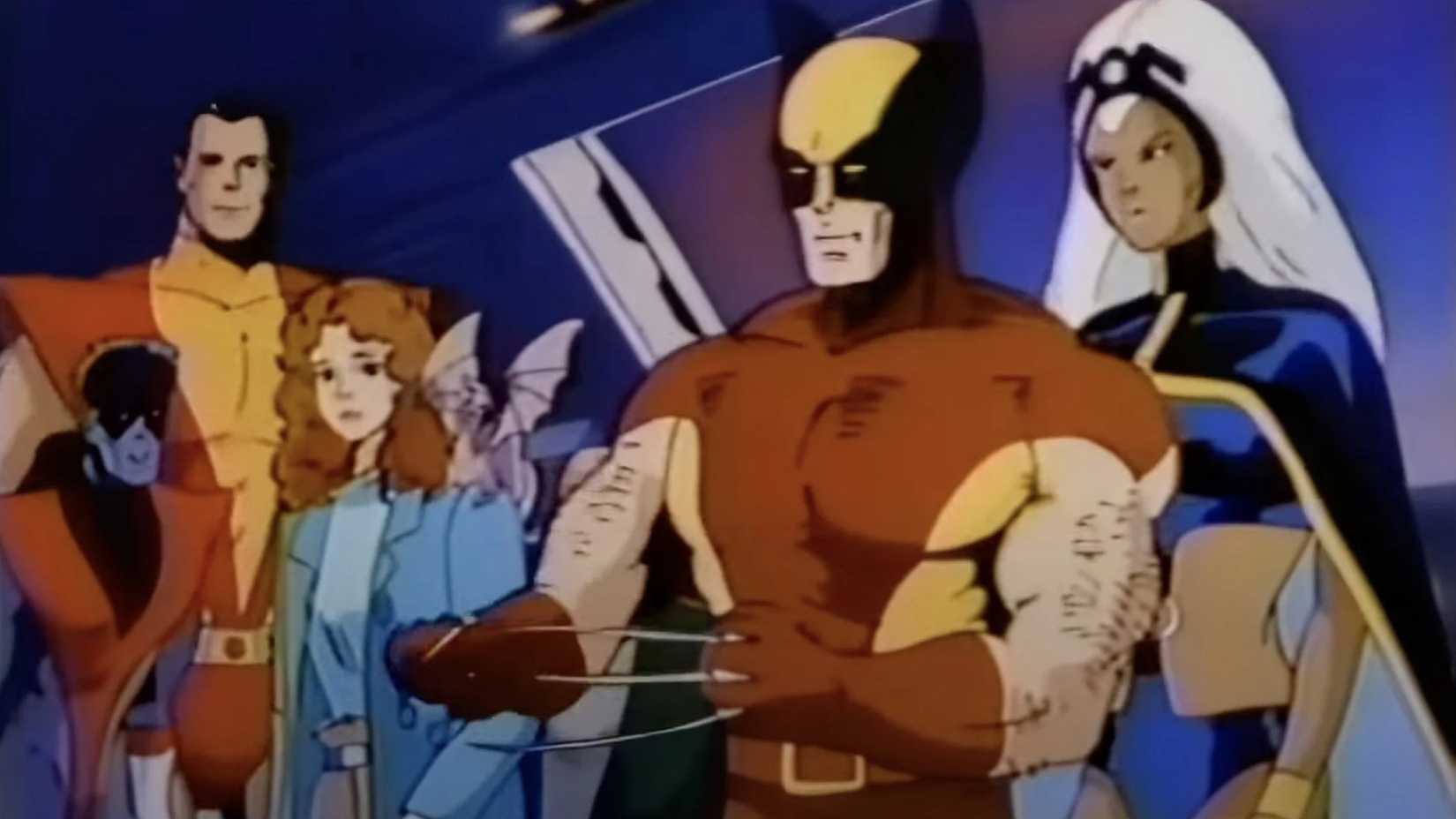
Before the popular 1992 X-Men cartoon, there was an earlier attempt. A pilot episode called Pryde of the X-Men was created for a different series, but it ultimately wasn’t developed. Although the pilot is well-made, it’s easy to see why it didn’t become a full show.
Narrated by Stan Lee, Pryde of the X-Men shares some similarities with the beginning of the 1992 series, but it quickly throws a lot of information at the audience. The story starts mid-action, with Magneto already in government custody, and rapidly introduces both the Brotherhood of Evil Mutants and the X-Men.
This 1989 pilot episode – the basis for the popular 1992 X-Men arcade game – is remembered for a curious choice: Wolverine was originally written as being from Australia instead of his familiar Canada. It seems the creators may have envisioned him making a “that’s not a knife” joke, inspired by Crocodile Dundee, in later installments.
Generation X Got An F
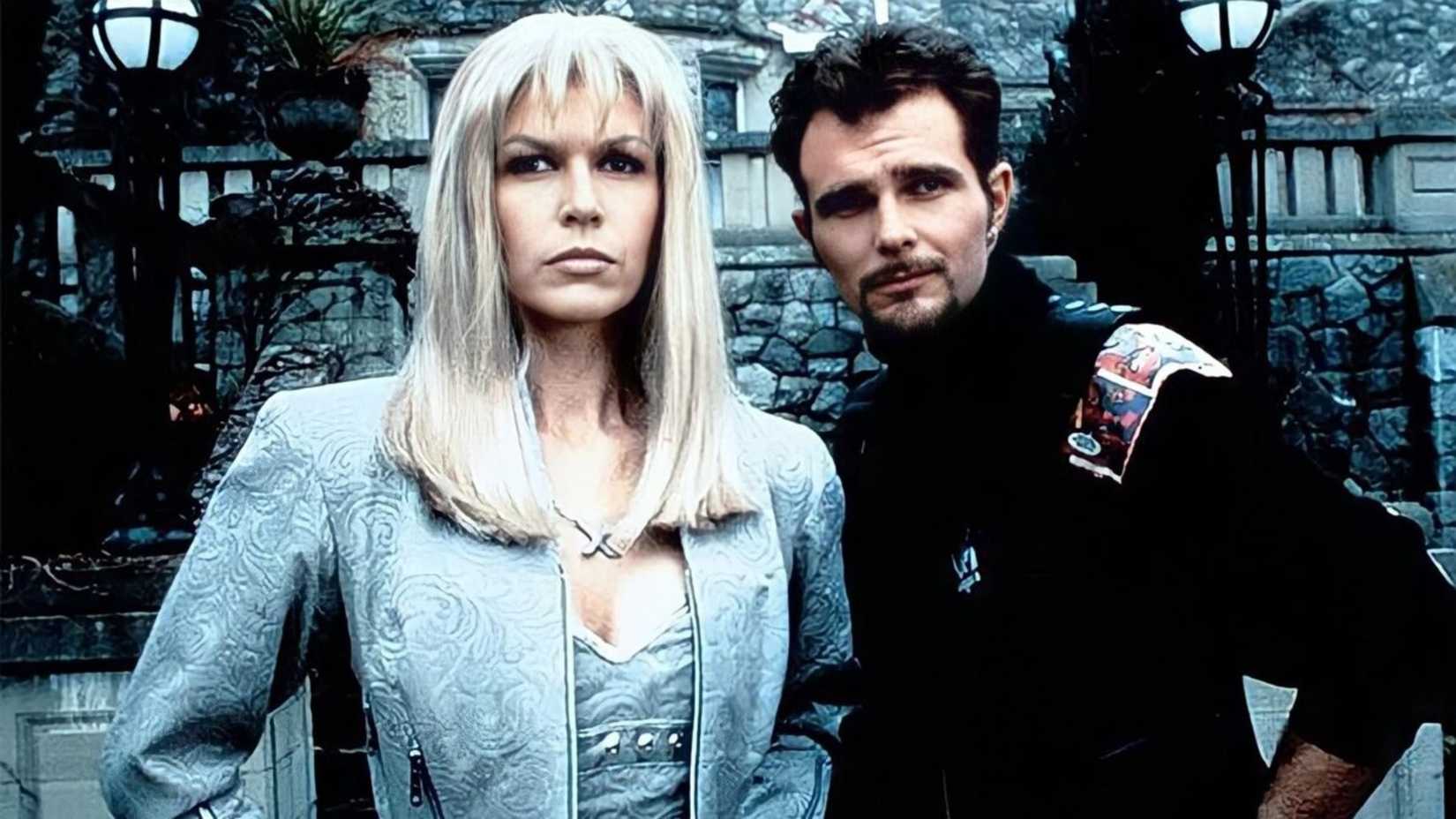
As a huge Marvel fan, I always find it fascinating to look back at some of the earlier adaptations. Before the X-Men movie really blew up in 1999, Fox made this TV movie called Generation X. It centers around Jubilee and her arrival at Xavier’s School, where she’s greeted by Emma Frost and Banshee. What’s really cool is that it introduced a bunch of lesser-known mutants like Skin and Mondo, meaning they actually appeared on screen before characters like Storm and Cyclops did! It’s a fun little piece of X-Men history.
The Generation X TV movie suffered from limitations in budget and technology. Back then, television production simply couldn’t deliver the special effects needed for a realistic live-action X-Men series. As a result, the production team opted to create original characters – Refrax and Buff – instead of including established Gen-X members like Chamber and Husk.
The TV movie wasn’t good, which didn’t help things. It also made some strange decisions, like casting Heather McComb – who isn’t Chinese – as the character Jubilee.

Found an error? Send it info@screenrant.com so it can be corrected.
Read More
- The Super Mario Galaxy Movie: 50 Easter Eggs, References & Major Cameos Explained
- Surprise Isekai Anime Confirms Season 2 With New Crunchyroll Streaming Release
- 10 Best Free Games on Steam in 2026, Ranked
- ‘Project Hail Mary’: The Biggest Differences From the Book, Explained
- Frieren: Beyond Journey’s End Gets a New Release After Season 2 Finale
- Why is Tech Jacket gender-swapped in Invincible season 4 and who voices her?
- Sydney Sweeney’s The Housemaid 2 Sets Streaming Release Date
- Welcome to Demon School! Iruma-kun season 4 release schedule: When are new episodes on Crunchyroll?
- Skate 4 – Manny Go Round Goals Guide | All of the Above Sequence
- Starfield (PS5) Review – A Successful Cross-Console Voyage
2026-03-01 05:40