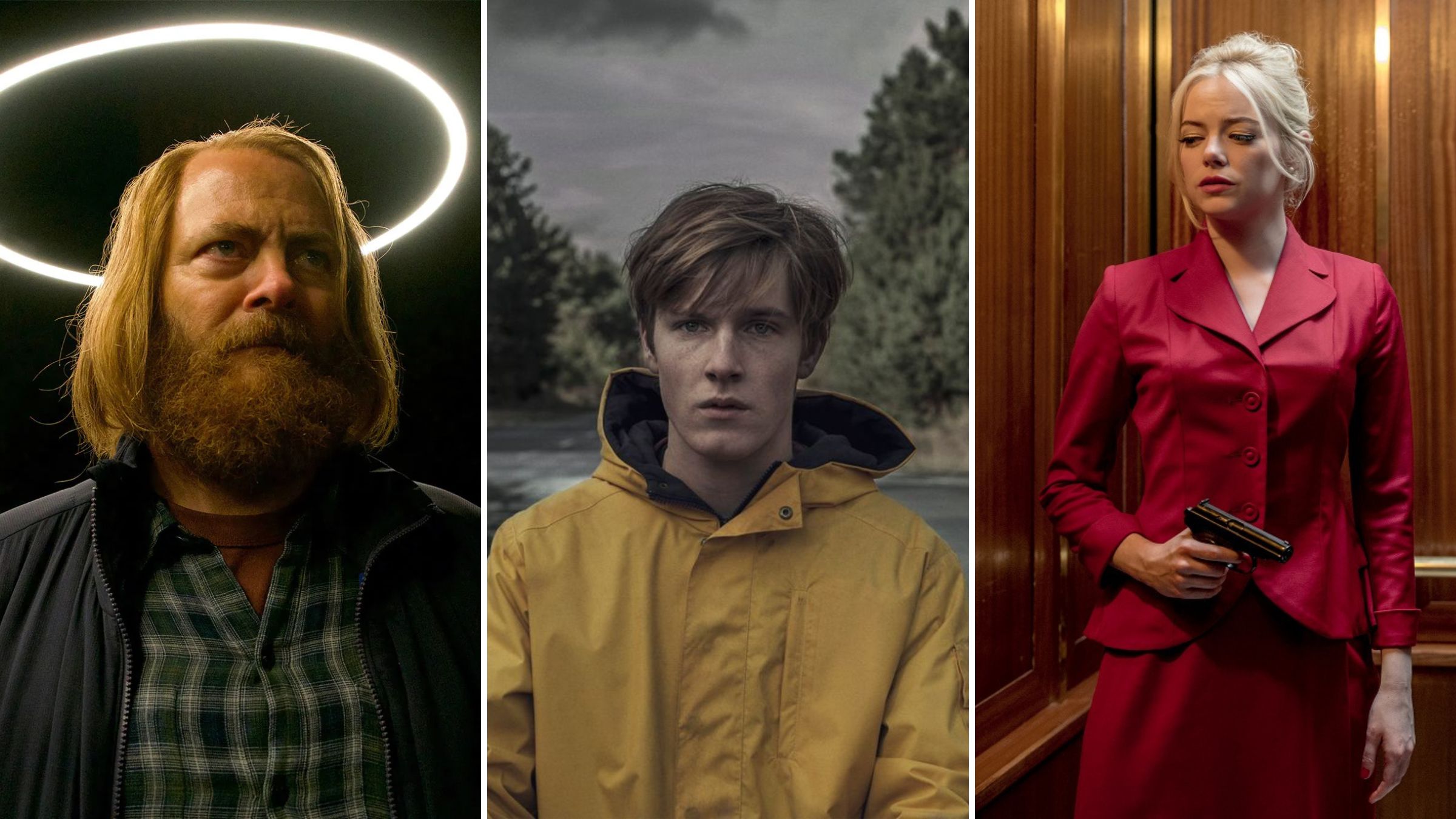
As a huge sci-fi fan, it’s always a bit frustrating to see how TV shows get treated. It’s a business, after all, and if something clicks with viewers, they just want more! But if ratings aren’t immediate, they’re quick to cancel it, and streaming has made that even faster. Sci-fi is no exception – the hits get multiple seasons, and some, like Stargate SG-1 and Star Trek: The Next Generation, really prove they can maintain quality over hundreds of episodes. Then you have shows like Lost and The X-Files that started as massive cultural moments but lost their way later on. But the worst is when genuinely interesting shows, like Netflix’s 1899 or Fox’s Firefly, get cancelled after just one season. They never even had a chance to find their audience, which is a real shame.
It’s unusual to find a complete TV series with fewer than 30 episodes, especially in science fiction. Sci-fi often requires creating complex worlds and exploring technology in depth. However, a few excellent sci-fi shows do manage to tell a full story without dragging on for many seasons.
5) Maniac
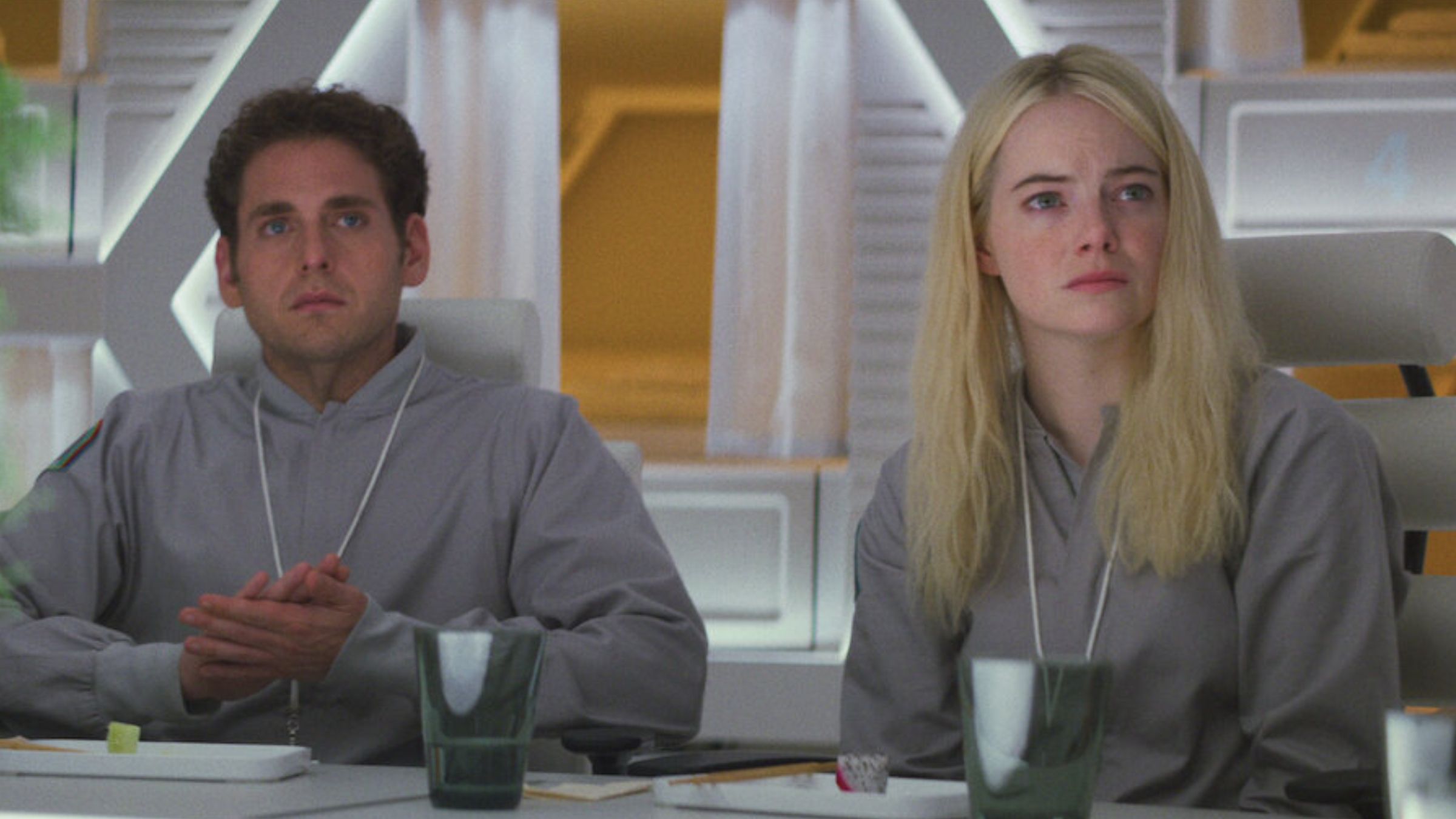
Patrick Somerville brought the Norwegian series Maniac to Netflix as a 10-episode miniseries. Directed by Cary Joji Fukunaga, the show centers on Annie Landsberg (Emma Stone) and Owen Milgrim (Jonah Hill), two people participating in a drug trial by Neberdine Pharmaceutical. The trial promises to heal their emotional pain through a series of carefully designed dreamlike experiences. Each session puts them in a different setting—like a Long Island robbery, a fantasy adventure, or a spiritualist meeting—while slowly revealing the underlying traumas they’re both dealing with. Because it was planned as a self-contained story, the show explores these different realities without getting lost, and Stone and Hill create a believable connection despite the strange premise. The experimentation feels purposeful, and every shift in tone helps to show how these two characters are learning to truly understand each other.
4) Devs
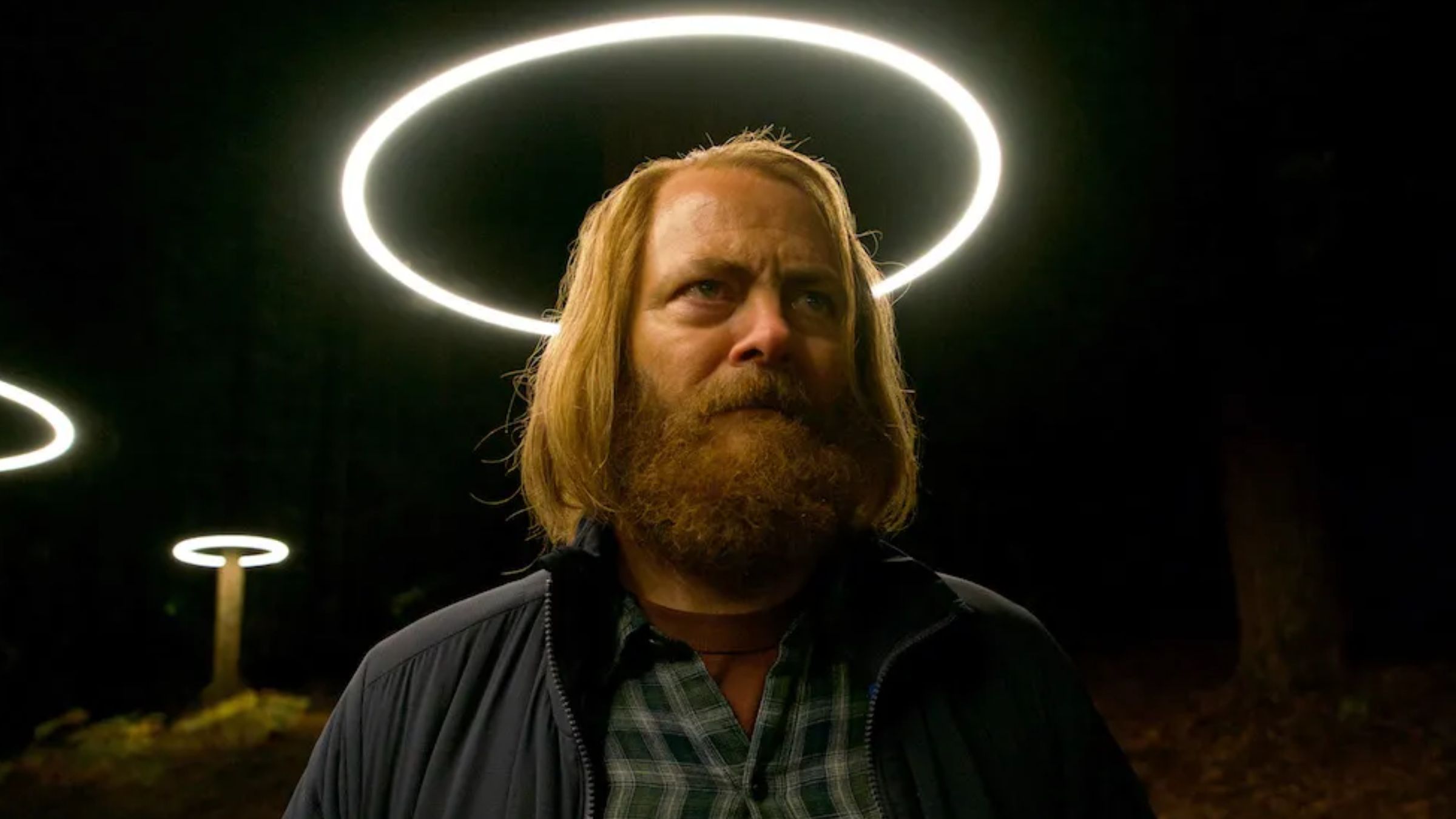
Alex Garland created and oversaw all eight episodes of FX’s Devs, a suspenseful thriller centered on Amaya, a quantum computing company, and its highly secretive research lab. The show follows Lily Chan (Sonoya Mizuno), a software engineer who starts to uncover the truth behind her boyfriend Sergei’s (Karl Glusman) death after he begins working at the Devs facility – a closed-off laboratory where Forest (Nick Offerman) leads a team building a machine that can seemingly recreate the past. Throughout the series, Garland slowly reveals how this system works, exploring ideas about fate and whether reality is a simulation through Lily’s investigation. Because the story unfolds in just one season, every philosophical idea feels connected to the central mystery of Sergei’s death, keeping even the most complex questions grounded and relevant.
3) Station Eleven

The HBO Max series Station Eleven is a ten-episode adaptation of Emily St. John Mandel’s novel, reimagining the story through two different time periods. It begins with a swift and catastrophic flu pandemic that brings society to an end, then moves forward twenty years to follow Kirsten Raymonde (Mackenzie Davis), a member of a traveling Shakespearean acting group who perform for small groups of survivors. Showrunner Patrick Somerville skillfully connects Kirsten’s journey with several other characters: Tyler (Daniel Zovatto), a former actor who becomes the leader of a dangerous cult; the author of a graphic novel also called Station Eleven (portrayed as a child by Matilda Lawler); and those involved in a significant Chicago theater production on the night everything changed. Unlike typical post-apocalyptic stories focused on mere survival, the series explores how art, memories, and performance help people find meaning even after civilization has fallen.
2) Cowboy Bebop
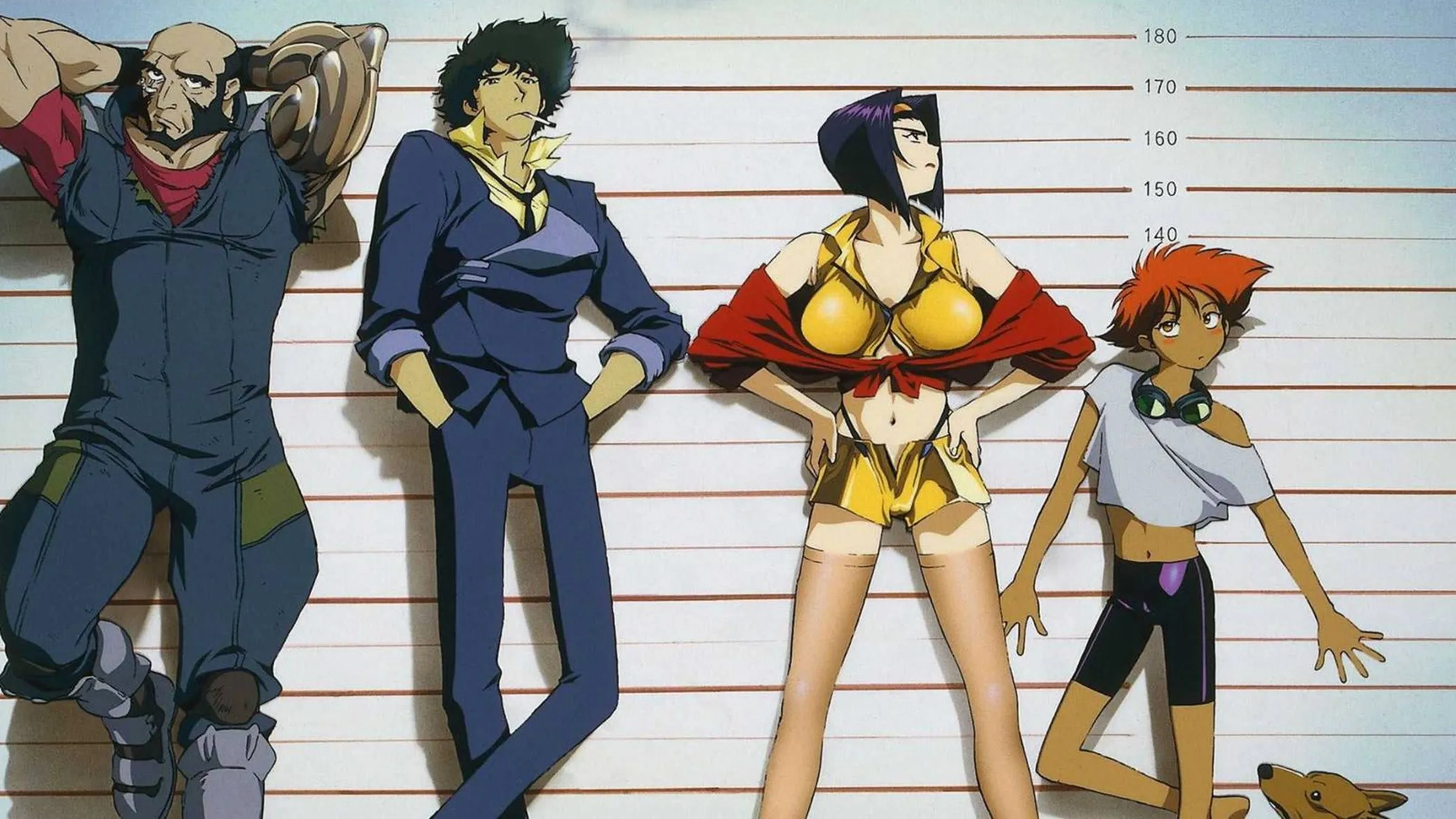
Shinichirō Watanabe’s Cowboy Bebop is a visually stunning blend of music, film styles, and futuristic technology that quickly became a sci-fi classic with just 26 episodes. The series takes place in 2071 and centers on a diverse group of bounty hunters traveling the solar system aboard their spaceship, the Bebop. They take on various jobs to survive, but each member is also haunted by a past they’re trying to escape. Cowboy Bebop has a unique rhythm; most episodes tell complete stories inspired by genres like Westerns and detective films, all set to original music by Yoko Kanno that blends jazz with other styles to match the mood. While these stories stand alone, they gradually reveal more about the crew’s histories and hint at an unavoidable confrontation with their past.
1) Dark
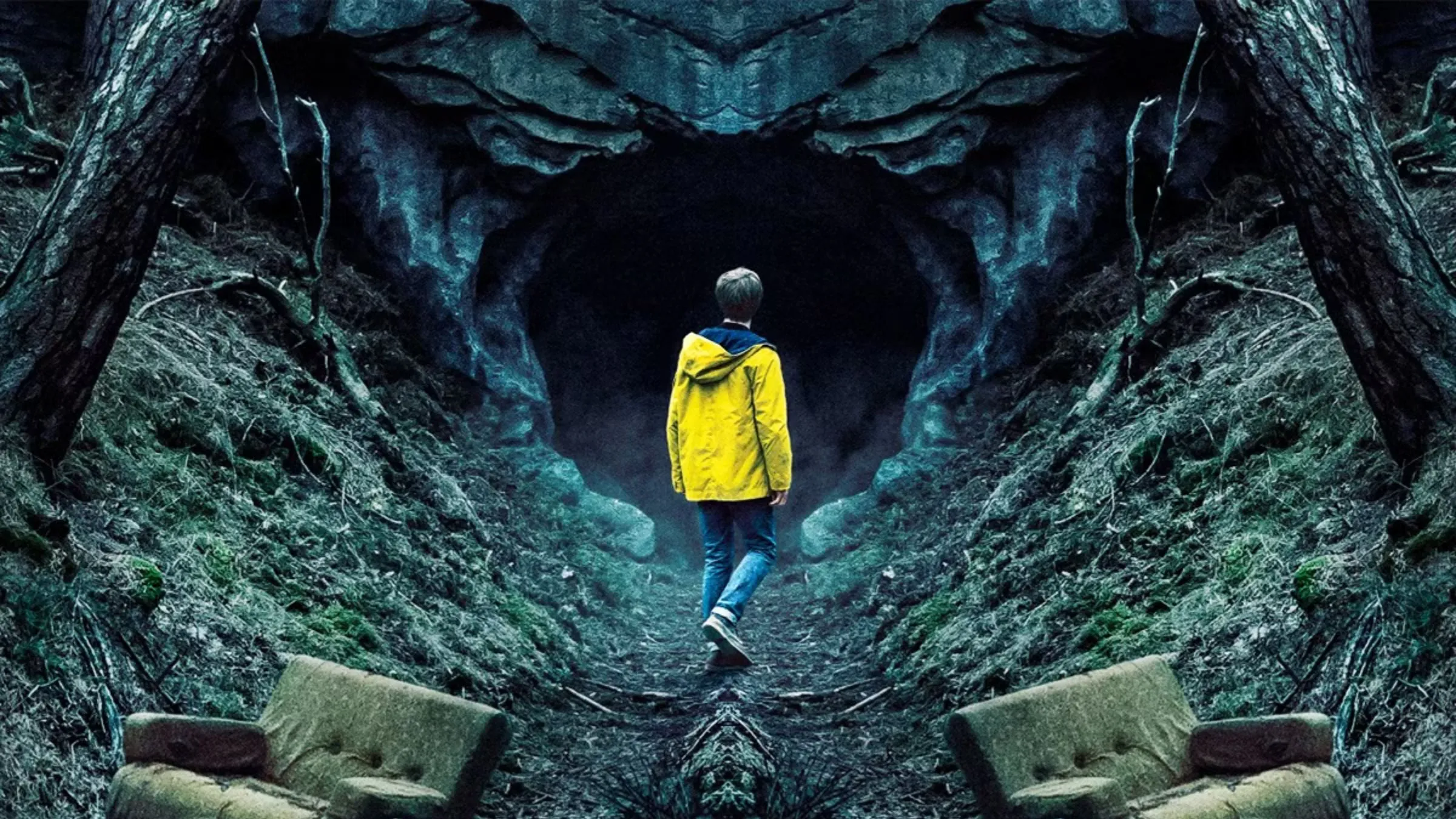
The German series Dark ran for three seasons on Netflix, totaling 26 episodes. It begins with the disappearance of a boy in the town of Winden, which quickly unravels a huge, decades-spanning conspiracy involving time travel and potentially world-ending paradoxes. The story centers on Jonas Kahnwald, a young man who must untangle complex realities and choose between conflicting allegiances to stop a never-ending cycle of pain. What sets Dark apart from many mystery shows is that it had a planned ending from the very beginning, meaning every twist and turn ultimately made sense. Creators Baran bo Odar and Jantje Friese also stayed true to a consistent and believable approach to time travel, grounding the story in science and trusting viewers to follow along.
Read More
- Green Game Jam returns with 70 games teaming up to tackle the climate crisis
- Gold Rate Forecast
- PI PREDICTION. PI cryptocurrency
- EUR CNY PREDICTION
- USD BRL PREDICTION
- USD TRY PREDICTION
- DOGE PREDICTION. DOGE cryptocurrency
- Seven Snipers Review: A Sharpshooter Action Movie That Misses More Than It Hits
- USD HKD PREDICTION
- Black Clover Confirms Special Chapter After Manga Finale
2026-06-12 22:14