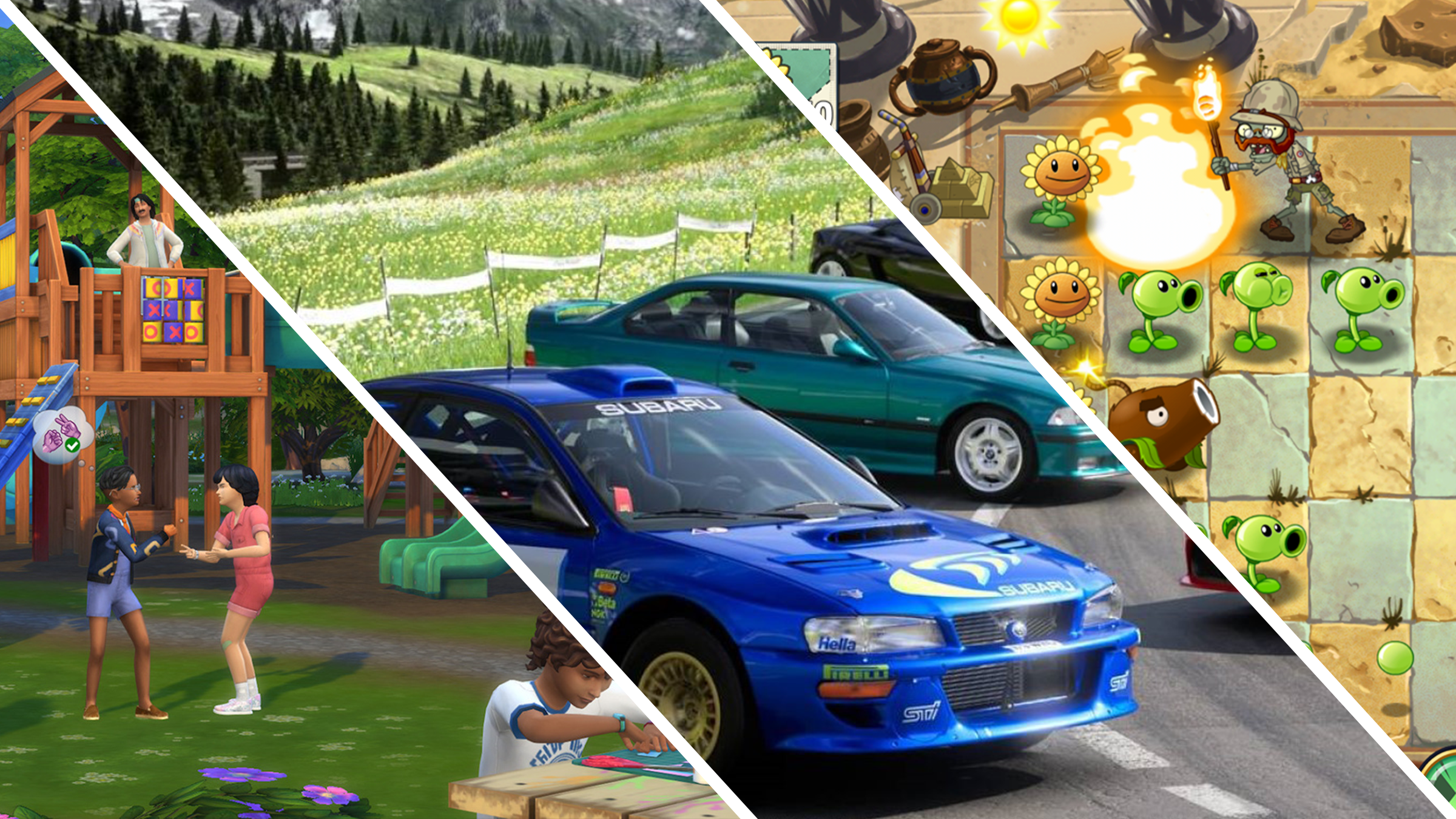
Remember when you just bought a game and played it? Now, you can spend a lot on a new game – often $60 to $80 – and then be asked to spend even more money on things like character outfits or in-game items. These are called microtransactions, and while some games use them reasonably, others seem overly focused on getting extra money from players. We’ve researched many games and identified five of the most aggressive examples of publishers trying to maximize profits.
1) Gran Turismo 7

Gran Turismo 7 is a visually stunning racing game with incredibly detailed cars and tracks. However, shortly after its release, players discovered that the game required a lot of repetitive gameplay to progress. While players could bypass some of this by spending real money on in-game purchases, many of these purchases were very expensive. This led to widespread negative reviews and damage to the game’s reputation. The cost to unlock all content was surprisingly high – reaching the in-game credit limit could cost over $200, and even a desirable car like the Mercedes-Benz W 196 R ’55 required a significant financial investment.
2) Diablo Immortal
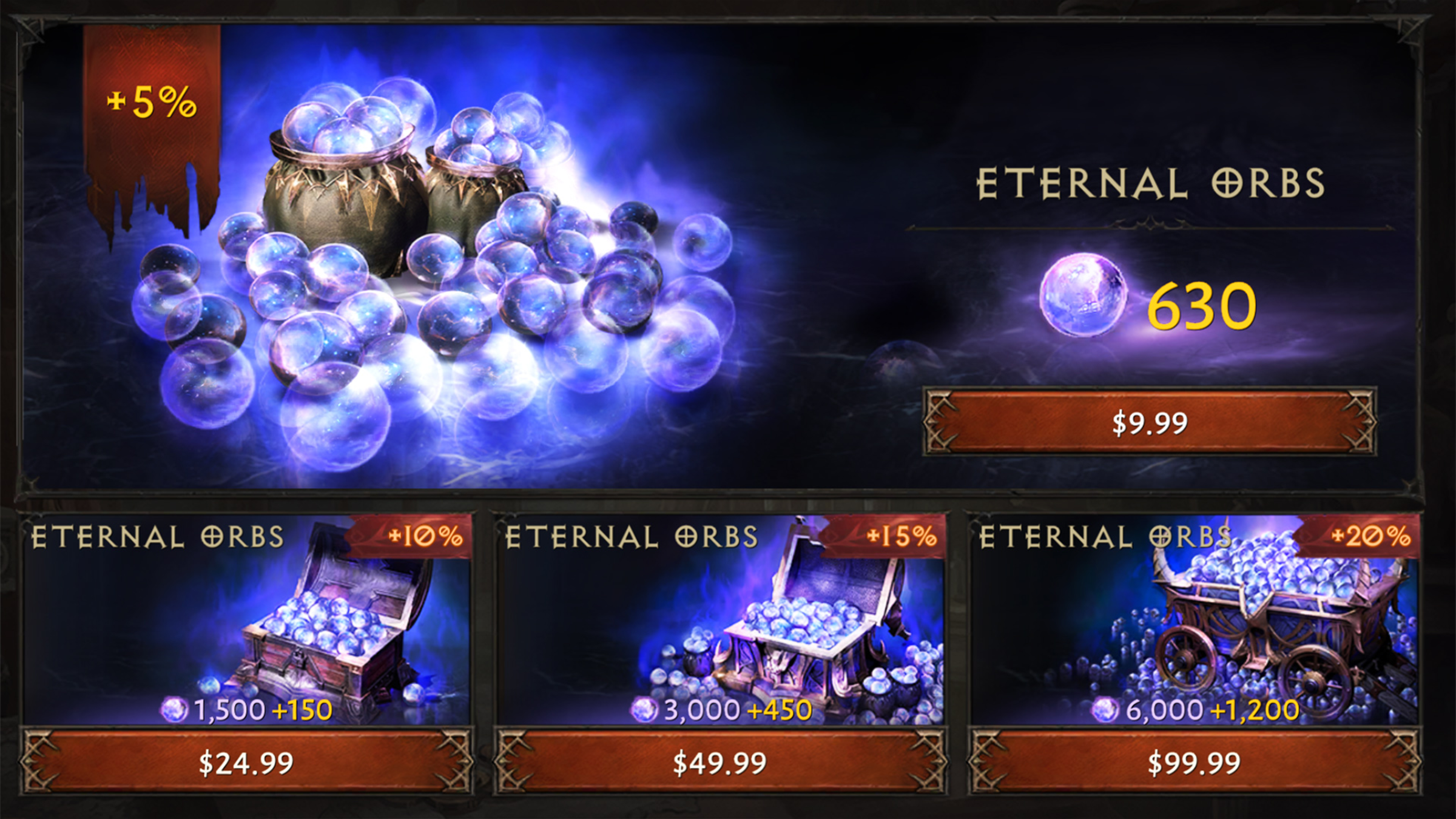
Diablo Immortal got off to a rough beginning after a poorly received announcement. Blizzard released the free-to-play game anyway, but it differed significantly from past Diablo games due to its focus on in-game purchases. While you could play without spending money, fully upgrading your character and gems would take an incredibly long time. Paying money significantly sped up the process, but the cost to maximize your character was extremely high. Some estimates suggested it could cost as much as $100,000 to fully upgrade everything, although this was just one calculation. Many fans considered this overly greedy, even though Diablo Immortal was a reasonably good mobile game overall.
3) Plants vs. Zombies 2
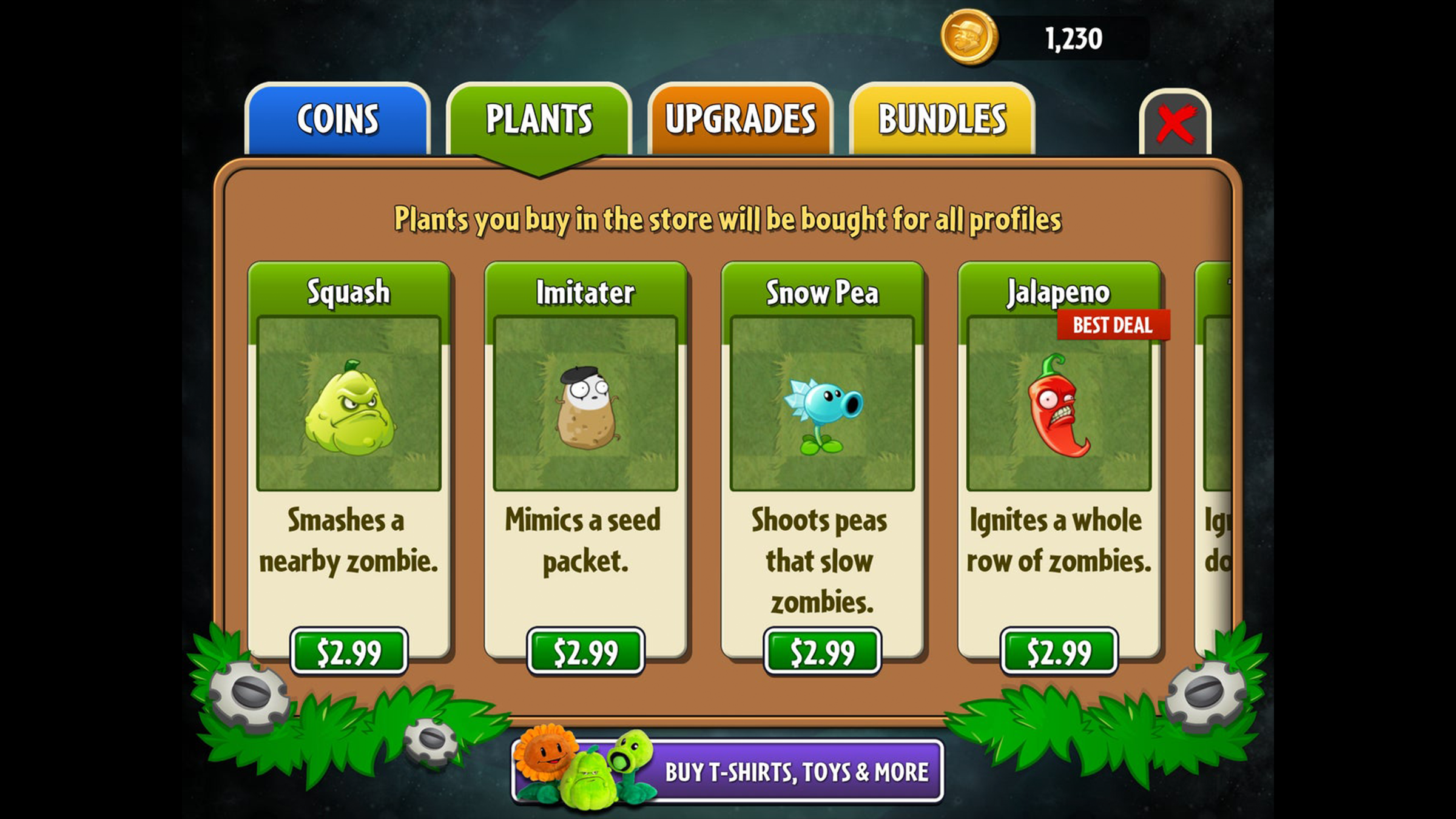
The first Plants vs. Zombies was a popular and enjoyable tower defense game that started a whole series. However, its success led to Electronic Arts buying PopCap Games, and the sequel, Plants vs. Zombies 2, became frustrating due to excessive in-app purchases. While the original game offered plants for free, the sequel locked many of them behind paywalls and seemed designed to pressure players into spending money to progress. What began as a fantastic series ultimately lost its appeal and popularity because of decisions made by executives focused on profit. The franchise still exists today, but it’s nowhere near as beloved or successful as it once was.
4) The Sims 4
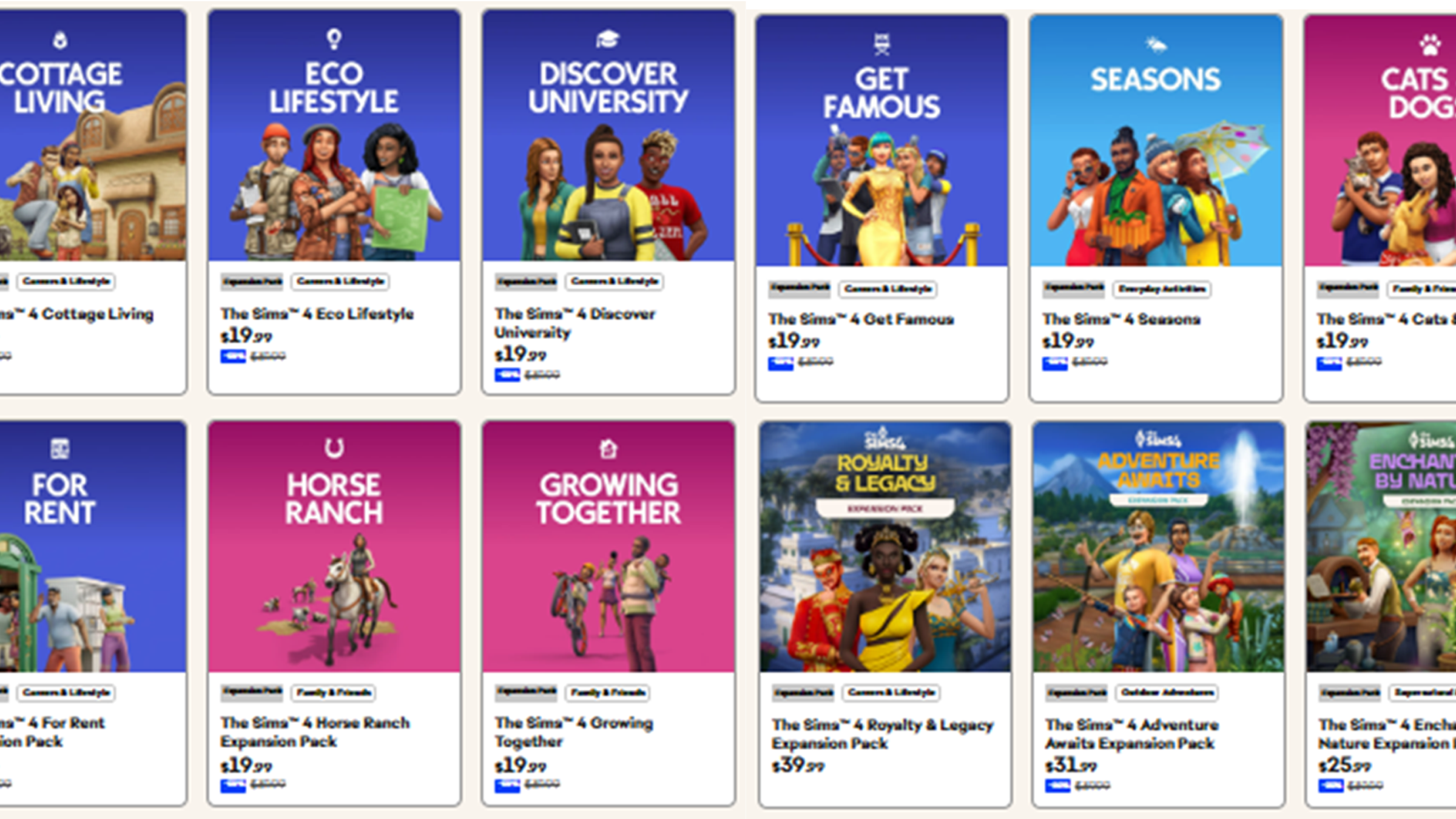
When The Sims 4 was released, many fans were disappointed. While the previous Sims games had a lot of features built in, The Sims 4 launched with many missing, and Electronic Arts later added them back as downloadable content. Some of this content was free, but most required purchase, and it quickly became expensive. Eventually, 21 major expansion packs and 12 smaller game packs were released, along with even more minor downloadable items. This frustrated many long-time fans, as the total cost to own all available content exceeded $1,430.
5) The Elder Scrolls IV: Oblivion
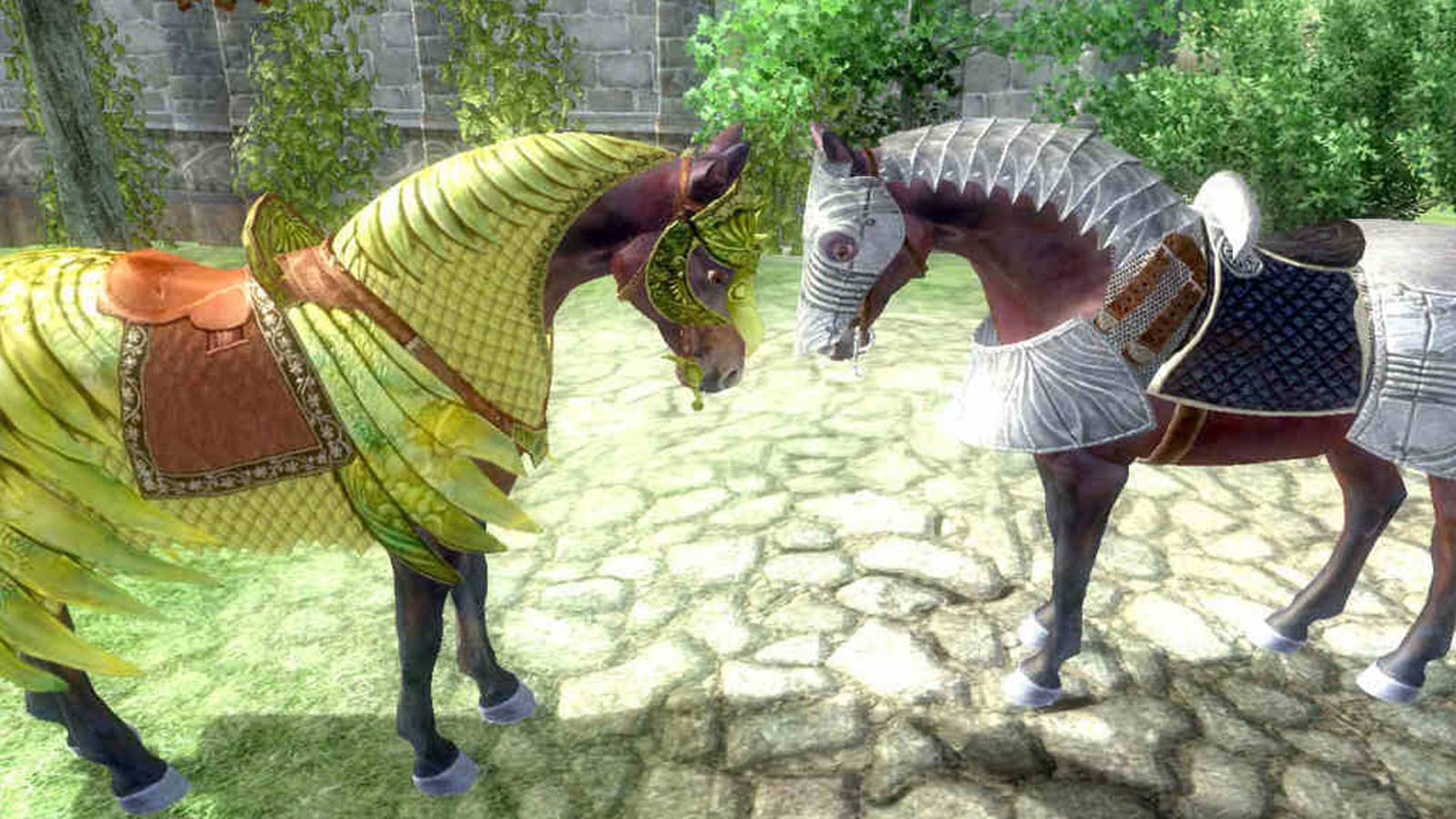
Many people blame the rise of microtransactions and in-game purchases on one game: The Elder Scrolls IV: Oblivion. Bethesda pioneered this trend with a surprisingly simple piece of downloadable content – horse armor. It cost just $2.50 and gave players a cosmetic upgrade for their horse, along with a small stat boost. This was essentially an experiment to see if gamers would pay for minor additions. Surprisingly, millions did, proving that players were willing to spend money on these types of items. While Oblivion itself remains a great game, this seemingly harmless addition arguably started a trend that the gaming industry continues to embrace – and many players now dislike.
I’m always hearing about games trying to squeeze extra money out of players, and I’m curious what the most frustrating example everyone’s seen is! What’s the greediest thing a game has ever asked you to pay for? Let’s talk about it over on the ComicBook Forum – I’d love to hear your experiences!
https://comicbook.com/gaming/news/worst-video-game-microtransactions/embed/#
Read More
- Gold Rate Forecast
- 10 Most Powerful Versions of Superman, Ranked
- GBP CNY PREDICTION
- 10 Best Free Games on Steam in 2026, Ranked
- 007 First Light: Release Date, Story, Gameplay, Cast, Editions, and Platforms
- Superman’s 7 Best Power-Ups, Ranked
- Forza Horizon 6 Car List So Far: Confirmed Highlights, Cover Cars, DLC, and Rewards
- 10 Greatest Manga Endings of All Time
- DOGE PREDICTION. DOGE cryptocurrency
- BONK/USD
2026-05-09 22:15