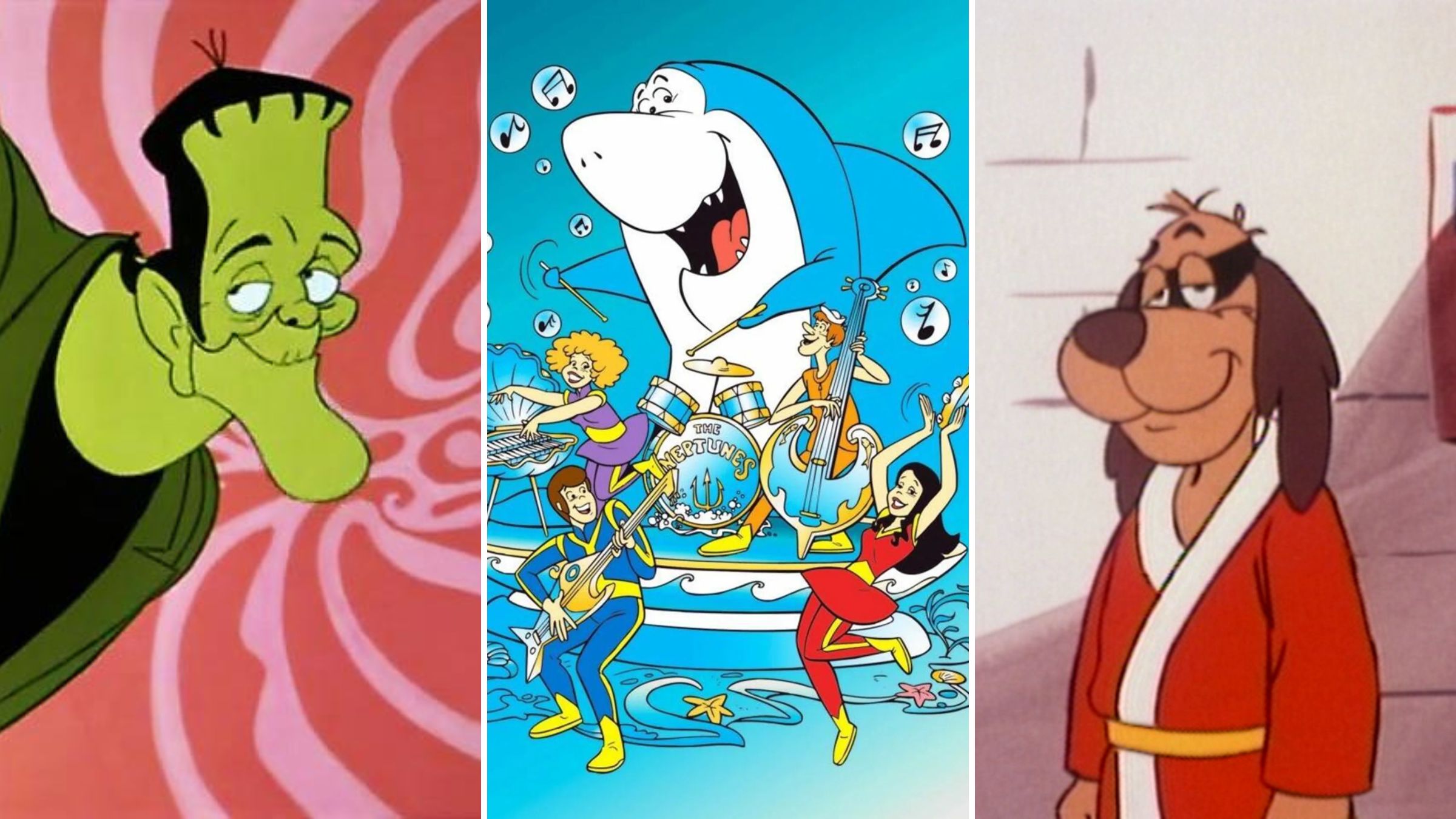
The 1970s were a challenging time for American animation. Pressure from parent groups, like Action for Children’s Television, led TV networks to remove the over-the-top slapstick violence common in cartoons from the 1950s and 60s. This created a gap that was largely filled by Hanna-Barbera and Filmation, two studios that dominated Saturday morning cartoons on ABC, NBC, and CBS throughout the decade. To quickly produce new shows, both studios relied on limited animation – using simple techniques, reusing character designs, and writing scripts very quickly. This resulted in a decade of TV that wasn’t often praised by critics, with dozens of shows each season sharing similar backgrounds, voice actors, and storylines, almost like a factory-style production.
Hanna-Barbera was especially quick to turn popular movies and TV shows into cartoons. They also found that the formula that made Scooby-Doo so successful – a group solving mysteries – could be used for almost any kind of story, and they created many shows based on it. While most of these series quickly faded into obscurity, a few of them are actually worth revisiting.
5) Jabberjaw
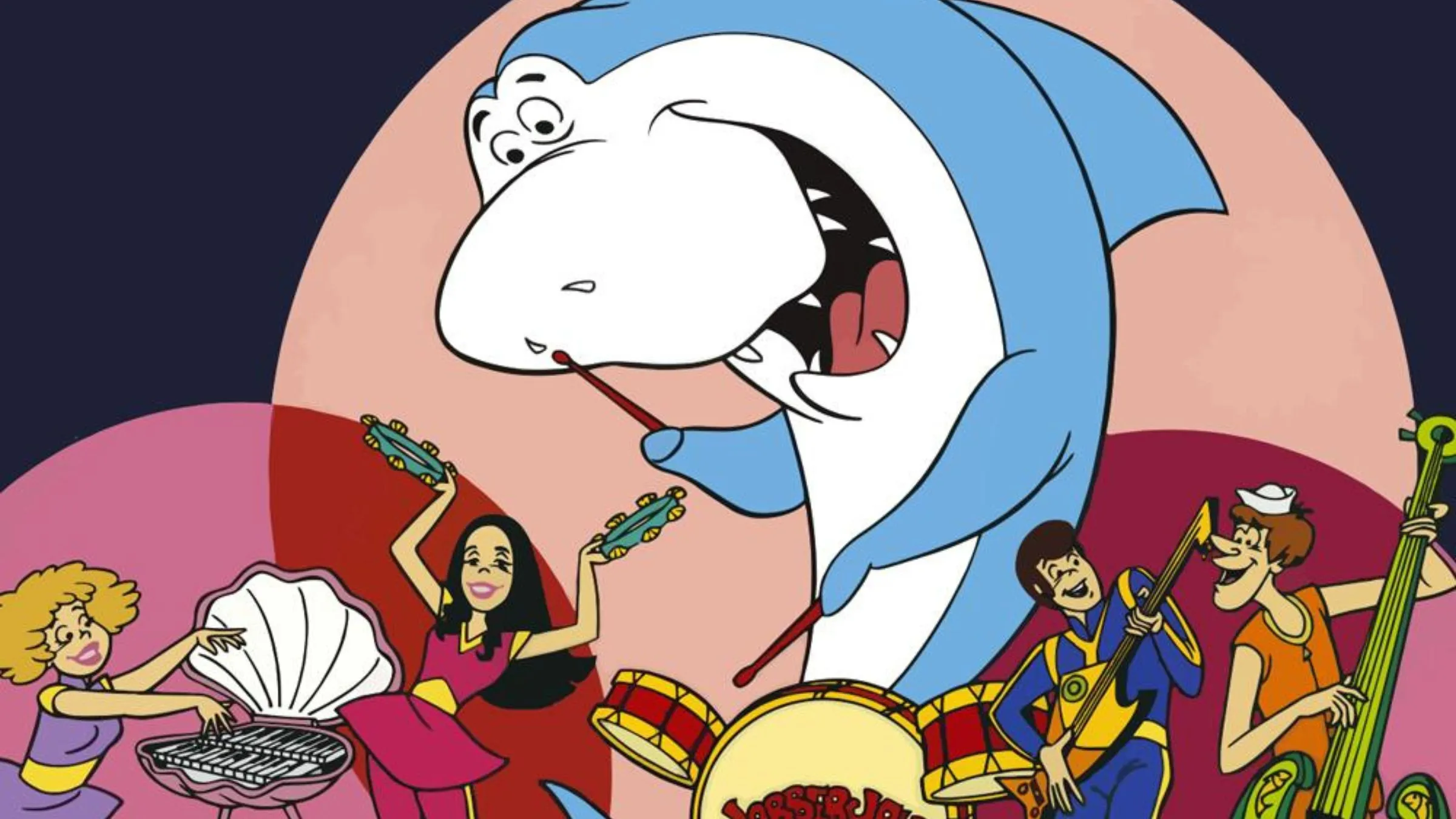
Premiering on ABC in 1976 and created by Hanna-Barbera, Jabberjaw took the popular formula from Scooby-Doo and applied it to the wave of shark-themed entertainment following the movie Jaws. The show was set in the year 2076, within an underwater world shielded by protective bio-domes. The main character, a 15-foot-long shark named Jabberjaw (voiced by Frank Welker doing a remarkable impression of Curly Howard from The Three Stooges), was the drummer for The Neptunes, a teenage rock band that traveled between underwater cities and battled supervillains trying to take over the ocean.
Despite lasting only 16 episodes before being relegated to reruns on ABC, the cartoon Jabberjaw, created by Joe Ruby and Ken Spears, was remarkably creative. It featured clever ocean-themed jokes and a running gag involving robots that constantly ejected Jabberjaw from buildings, leading to his frequent lament about a lack of respect. Following its short run, Jabberjaw continued to appear in various Hanna-Barbera crossover specials for many years.
4) Inch High, Private Eye
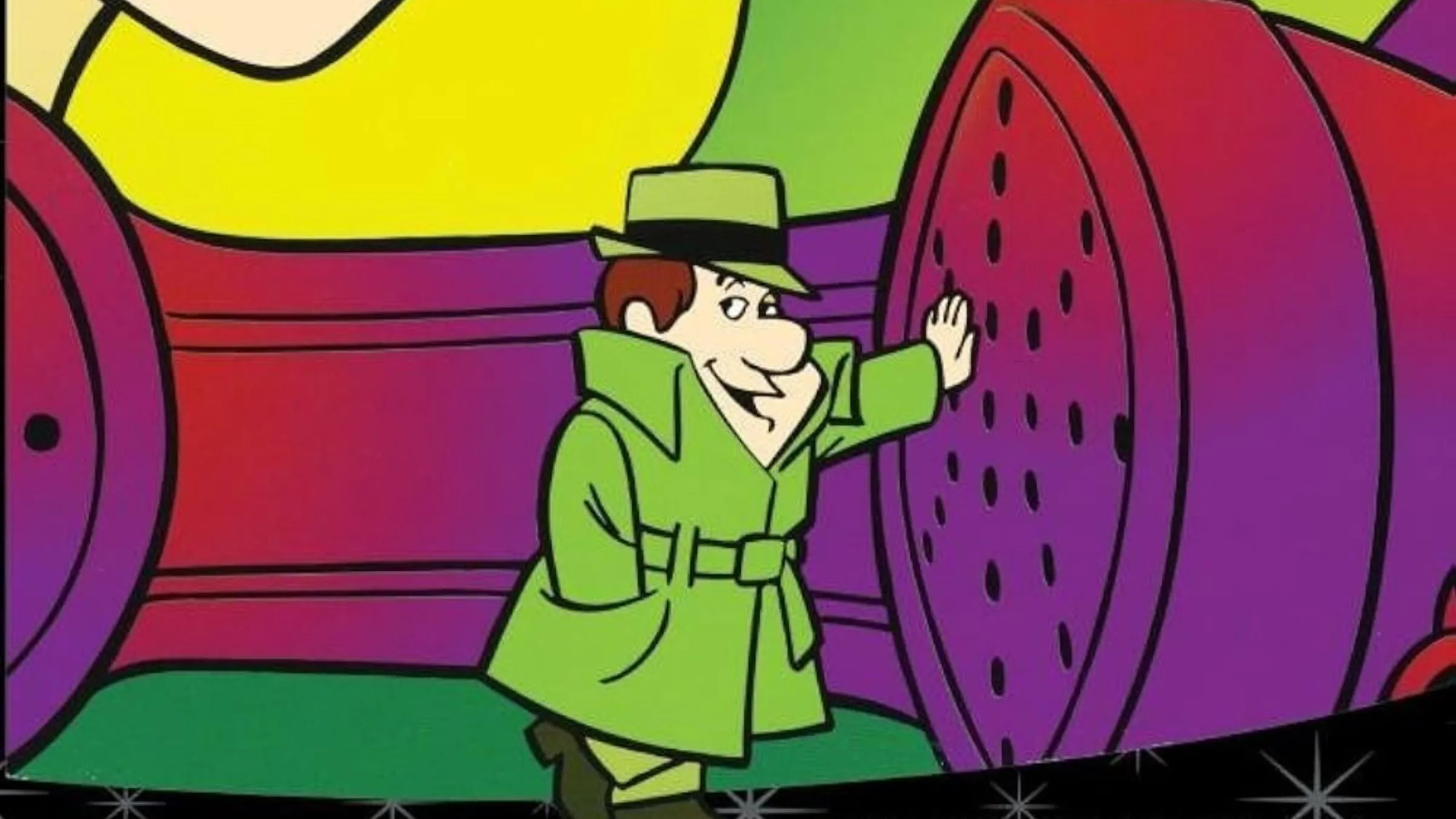
In 1973, Hanna-Barbera launched Inch High, Private Eye on NBC. This cartoon was a comedic take on spy shows, clearly inspired by Get Smart. Like Maxwell Smart, the main character, Inch High, was a detective known for his serious, understated humor. Voice actor Lennie Weinrib played Inch High, a tiny one-inch-tall investigator who became small thanks to a secret shrinking solution, and intentionally imitated Don Adams’ signature deadpan style.
Inch was a detective for the Finkerton Agency – a humorous take on the famous Pinkerton Agency – and was always in danger of being fired by his frustrated boss. He solved mysteries with help from his niece Lori, her friend Gator, and his St. Bernard, Braveheart, all while traveling in the incredibly quiet Hushmobile. The show’s central idea – Inch’s small size – provided a lot of visual humor. He could squeeze into places other detectives couldn’t, but often grew back to normal size at the most inconvenient times. Though it only lasted 13 episodes, the series is remembered as one of Hanna-Barbera’s cleverest detective spoofs.
3) Hong Kong Phooey
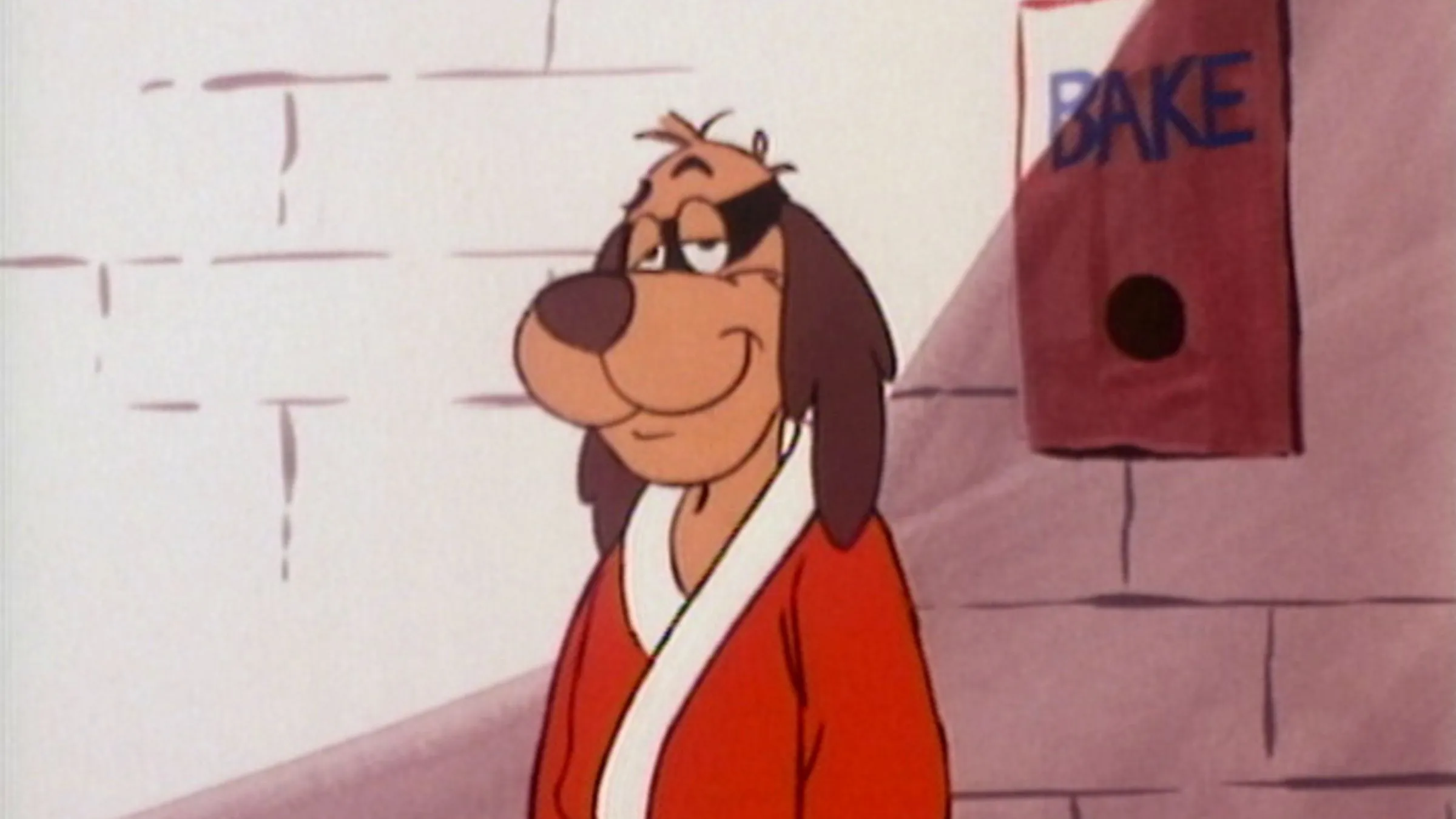
The cartoon Hong Kong Phooey aired for 16 episodes on ABC in the fall of 1974 and remains popular thanks to Scatman Crothers’ unique voice work. He played Penrod “Penry” Pooch, a janitor who pretended to be a skilled martial arts hero. However, the real crime-solving was done by Penry’s cat, Spot, while Hong Kong Phooey mostly blundered through kung fu moves, relying on a beginner’s guidebook.
Hanna-Barbera created Hong Kong Phooey as a playful take on the popular Hong Kong action films that were becoming hits in America from the early 1970s. Instead of serious heroes, the show focused on comedy. Actor Scatman Crothers brought a charming warmth to the series, helping it stand out from other Saturday morning cartoons with a unique personality.
2) Groovie Goolies
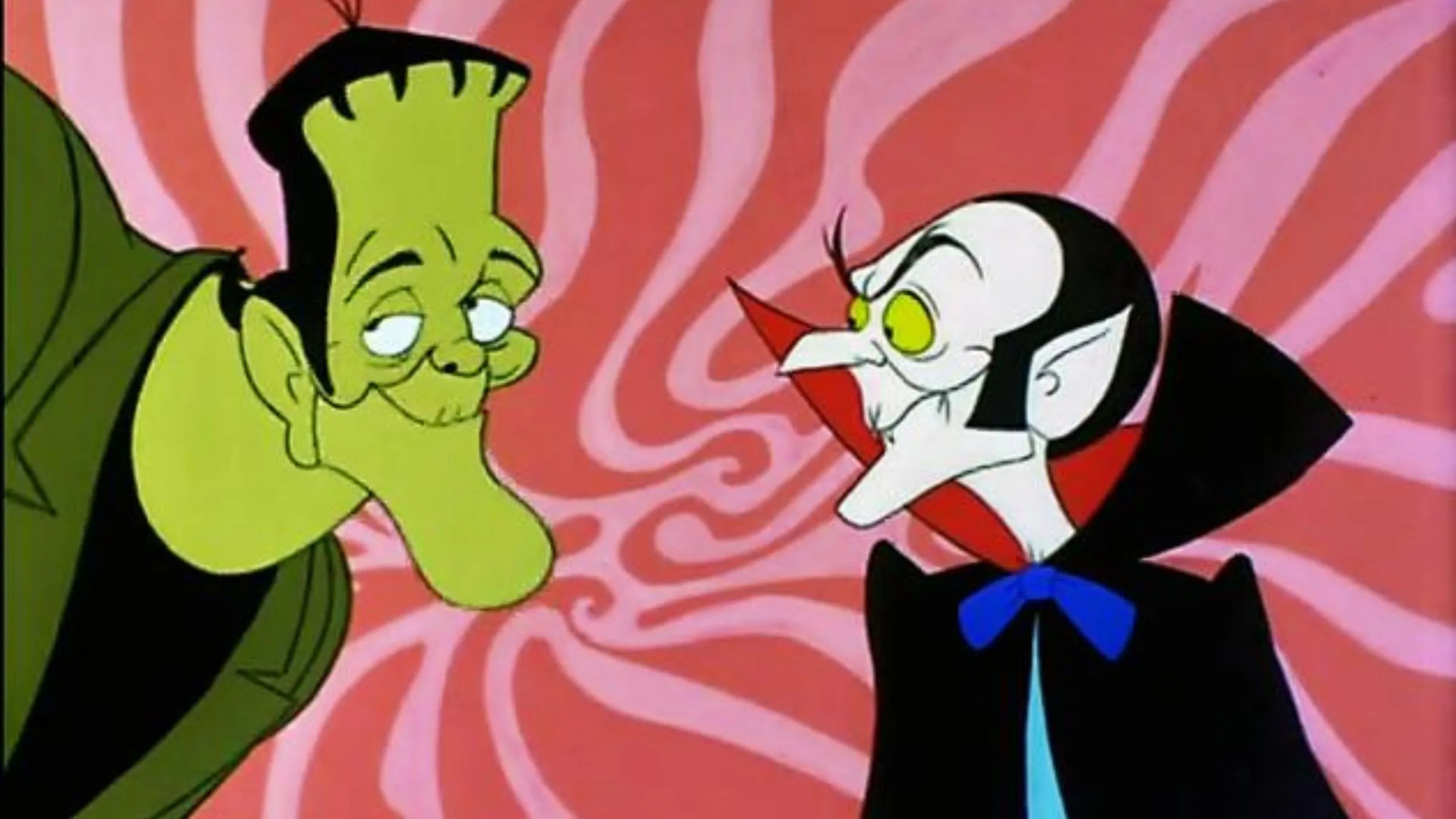
The animated comedy Groovie Goolies first aired on CBS in September 1970. It featured classic horror monsters living together in a boarding house called Horrible Hall, and it was more similar to a fast-paced comedy show like Rowan and Martin’s Laugh-In than a typical cartoon. Characters like Drac (voiced by Larry Storch), Frankie (voiced by Howard Morris), and Wolfie (also voiced by Howard Morris) were based on the classic Universal Monsters. However, the show focused more on short comedy sketches, jokes, and original songs performed by the Bare Bones Band in each episode than on telling a continuous story.
Unlike many cartoons of the time, Groovie Goolies was completely original, not based on any existing story, which gave it a more freewheeling feel compared to the more formulaic shows from Hanna-Barbera. Though a movie was planned in 1978, it never happened, and two attempts to bring the show back on television in 1984 both failed. As a result, the original series remains the only version of Groovie Goolies ever made.
1) Wait Till Your Father Gets Home
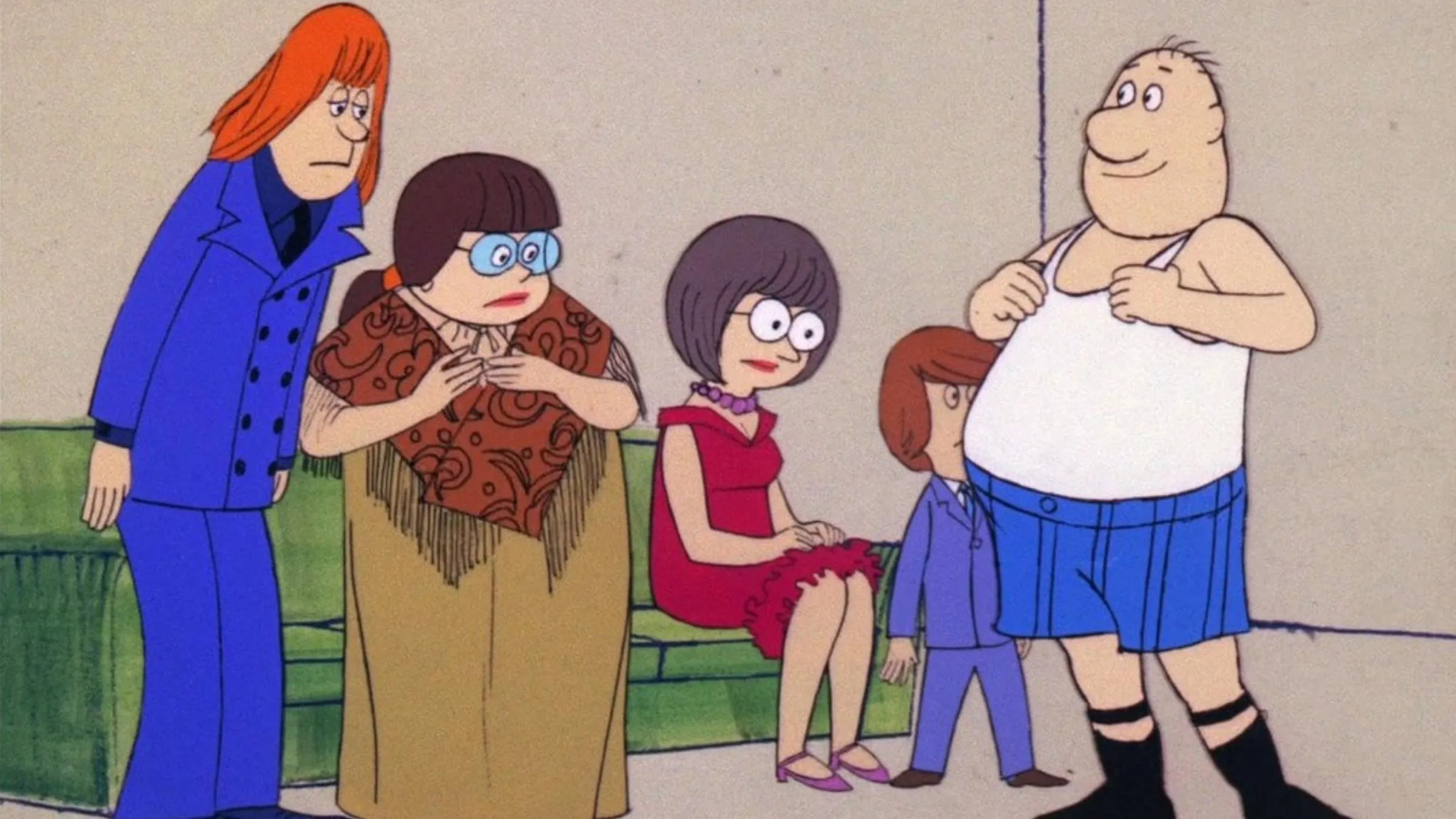
The animated sitcom Wait Till Your Father Gets Home aired 48 episodes from 1972 to 1974 and was the first prime-time animated comedy since The Flintstones finished its run in 1966. The show revolved around Harry Boyle, a traditional restaurant owner (voiced by Tom Bosley), and the humorous conflicts he had with his children: a son embracing counterculture, a daughter advocating for feminism, and a naive younger son. These clashes drove the plot of each episode.
Created by Hanna-Barbera with Don Nicholl as lead writer, this series intentionally mirrored popular adult sitcoms of the time, like All in the Family. It used animation not for simple entertainment, but to offer social commentary. The show proved that animation could effectively deliver the kind of relatable, generation-gap humor that was proving successful on live-action television. Wait Till Your Father Gets Home paved the way for shows like The Simpsons and Family Guy, establishing it as a hugely important series in animation history.
What animated show from the 1970s do you think deserves more attention today? Share your thoughts in the comments and join the discussion on the ComicBook Forum!
https://comicbook.com/movies/list/7-1970s-sci-fi-movies-you-forgot-were-awesome/embed/#
Read More
- Gold Rate Forecast
- 10 Most Powerful Versions of Superman, Ranked
- GBP CNY PREDICTION
- 007 First Light: Release Date, Story, Gameplay, Cast, Editions, and Platforms
- Superman’s 7 Best Power-Ups, Ranked
- 10 Best Free Games on Steam in 2026, Ranked
- Forza Horizon 6 Car List So Far: Confirmed Highlights, Cover Cars, DLC, and Rewards
- 10 Greatest Wii U Games of All Time, Ranked
- What happened to Soldier Boy in The Boys?
- CNY JPY PREDICTION
2026-04-16 20:13