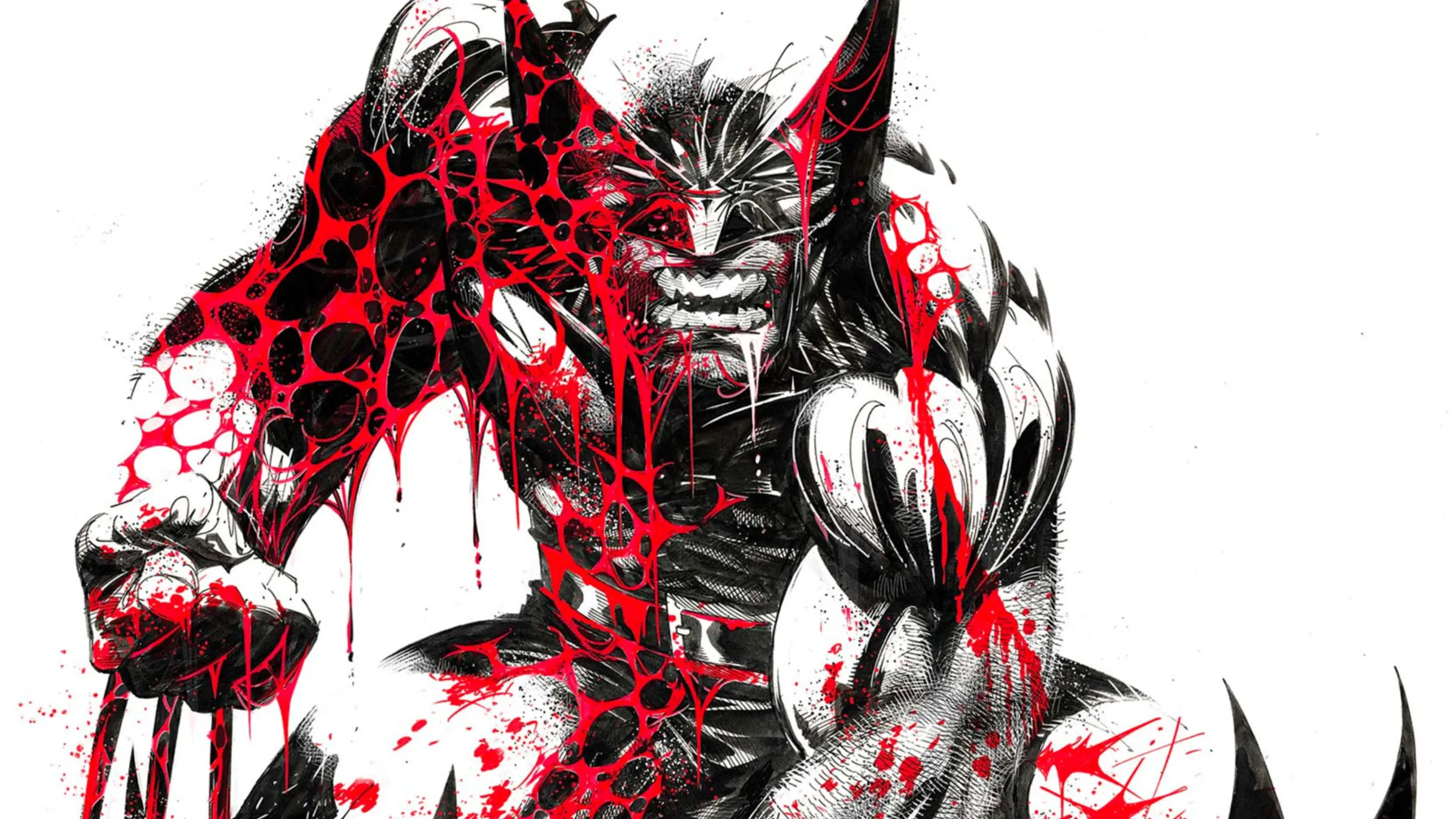
Wolverine is incredibly successful – he’s a major comic book seller. He started as a minor character in a battle between the Hulk and Wendigo, but joining the X-Men launched him to fame. Being part of the team skyrocketed his popularity, putting him among the most well-known superheroes like Spider-Man and Batman. He got his own comic book series in 1982 and has since appeared in countless issues, including solo adventures, team-ups, limited series, and major crossovers.
Wolverine has gone through many different phases over the past five decades, and each one has added something unique to his story. While not every period has been flawless, many have been truly exceptional. These five eras were particularly important in shaping Wolverine into the popular hero he is now, and they include some of his most memorable stories.
5) Utopia Era
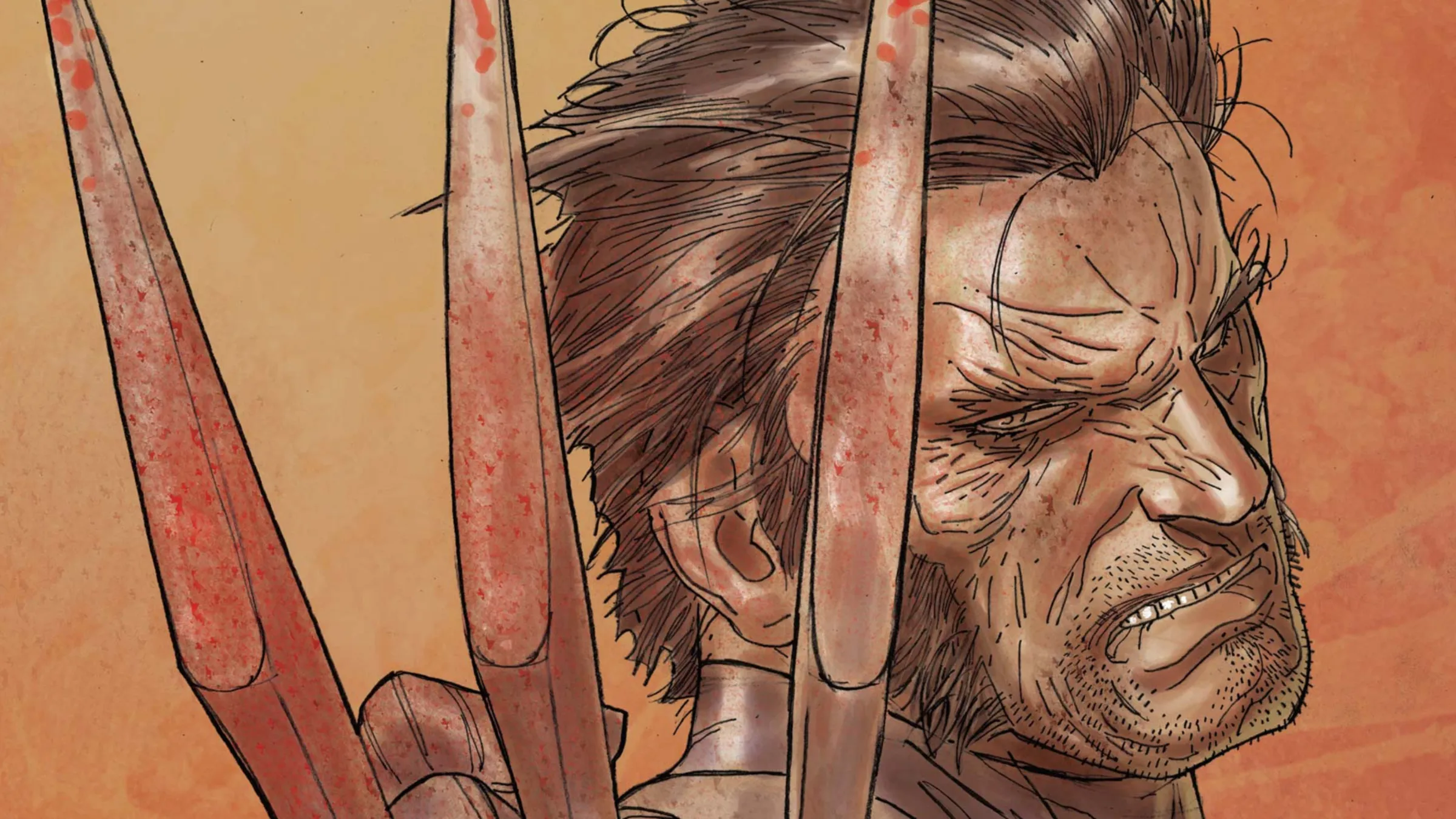
Pinpointing the start of the ‘Utopia Era’ for the X-Men is tricky. Some fans consider it to have begun with the ‘Avengers/X-Men: Utopia’ storyline, when the mutant island of Utopia was established. However, many others trace it back to when the X-Men relocated to San Francisco near the end of the ‘Messiah Complex’ arc in 2008. This era lasted until 2013, concluding with ‘Avengers vs. X-Men’ #12. It was a particularly strong period for the character Wolverine, who led X-Force and starred in critically acclaimed solo books written by Jason Aaron. Highlights included the launch of ‘Uncanny X-Force’ and ‘X-Men: Schism,’ which led to him forming his own team in ‘Wolverine and the X-Men.’ Overall, it was a successful time for both the character and his fanbase, and a period that deserves more recognition – especially the ‘Wolverine: Weapon X’ series by Aaron and Ron Garney.
4) Marvel Knights Era

The Marvel Knights line launched in 1998, focusing on down-to-earth, street-level superhero stories. It successfully brought new life to characters like Daredevil, Black Panther, and the Punisher. In 2003, the second volume of Wolverine ended, and the series moved to the Marvel Knights imprint. The resulting third volume of Wolverine started strong, with a fantastic run of the first 39 issues crafted by a talented team of creators including Greg Rucka, Darick Robertson, Leandro Fernandez, Mark Millar, John Romita Jr., Klaus Janson, Kaare Andrews, Daniel Way, Javier Saltares, and Mark Texeira. While the Marvel Knights branding was removed from the covers with issue #40, the series continued for several years after. This period of Wolverine offered a compelling mix of realistic and over-the-top superhero action, making it a truly memorable run.
3) Weapon X Era
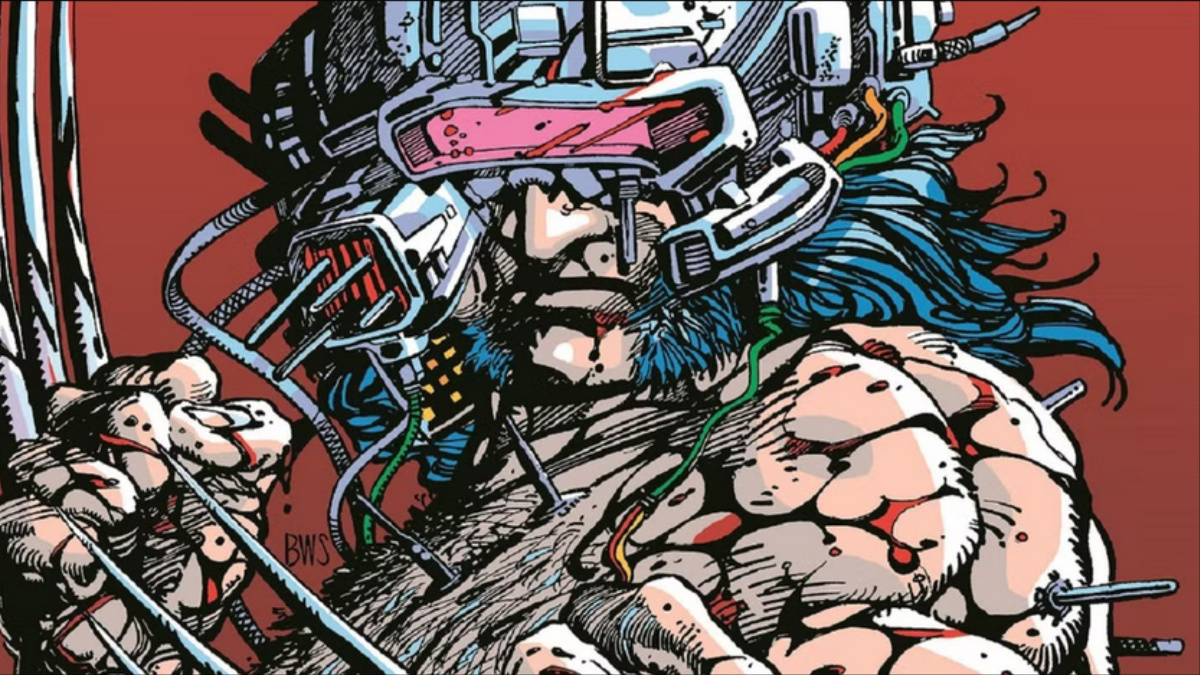
As a longtime comic book fan, I have to say that while there are many great Wolverine tales, Barry Windsor-Smith’s “Weapon X” storyline from Marvel Comics Presents is truly exceptional – a lot of fans, myself included, consider it the definitive Wolverine story. It wasn’t just a great story, though; it really relaunched the character and kicked off a whole new phase for him. 1991 was a massive year for the X-Men, with both X-Force and a brand new X-Men series launching, and “Weapon X” was a key part of that revitalization. The story continued in Wolverine (Vol. 2), starting with issues #48-50, as Logan dug into the secrets of Weapon X in the present day. That investigation then took a tragic turn with his relationship with Mariko Yashida, leading to a sprawling, decades-spanning narrative that ran through the early issues of the book. This period, lasting until Wolverine (Vol. 2) #74, was packed with huge reveals. The writing by Larry Hama was top-notch, and the art – from talents like Marc Silvestri, Mark Texeira, and Darick Robertson – was consistently fantastic. Plus, we got the debuts of two of Wolverine’s most iconic foes, Cyber and Omega Red. Honestly, the years 1991-1993 were a golden age for Wolverine, and this era of comics deserves far more recognition than it often gets.
2) The Claremont Era

As a lifelong fan of the X-Men, I can tell you that Chris Claremont defined Wolverine. He wrote the character for an incredible 17 years – longer than anyone else – and really shaped him into the icon we know today. He wasn’t just writing Uncanny X-Men from issues #94 to #279, but also launched Wolverine’s very first solo series back in 1982 and penned the first ten issues of his second. While other amazing talents like Walt and Louise Simonson, Frank Miller, John Byrne, and many more contributed during those years, it was Claremont who was the driving creative force. Honestly, that era – from 1974 to 1991 – is where you find some of Wolverine’s absolute best stories, the foundation of everything that makes him the most popular mutant out there.
1) The Bone Claw Era

Wolverine’s time with bone claws began in 1993 with issue #25 of X-Men (Vol. 2) and lasted until issue #145 of Wolverine (Vol. 2) in 1999. This era spanned 70 issues of his own comic, plus all his appearances in X-Men, Uncanny X-Men, and various limited series. Writer Larry Hama significantly shaped the character during this time, delivering some of his best stories in issues #75-100 of Wolverine (Vol. 2); he finished his run with issue #118. Between issues #75 and #118, artists Adam Kubert and Leinil Yu rose to prominence thanks to their work on the book, including the Weapon X series which tied into the “Age of Apocalypse.” Chris Claremont returned to write the character, creating the acclaimed four-issue arc “Not Dead Yet.” Later, Image Comics founder Erik Larsen took over the writing in 1998 and 1999, working with Yu and other artists to restore Wolverine’s adamantium skeleton. Overall, this period was a fantastic run for Wolverine, pushing the character in exciting new directions and delivering the action fans loved.
Read More
- Gold Rate Forecast
- Dune 3 Gets the Huge Update Fans Have Been Waiting For
- Looks Like SEGA Is Reheating PS5, PS4 Fan Favourite Sonic Frontiers in Definitive Edition
- Pluribus Star Rhea Seehorn Weighs In On That First Kiss
- Arknights: Endfield – Everything You Need to Know Before You Jump In
- Jack Osbourne Shares Heartbreaking Tribute to Late Dad Ozzy Osbourne
- Disney Promotes Thomas Mazloum To Lead Parks and Experiences Division As Josh D’Amaro Prepares To Become CEO
- 22 actors who were almost James Bond – and why they missed out on playing 007
- 5 Weakest Akatsuki Members in Naruto, Ranked
- Every Upcoming Transformers Movie: Release Dates, Details, & Everything We Know
2025-12-21 19:13