Being a sci-fi TV fan can be tough. Shows often start with amazing ideas but struggle to maintain momentum, and sometimes get canceled before they can finish their stories – HBO’s Westworld is a prime example, starting strong with a thoughtful look at artificial intelligence but becoming overly complicated and losing viewers. Other ambitious series, like Lost and Battlestar Galactica, have had fantastic beginnings but ended with controversial conclusions. This often happens because sci-fi relies heavily on building complex worlds and exploring big ideas, which can distract from the story if the writers don’t have a solid plan from the beginning.
It’s a huge accomplishment for any sci-fi show to last five seasons, but it’s incredibly rare for one to do so without a single weak episode. Only a few truly outstanding series have managed this, consistently delivering high-quality stories over many hours of television.
5) Orphan Black
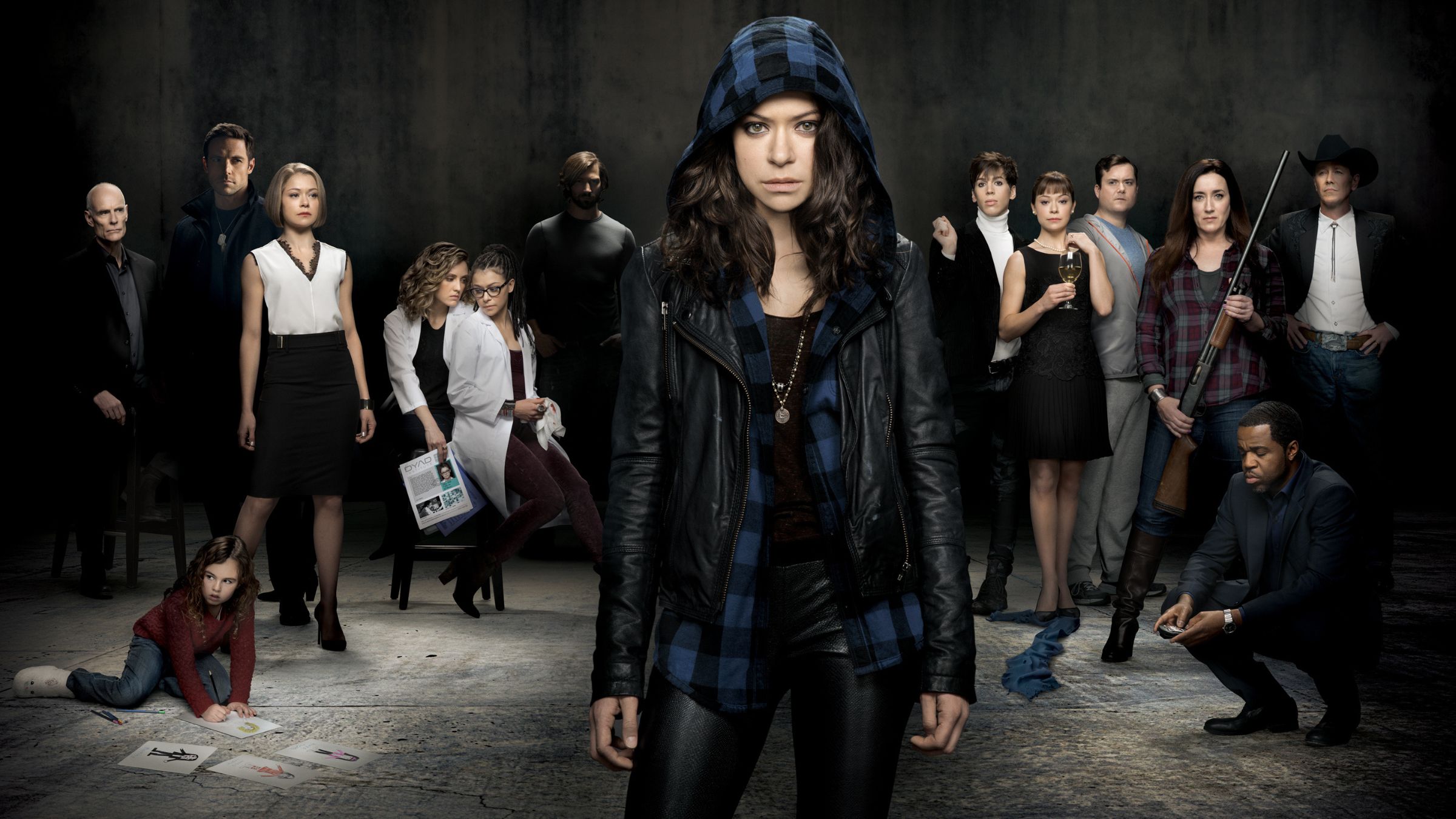
The series Orphan Black thoughtfully examines the ethical issues surrounding human cloning, all while maintaining a compelling central mystery throughout its five seasons. Creators John Fawcett and Graeme Manson expertly built the show’s complex mythology, skillfully answering questions instead of leaving them hanging. A key to the show’s success is Tatiana Maslany’s incredible performance as Sarah Manning and her clones. She convincingly portrays each character as a unique individual, and the production team used innovative technology to seamlessly show these ‘sisters’ interacting. Ultimately, Orphan Black uses its storyline to explore important themes of corporate control over the human body and the importance of female independence, with each episode contributing to these larger ideas.
4) Fringe
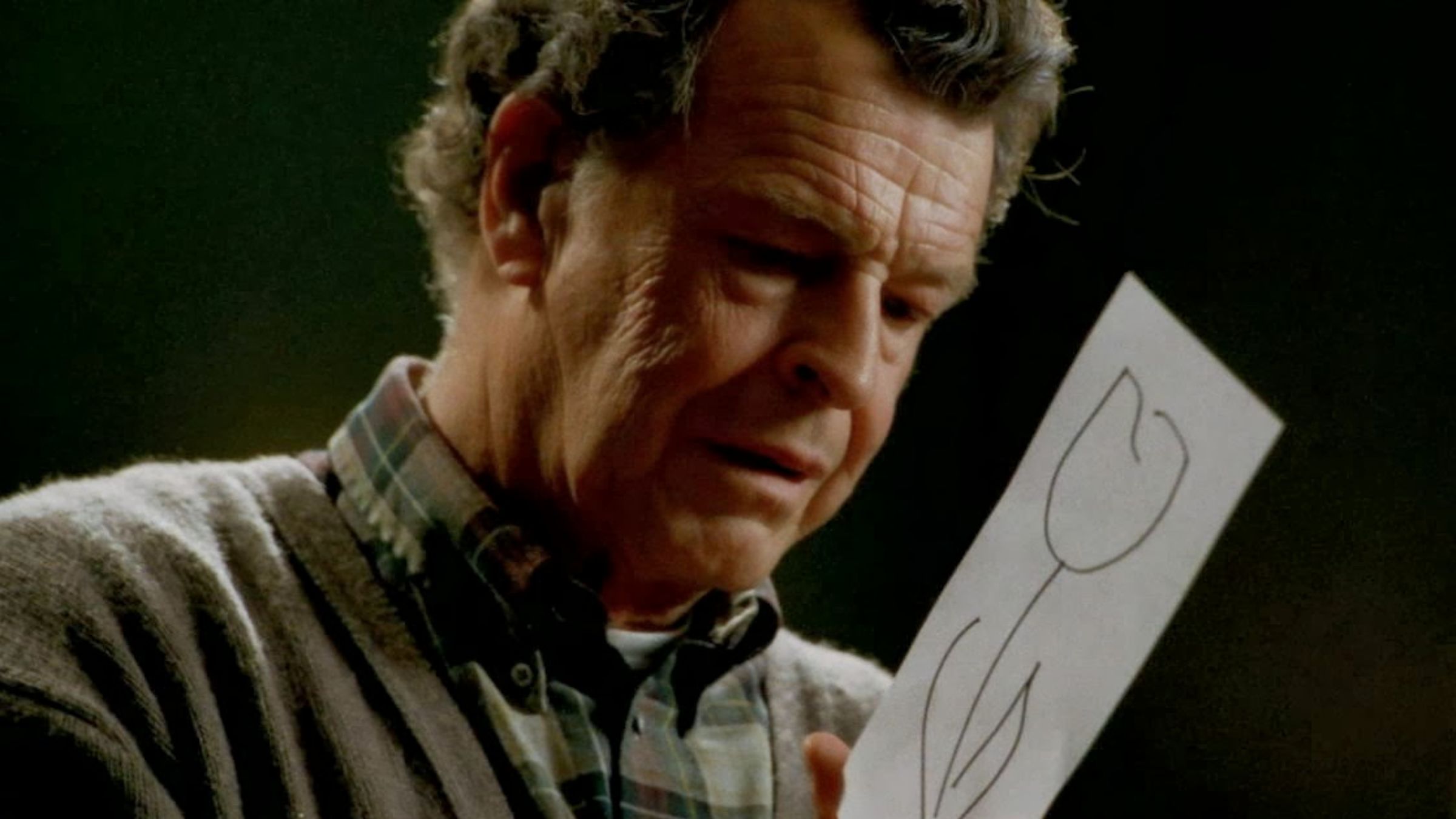
As a huge fan of smart sci-fi, I’ve always been amazed by how Fringe managed to completely reinvent itself. It started as a show where each episode felt like a self-contained case, but it brilliantly evolved into this huge, season-long story about a war between dimensions. What’s even more impressive is that even with all the crazy science – things like quantum entanglement and messing with timelines – the show never lost sight of the heart of it all: the complicated relationship between Walter Bishop, his son Peter, and Olivia Dunham. It really proved to me that strong characters are what keep a show engaging over the long haul. The writers were masters at making these huge, theoretical concepts feel personal, because every scientific crisis always tied back to the characters’ emotional baggage. And they weren’t afraid to shake things up! They completely revamped the timeline in season four and took the show into a really dark, dystopian future for its final season. That willingness to reinvent itself kept the mythology fresh and made all 100 episodes feel essential to the overarching tragedy of the Bishop family. It’s a show I still think about constantly.
3) Person of Interest
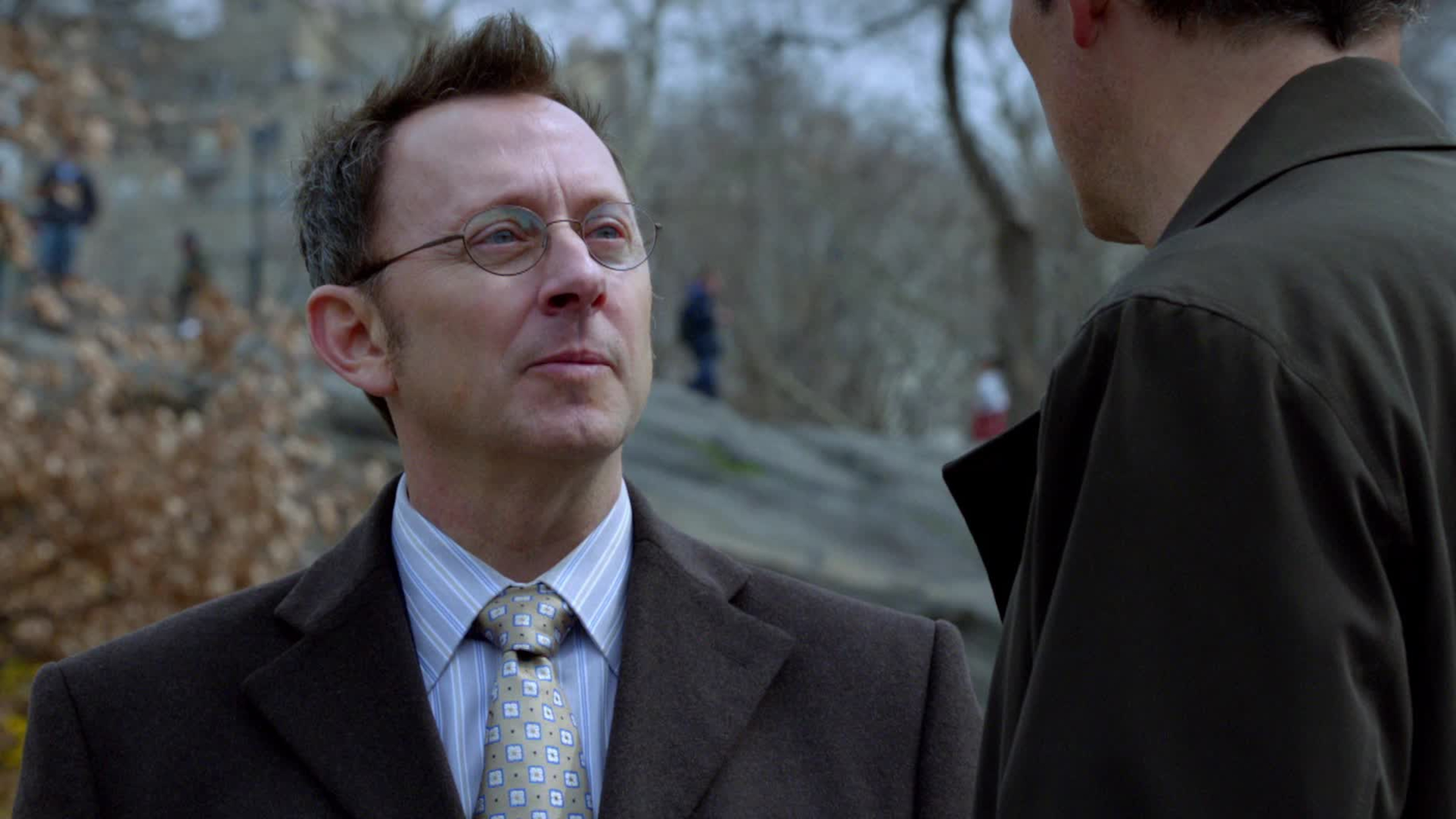
Jonathan Nolan’s Person of Interest started as a typical CBS crime show but cleverly evolved into a surprisingly accurate and intense cyberpunk story. The series begins with Harold Finch (Michael Emerson), a wealthy, private man who creates an AI to predict terrorist attacks. He soon discovers it also identifies everyday crimes. Teaming up with ex-CIA agent John Reese (Jim Caviezel), Finch tries to help the people the AI flags. What starts as a simple vigilante story gradually shifts into a hidden war between powerful computers. By the time a competing AI called Samaritan appears, the show completely moves beyond its initial crime-of-the-week format, exploring big ideas about free will, how algorithms could govern our lives, and the dangers of total security. This change is handled expertly, using the familiar structure of the early episodes to develop the characters before dramatically changing the show’s direction.
2) Babylon 5

J. Michael Straczynski revolutionized television with Babylon 5, essentially writing it as a five-year novel. The series, set on a giant space station meant for diplomacy between alien civilizations, tells the story of a slide into war and the difficult fight for peace. Because Straczynski planned the entire story arc from the beginning, he could subtly hint at future events in early episodes, creating powerful emotional moments later on. Even when the show faced potential cancellation and a shortened season, he managed to maintain his overall vision. This allowed the complex political relationships between groups like the Narn, Centauri, and Minbari to create a compelling story about the dangers of unchecked power, keeping the large-scale conflict focused and meaningful.
1) The Expanse

Considered by many to be the best space opera of recent times, The Expanse offers a realistic and uncompromising look at humanity’s future in space, staying true to scientific principles. The story centers on the growing conflict between Earth, Mars, and the people living in the outer solar system, and is complicated by the discovery of a strange alien material that could trigger a devastating war. Despite being canceled by one network and then saved by another, the show maintained its ambitious scope and well-developed characters. Action scenes feel genuinely intense because the series accurately portrays the physics of space travel, making battles feel like complex, high-stakes maneuvers. What truly sets The Expanse apart is its detailed world-building; the show carefully explores the far-reaching consequences of every major event, from political killings to scientific advancements and military actions.
Read More
- 10 Most Powerful Versions of Superman, Ranked
- Gold Rate Forecast
- GBP CNY PREDICTION
- 10 Best Free Games on Steam in 2026, Ranked
- 007 First Light: Release Date, Story, Gameplay, Cast, Editions, and Platforms
- Superman’s 7 Best Power-Ups, Ranked
- Forza Horizon 6 Car List So Far: Confirmed Highlights, Cover Cars, DLC, and Rewards
- 10 Greatest Manga Endings of All Time
- DOGE PREDICTION. DOGE cryptocurrency
- 10 Greatest Wii U Games of All Time, Ranked
2026-05-30 21:15