
Hollywood has increasingly relied on turning animated movies into live-action films as a way to guarantee profits, recognizing that well-known stories appeal to multiple generations. Disney has led this trend, remaking most of its classic animated films into big-budget movies over the last 15 years, with plans for Moana in 2026 and Tangled currently in development. These remakes were hugely successful throughout the 2010s, with Beauty and the Beast, Aladdin, and The Lion King each earning over a billion dollars. However, critics have consistently pointed out that these films often lack originality and creative depth.
The Lion King perfectly illustrates this issue. While its incredibly realistic animation was praised visually, many felt it hindered the animals’ ability to show emotions effectively. The 2024 sequel, Mufasa, showed the franchise’s declining popularity, earning $723 million with a $200 million budget – a decent result on its own, but a significant drop from the original’s $1.66 billion success. This inconsistency continued in 2025, with Snow White losing around $100 million at the box office, while Lilo & Stitch surprisingly earned over $1 billion. These varied outcomes demonstrate that the studio hasn’t found a consistent creative formula to support its commercial goals. However, it’s worth noting that some of these live-action remakes have been genuinely successful.
5) Beauty and the Beast
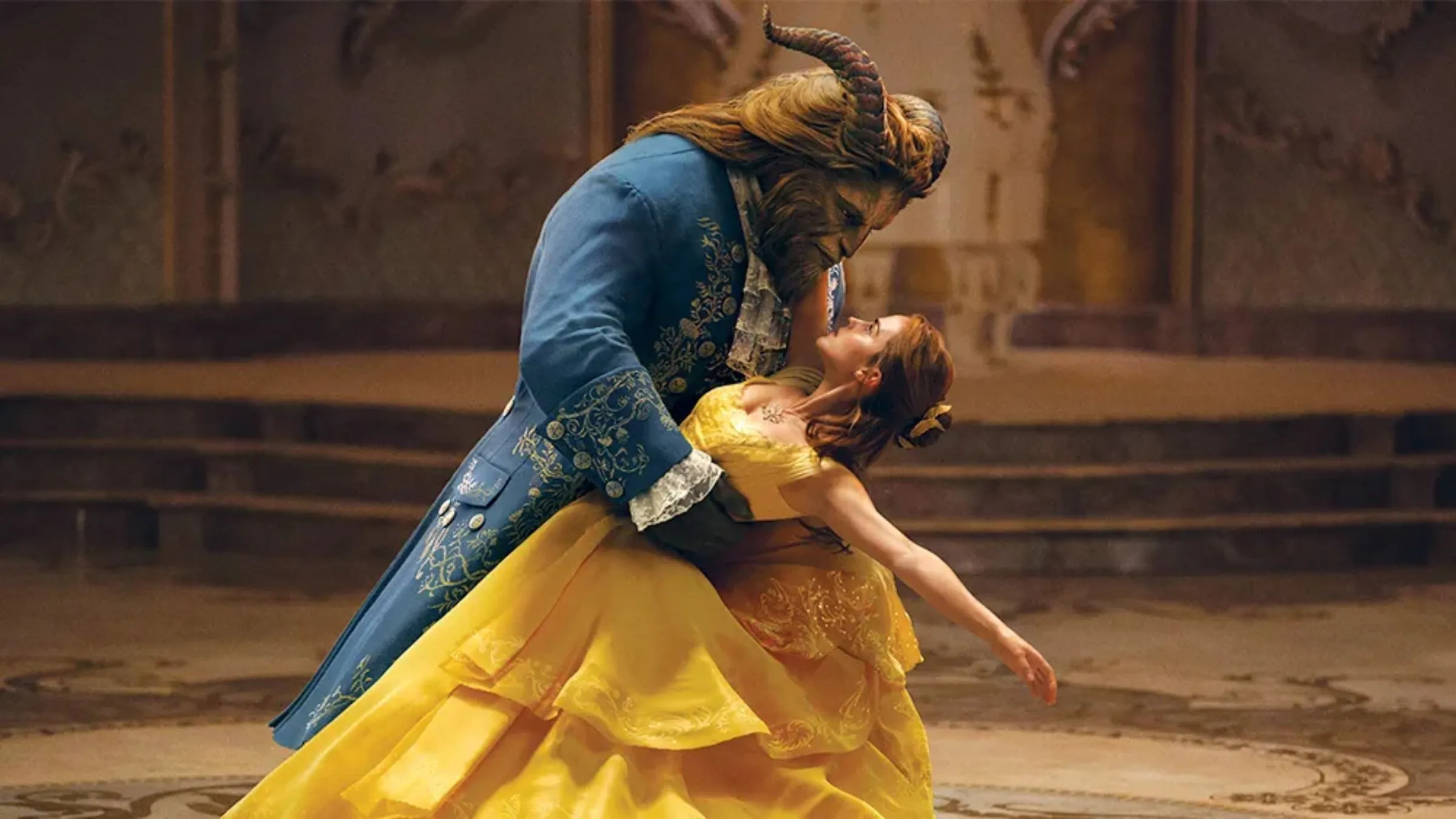
As a critic, I have to admit Bill Condon’s Beauty and the Beast (2017) was a massive success – it earned over $1.2 billion globally, making it Disney’s most profitable live-action remake after The Lion King. What impressed me most was how Condon didn’t try to reinvent the wheel. He brilliantly built the film around the beloved songs from the 1991 animated classic, written by Howard Ashman and Alan Menken. He smartly expanded on the story too, giving us more detail about the castle’s history and the Beast’s past. Plus, the cast – Emma Watson as Belle, Dan Stevens as the Beast, and supporting stars like Ewan McGregor, Ian McKellen, and Emma Thompson – all fully embraced the film’s romantic heart without a hint of cynicism, which really worked.
While closely following the original story, the live-action Beauty and the Beast remake also suffers because of it – some critics wondered if it needed to be made at all, as it largely retold the same scenes. This criticism is understandable. However, the film still stands out due to its consistently high quality and the fact that the emotional heart of the story wasn’t lost in the adaptation, something many other live-action remakes fail to achieve.
4) How to Train Your Dragon
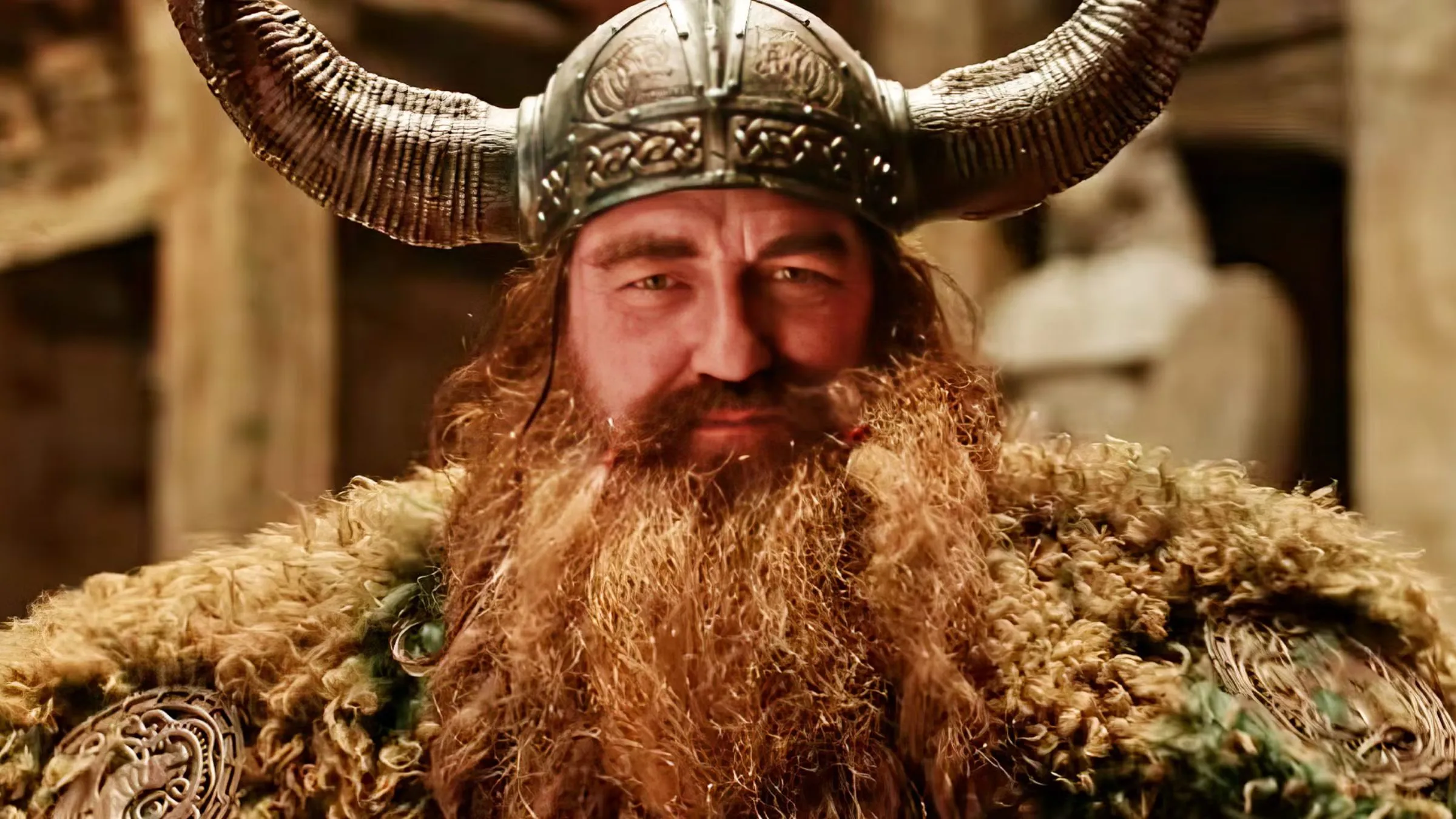
Dean DeBlois, who directed the original How to Train Your Dragon and its sequels, chose to direct the 2025 live-action version himself – it wasn’t a studio request. This is important because it changes how we view the film. DeBlois believed the story of a boy befriending a wounded dragon would be particularly powerful with realistic visuals. In the animated films, their connection was shown through character design, but in the live-action version, he wanted to emphasize their physical presence and built the entire movie around that idea.
Both Mason Thames, as Hiccup, and Nico Parker, as Astrid, star in the new How to Train Your Dragon. Notably, Gerard Butler returned as Stoick, a choice that maintained a connection to the original film – something most remakes avoid. Audiences gave the film an ‘A’ grade from CinemaScore, and critics largely praised director Dean DeBlois for creating a remake that matched the quality of the first movie. Unlike most live-action remakes driven by profit, this one was made because the director had a clear vision for why the story needed to be retold.
3) Cinderella
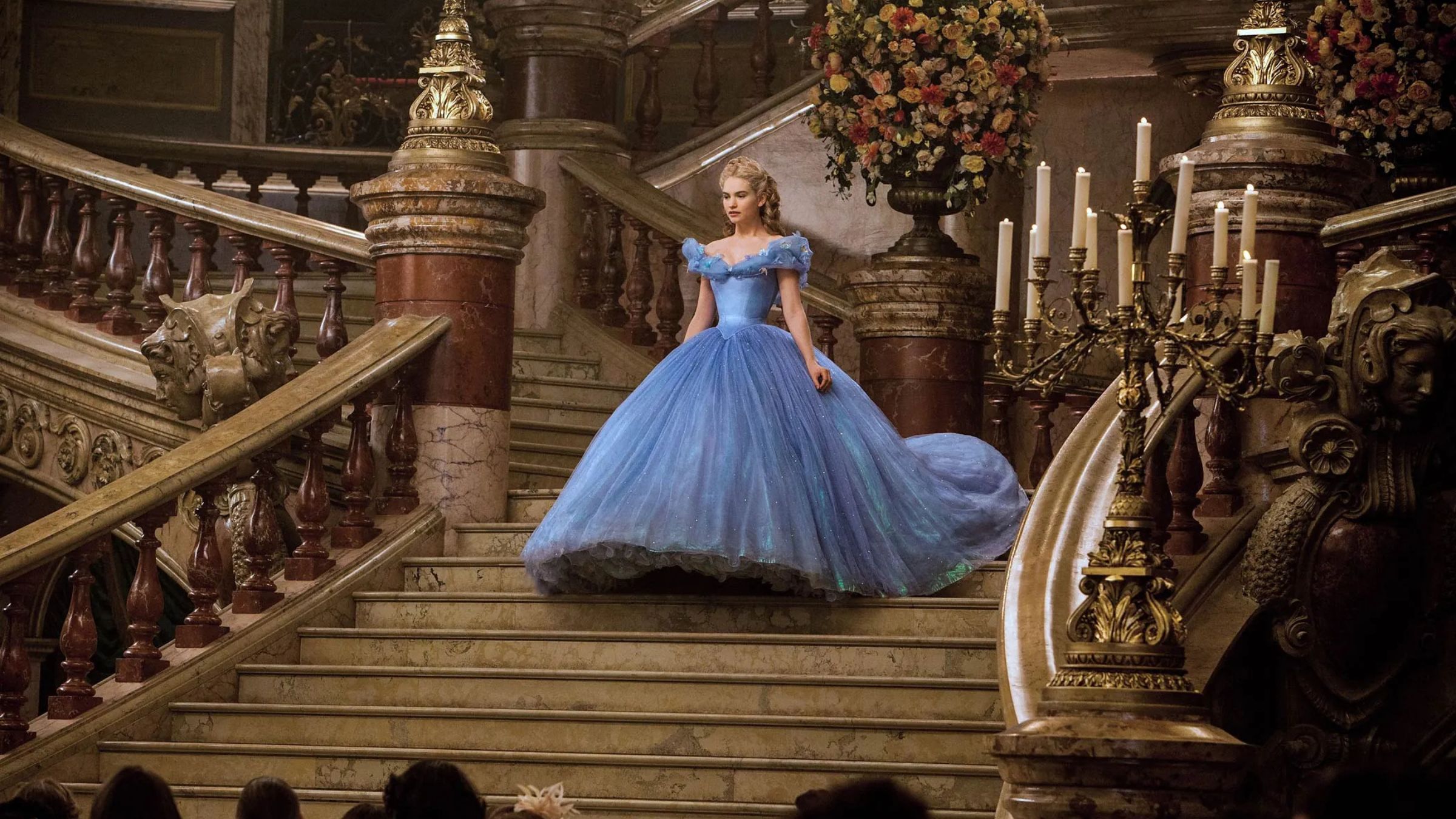
Kenneth Branagh’s Cinderella came out early in Disney’s trend of live-action remakes, giving him the freedom to create a film with his own artistic vision instead of simply following a corporate plan. He embraced the fairytale’s heartfelt romance, even though many princess stories at the time were being reinterpreted with a more modern, critical lens. This choice resulted in a well-received film – it earned an 84% rating on Rotten Tomatoes – and a beautiful look achieved through detailed sets and costumes, with Sandy Powell’s costume design even receiving an Oscar nomination.
Lily James and Richard Madden deliver honest and compelling performances, bringing depth to their characters that the original 1950 film lacked. Unlike the animated Cinderella, who is mostly acted upon by events, this version gives both leads inner lives and makes their connection the driving force of the story. This focus on their relationship is a much-needed improvement to the source material and explains why this remake is more successful than many others.
2) Pete’s Dragon
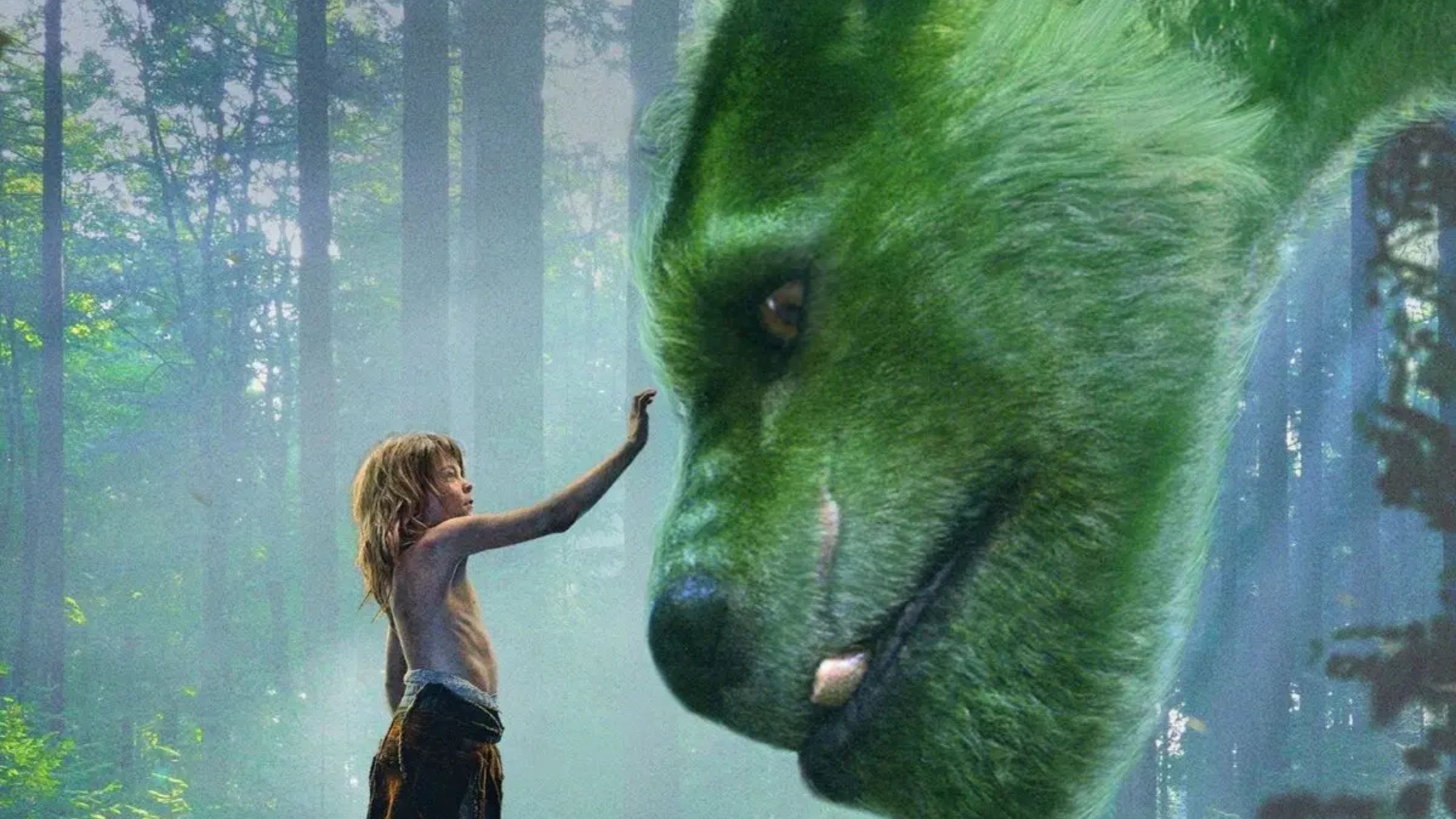
David Lowery’s Pete’s Dragon wasn’t burdened by strong audience expectations because the original 1977 film was largely forgotten. This allowed Lowery to create something truly unique – a gentle story set in the Pacific Northwest about a wild boy named Pete (Oakes Fegley) and his dragon friend, Elliot. Instead of a big, flashy adventure, the film focuses on Pete’s journey of growing up and finding his place in the world.
Robert Redford, Bryce Dallas Howard, and Karl Urban deliver understated performances in Pete’s Dragon, mirroring director David Lowery’s filmmaking approach. The film’s depiction of Elliot – covered in soft fur instead of scales and designed to be endearing rather than frightening – created one of the most impressive CGI creatures in recent years. While Pete’s Dragon earned $143.7 million globally – a relatively modest amount for Disney – critics widely praised it as a significant improvement over the original. This remake isn’t just a copy; it builds upon the initial idea and explores new territory the 1977 film didn’t attempt. Lowery focused on expanding the core concept instead of simply recreating the past.
1) The Jungle Book

Jon Favreau’s The Jungle Book stands out as the most successful live-action remake to improve upon its animated original. The film was created by filming young actor Neel Sethi acting against green screens in a studio, and then digitally building a remarkably realistic jungle around him. This impressive visual work even won an Academy Award. Beyond the technology, the voice actors—including Bill Murray, Ben Kingsley, Idris Elba, and Scarlett Johansson—brought a new level of complexity to their characters. This version of The Jungle Book drew more inspiration from Rudyard Kipling’s original stories than the classic Disney cartoon did.
Disney’s 1967 animated film, The Jungle Book, was a lighthearted musical where things mostly happened to the main character, Mowgli, rather than him actively making things happen. The 2016 live-action remake directed by Jon Favreau transformed the story into a more intense survival tale with a much higher-stakes ending. The remake was a huge financial success, earning $966 million globally and becoming one of the top-grossing films of 2016. While a sequel was planned, it currently appears to be stalled.
What’s your favorite live-action version of an animated film? Share your thoughts in the comments and join the discussion on the ComicBook Forum!
Read More
- The Super Mario Galaxy Movie: 50 Easter Eggs, References & Major Cameos Explained
- 10 Best Free Games on Steam in 2026, Ranked
- Surprise Isekai Anime Confirms Season 2 With New Crunchyroll Streaming Release
- Sydney Sweeney’s The Housemaid 2 Sets Streaming Release Date
- Preview: Sword Art Online Returns to PS5 as a Darker Open World Action RPG This Summer
- Why is Tech Jacket gender-swapped in Invincible season 4 and who voices her?
- Welcome to Demon School! Iruma-kun season 4 release schedule: When are new episodes on Crunchyroll?
- Skate 4 – Manny Go Round Goals Guide | All of the Above Sequence
- Highly Anticipated Strategy RPG Finally Sets Release Date (And It’s Soon)
- Shonen Jump Officially Cancels Yet Another Major Series in 2026 (& Fans Saw It Coming)
2026-03-20 23:17