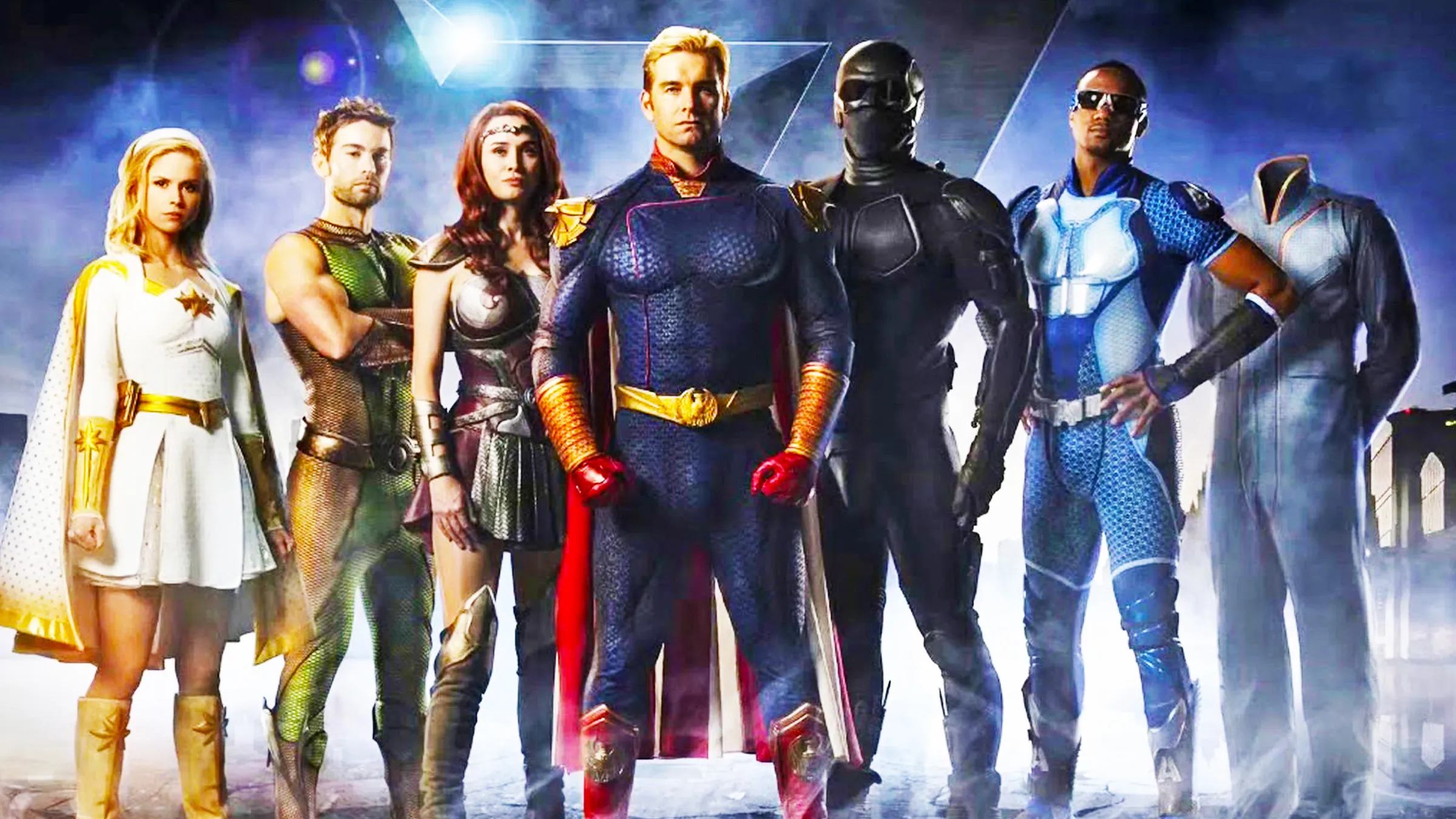
As a reviewer, I’ve been consistently impressed with how Prime Video’s The Boys has taken the original comic book and really built on it, instead of just copying it panel for panel. The comics, created by Garth Ennis and Darick Robertson, were a pretty harsh takedown of the superhero world itself, but the show smartly pivots. It’s less about the comics industry and more about how celebrity, the media, and extreme politics all collide. Honestly, I think that shift is key to why the show works so well today. The creators clearly understand that things have changed since the comic came out, and they’ve been brilliant at figuring out what still resonates and what needed a refresh for a modern TV audience. They’ve kept the core idea alive while making it feel incredibly relevant right now.
As The Boys has developed, it’s made significant changes to its own rules and how things look on screen. For instance, the character Stormfront, originally a Nazi villain in the comics, was reimagined as a modern extremist played by Aya Cash, and Madelyn Stillwell was turned into a more complex, manipulative mother figure. The show also created entirely new storylines, like Becca Butcher surviving and the introduction of her son, Ryan. A major shift occurred when the show stopped the main characters from routinely using Compound V, making them vulnerable outlaws instead of government-backed superheroes. Despite these changes, the core personalities of the show’s main characters have stayed surprisingly true to their original form.
5) The Legend
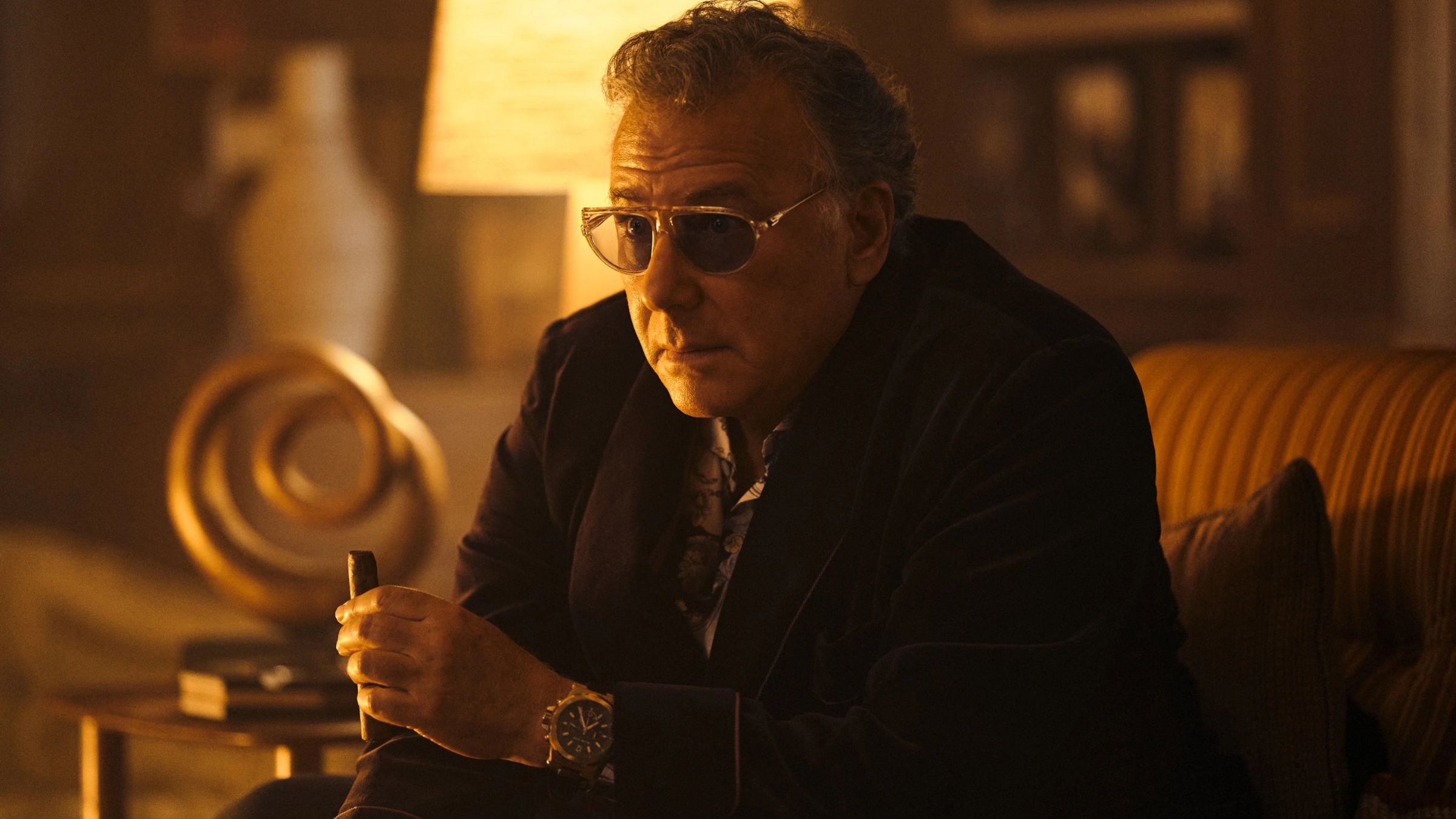
Known simply as The Legend, this character is a walking history book of Vought’s scandals, and Paul Reiser perfectly embodies the jaded, world-weary feel of someone who’s seen it all. Originally a parody of comic book industry icons, The Legend used to run a messy comic shop and give Butcher the background he needed to fight the Seven. The TV show reimagines him as a former Vought executive living in a luxurious apartment, but his purpose remains the same: he despises the heroes he helped build and understands exactly how Vought covers up its mistakes. This insider knowledge is crucial to the show The Boys, linking the current superhero landscape to Vought’s earlier days – the so-called “Golden Age.”
4) Mother’s Milk

Laz Alonso plays Mother’s Milk, the team’s organized and detail-oriented coordinator, who acts as a paternal figure for the group. Similar to the comic books, his life is relatively stable until Butcher returns, and the show highlights his strong desire to protect his daughter and ex-wife. His need for order is portrayed as a way to cope with the surrounding chaos, a characteristic taken directly from the source material. Mother’s Milk also acts as a voice of reason, keeping Butcher’s more reckless impulses in check and helping the team function effectively under stress. Although his backstory differs from the comics, the show accurately captures his internal struggle between his commitment to the mission and his love for his family.
3) Annie January, aka Starlight
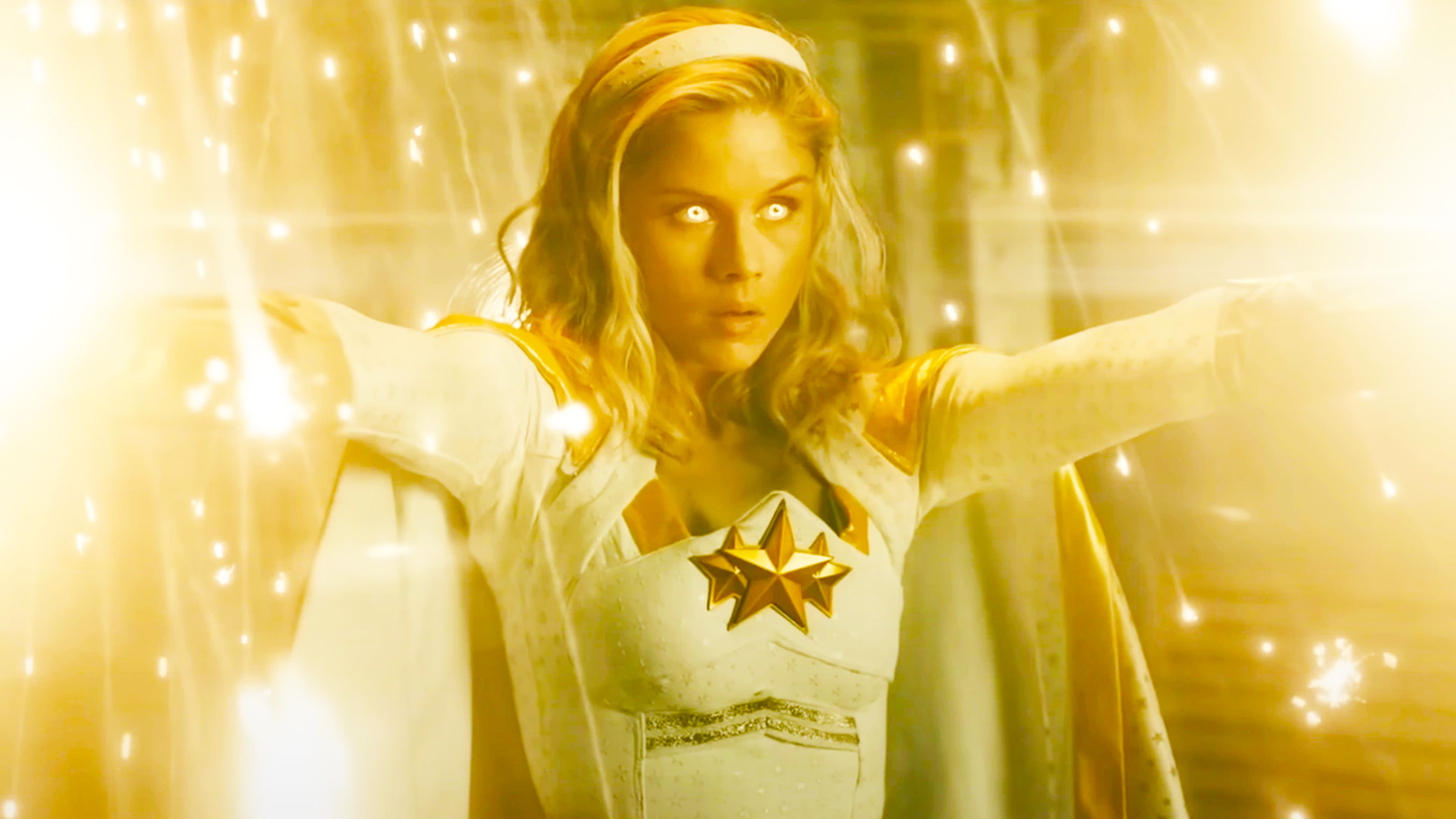
Starlight, whose real name is Annie January (played by Erin Moriarty), serves as the heart of the story, consistently striving to do what’s right. Both the comic book and the TV series focus on her transformation from an optimistic newcomer to someone who becomes deeply disillusioned. Once she joins the Seven, Annie quickly learns that the world of superheroes is filled with abuse and a lack of concern from those in charge. This forces her to question her upbringing and her desire to help others in the face of her colleagues’ problematic behavior. The show gives her a larger role as a leader of a rebellion, but she remains true to the hopeful and determined character from the comics. Her connection with Hughie Campbell (Jack Quaid) keeps her grounded and makes her stand out as one of the few genuinely heroic members of the Seven.
2) Billy Butcher

Billy Butcher is the driving force behind the darkness in The Boys, and Karl Urban perfectly captures the intense, unforgiving nature of the character from the comic books. Butcher is a brilliant strategist fueled by a deep hatred for Supes, and he’s often willing to manipulate those around him to get what he wants. The TV show stays true to this ruthless side, portraying him as a man whose wife, Becca’s, death sparked a worldwide mission against Vought. While the series extends Becca’s life beyond what happens in the comics—where she tragically dies in childbirth—Butcher’s response to loss remains consistent. He’s a man who prioritizes results over ethics, and the show consistently portrays his darker tendencies, ensuring the TV version of Butcher stays true to the core of the original anti-hero.
1) Homelander

Antony Starr’s portrayal of Homelander has become iconic, perfectly capturing the character’s complex psychology from the original comics. In the comics, Homelander is a deeply insecure narcissist whose incredible powers stem from a constant need for approval and a lack of direction. The show mirrors this brilliantly, highlighting his frightening unpredictability and how he views people as simply tools for his own gain. Although some details of his backstory and future are different – notably, the show omits the twist involving Black Noir being a clone – the core of Homelander as a detached, god-like figure remains remarkably faithful to the source material. Starr masterfully embodies the chilling combination of a polished public image and complete lack of empathy, making Homelander a truly unforgettable warning about the dangers of unchecked power in any story.
If you could change one character from the Prime Video series The Boys to be more like their comic book counterpart, who would it be? Share your thoughts in the comments and join the discussion in the ComicBook Forum!
https://comicbook.com/tv-shows/list/7-superhero-tv-shows-that-totally-changed-the-genre/embed/#
Read More
- What Song Is In The New Supergirl Trailer (& What It Means For The DC Movie)
- Dune 3 Gets the Huge Update Fans Have Been Waiting For
- Highly Anticipated Strategy RPG Finally Sets Release Date (And It’s Soon)
- TV legend Carol Kirkwood reveals the reasons why she decided to retire after 28 years with BBC
- Why is Tech Jacket gender-swapped in Invincible season 4 and who voices her?
- Robert Pattinson’s The Batman 2 Suit ‘Evolution’ Gets an Answer From Designers
- Game of the Month: Crimson Desert (March 2026)
- Demon Slayer Star Reacts to Infinity Castle Movie Return for Surprising Role
- Jinger Duggar Explains Why Jeremy Vuolo Upgraded Her Wedding Band
- Avengers: Doomsday Release Date Change Being Discussed – Report
2026-02-24 21:40