
The huge success of Star Wars led TV networks to try and create their own big-budget science fiction shows, like Battlestar Galactica and Buck Rogers in the 25th Century. But making effects as good as a movie for a full season of 22 episodes turned out to be too expensive, causing many shows to be quickly cancelled and making studios hesitant to commit to ongoing sci-fi series. To avoid these financial risks while still capitalizing on the genre’s popularity, producers began focusing on limited-run miniseries in the 1980s. This allowed networks to spend more money on a smaller number of episodes, offering greater control over production costs.
The limited number of episodes changed how science fiction shows were written for television. Writers moved away from self-contained stories – where everything reset each week for reruns – and began crafting ongoing narratives, similar to novels. This format also allowed showrunners to create complex stories that reflected the fears of the time, like the Cold War and concerns about government corruption. Ultimately, this period proved that serialized science fiction could be successful on TV, paving the way for the ambitious, high-quality genre shows we see today.
5) Amerika
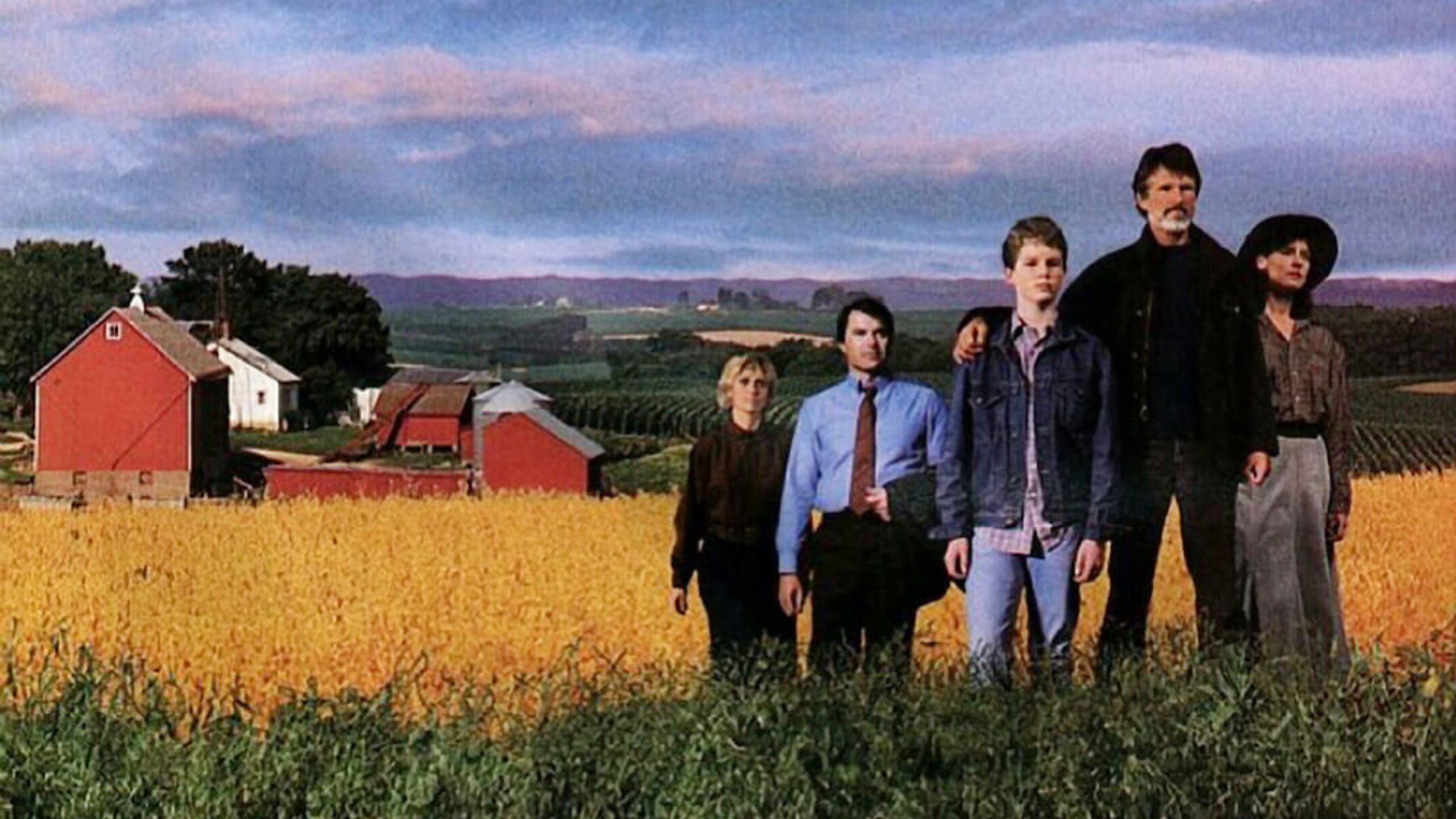
The 1987 television miniseries Amerika, broadcast by ABC, was a hugely ambitious and controversial event during the Cold War. Costing $40 million and lasting over fourteen hours, it imagined a United States taken over by the Soviet Union ten years after the fact. The story follows Devin Milford (played by Kris Kristofferson), a former politician freed from a prison camp who unexpectedly becomes a leader in the resistance against the Soviet-controlled government. Instead of focusing on action, the show created tension by portraying the everyday oppression and betrayals within the new system. This approach, focusing on political maneuvering rather than spectacle, sparked debate when it aired, but ultimately made the series a strikingly pessimistic and insightful look at how institutions can fall apart.
4) The Day of the Triffids

In 1981, the BBC demonstrated that compelling science fiction doesn’t need a huge budget with its adaptation of The Day of the Triffids. Based on John Wyndham’s classic novel, the story begins with a stunning meteor shower that causes most of the world to go blind. This leaves humanity vulnerable to the Triffids – walking, carnivorous plants with poisonous stingers. The series follows Bill Masen (John Duttine), a biologist who keeps his sight because he was bandaged during the meteor shower, as he struggles to survive in a collapsing London. Rather than relying on costly special effects, the production team focused on building psychological tension and using practical plant puppets, choices that have helped the miniseries remain effective over time.
3) The Martian Chronicles
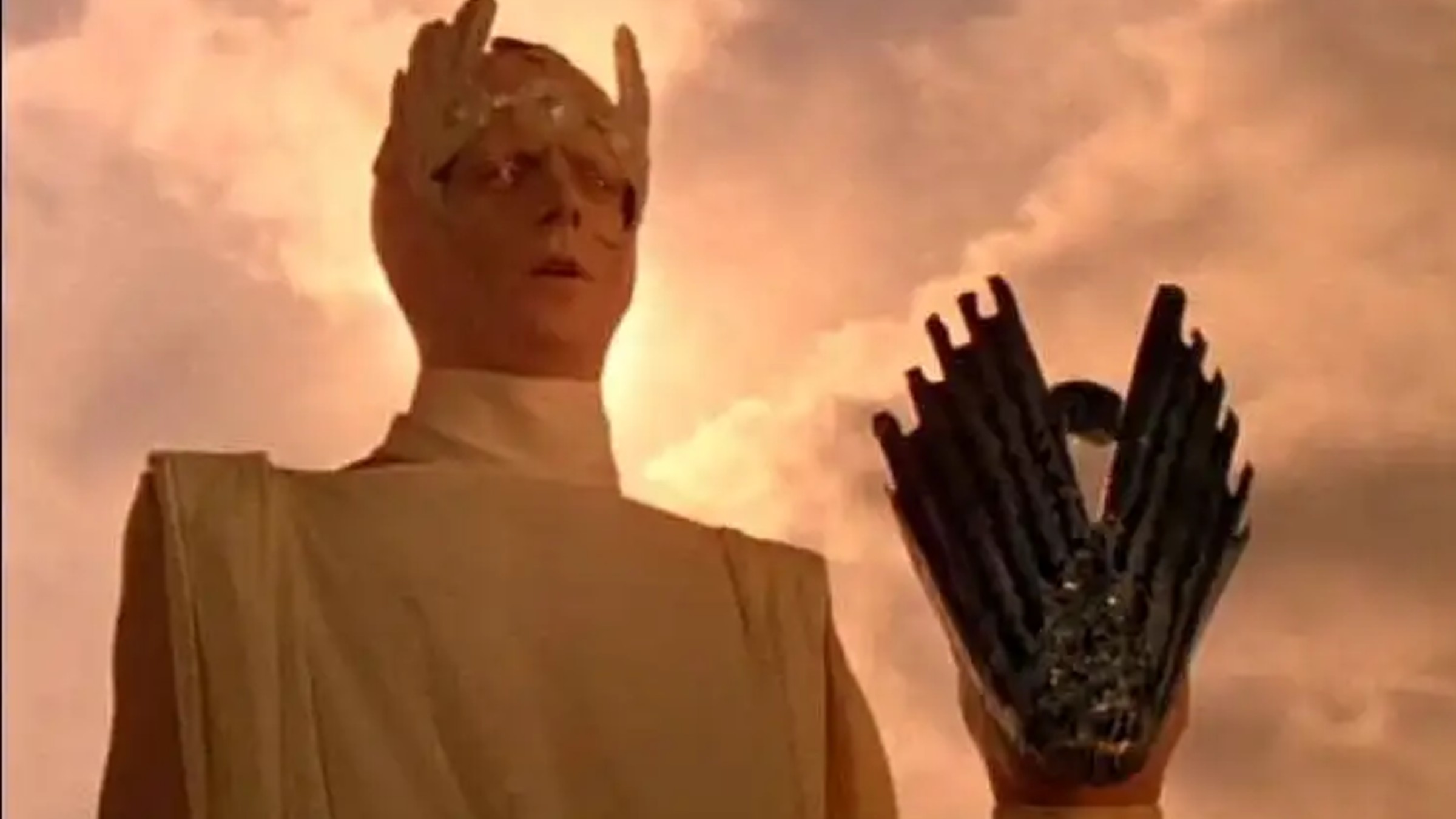
Turning Ray Bradbury’s famous collection of stories into a single, connected movie was a huge undertaking, but NBC’s 1980 broadcast of The Martian Chronicles did it well. The three-part miniseries centers on Colonel John Wilder (Rock Hudson) and follows a series of disastrous missions to Mars, as well as the heartbreaking interactions with the planet’s psychic inhabitants. Written by the talented Richard Matheson, the script weaves Bradbury’s separate stories together into a powerful statement about the dangers of unchecked expansion and environmental damage. The result is a thought-provoking look at first contact that focuses on the ethical implications rather than action, offering a surprisingly serious reflection on the harmful effects of imperialism.
2) The Hitchhiker’s Guide to the Galaxy
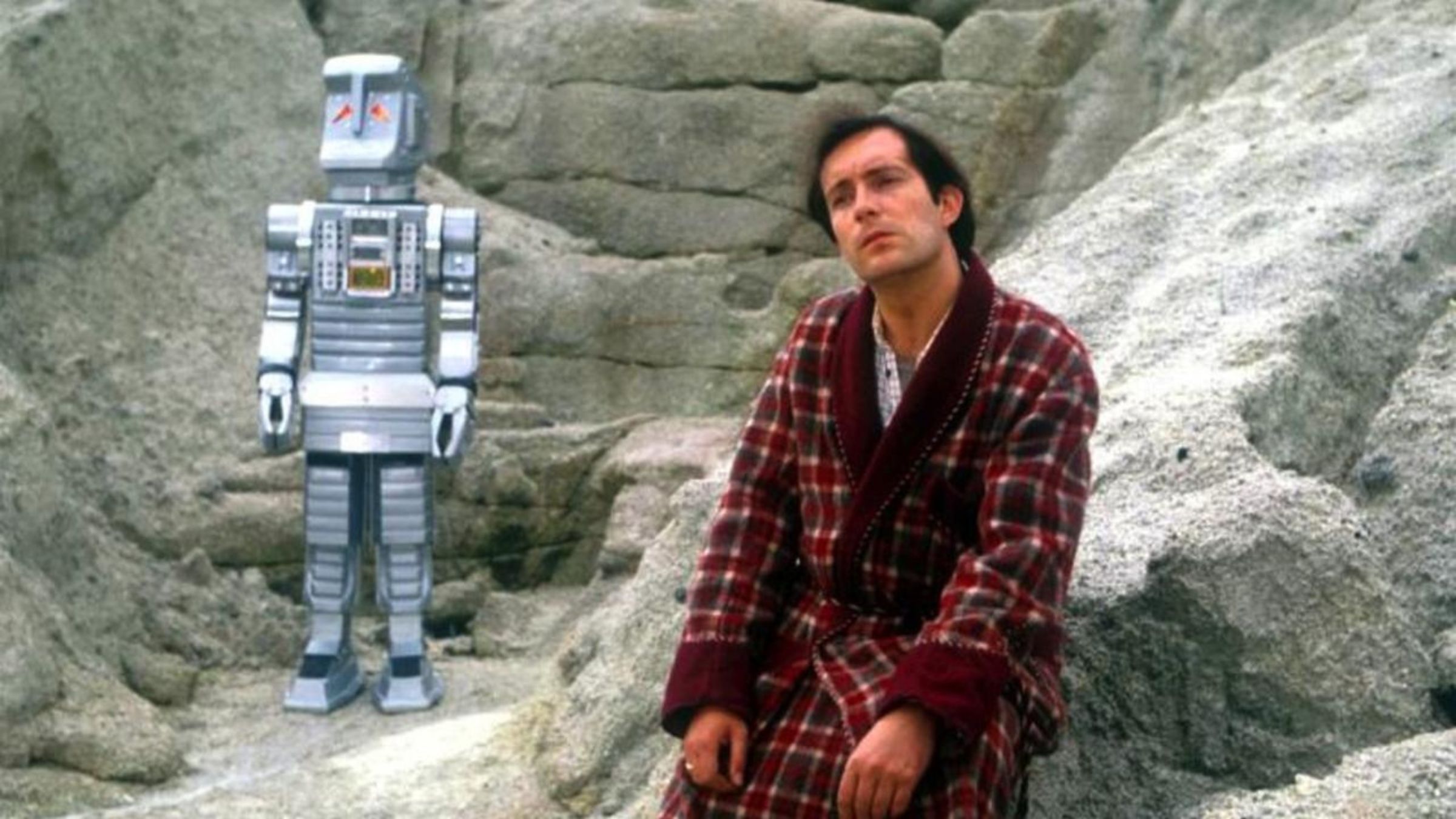
The BBC’s 1981 series, The Hitchhiker’s Guide to the Galaxy, brought Douglas Adams’ popular radio show to television with a quirky and imaginative six-part comedy. The story begins with the Earth being destroyed to make way for a new hyperspace route. Just before the planet vanishes, an average Englishman named Arthur Dent (Simon Jones) is saved by his friend Ford Prefect (David Dixon), who turns out to be an alien researcher for the electronic guidebook of the title. They team up and eventually meet Zaphod Beeblebrox (Mark Wing-Davey), the two-headed Galactic President, and Marvin, a robot plagued by sadness. The show brought this outlandish story to life using a lot of puppets and some groundbreaking computer graphics for the guidebook’s animated sections. Importantly, it demonstrated that science fiction could be a clever way to comment on society, inspiring many comedic shows that followed.
1) V
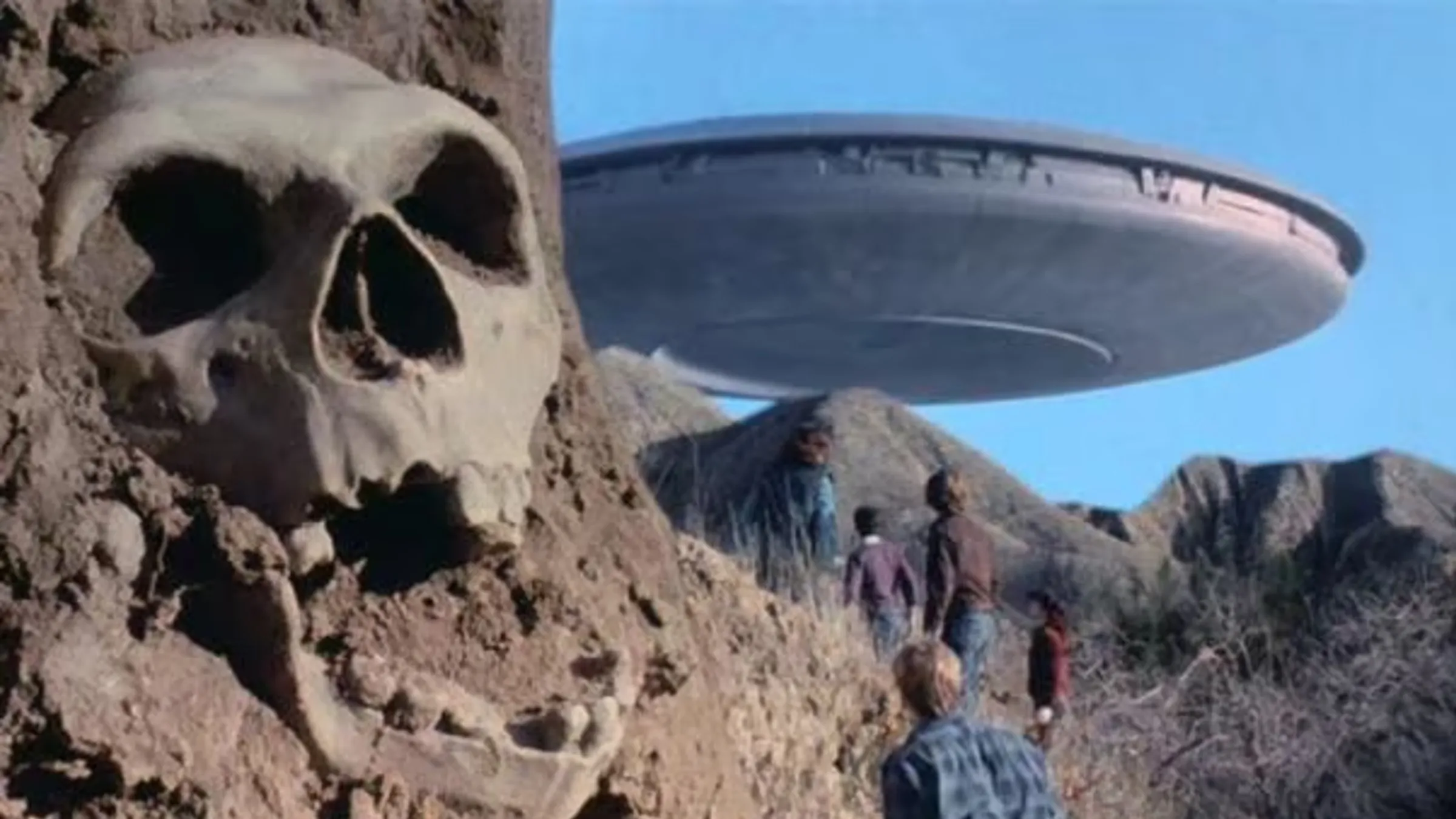
Kenneth Johnson’s V is widely considered the best science fiction miniseries of the 1980s. This two-part NBC event introduces the Visitors, aliens who initially appear friendly and offer Earth advanced technology in exchange for our resources. However, they slowly reveal their true, reptilian forms and malicious plans. The story follows investigative journalist Mike Donovan (Marc Singer) and powerfully illustrates the rise of fascism, showing how controlling governments use the media and prey on people’s biases. With a large budget, V also delivered memorable visual effects, like massive spaceships over cities and the shocking reveal of the aliens’ true appearances. The miniseries was a huge hit, quickly becoming a large multimedia franchise and making V one of the most important science fiction stories of the decade.
Read More
- Gold Rate Forecast
- 10 Most Powerful Versions of Superman, Ranked
- GBP CNY PREDICTION
- 007 First Light: Release Date, Story, Gameplay, Cast, Editions, and Platforms
- Forza Horizon 6 Car List So Far: Confirmed Highlights, Cover Cars, DLC, and Rewards
- DOGE PREDICTION. DOGE cryptocurrency
- Superman’s 7 Best Power-Ups, Ranked
- 10 Greatest Wii U Games of All Time, Ranked
- What happened to Soldier Boy in The Boys?
- Kingdom Come Deliverance Update 1.002 Enables Trophies to Be Transferred
2026-05-12 00:11