
The TV industry is built on constantly trying to grow, and a big hit often leads networks to keep a show going even after the original story has run its course. With streaming services like Netflix and Prime Video now focused on keeping subscribers long-term, this pressure has gotten even worse. Some shows successfully expand their worlds over many seasons, but many others suffer a decline after a strong start. This often happens because the creative team loses focus on what made the show good in the first place – the characters and their stories – and instead relies on complicated storylines or repeating the same plot points just to keep the show on the air.
It’s a familiar habit for devoted fans to pinpoint when a TV show starts to decline, particularly when later seasons are noticeably worse. The shows on this list are prime examples: their first seasons were exceptional, with smart writing and fresh visuals that really captured the public’s imagination. Unfortunately, following that success, later seasons often felt like they were struggling to recapture the same spark.
5) Wayward Pines
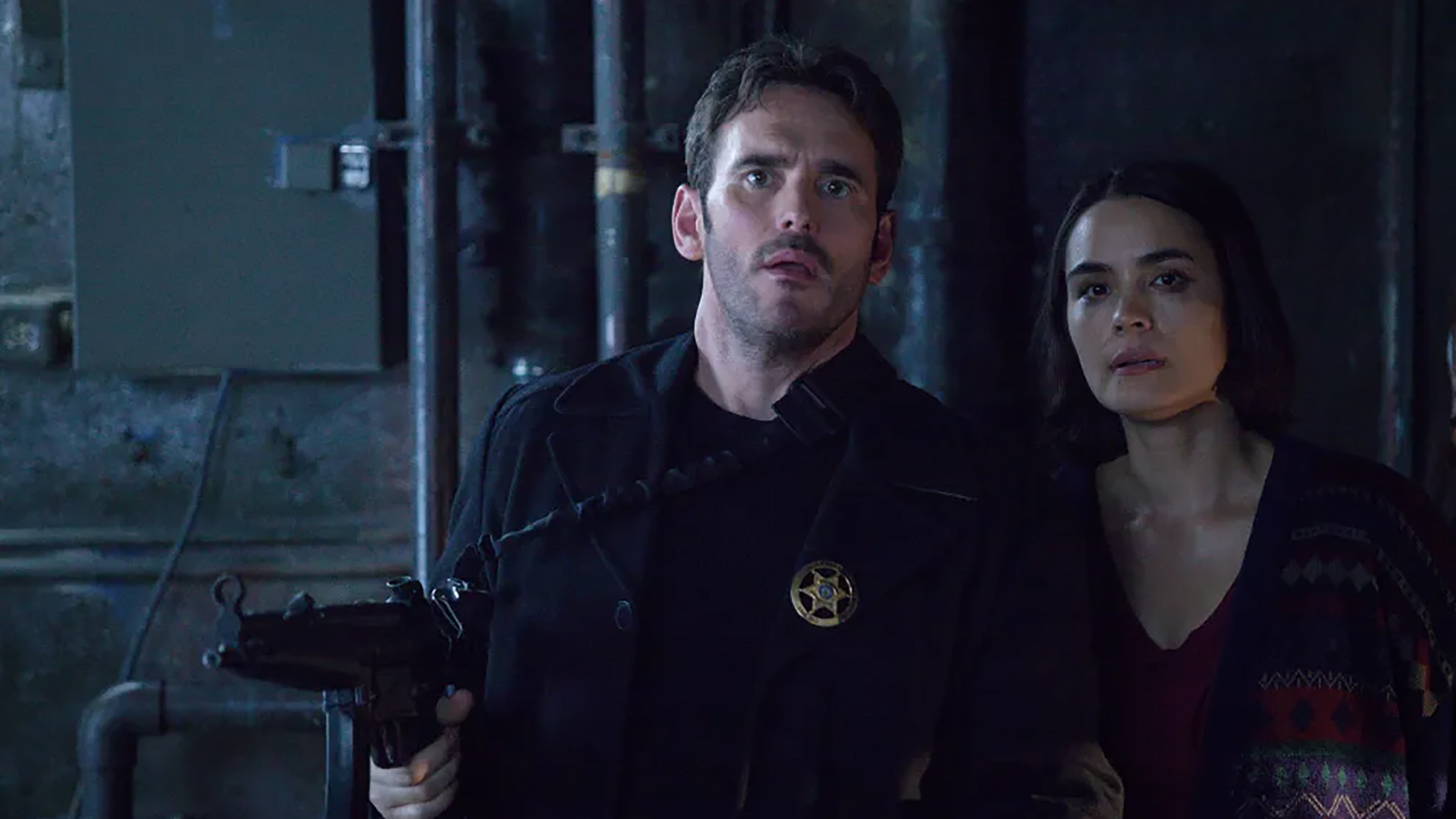
The first season of Wayward Pines was a compelling mystery, skillfully directed by M. Night Shyamalan to create a deeply unsettling atmosphere. Inspired by Blake Crouch’s novels, the series followed Secret Service agent Ethan Burke (Matt Dillon) as he looked into the strange happenings in a seemingly perfect town in Idaho, where reality itself seemed broken. What made the first season so strong was that it eventually provided clear answers – particularly the shocking reveal about the “Abbies” and the year 4028 – offering a satisfying, though frightening, solution to the main puzzle. Because the season closely followed the plot of the books, the show felt focused and gave Ethan Burke a clear, conclusive story arc.
Renewing Wayward Pines for a second season was a mistake. Without the central character Ethan Burke, the show struggled. The new lead, Dr. Theo Yedlin, didn’t have the same compelling curiosity, and the show moved away from a suspenseful psychological thriller to a predictable survival horror story. It focused too much on the town’s internal conflicts and the same old threats from the creatures outside the fence. By revealing its biggest mysteries too soon, Wayward Pines lost the gripping tension that made the first season so good, as it tried to build a story after the initial shock was over.
4) Bloodline
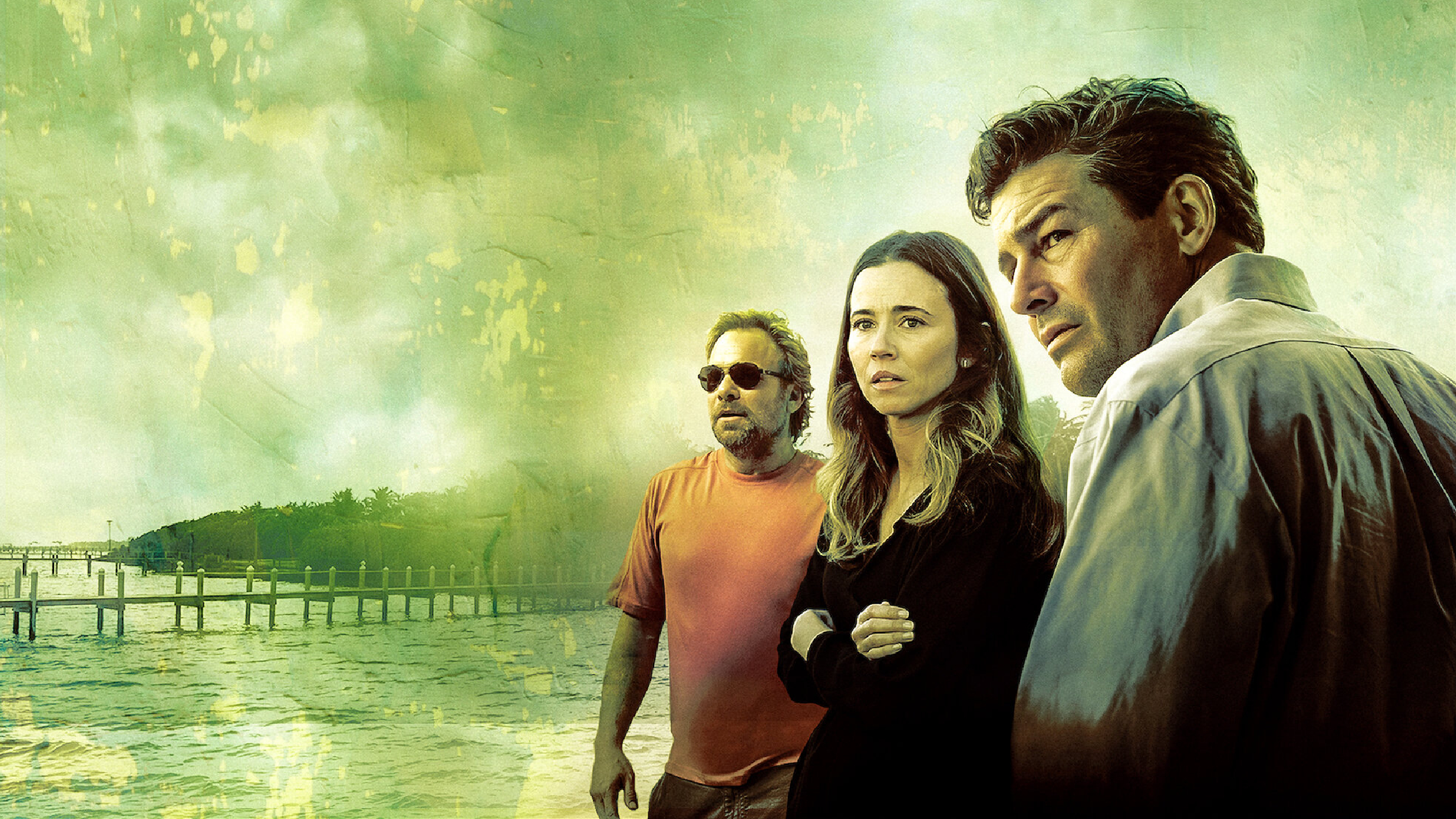
Netflix’s Bloodline initially gained attention as a high-quality, suspenseful family drama set in the tight-knit community of the Florida Keys. The first season centered on the Rayburn family, who appeared upstanding but concealed a troubled past filled with abuse and bitterness. The return of the oldest brother, Danny Rayburn (played by Ben Mendelsohn), sparked a series of events that led to the unraveling of his siblings’ morals. Mendelsohn’s performance was particularly praised, earning him an Emmy and creating a compelling, tragic villain that captivated viewers.
After the first season, Bloodline struggled to stay compelling, largely because its most fascinating character, Danny Rayburn, was gone. Without him, the show shifted to the aftermath of the crime – the legal battles and emotional consequences – which didn’t have the same gripping suspense. As the series went on, John and Meg Rayburn became less sympathetic, involved in awkward attempts to hide the truth, and lost the complex character development that made the first season so strong. The show also slowed down considerably, and introducing Danny’s son felt like a forced effort to recapture the original energy without actually having the character present.
3) 13 Reasons Why
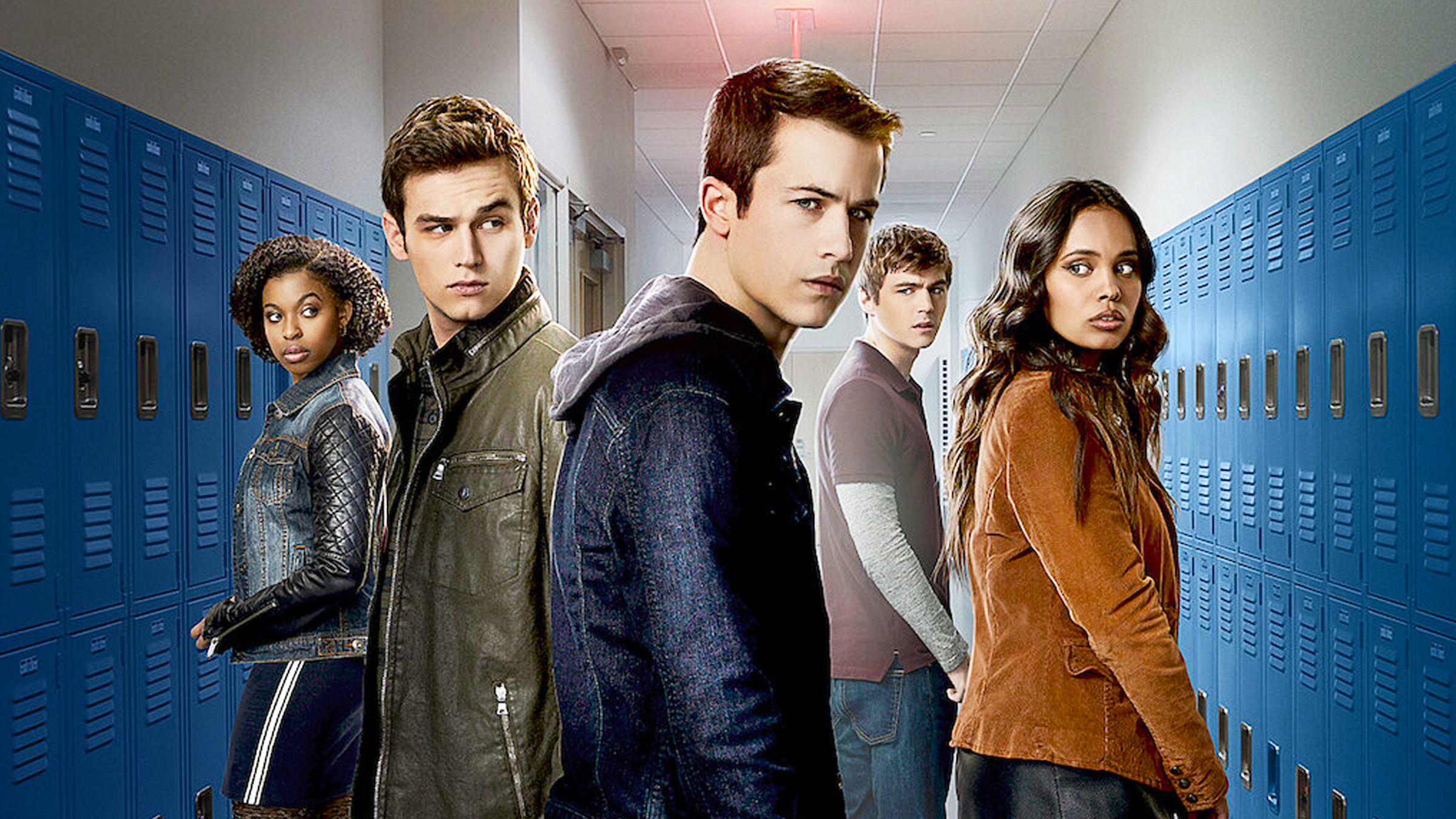
The first season of 13 Reasons Why powerfully adapted Jay Asher’s novel, tackling the difficult topic of teen suicide and highlighting problems within high school systems. The show’s unique structure – based around thirteen tapes recorded by Hannah Baker before her death – gave the story a clear beginning, middle, and end. This allowed viewers to see the impact of trauma through the perspective of Clay Jensen, sparking important conversations about mental health. Although the show’s intense content sparked discussion, the first season told a complete story, reaching a clear resolution after the final tape was played and the consequences for the school were revealed.
Continuing 13 Reasons Why beyond the first season actually weakened the impact of Hannah Baker’s original story. To keep the show going, writers had to change things that had already happened and add new secrets to Hannah’s tapes, creating reasons for more investigations. Eventually, the show moved away from realistic storytelling and became a complicated murder mystery centered around Bryce Walker’s death. By the final season, 13 Reasons Why had become a strange psychological thriller with hallucinations and secret groups, a far cry from the thoughtful character study that first attracted viewers.
2) Prison Break
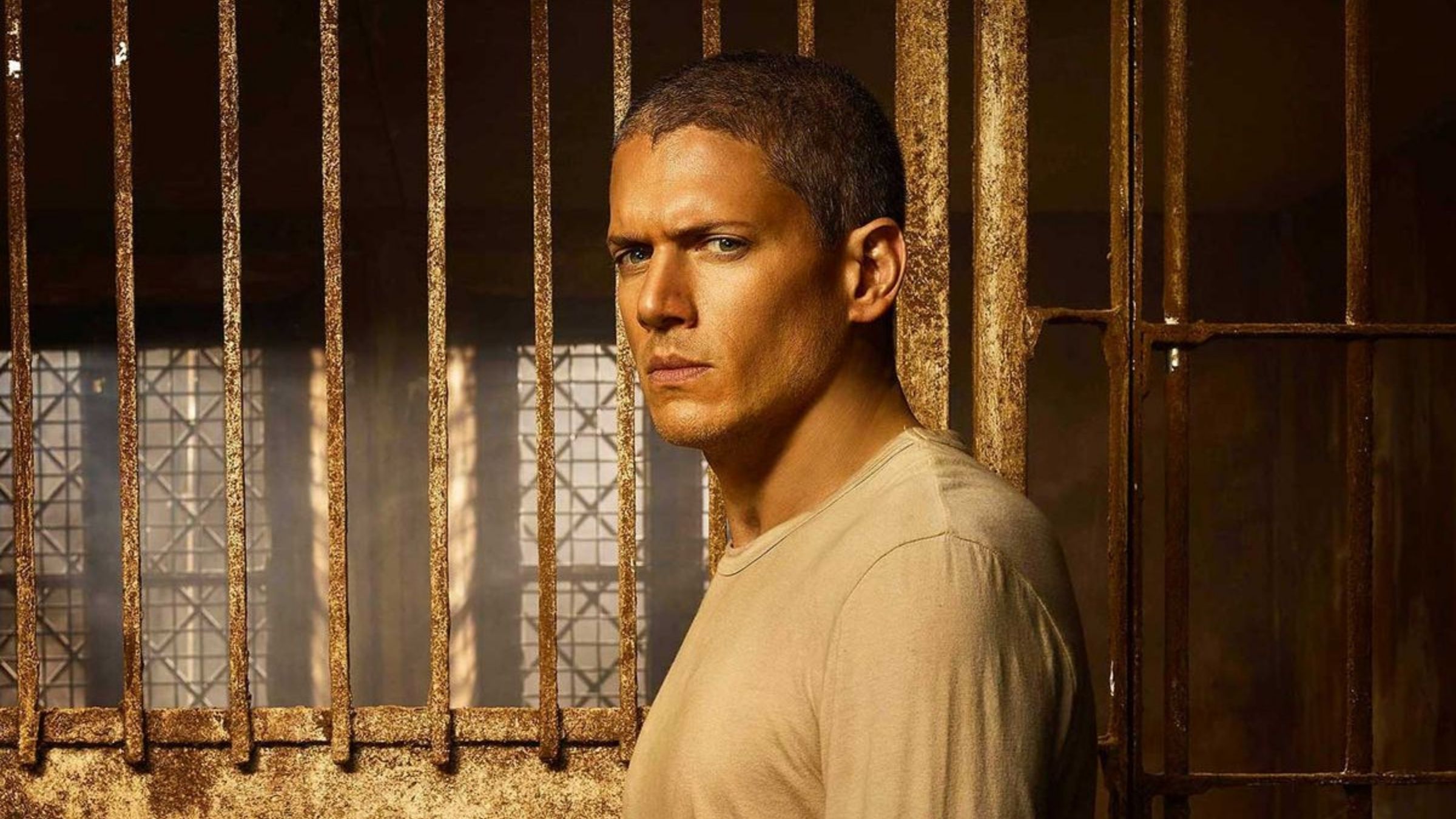
The initial idea behind Prison Break was incredibly clever, becoming one of the most memorable setups in TV history. The first season centered on Michael Scofield (Wentworth Miller), a brilliant engineer who deliberately committed a crime to end up in prison with his brother, Lincoln Burrows (Dominic Purcell), who had been wrongly convicted. Once inside, Michael used his intelligence to devise an escape plan. A key element of the show was Michael’s detailed full-body tattoo, which secretly contained the prison’s blueprints. Each episode felt like a tense puzzle, featuring a diverse group of inmates – including memorable characters like T-Bag (Robert Knepper) and Abruzzi (Peter Stormare) – creating a constantly stressful atmosphere where a single error could have devastating consequences. The first season played out like a long, thrilling heist movie, building to an exciting and satisfying escape that felt well-deserved and conclusive.
The core idea of Prison Break – escaping prison – created a natural endpoint for the story. While the second season, with its nationwide chase, kept things moving, the show eventually lost its way with an over-the-top global conspiracy centered around a mysterious organization called “The Company.” Desperate to recapture the initial excitement, the writers put the characters back in prison in Panama during season three, which felt like a forced reset. Later seasons and a 2017 revival only made things worse, bringing characters back from the dead and adding unbelievable plot twists, ultimately weakening the show’s impact.
1) Heroes
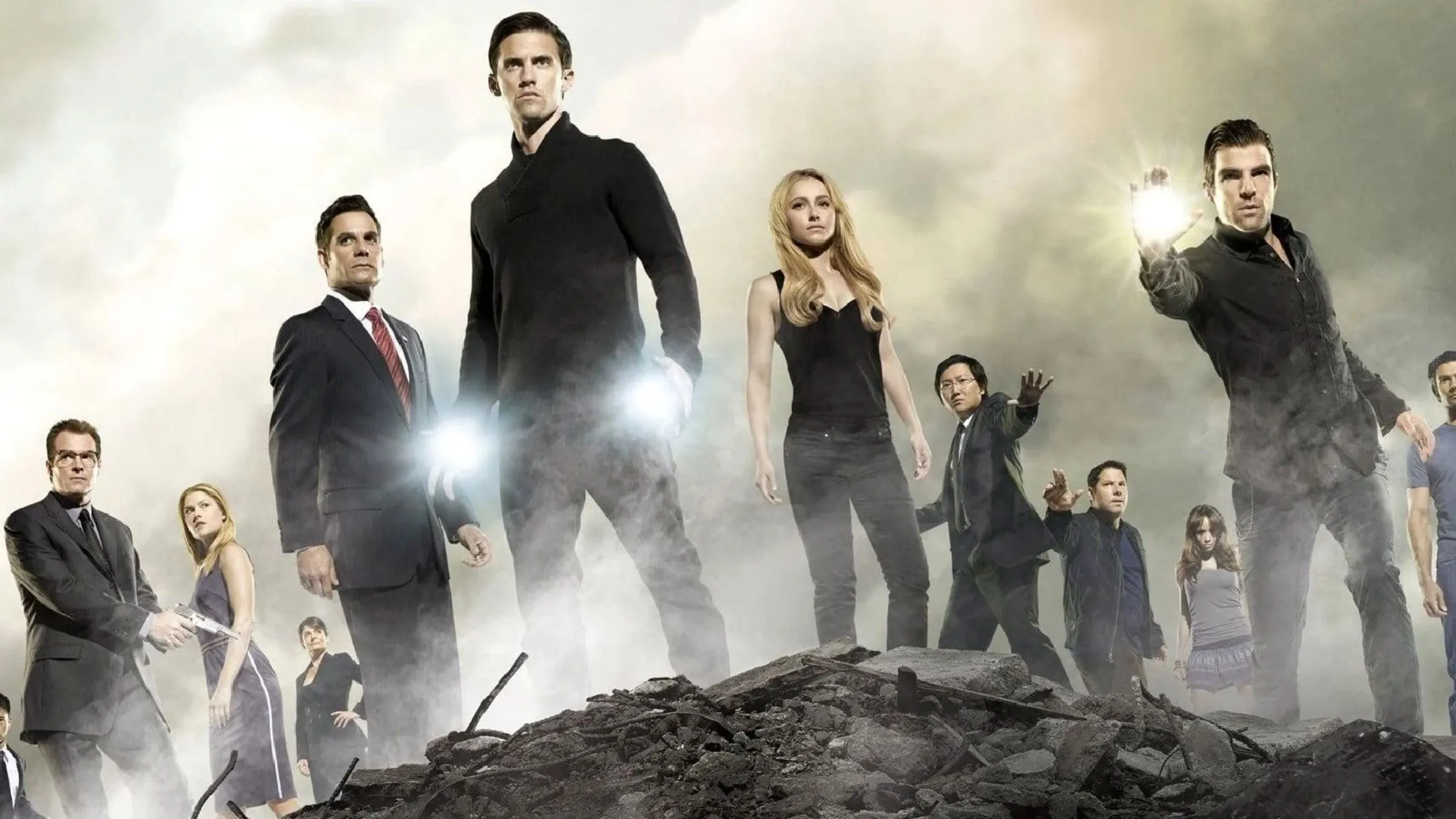
Before Marvel movies and shows dominated pop culture, the TV series Heroes was a huge hit in 2006. Its first season was brilliantly crafted, telling the interconnected stories of ordinary people around the world who suddenly developed superpowers. The show’s famous line, “Save the cheerleader, save the world,” quickly became well-known, and characters like Hiro Nakamura and the villain Sylar instantly captured the public’s imagination. Creator Tim Kring achieved this by blending the excitement of comic books with compelling characters, making even a large-scale threat like a nuclear explosion in New York feel incredibly real and frightening.
Many consider the decline of Heroes to be one of the biggest in TV history. The show suffered greatly during the 2007 writers’ strike, leading to a shortened second season that didn’t finish its storylines and left characters like Peter Petrelli feeling lost. Even after the strike ended, Heroes never regained its momentum. The show constantly raised the stakes, making the time travel rules confusing, and repeatedly changed the villain Sylar’s alignment, ultimately diminishing his impact. By continually trying to outdo the first season’s dramatic events, Heroes lost its spark, leading to its cancellation and a later, unsuccessful attempt at a reboot.
What TV show had a really disappointing second season? Share your thoughts in the comments and join the discussion in the ComicBook Forum!
https://comicbook.com/tv-shows/list/7-tv-show-twists-that-everyone-saw-coming/embed/#
Read More
- Gold Rate Forecast
- Hazbin Hotel Secretly Suggests Vox Helped Create One of the Most Infamous Cults in History
- Every Creepy Clown in American Horror Story Ranked
- 22 actors who were almost James Bond – and why they missed out on playing 007
- Jason Statham’s Hit Creature Feature Is Heading to Streaming for Free
- Kingdom Come: Deliverance 2 – Legacy of the Forge DLC Review – Cozy Crafting
- As Dougal and friends turn 60, Radio Times explores the magic behind The Magic Roundabout
- Blue Protocol Star Resonance: Goblin Lair Dungeon Guide
- Chill with You: Lo-Fi Story launches November 17
- Best X-Men Movies (September 2025)
2026-01-19 20:17