As a movie fan, I’ve definitely noticed a trend in Hollywood: it feels like everything is a remix of something else. And that’s especially true with genres. We see certain types of stories become super popular for a while, and recently, dystopian worlds have had their moment. Dystopian fiction, which falls under science fiction, was huge in the 2010s, thanks to books and movies like Divergent and The Hunger Games that really captured everyone’s attention. And The Hunger Games isn’t going anywhere—they’re releasing another movie, Sunrise on the Reaping, this fall, which I’m already excited about!
I’m a big fan of dystopian fiction, and it’s always a bit frustrating when amazing books don’t get the attention they deserve. There are so many huge hits, but I’ve found five lesser-known gems in the genre that really mess with your head – they explore some seriously dark takes on society and culture, and make you question everything. They’d all make fantastic movies, honestly, but there’s one in particular I’m really hoping gets adapted for the big screen.
5) The Grace Year by Kim Liggett
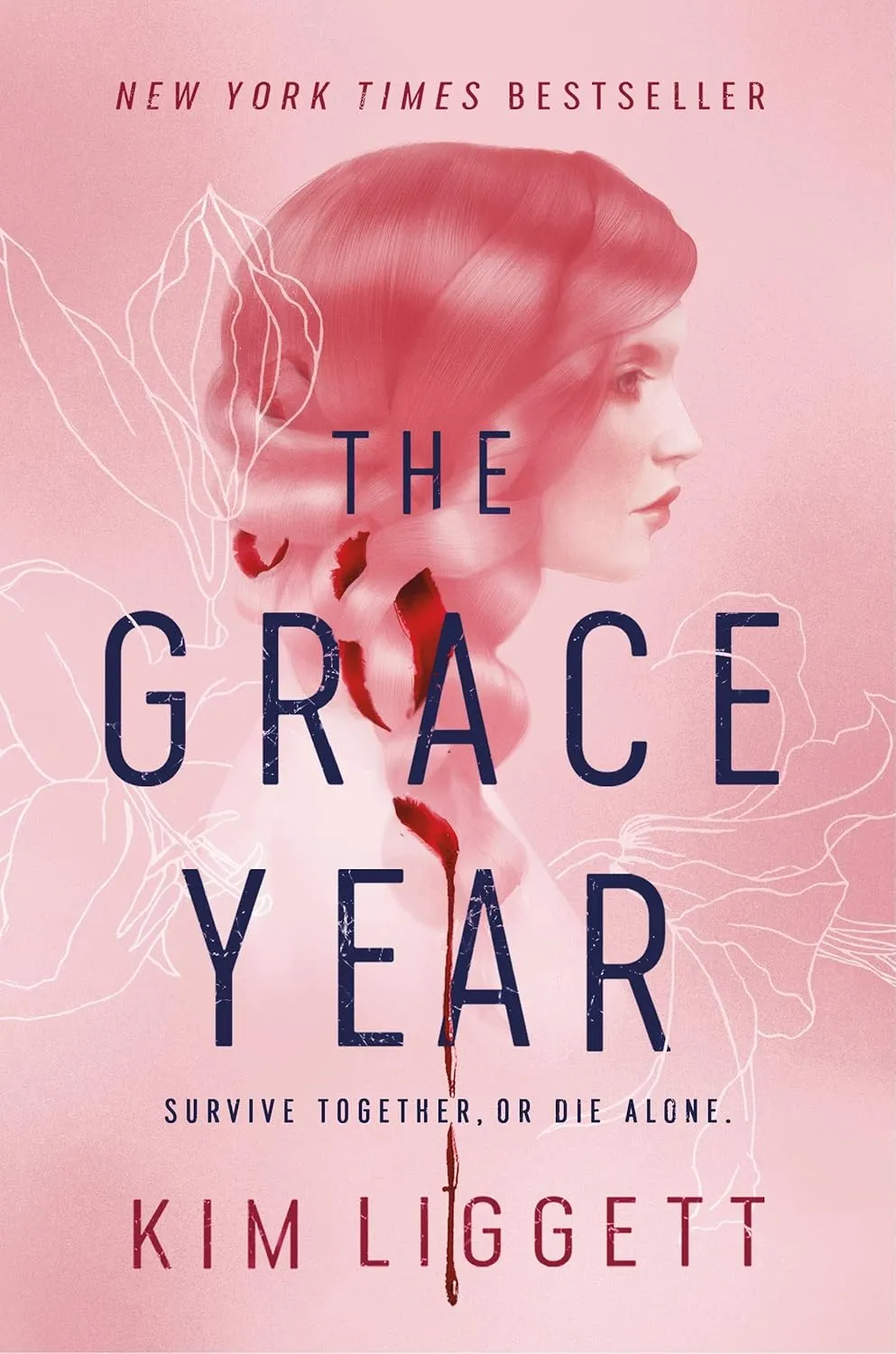
Kim Liggett’s novel, The Grace Year, is often compared to The Handmaid’s Tale and Lord of the Flies, and while that’s a simplification, it gives you a good idea of what to expect. The book follows sixteen-year-old girls who are banished for a year as a brutal coming-of-age ritual before entering a harsh and oppressive society. This society believes girls possess a dangerous “magic” that drives them insane and tempts men, and the year of exile is meant to rid them of it. The story centers on Tierney, who is sent into the wilderness during her “grace year,” where she must survive not only the elements but also the other girls she’s exiled with.
What truly sets The Grace Year apart is its avoidance of the typical story where a single young woman overthrows an oppressive system and instantly fixes everything. Instead, the book offers a more believable portrayal of change, showing that it happens gradually and requires the efforts of many, not just one determined teenager.
4) Life As We Knew It by Susan Beth Pfeffer
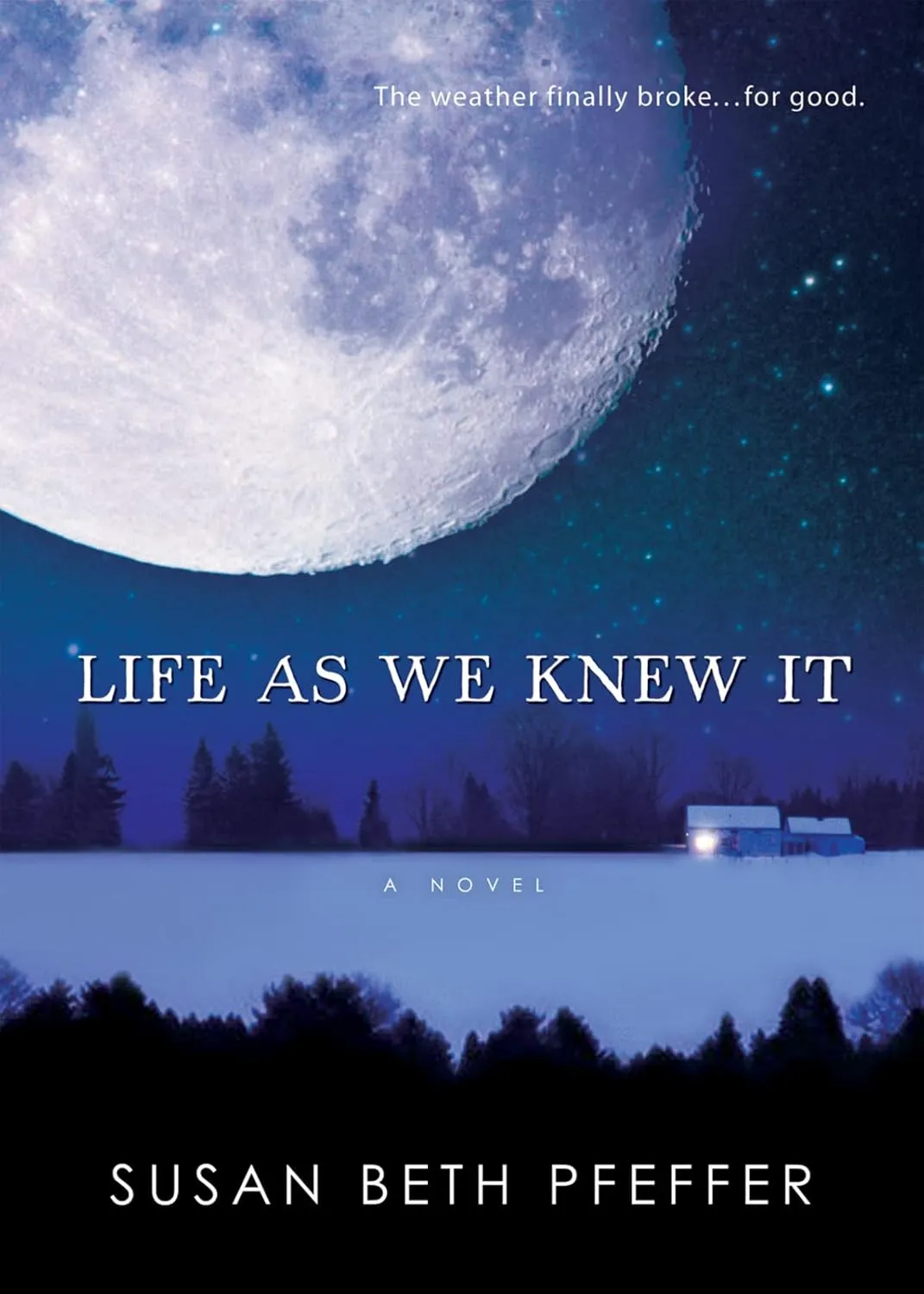
Published in 2006, Life As We Knew It isn’t a typical dystopian story about controlling governments. Instead, it focuses on how people cope with a massive natural disaster: an asteroid strikes the moon, changing its path and causing widespread environmental chaos on Earth. The book, told through the diary entries of a teenager named Miranda, follows her family’s fight for survival after this unbelievable event. While the first book focuses on the immediate aftermath and the world’s changing conditions, the series as a whole becomes more dystopian, culminating in a particularly dark ending in the final installment, The Shade of the Moon.
3) Defy the Night by Brigid Kemmerer
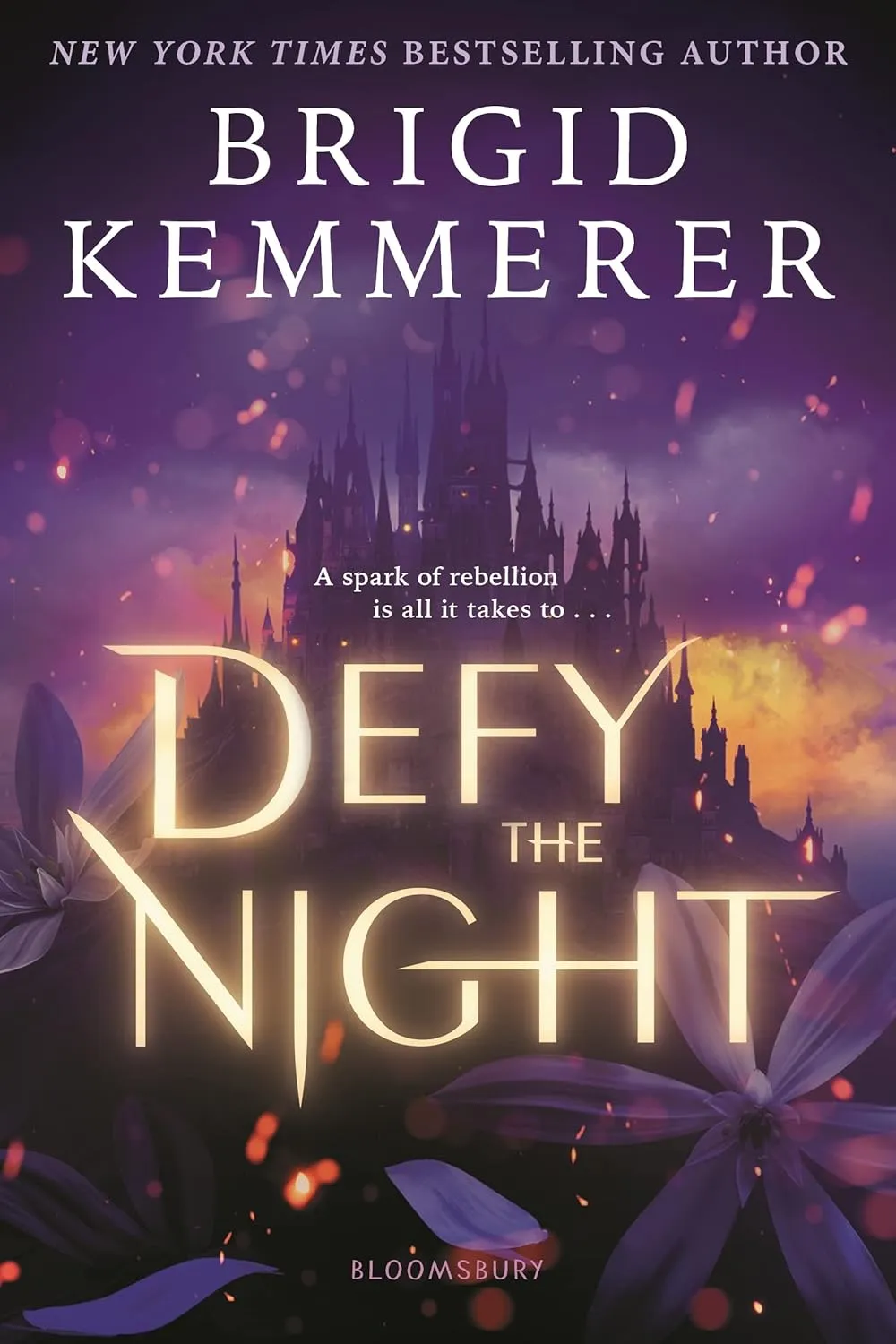
Like many book genres, romantasy – a blend of romance and fantasy – is currently very popular. Brigid Kemmerer’s Defy the Night fits into this trend, with a touch of dystopian themes. The story takes place in a kingdom plagued by a deadly illness. The only cure, Moonflower Elixir, is held exclusively by the wealthy elite, who create harsh laws to maintain control and keep the population dependent on them. Tessa, a rebellious apothecary’s apprentice, secretly steals Moonflower petals each night to make medicine for those who can’t afford it, putting her on a collision course with the authorities.
Although the book uses familiar romantasy elements—like a powerful, potentially romantic prince—it also thoughtfully examines issues of wealth inequality and power dynamics, creating a story that feels relevant to our own world and encourages deeper thinking.
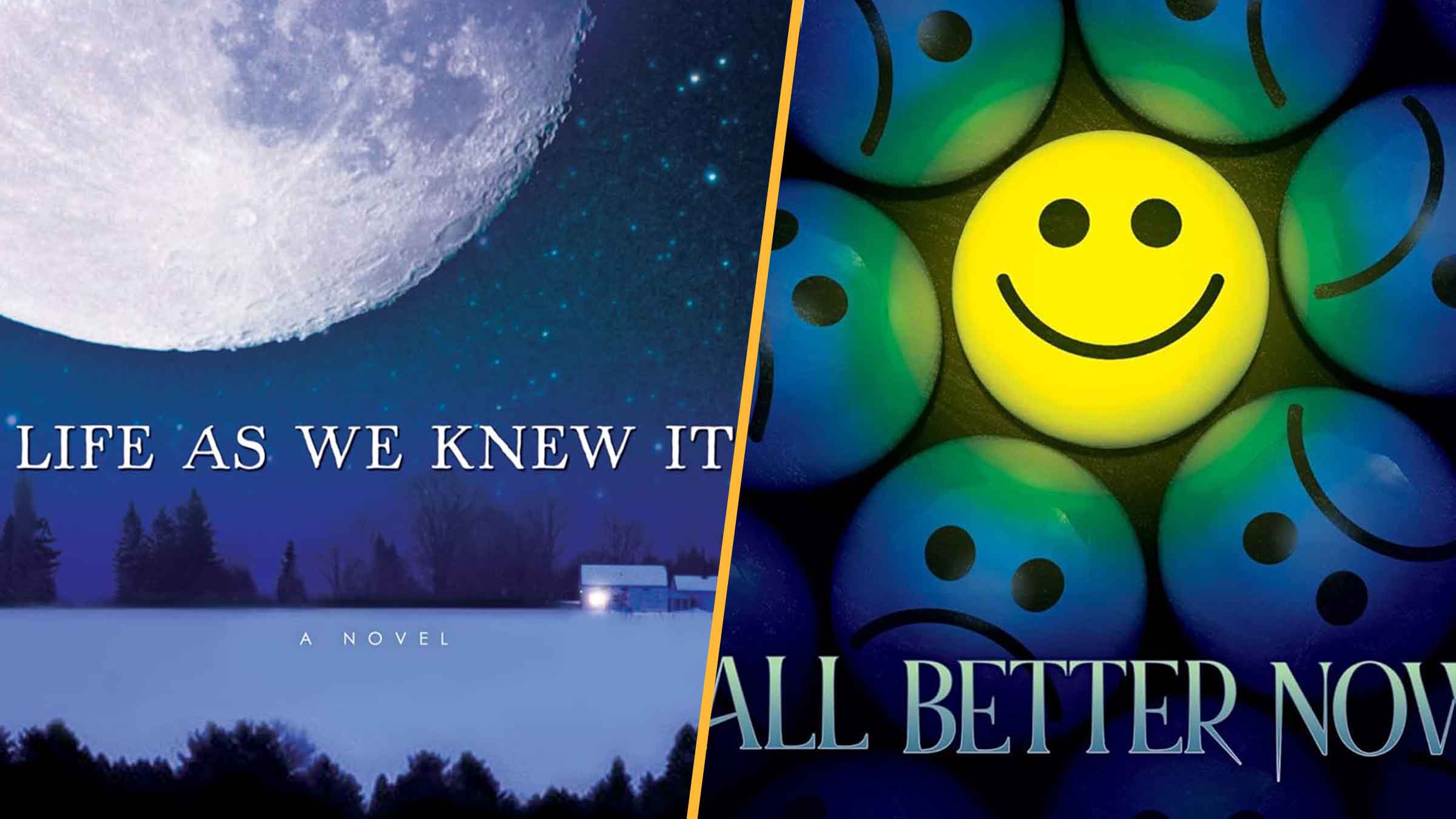
2) All Better Now by Neal Shusterman
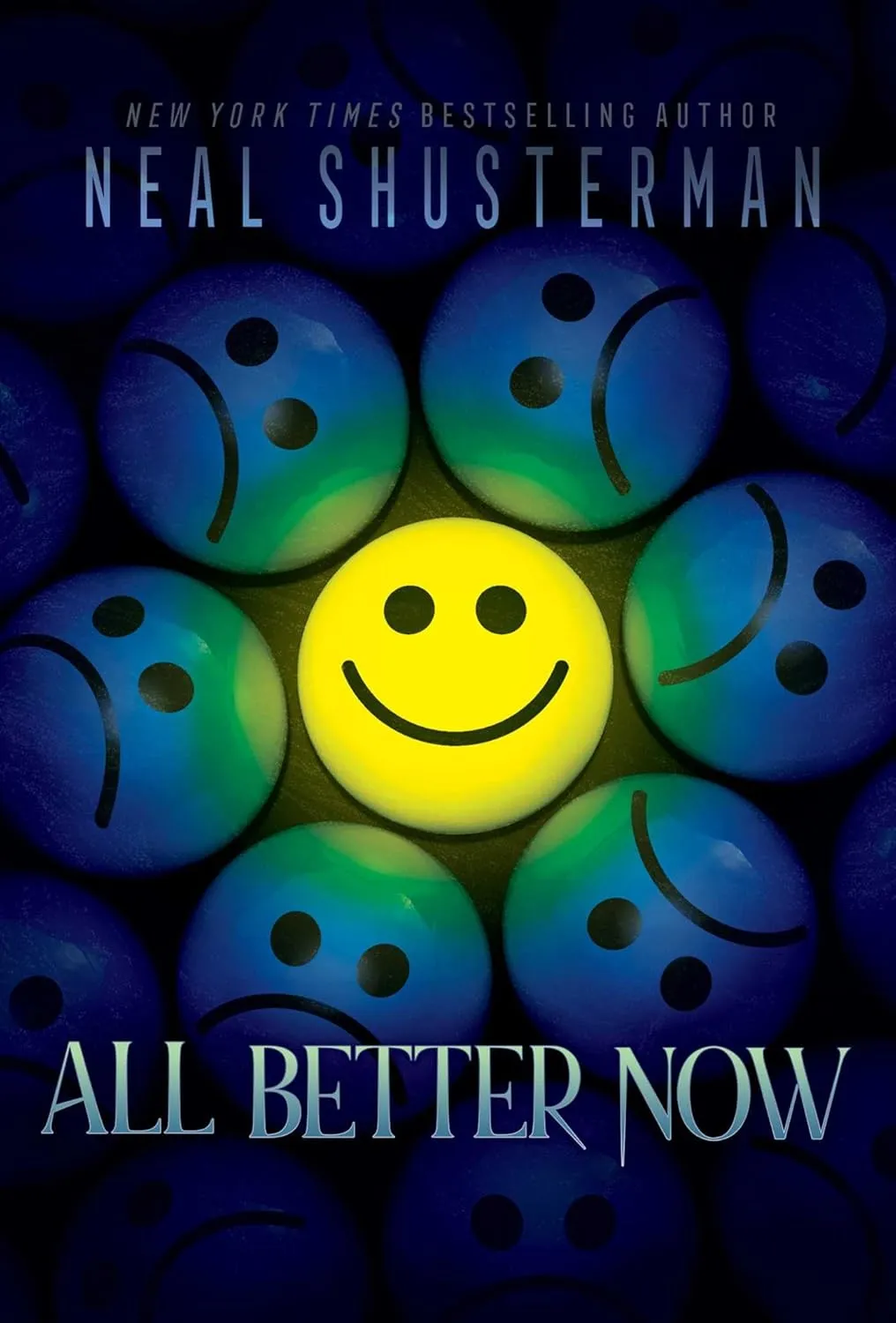
Many of Neal Shusterman’s books are excellent, especially his Arc of a Scythe series, but All Better Now offers a unique take on dystopian fiction. Instead of focusing on a bleak and unhappy world, it explores a future where a virus called Crown Royale causes permanent happiness in survivors. While happiness might seem ideal, the story reveals that some people believe sadness, stress, and even greed are necessary for a functioning society. This creates a conflict between those who want to spread the happiness and those who seek to restore negativity.
Dystopian stories often make us think about what it means to be human and how we relate to the world around us. But the idea that happiness could actually be harmful to society is a unique and thought-provoking concept, and it’s up to each reader to form their own opinion on the matter.
1) Feed by M.T. Anderson
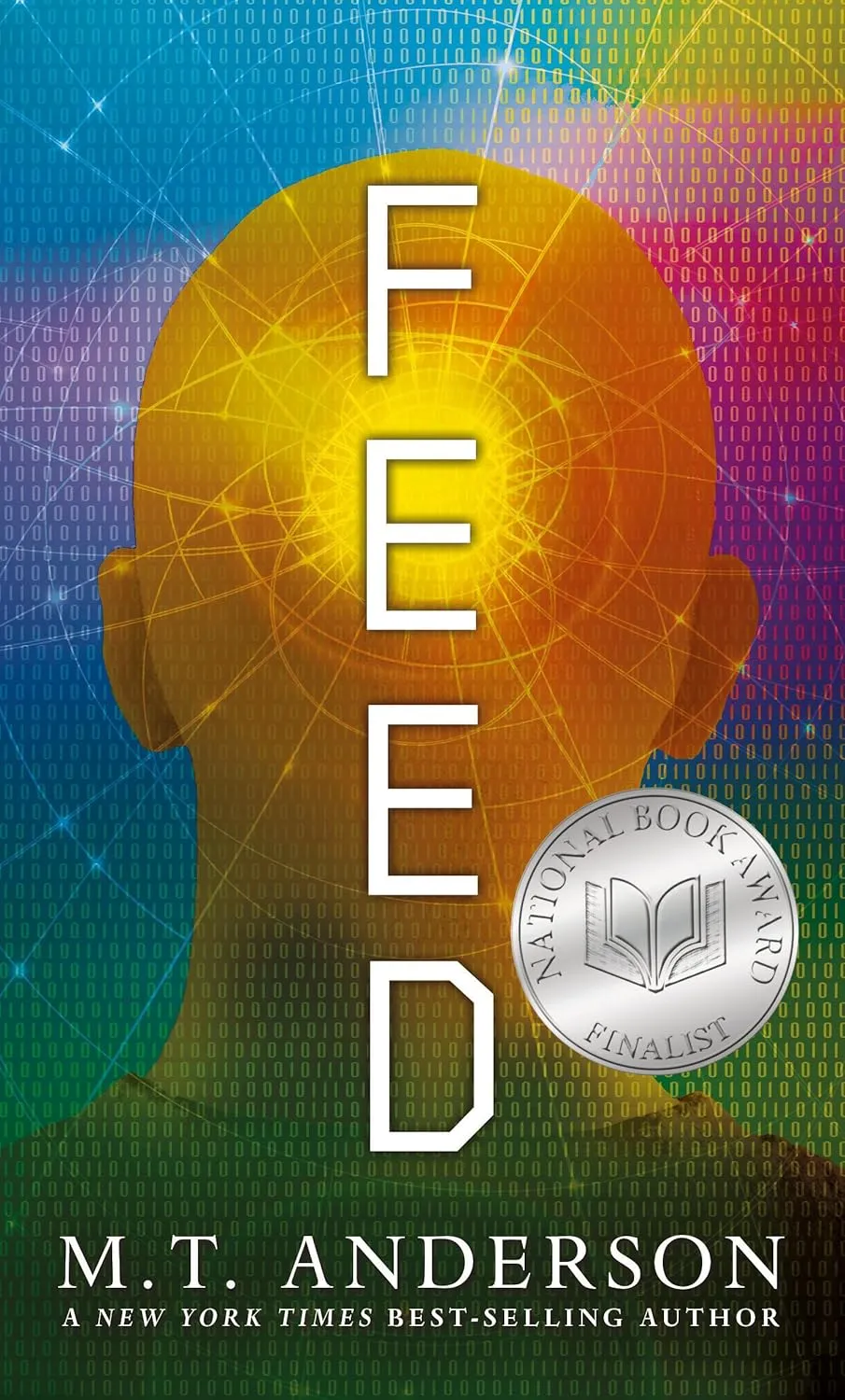
We’d be thrilled to see any of these books adapted into a movie, but M.T. Anderson’s Feed has come the closest. A film adaptation was announced in 2022, though it hasn’t happened yet. Feed imagines a near-future America where almost everyone has their brain directly connected to a massive network called feednet. This connection offers advantages like instant access to information and telepathic communication, but it also has downsides – corporations gain significant control, even influencing schools, which leads to bigger problems.
Feed explores complex issues like excessive consumerism, the growing influence of corporations, environmental decline, the rejection of critical thinking, and what it means to be human. It’s a thought-provoking story, though not a lighthearted one, set in a compelling and disturbingly relevant world.
Read More
- 10 Most Powerful Versions of Superman, Ranked
- Gold Rate Forecast
- GBP CNY PREDICTION
- 007 First Light: Release Date, Story, Gameplay, Cast, Editions, and Platforms
- Forza Horizon 6 Car List So Far: Confirmed Highlights, Cover Cars, DLC, and Rewards
- DOGE PREDICTION. DOGE cryptocurrency
- Superman’s 7 Best Power-Ups, Ranked
- Forza Horizon 6 PC Issues: Fix Crashes, Stuttering, Steam Errors, and Game Pass Problems
- Kingdom Come Deliverance Update 1.002 Enables Trophies to Be Transferred
- What happened to Soldier Boy in The Boys?
2026-06-02 02:43