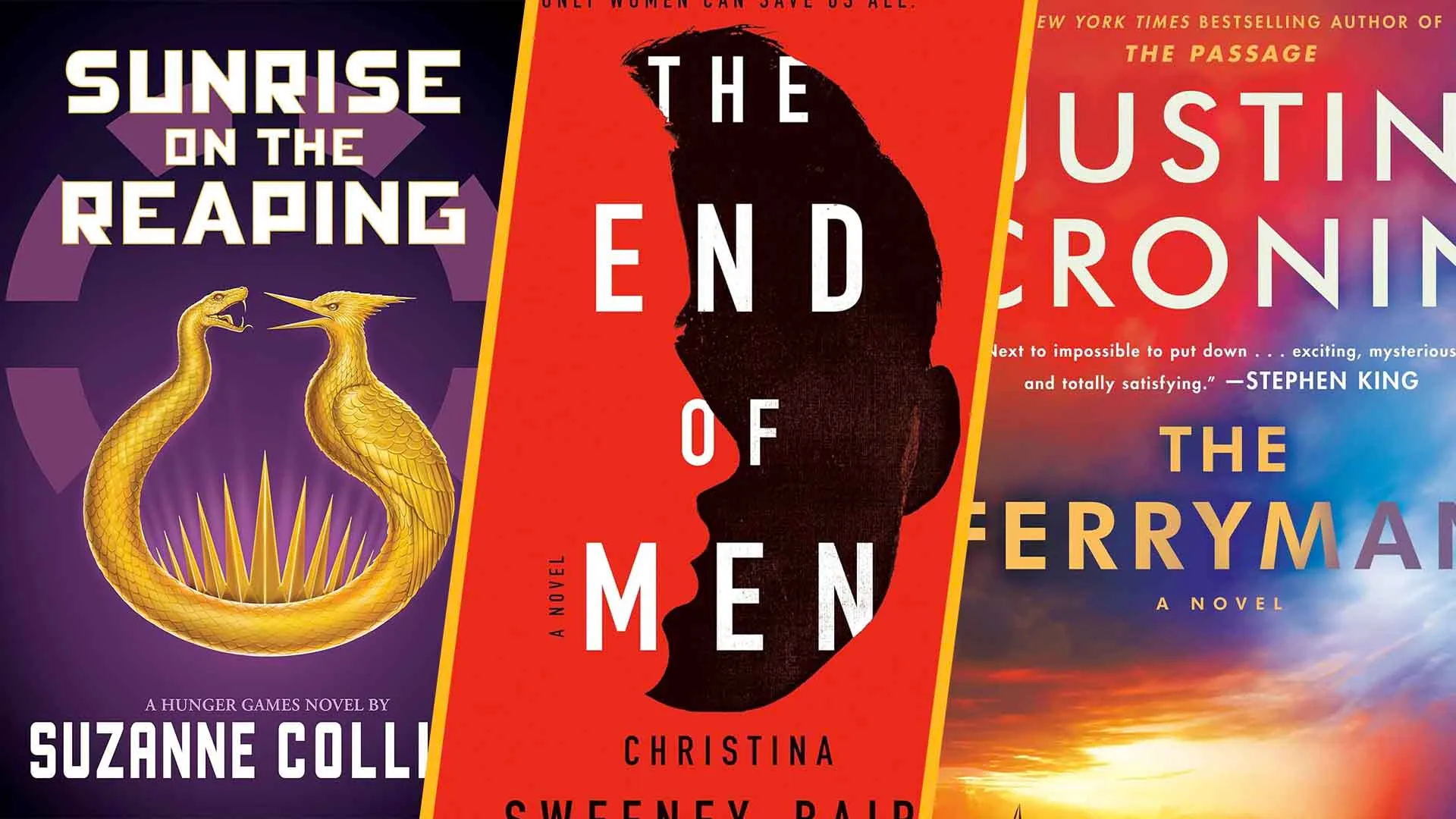
Science fiction often transports us to exciting, futuristic worlds and stretches our imaginations. However, these worlds aren’t always utopian. Many sci-fi stories explore darker possibilities—dystopias—where technology, environmental issues, or societal breakdown have created oppressive and difficult circumstances. These settings allow us to examine humanity at its worst.
Although often dark and unsettling, dystopian science fiction novels are incredibly engaging and offer a lot to consider. Recent years have seen a surge in excellent examples, each imagining a unique end to the world and the harsh realities that follow. These seven books stand out as the very best, prompting readers to reflect not only on the fictional worlds they depict, but also on potential lessons for our own lives.
7) Black Tide by KC Jones
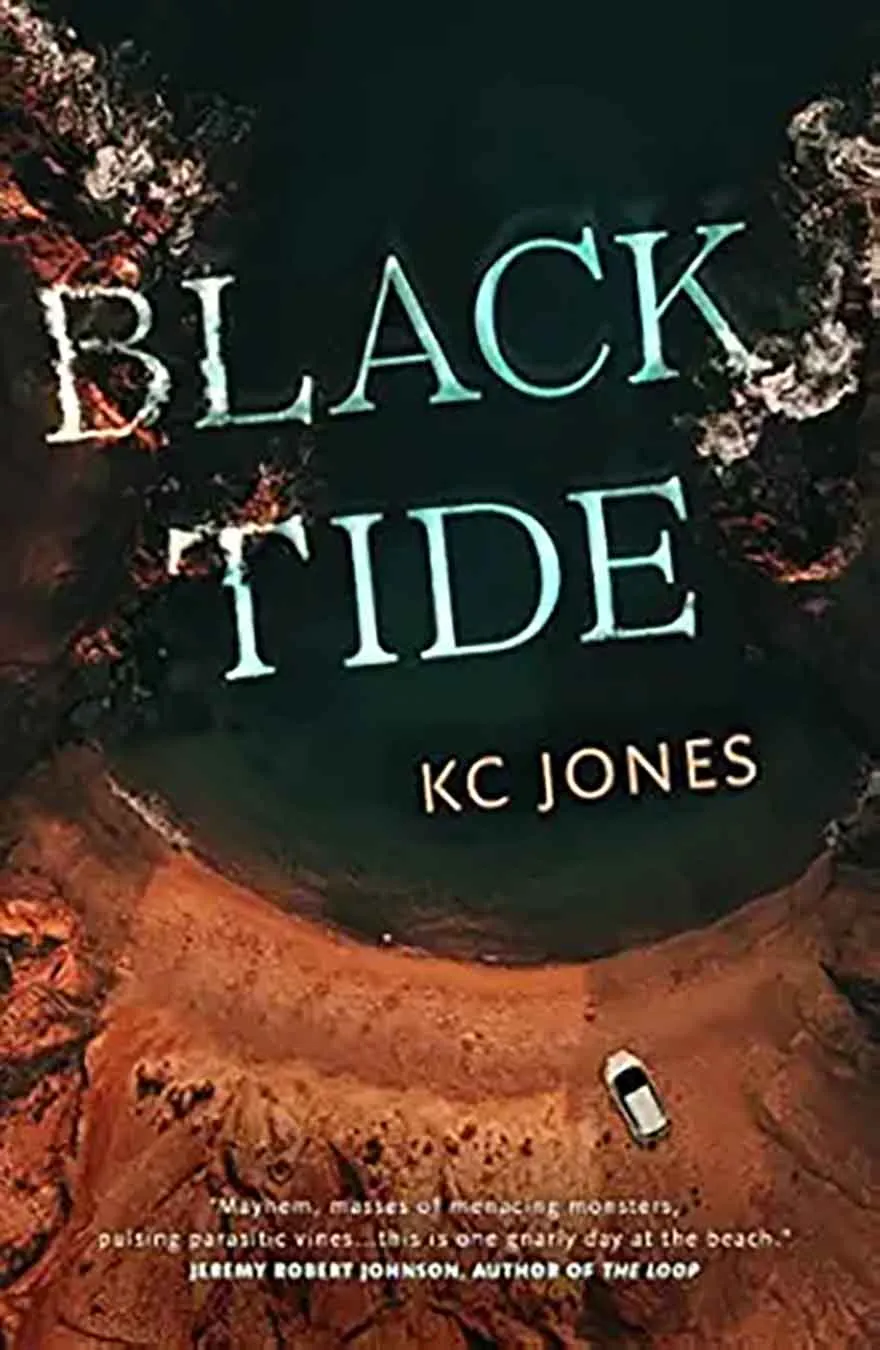
Black Tide is a thrilling story that blends the suspense of Stephen King with the eerie atmosphere of A Quiet Place. While it’s primarily a horror novel, the story definitely features dystopian elements, as it involves the end of the world. The story begins with Mike and Beth, two strangers who share a night together during a meteor shower. They soon discover this wasn’t an ordinary celestial event – it caused widespread devastation and unleashed something terrifying that now threatens them from the shadows.
Stories about alien invasions are usually engaging, but “Black Tide” takes it to another level. It combines the end of the world with the story of two imperfect characters who are our window into this new reality, and their struggle to survive. While the situation is grim, the book is surprisingly thrilling and offers a glimmer of hope. It’s particularly well-written, with a vivid, almost movie-like quality that makes it a truly enjoyable read.
6) Wanderers by Chuck Wendig
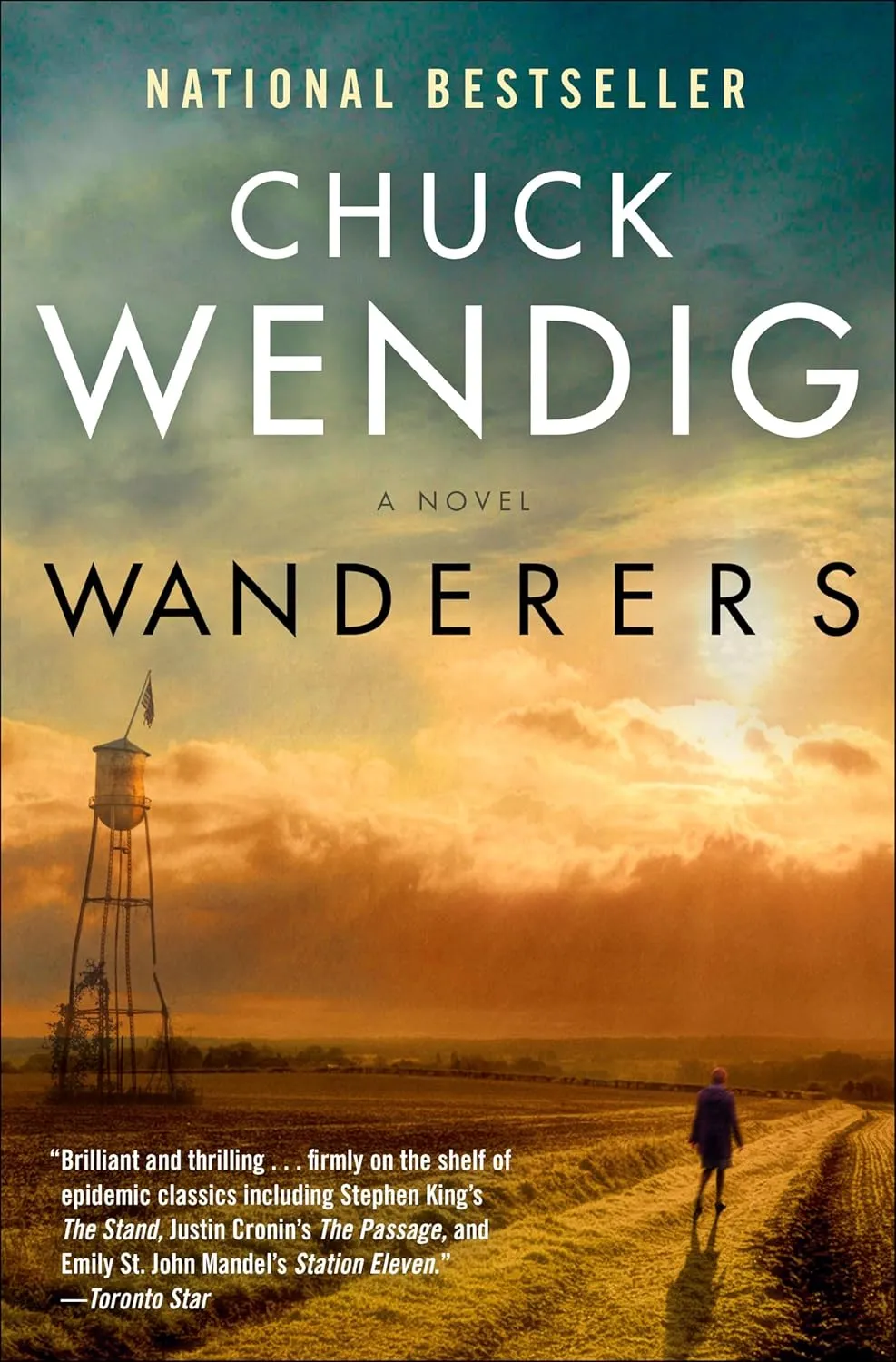
Okay, let me tell you about Wanderers. It’s a really compelling read, and thankfully, the story doesn’t end with just this one book – there’s a sequel called Wayward coming! The premise is fascinating: it starts with a teenage girl who simply walks away from her home, and soon others join her in this… well, it’s like a strange, nationwide walk, almost like a zombie-like procession. They’re called the Flock, and what’s truly unsettling is that different groups start trying to use them – for political gain, religious agendas, all sorts of manipulative purposes. And just when you think things couldn’t get any weirder, there’s an AI element thrown into the mix, which honestly, just complicates and intensifies the whole terrifying situation. It’s a genuinely gripping story.
Wanderers stands out because its characters are incredibly well-developed and complex. Even the villains feel realistic and multi-faceted, which is refreshing in the dystopian genre. The story is full of surprising twists, and you’ll be happy to know there’s already a sequel to continue the adventure.
5) The Deluge by Stephen Markley
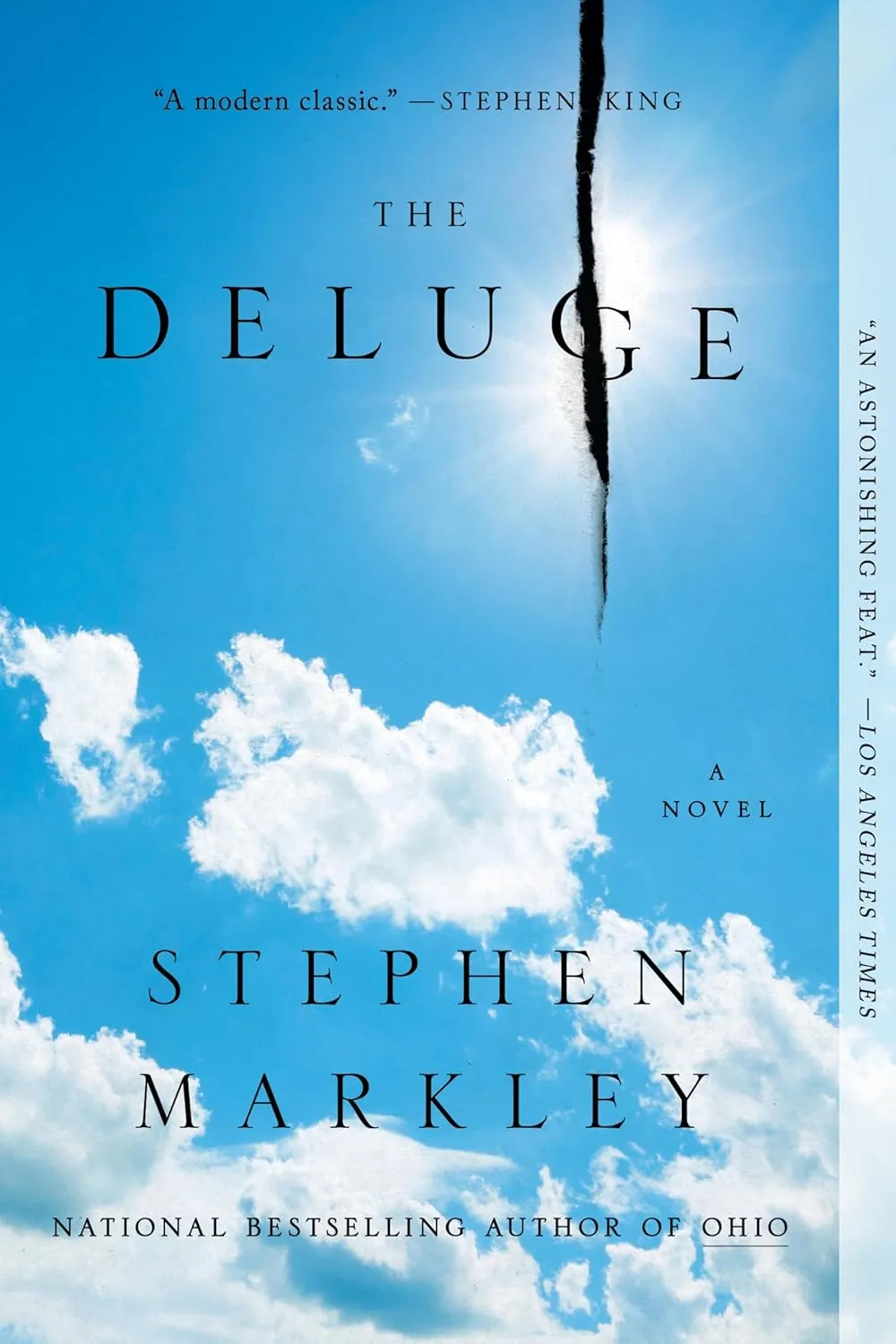
The primary reason “The Deluge” appears lower on this list is its length. At 880 pages, it’s a substantial read, but also a remarkably compelling one – it’s stayed with me long after I finished it. This novel falls into the “cli-fi” genre – climate fiction – and gradually depicts the breakdown of American society between 2013 and 2040. It meticulously details the collapse of all facets of life – from politics and culture to society and the environment – as global warming accelerates due to methane released from warming oceans. The book’s extended timeframe allows for a disturbingly realistic portrayal of how things fall apart, piece by piece.
What truly makes this book exceptional is how real it feels, despite being fiction. It reads like a firsthand account of events unfolding, especially because the story follows a gradual decline through various perspectives and characters. It’s not a light or easy read – it’s stayed with me long after I finished it – but it’s a genuinely powerful book. It’s a stark reminder that dystopian societies aren’t always a finished product; they can be happening right now.
4) The Dream Hotel by Laila Lalami
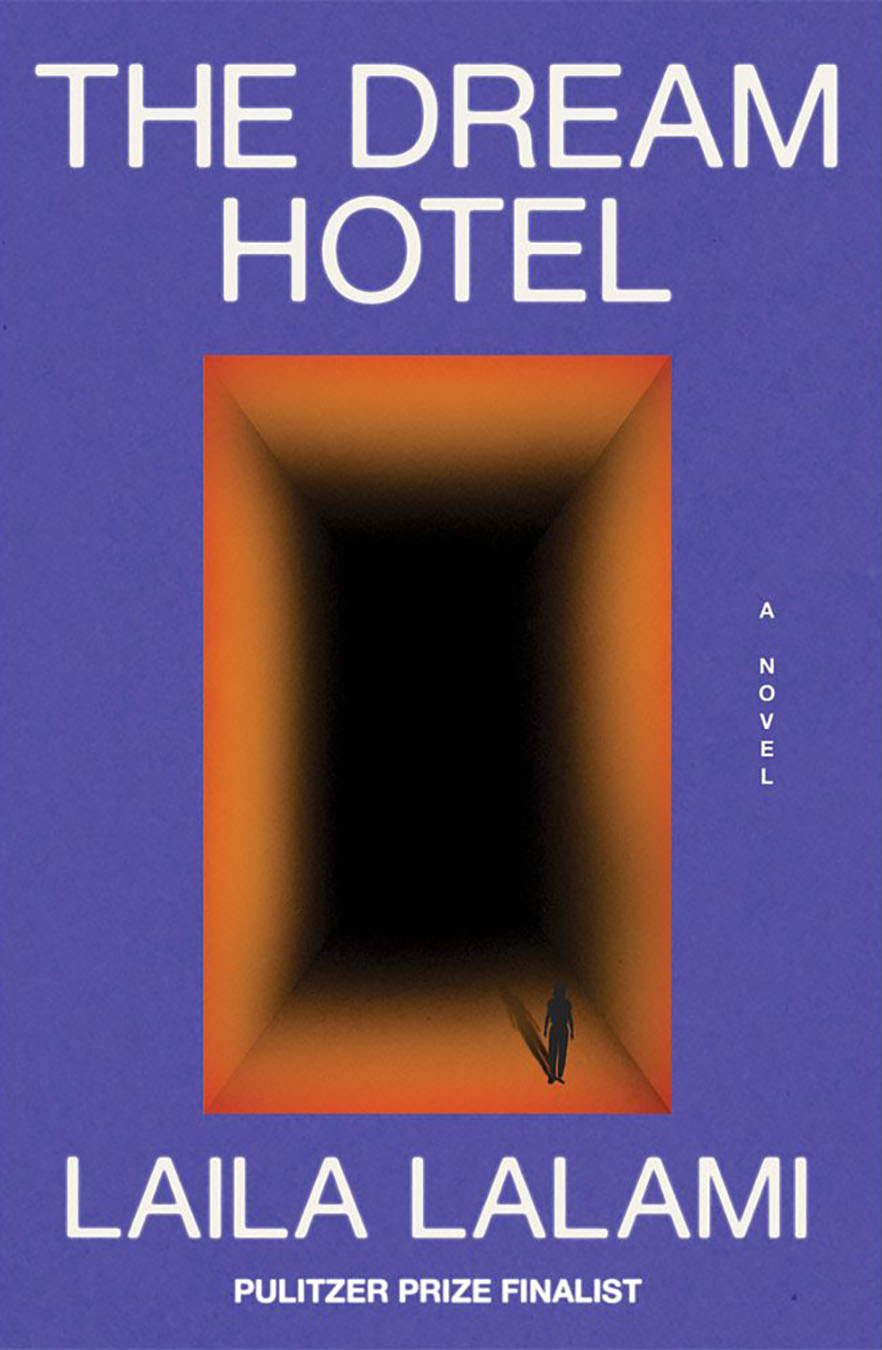
Released in 2025, The Dream Hotel takes the chilling concept of AI-monitored dreams to a terrifying new level. In a near-future world, artificial intelligence tracks people’s dreams, attempting to predict and prevent crime. When Sara Hussein is flagged by the AI as a potential threat to her husband, she’s detained at the airport and imprisoned—punished for her own thoughts. Now, she must fight against the system to regain her freedom.
This novel explores a disturbing idea: a future where computers can turn your dreams into crimes. It raises thought-provoking questions about technology, the potential risks of artificial intelligence, and our right to privacy. While it’s a subtle story, it’s packed with insightful observations about society and well worth reading.
3) Sunrise on the Reaping by Suzanne Collins
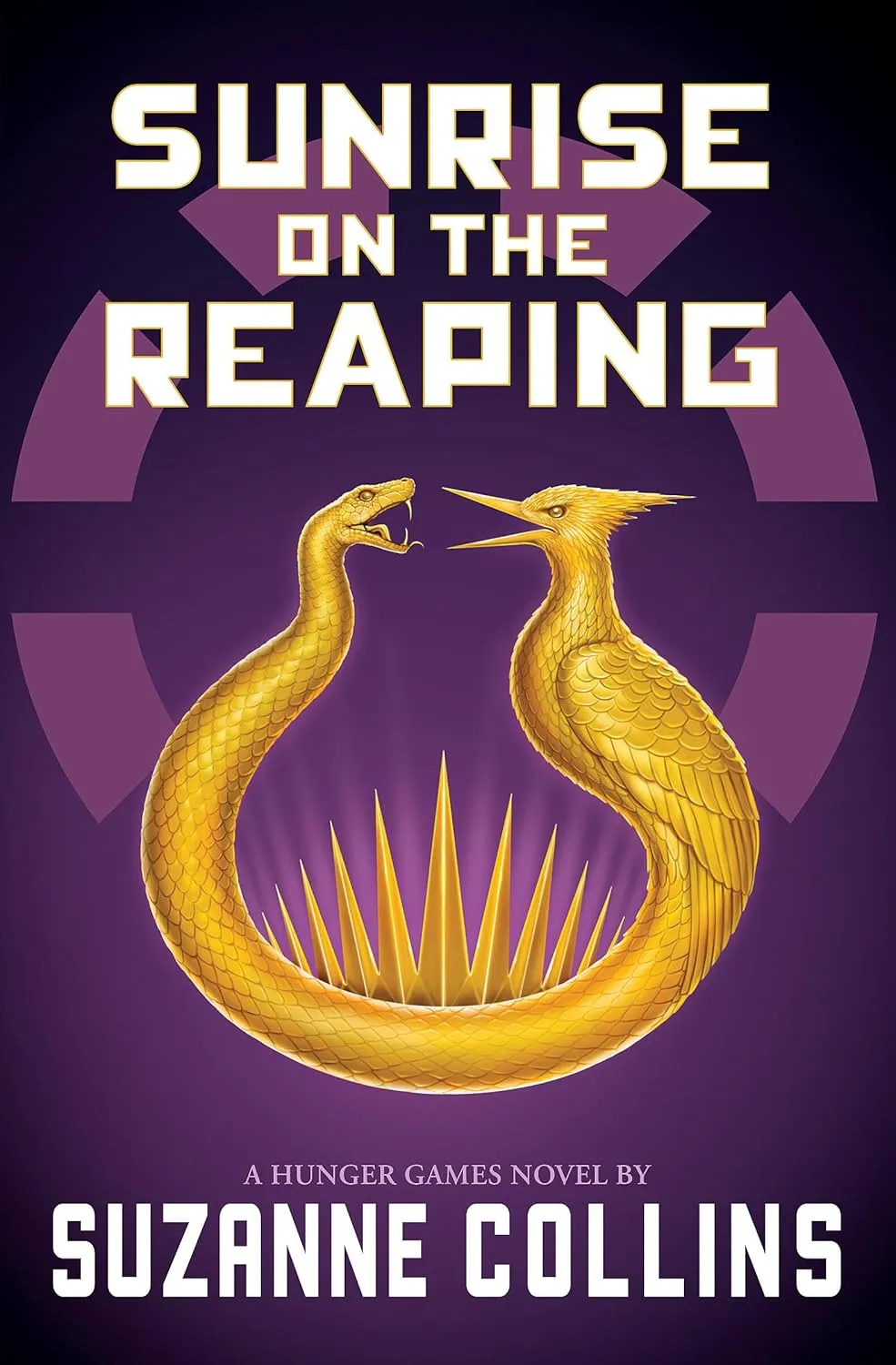
Although The Hunger Games focuses more on the characters and plot than futuristic technology, it still contains science fiction elements, which is why it’s considered more than just a typical dystopian story. The new book, Sunrise on the Reaping, tells the story of Haymitch Abernathy’s experiences in the Hunger Games. It finally reveals the events that deeply traumatized him and explains his behavior when he mentors Katniss and Peeta.
This book is deeply disturbing, but in a good way. Even though it covers familiar ground with similar themes and events as the rest of the series, it actually enhances everything that came before by providing a new perspective. It also makes the Capitol’s cruelty strikingly clear, and will completely change how you view the entire series.
2) The End of Men by Christina Sweeney-Barid
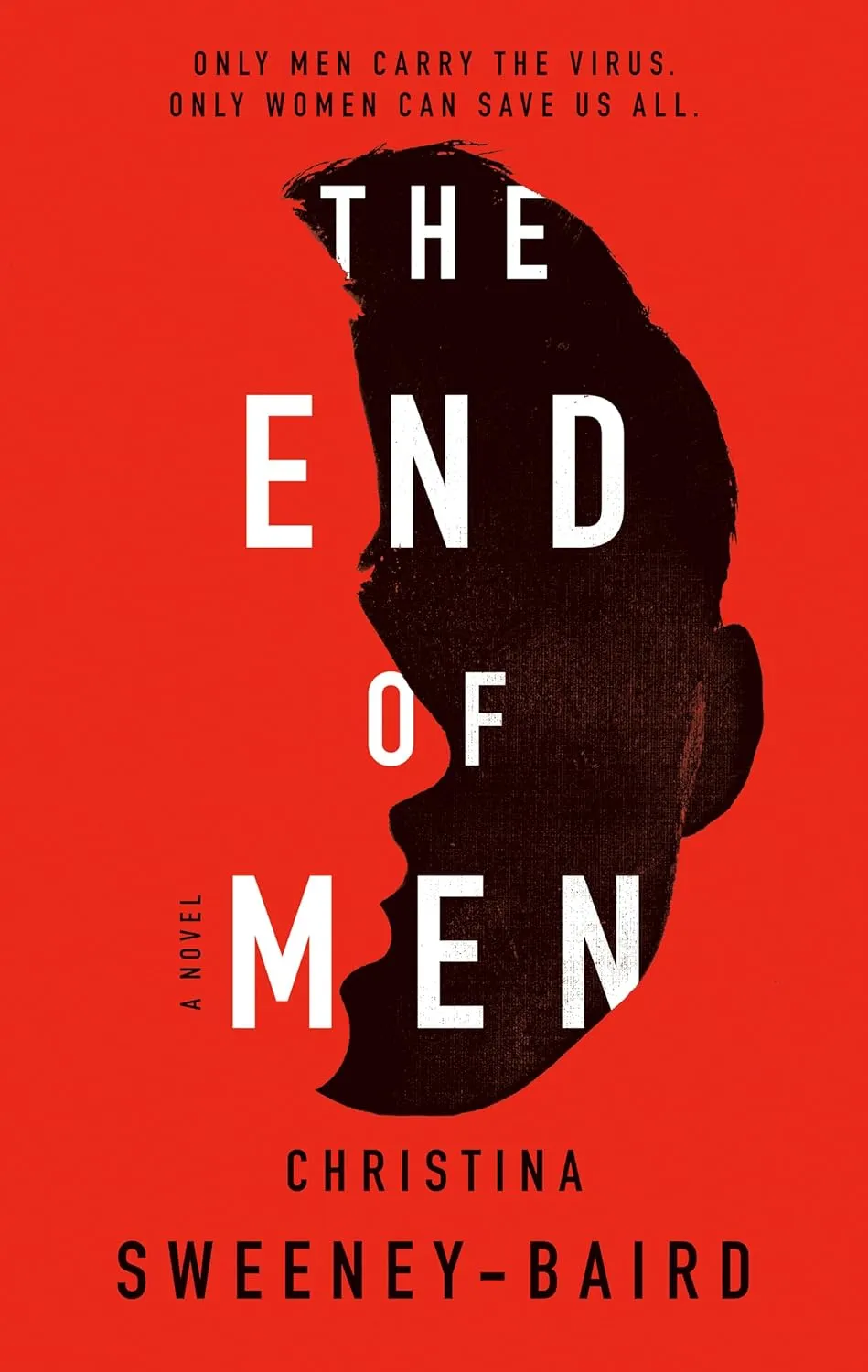
Stories about a world where most men are gone and women rebuild society have been told before, and they often make for compelling reading. What’s unique about The End of Men is that it tells this story through many different viewpoints, rather than following a single character’s journey. This multi-perspective approach is key to the book’s impact. The story centers on a pandemic that begins in 2025, with a virus that is deadly to men. Though a few men survive, the vast majority are wiped out, leaving women to rebuild the world.
This crisis is complex, and by following the stories of people like the doctor treating the first patient and a historian, we see a world without men and how drastically different it would be. The story explores what a society led by women might look like, but it isn’t suggesting that this would be a negative outcome—a ‘dystopia’.
1) The Ferryman by Justin Cronin
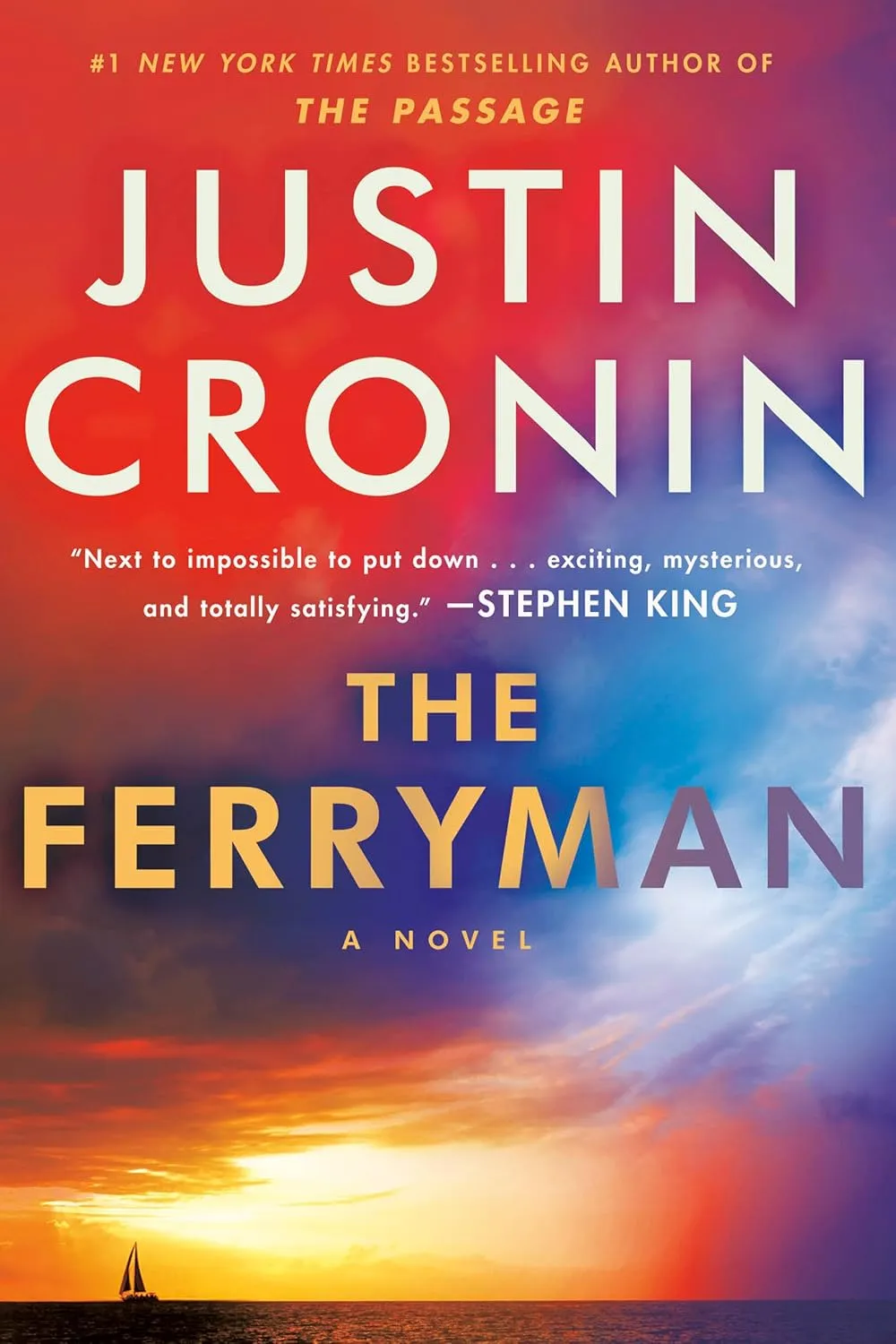
Choosing just one from this list is difficult, but I’m recommending The Ferryman. The most compelling dystopian stories focus on individual experiences, and this novel delivers that perfectly. It centers on Proctor, who ferries elderly citizens to a place where they’re reborn as teenagers. But as the story progresses, it becomes clear that this seemingly perfect society hides dark secrets, and there’s a disturbing reason behind the rebirth process.
The Ferryman is a deeply moving science fiction story that explores themes of love, grief, and loss against a backdrop of social inequality and humanity’s drive to explore. The plot contains powerful reveals that are best experienced firsthand, and it’s a book that will stay with you long after you finish reading it due to its emotional depth and complex layers.
Read More
- Gold Rate Forecast
- 10 Most Powerful Versions of Superman, Ranked
- 10 Best Free Games on Steam in 2026, Ranked
- Forza Horizon 6 Car List So Far: Confirmed Highlights, Cover Cars, DLC, and Rewards
- GBP CNY PREDICTION
- 007 First Light: Release Date, Story, Gameplay, Cast, Editions, and Platforms
- 10 Greatest Manga Endings of All Time
- Black State Trailer Showcases Ray-Traced Reflections and DLSS 4 Performance
- Forza Horizon 6 PC Issues: Fix Crashes, Stuttering, Steam Errors, and Game Pass Problems
- DOGE PREDICTION. DOGE cryptocurrency
2026-05-29 07:11