The X-Men first appeared in 1963, but most fans agree the really good stories start in 1974. Since then, the team has been featured in some of the most memorable comic book narratives ever created. These classic issues blended dramatic personal relationships with wild, over-the-top action—ranging from science fiction to horror and beyond—all brought to life with stunning artwork. While these beloved stories are widely celebrated among comic book fans, they only hint at the full potential and enduring appeal of Marvel’s mutant heroes.
With so many X-Men comics published – easily over a thousand – it’s not surprising that some great stories get overlooked. While certain issues are considered classics, these seven storylines were fantastic but have largely been forgotten by fans.
7) Uncanny X-Men (vol. 1) #342-345
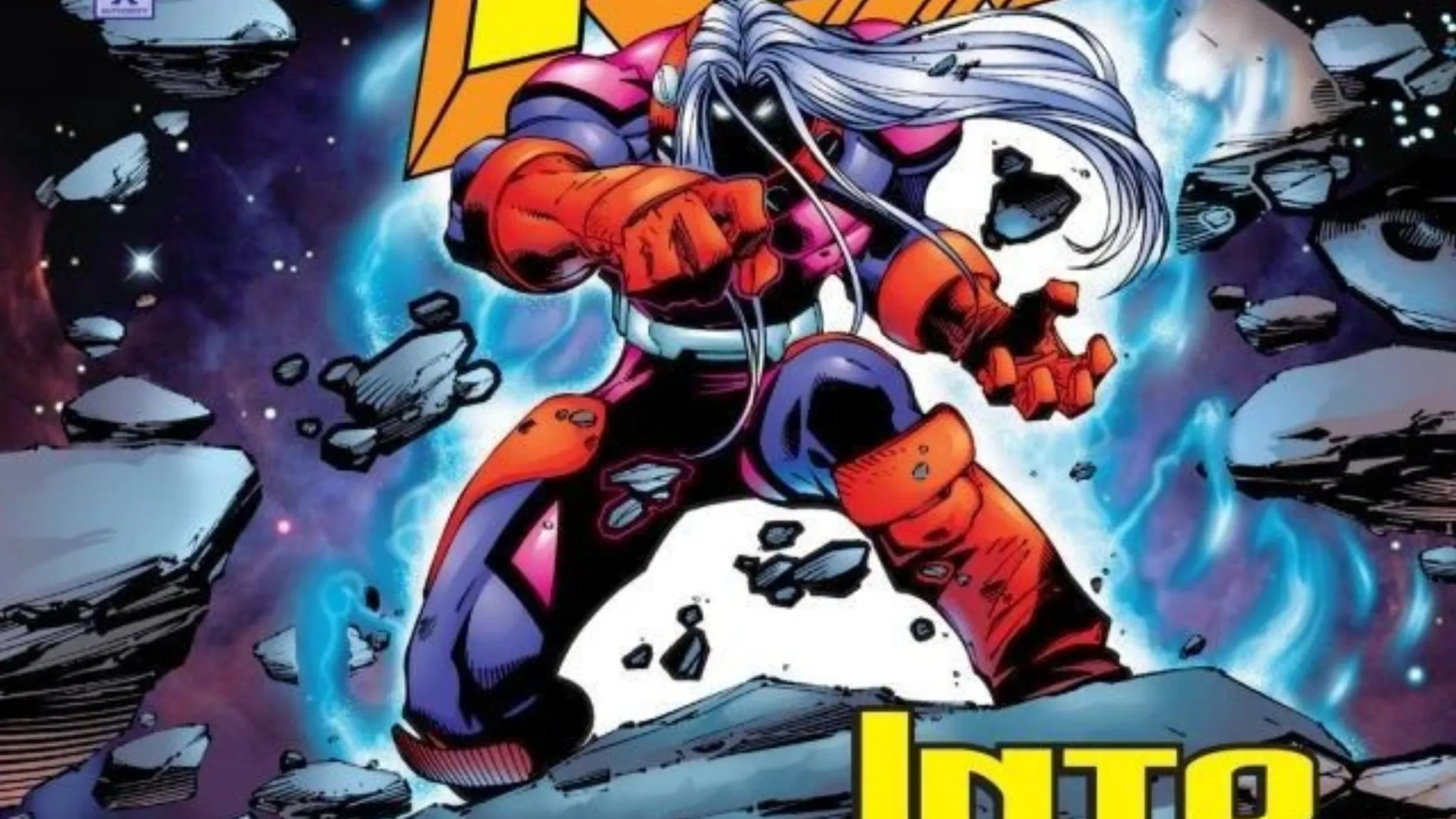
The X-Men were hugely popular in the 1990s, with their main comic series attracting a large readership. While not every story was a hit, there were many memorable storylines, like the arc in Uncanny X-Men #342-345 by Scott Lobdell and artists Joe Madureira, Salvador Larocca, and Melvin Rubi. This story featured the Shi’Ar capturing Rogue, Beast, Gambit, Cannonball, Iceman, Joseph, Bishop, and Beast’s girlfriend Trish Tilby, teaming them up with Deathbird to battle the Phalanx. It’s a fun story that set the stage for even bigger events in later issues – specifically, #346-350, which explore the consequences of this conflict and the events of “Operation: Zero Tolerance.”
6) “End of Greys”
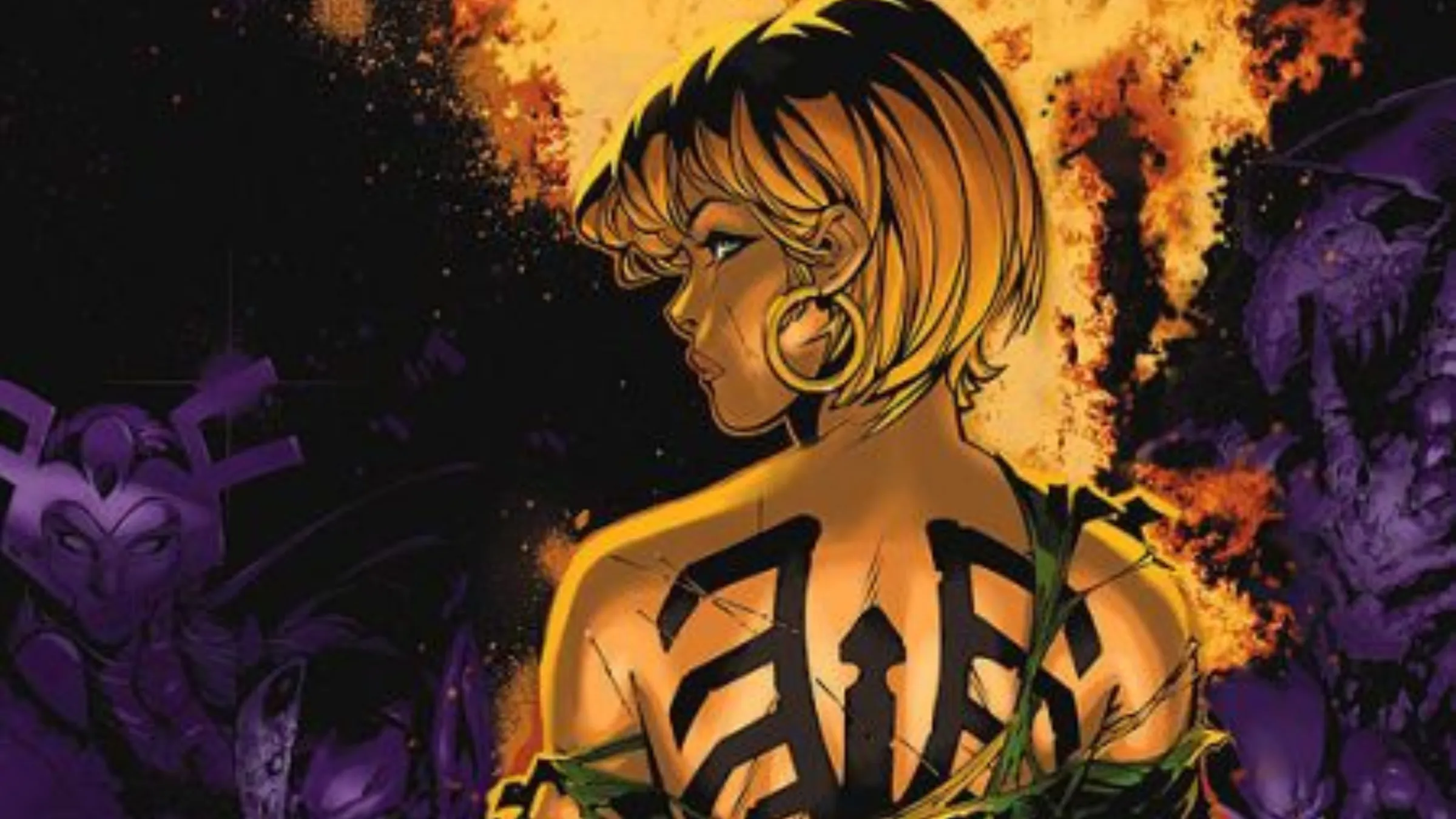
Chris Claremont is widely considered the best writer to ever work on the X-Men, and he’s written the team three separate times. While his first run is famous and his second is often criticized, his third had both strong moments and weak ones. A highlight of that third run is the story “End of Greys.” In it, Rachel Summers-Grey had begun to accept the legacy of her mother, Jean Grey, and found a sense of belonging with the Grey family. However, the Shi’Ar Empire decided that anyone connected to the Phoenix – including family members – must be eliminated. When Rachel can’t prevent tragedy, she and the X-Men are left seeking vengeance. This story, created by Claremont and artist Chris Bachalo, is exceptional and stands out as one of the best Rachel Summers stories of the 21st century.
5) “End of History”
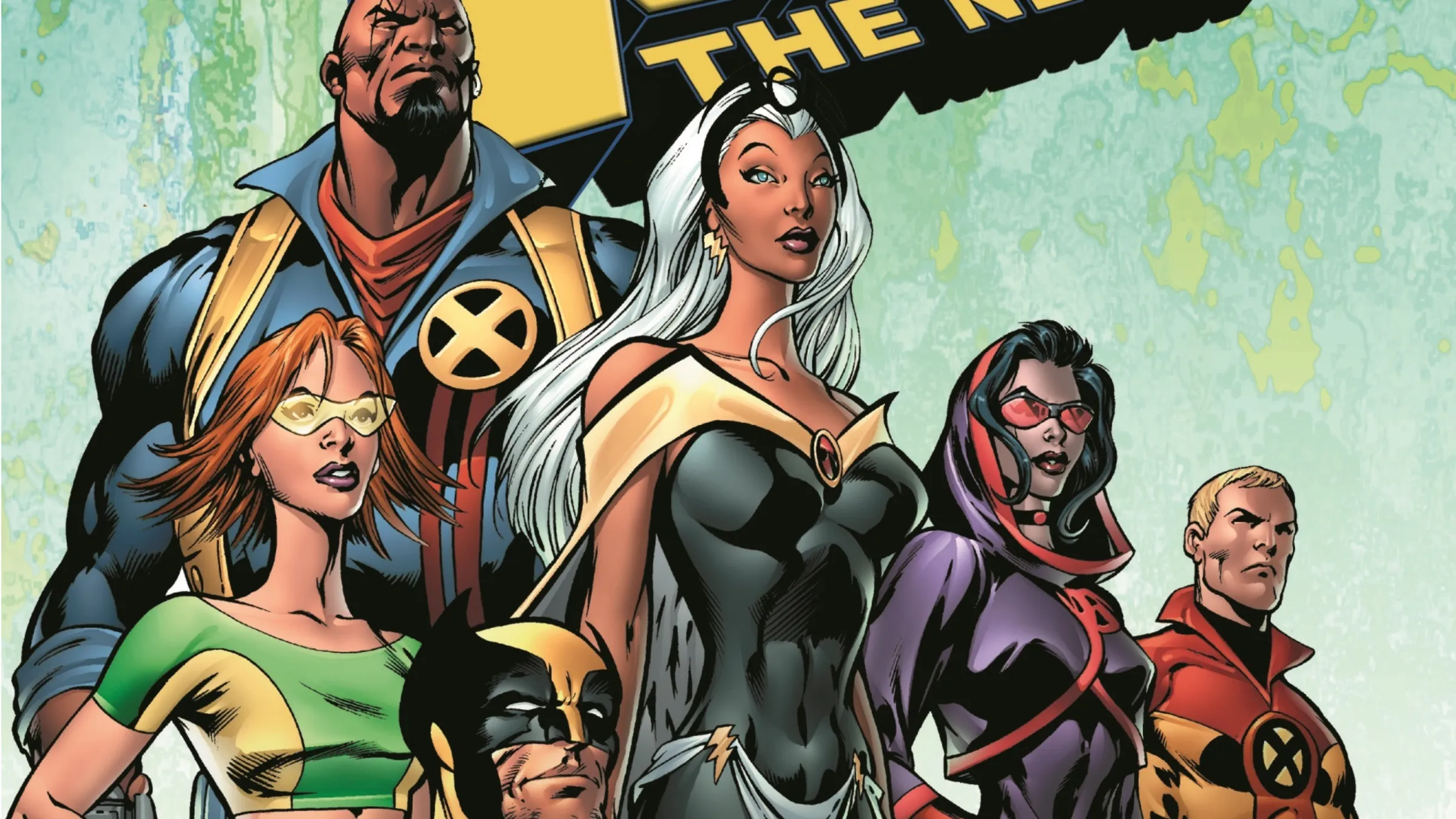
Chris Claremont’s third run on X-Men began in 2004 with a strong start, pairing him with artist Alan Davis. Their first story arc, “End of History,” launched alongside Astonishing X-Men (Vol. 3), and many fans, including myself, found it even more enjoyable. The story reimagines the X-Men as global peacekeepers who face off against Fury, a powerful, adaptable, and purely destructive interdimensional being. Claremont and Davis drew inspiration from Alan Moore’s Captain Britain (which Davis also illustrated), creating a fantastic four-issue action story that deserves wider recognition.
4) “Assault on Weapon Plus”
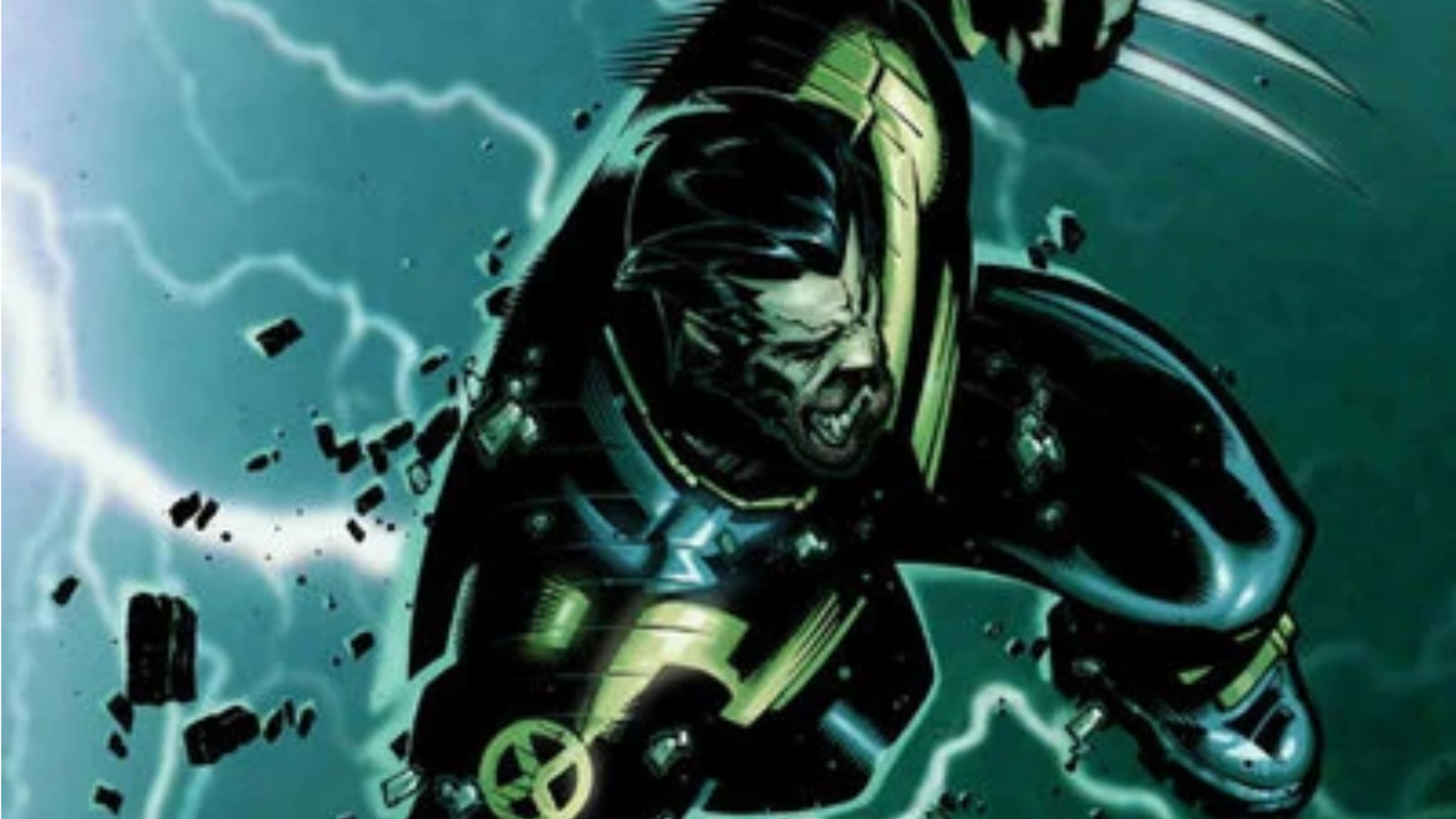
Grant Morrison’s run on New X-Men was consistently excellent, but often overlooked for its deeper details. A standout story, “Assault on Weapon Plus,” illustrated by Chris Bachalo, is a prime example. It began with the events of “Murder at the Mansion,” where Wolverine rescued Cyclops from the Hellfire Club to aid Fantomex in attacking the World – the new base of those responsible for turning him into Weapon X. This four-issue arc is uniquely inventive X-Men science fiction, a true product of Morrison’s imagination, and Bachalo’s artwork perfectly complements and enhances its eccentricities.
3) Uncanny X-Men #353-355
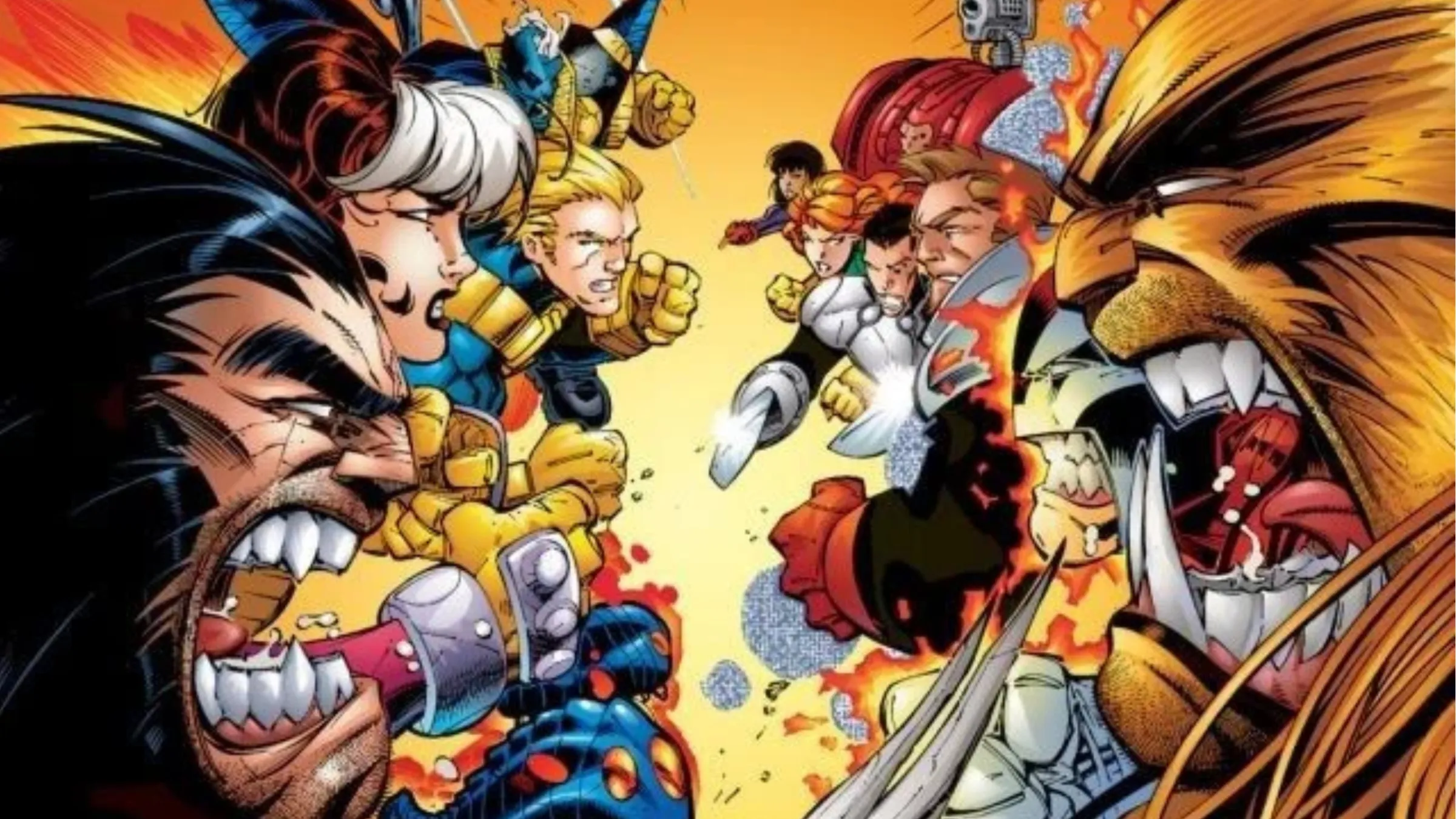
1997 marked a significant change for the X-Men. When Scott Lobdell left, Steven T. Seagle took over the Uncanny title, and he began his run with a three-part story alongside artist Chris Bachalo. The story starts with the X-Mansion being completely destroyed during “Operation: Zero Tolerance,” leaving the team to rebuild and continue their work with limited resources. Meanwhile, Rogue was facing personal struggles, Jean and Scott were in Alaska, and a mysterious new character began appearing. With the added complication of Sauron’s arrival, things quickly became chaotic. These three issues are a strong start to a new era for the team, beautifully executed by Seagle and Bachalo.
2) X-Men (Vol. 2) #77-78
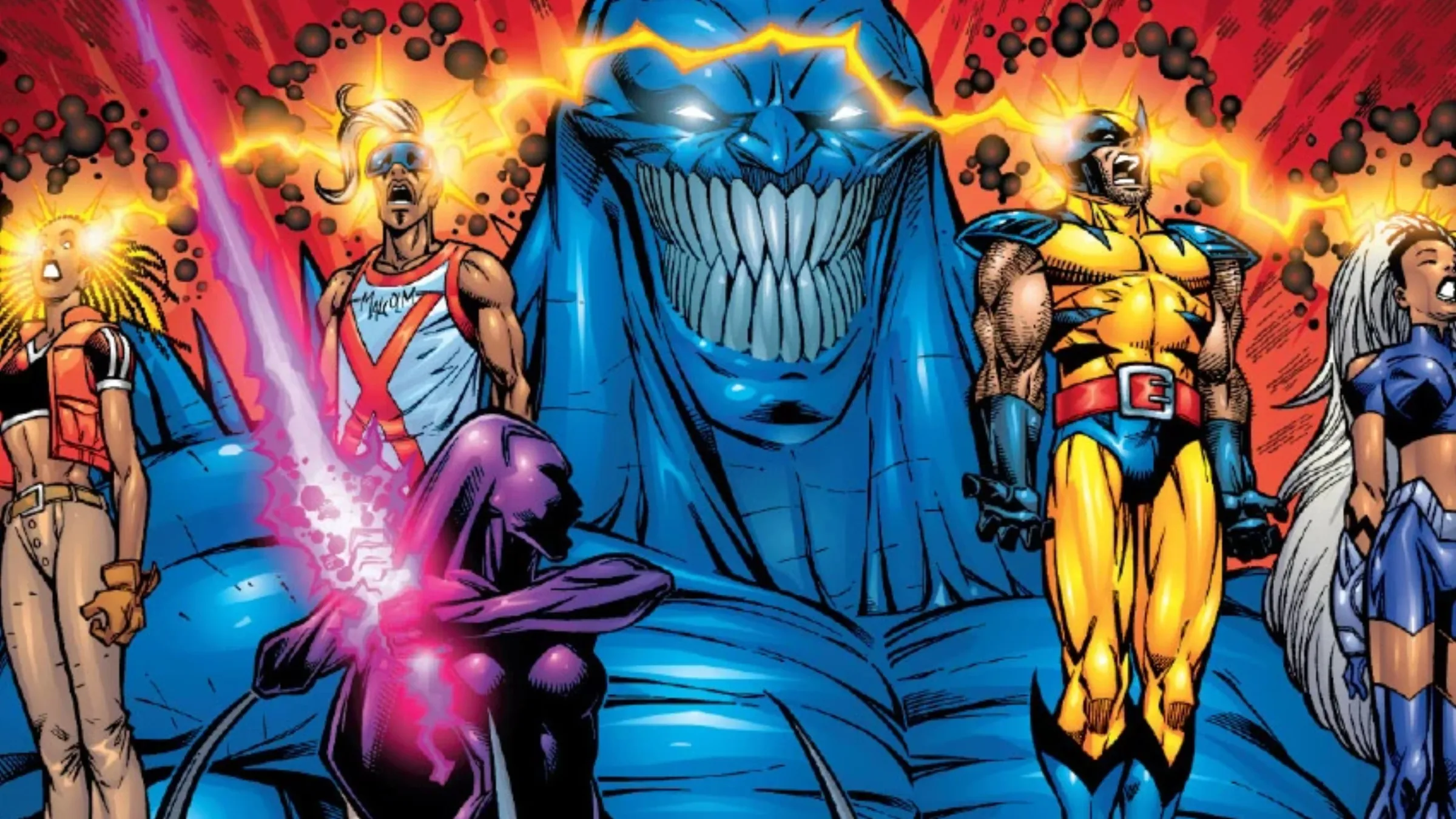
Joe Kelly joined Chris Claremont’s writing team on X-Men (Vol. 2), and their collaboration quickly became one of the most celebrated periods in the series’ history. Kelly’s run was particularly strong, highlighted by the “Psi-War” storyline in issues #77-78, featuring art by German Garcia. This arc sees the X-Men attacked by the trickster god Anansi, which turns out to be a distraction for the return of the dangerous villain, Shadow King. With the team lacking a powerful telepath and Psylocke’s abilities failing, they face overwhelming odds and a potential devastating sacrifice. Though Kelly and Garcia only worked on a few issues together, their contribution was exceptional, making this story a standout moment for both their run and the entire decade of X-Men comics.
1) Uncanny X-Men #329-330
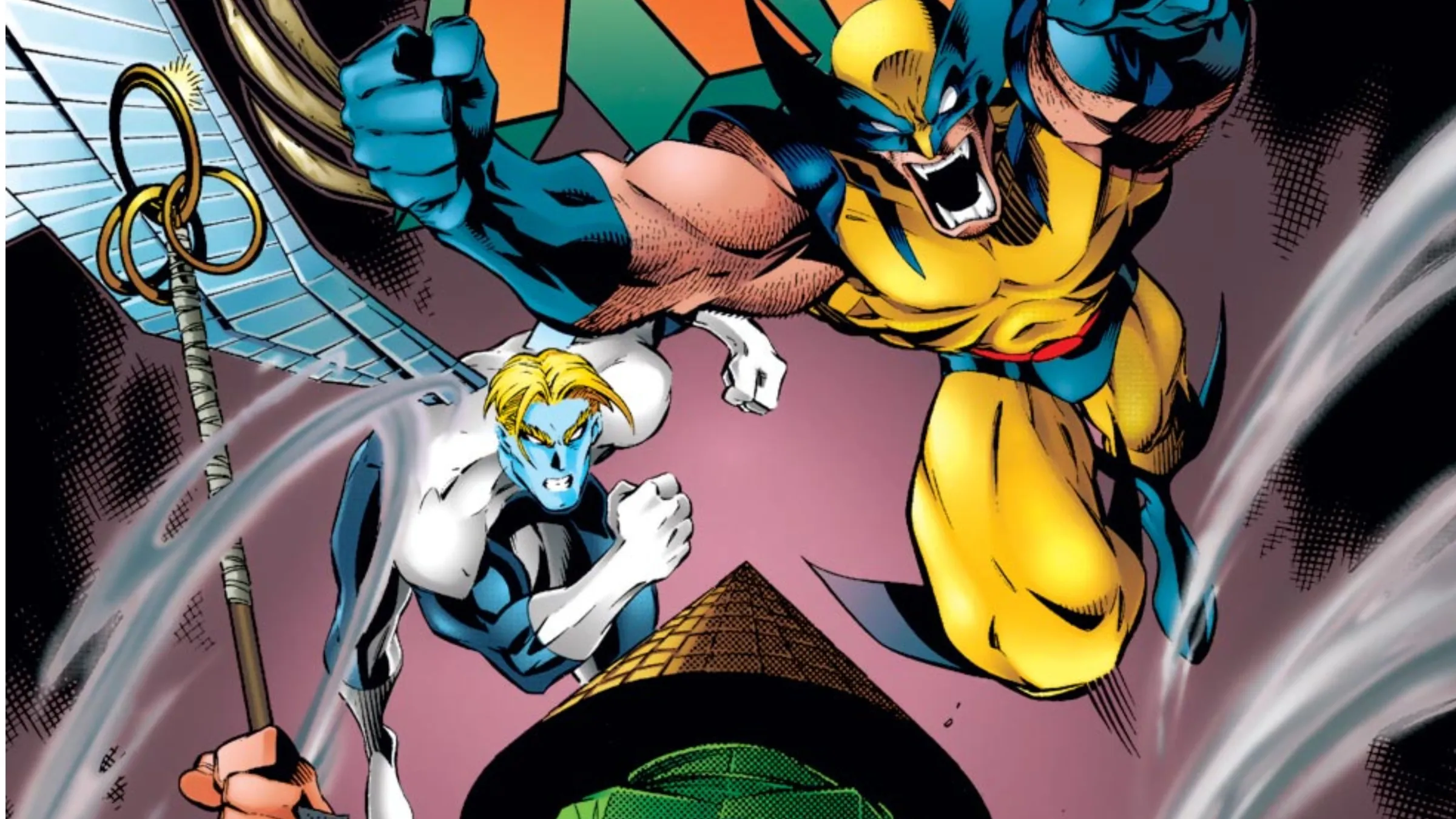
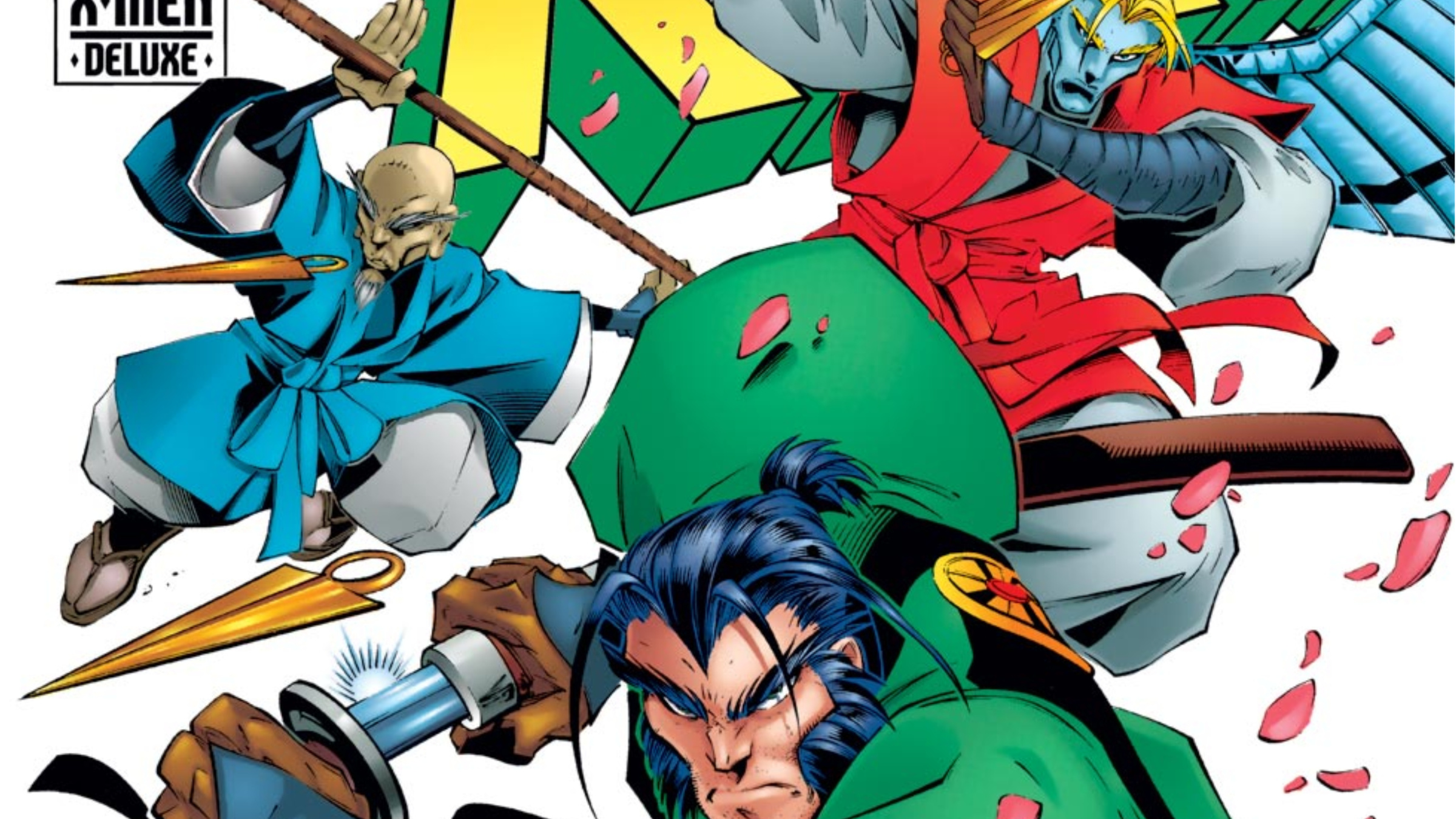
The mid-1990s weren’t a high point for the X-Men – their popularity dipped after the “Age of Apocalypse” storyline. However, despite this, some really strong stories were published between issues #322 and #335, leading up to the “Onslaught” event. Issues #329-330 of Uncanny X-Men, created by Scott Lobdell, Jeph Loeb, and Joe Madureira, are particularly memorable. They’re heavily inspired by the movie Big Trouble in Little China, following Wolverine and Archangel as they search for the ancient Gomurr to save Psylocke’s life after a brutal attack by Sabretooth (that previous issue is also worth reading!). Their quest takes them to a dangerous and unfamiliar side of New York City, and it’s packed with exciting magical martial arts action. Joe Madureira’s artwork is especially impressive in these issues. This two-part story is often overlooked, which is a shame, because it’s fantastic.
Read More
- Gold Rate Forecast
- 10 Most Powerful Versions of Superman, Ranked
- GBP CNY PREDICTION
- 10 Best Free Games on Steam in 2026, Ranked
- 007 First Light: Release Date, Story, Gameplay, Cast, Editions, and Platforms
- Superman’s 7 Best Power-Ups, Ranked
- Forza Horizon 6 Car List So Far: Confirmed Highlights, Cover Cars, DLC, and Rewards
- 10 Greatest Manga Endings of All Time
- DOGE PREDICTION. DOGE cryptocurrency
- The Boys Officially Sets Up 4 Supes for Jensen Ackles’ Soldier Boy Spinoff
2026-05-30 16:16