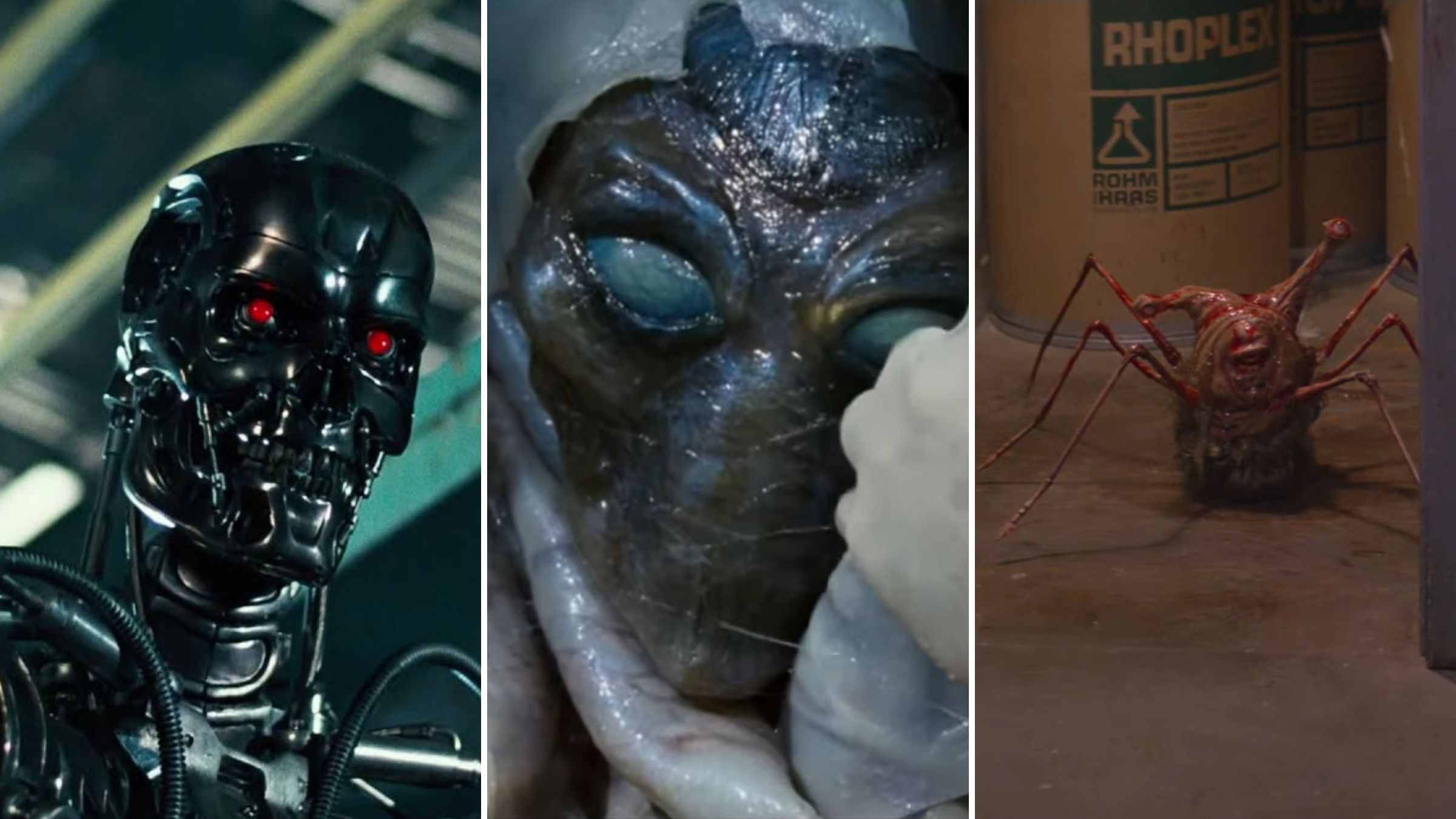
Science fiction movies now heavily rely on computer-generated imagery, or CGI, to build everything we see – from alien landscapes and fantastical creatures to epic space battles. This makes sense, as digital effects give filmmakers almost unlimited creative freedom to design distant planets, bleak futures, and incredible beings. While Hollywood’s use of green screens and powerful computers has led to visually stunning films, like the Avatar movies, the unique appeal and realism of traditional, physical effects are hard to beat when it comes to creating characters we truly remember.
Puppetry is a unique art form requiring incredible skill and technical work to make something lifeless seem alive. Creature shops use detailed mechanics, like controlled limbs and materials such as foam and latex, to build puppets that physically interact with actors. This real-world connection creates a sense of weight and believability that’s often missing in digital effects, and allows these practical creations to remain impressive even years later.
7) The Harvesters
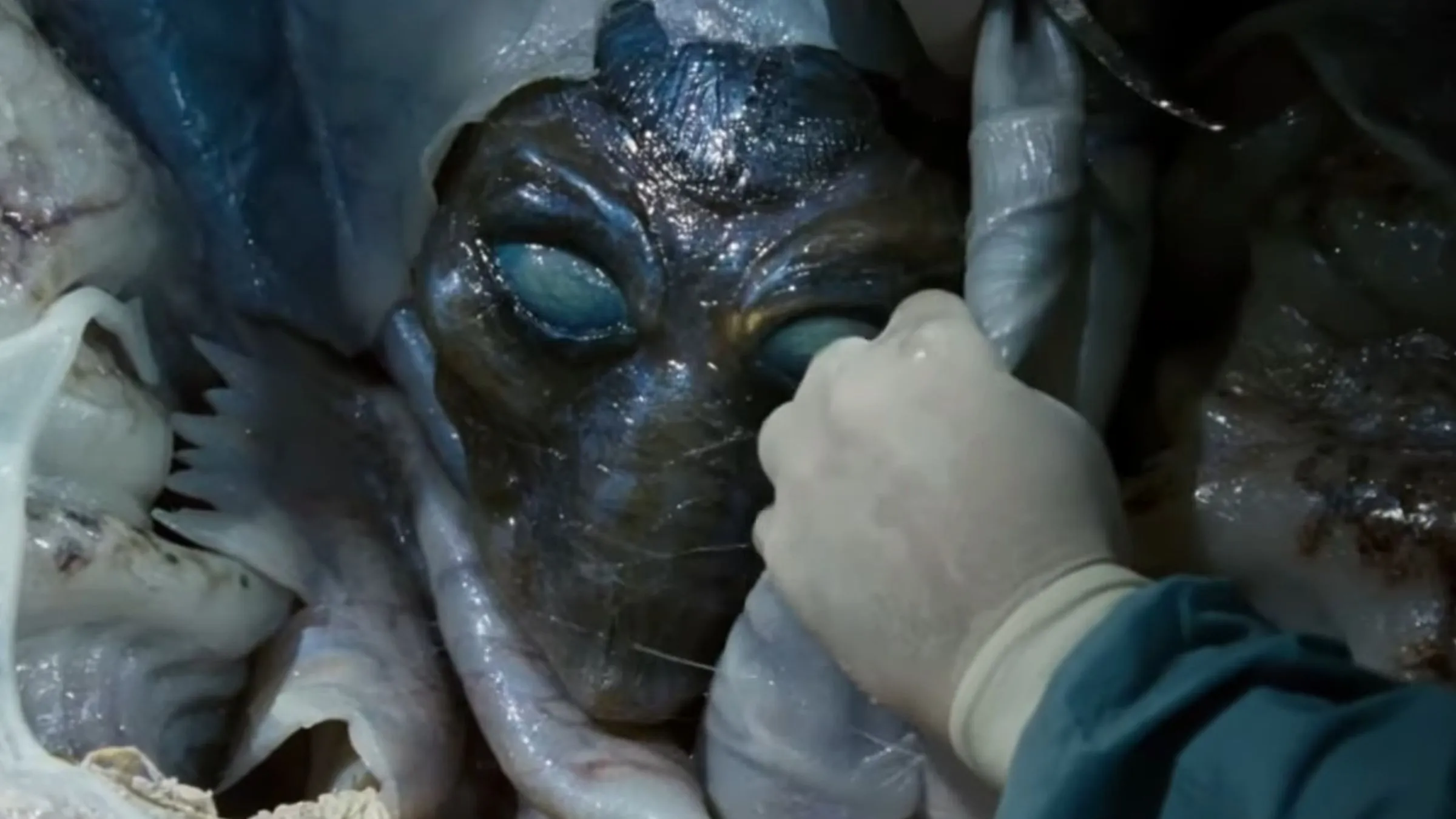
One of the most memorable scenes in Independence Day takes place inside Area 51, where scientists examine a captured alien scout, nicknamed a “Harvester.” The filmmakers, led by designer Patrick Tatopoulos, created a life-sized, eight-foot puppet of the alien inside a complex bio-mechanical suit. During the autopsy, the outer shell of the suit dramatically split open, revealing a smaller, more classic “grey” alien within—a clever design idea from Tatopoulos. Besides the puppet, a stunt performer wore a version of the suit for scenes where the alien thrashes and throws scientists around. The scene reaches its peak when the alien communicates telepathically, hissing “No peace” through the possessed Dr. Okun. The puppet’s physical presence and the actors’ interactions with it made this moment especially impactful.
6) The Spider-Head
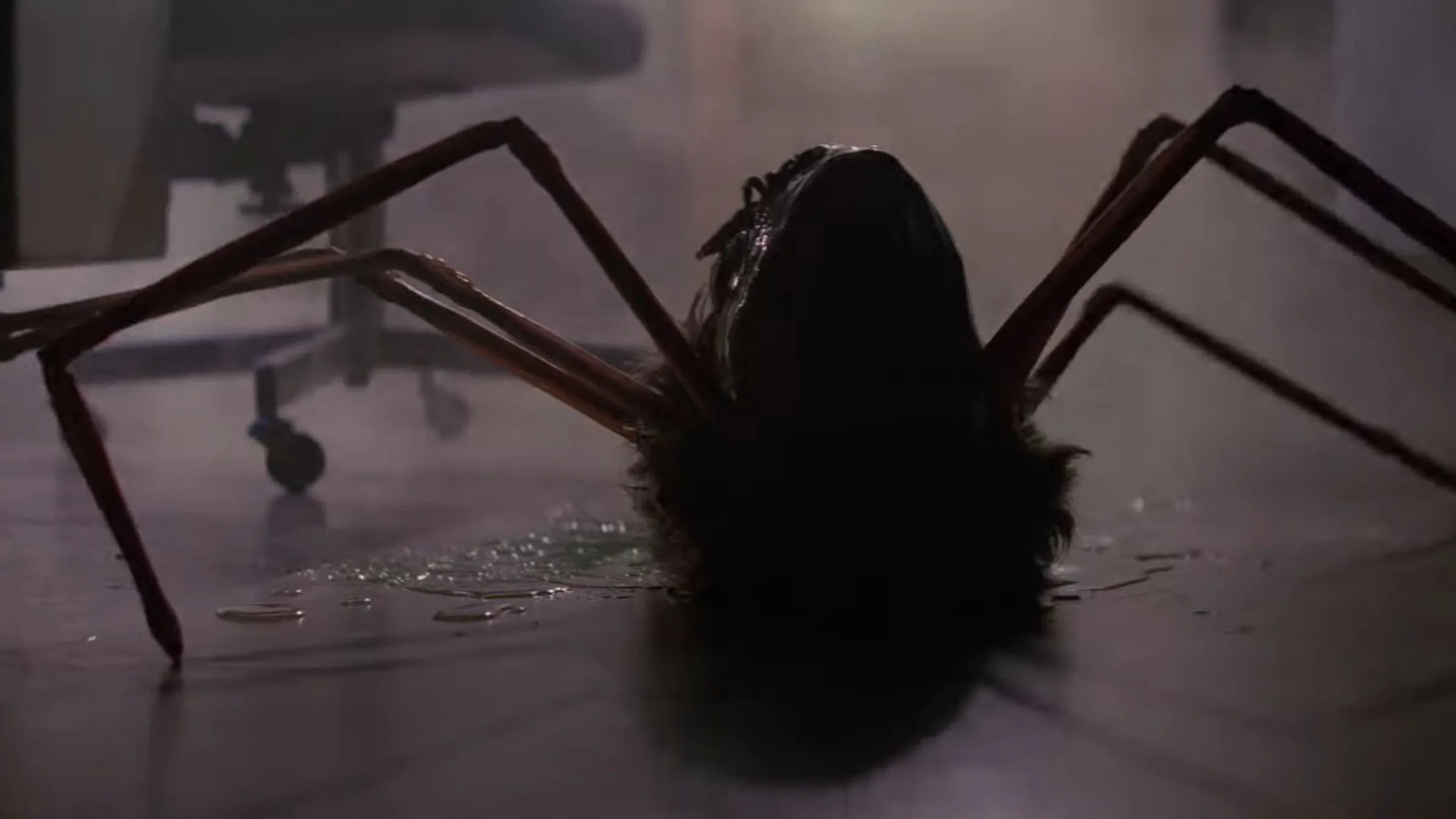
A truly unforgettable scene in John Carpenter’s The Thing involves the severed head of Norris (Charles Hallahan) unexpectedly coming to life. It grows crab-like legs and scuttles across the floor, a feat accomplished with incredibly creative practical effects. Special effects artist Rob Bottin designed the creature as a complex puppet controlled by cables and operated by technicians just off-camera. Built from foam latex with detailed moving parts, the puppet’s jerky movements felt more realistic than if it had been stop-motion animated. The effect was performed live on set, allowing Kurt Russell and the other actors to react genuinely to the physical creature, making the scene even more terrifying.
5) Jabba the Hutt
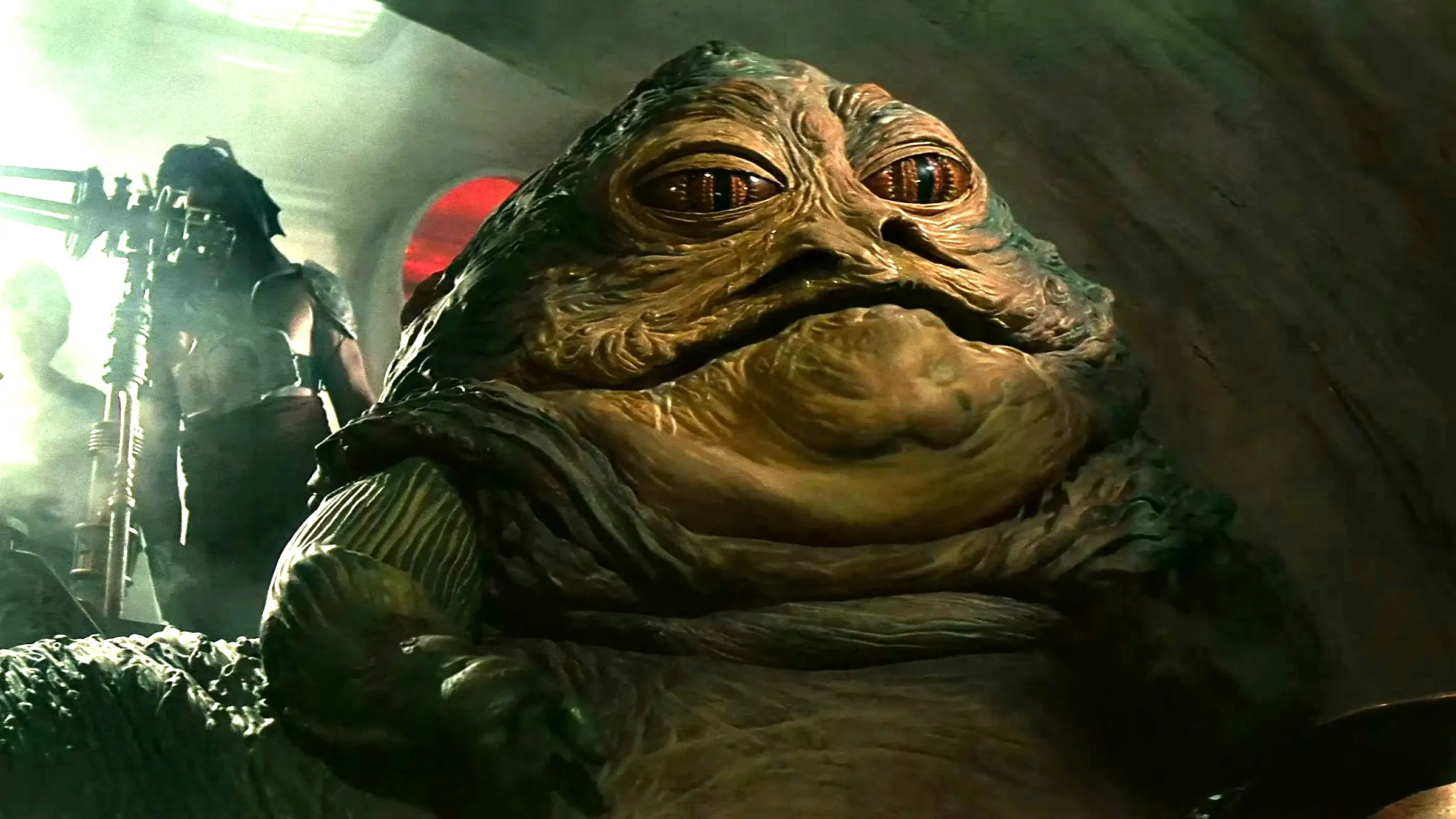
Although Star Wars shares similarities with fantasy stories, it also heavily incorporates science fiction elements. We’ve already discussed the impressive Yoda puppet in the context of fantasy, so now we’re celebrating another incredible practical effect: Jabba the Hutt. Introduced in Return of the Jedi, this notorious gangster was brought to life through a remarkable engineering achievement – a nearly ton-heavy, full-scale puppet. David Barclay and Mike Quinn operated the puppet from the inside, while a team led by Phil Tippett used radio controls and cables hidden in the throne room set to animate the tail, tongue, and facial expressions. Carrie Fisher’s genuine reaction of disgust towards Jabba came from interacting with a real, moving puppet, not a digital effect added later. The puppet’s massive size and weight also contributed to the intimidating feel of the throne room, making it one of the most memorable settings in the entire franchise.
4) The T-800 Endoskeleton
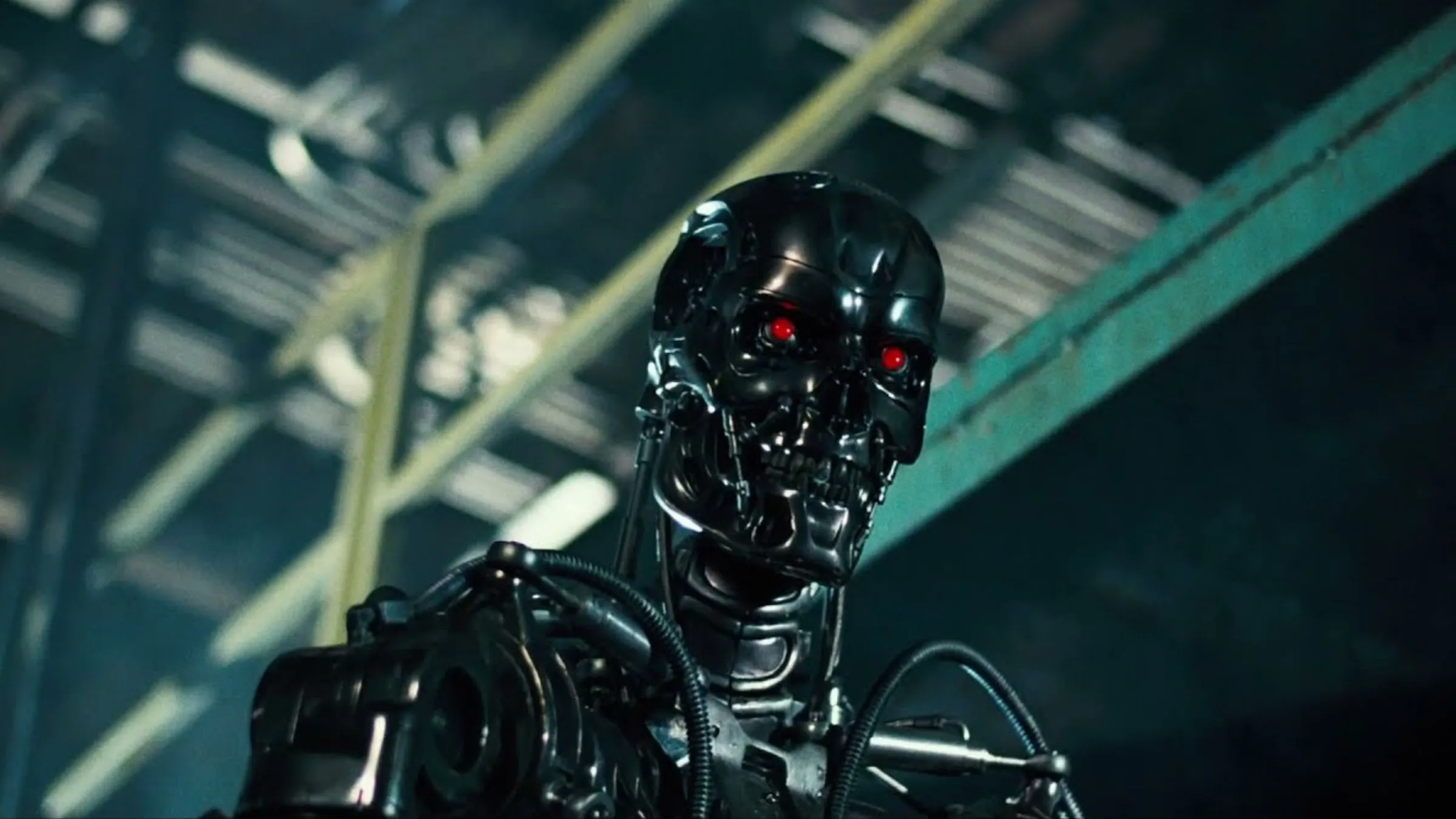
The thrilling finale of James Cameron’s The Terminator unveiled the terrifying metallic skeleton beneath Arnold Schwarzenegger’s character. This chrome nightmare was brought to life using a combination of stop-motion animation and a remarkably detailed, full-sized puppet created by Stan Winston. The puppet’s endoskeleton featured glowing eyes controlled remotely and a mechanically moving jaw powered by cables hidden inside its skull. During the climactic factory scene, the physical puppet was used for close-up shots, realistically limping through the machinery as it relentlessly pursued Sarah Connor (Linda Hamilton). Hamilton’s believable fear was heightened by the puppet’s presence on set, with the whirring of its internal mechanisms emphasizing the cold, calculating nature of the pursuing AI.
3) The Xenomorph Queen
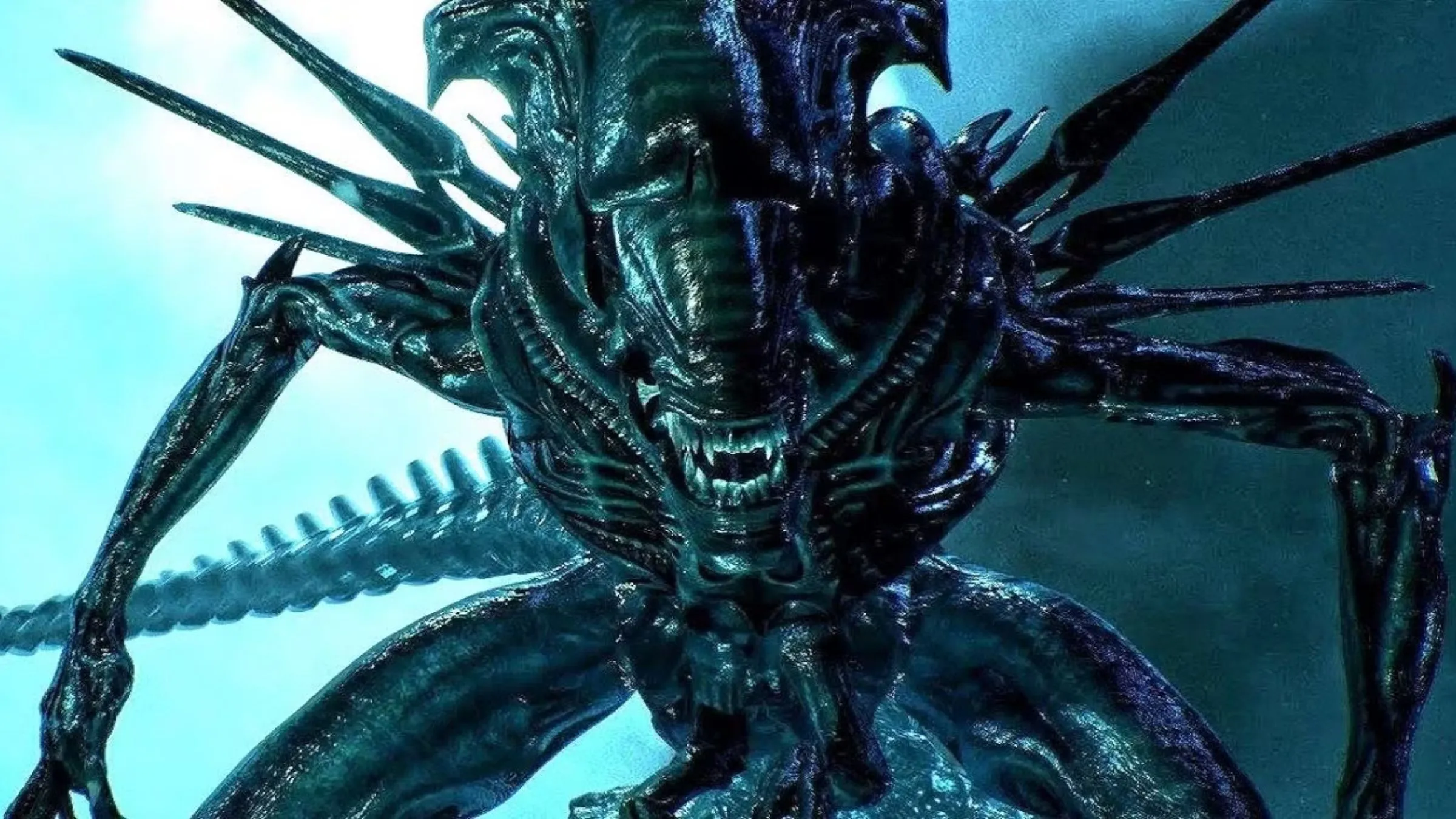
James Cameron’s Aliens revolutionized the sci-fi genre with its stunning action and expanded the story’s universe, most notably by introducing the Xenomorph Queen. This 16-foot-tall creature, created by Stan Winston’s team, was a remarkable feat of practical effects. Tom Woodruff Jr. operated the Queen from inside its body, while off-screen puppeteers used cables, hydraulics, and remote control to move its neck, jaws, and protective shell. The film’s climactic battle featured Ripley (Sigourney Weaver) piloting a power loader to physically fight the Queen. The scene’s emotional impact was heightened because Weaver acted opposite a real, physical creature, rather than relying on computer-generated imagery that would be added later.
2) The Tyrannosaurus Rex
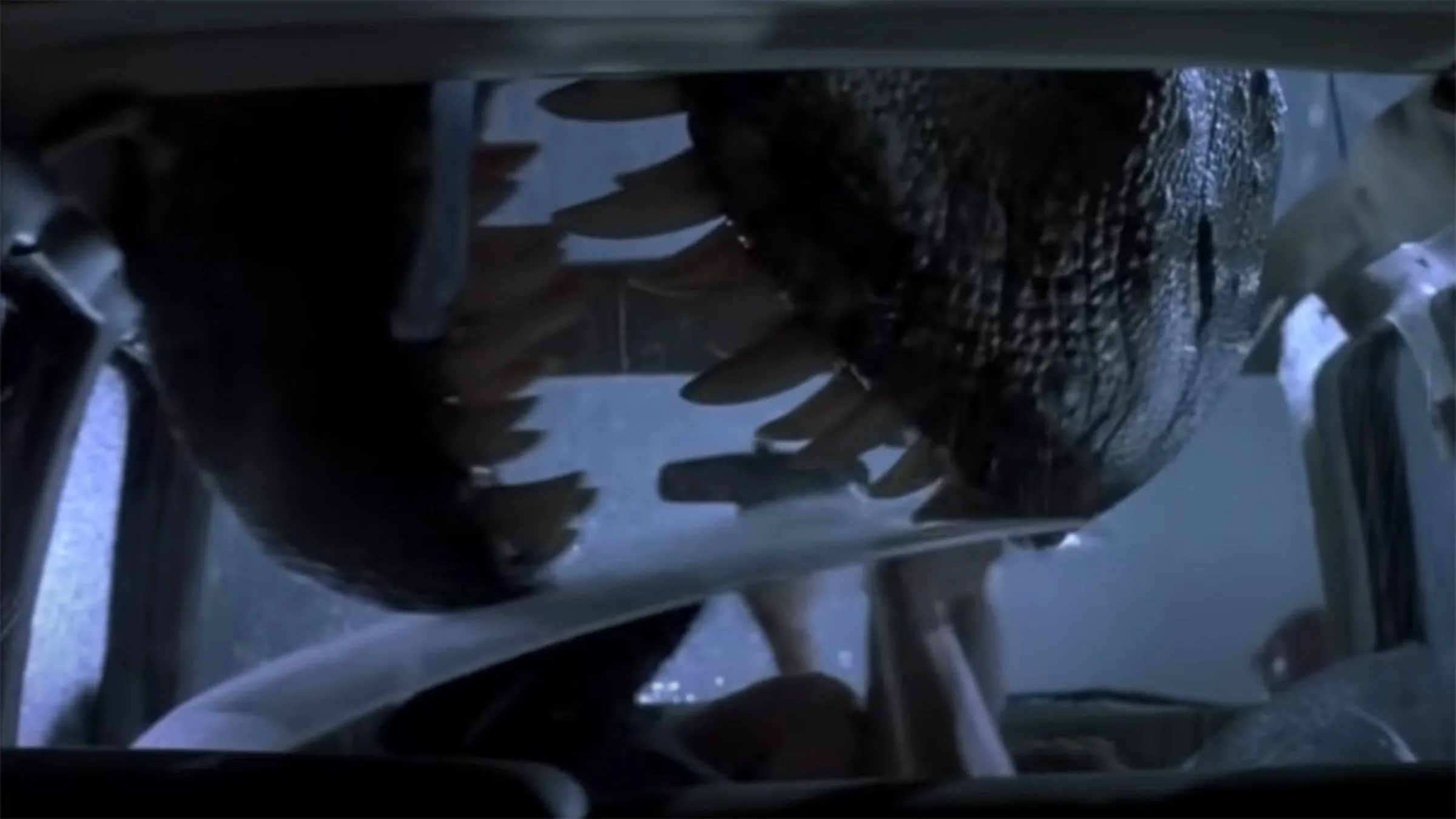
Steven Spielberg’s Jurassic Park brought dinosaurs to life using a groundbreaking mix of computer effects and incredibly realistic, full-sized puppets. The Tyrannosaurus rex, built by Stan Winston’s team, is still considered the most impressive creation from the workshop. This forty-foot-long puppet was powered by powerful hydraulics, allowing it to deliver crushing blows or gentle touches. Its skin was made of thousands of individual scales fitted over a steel frame, and puppeteers controlled its movements – roaring, blinking, and breathing – from a control room, perfectly matching the on-screen action. For example, during the attack on the Explorer vehicle, actors Joseph Mazzello and Ariana Richards were actually interacting with the dinosaur’s massive head, which is a major reason why the film still looks so convincing today.
1) E.T. the Extra-Terrestrial

The emotional impact of E.T. the Extra-Terrestrial wouldn’t have been possible without the incredible work of Carlo Rambaldi’s animatronic puppet. E.T.’s face was a complex network of cables and levers, skillfully controlled by puppeteers who brought the creature to life with expressions of curiosity, wonder, and heartbreaking loneliness. The puppet’s neck could extend and retract to show alarm, and its glowing heart-light pulsed with its feelings—all done live on set. Henry Thomas, the young actor, even formed a real friendship with the puppet during filming, treating it like a companion, and that genuine connection shines through in his performance. When E.T. is dying and his light dims, the audience truly feels his pain, proving that practical puppetry can create a believable and deeply moving illusion of life. This makes E.T. the Extra-Terrestrial a powerful example of the art form.
What science fiction puppet do you believe has the best practical character design? Share your thoughts in the comments and join the discussion on the ComicBook Forum!
https://comicbook.com/movies/list/7-greatest-fantasy-movie-puppet-characters-ranked/embed/#
Read More
- Gold Rate Forecast
- 10 Most Powerful Versions of Superman, Ranked
- GBP CNY PREDICTION
- 10 Best Free Games on Steam in 2026, Ranked
- 007 First Light: Release Date, Story, Gameplay, Cast, Editions, and Platforms
- Superman’s 7 Best Power-Ups, Ranked
- Forza Horizon 6 Car List So Far: Confirmed Highlights, Cover Cars, DLC, and Rewards
- 10 Greatest Manga Endings of All Time
- DOGE PREDICTION. DOGE cryptocurrency
- BONK/USD
2026-05-09 21:14