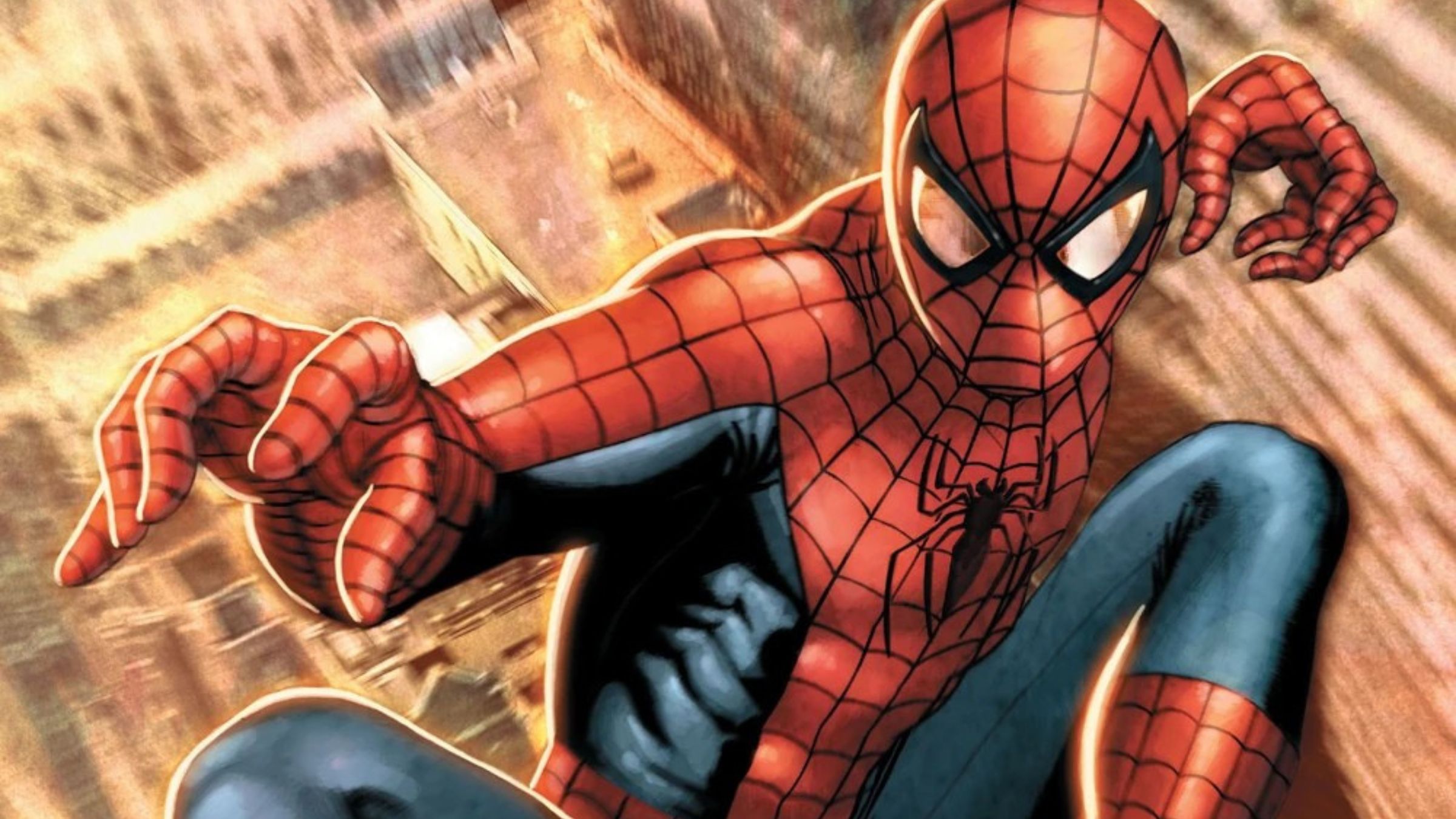
Spider-Man experienced a particularly turbulent ride throughout the 2000s, with more dramatic shifts than most characters in the Marvel universe. Since his debut in Amazing Fantasy #15, Peter Parker has consistently evolved – from a nerdy teenager to a college student and eventually a successful businessman. But the 2000s brought an unprecedented level of change, including a reimagining of his origin story and the controversial dissolution of his marriage to Mary Jane Watson. This bold move effectively restarted Spider-Man’s life, setting the stage for one of the most celebrated storylines of the following decade.
The 2000s were a defining decade for Spider-Man, filled with huge moments like the introduction of the spider-totem, the creation of Superior Spider-Man, and the controversial ‘One More Day’ storyline. Here’s a look back at some of the most memorable events.
7) Superior Spider-Man
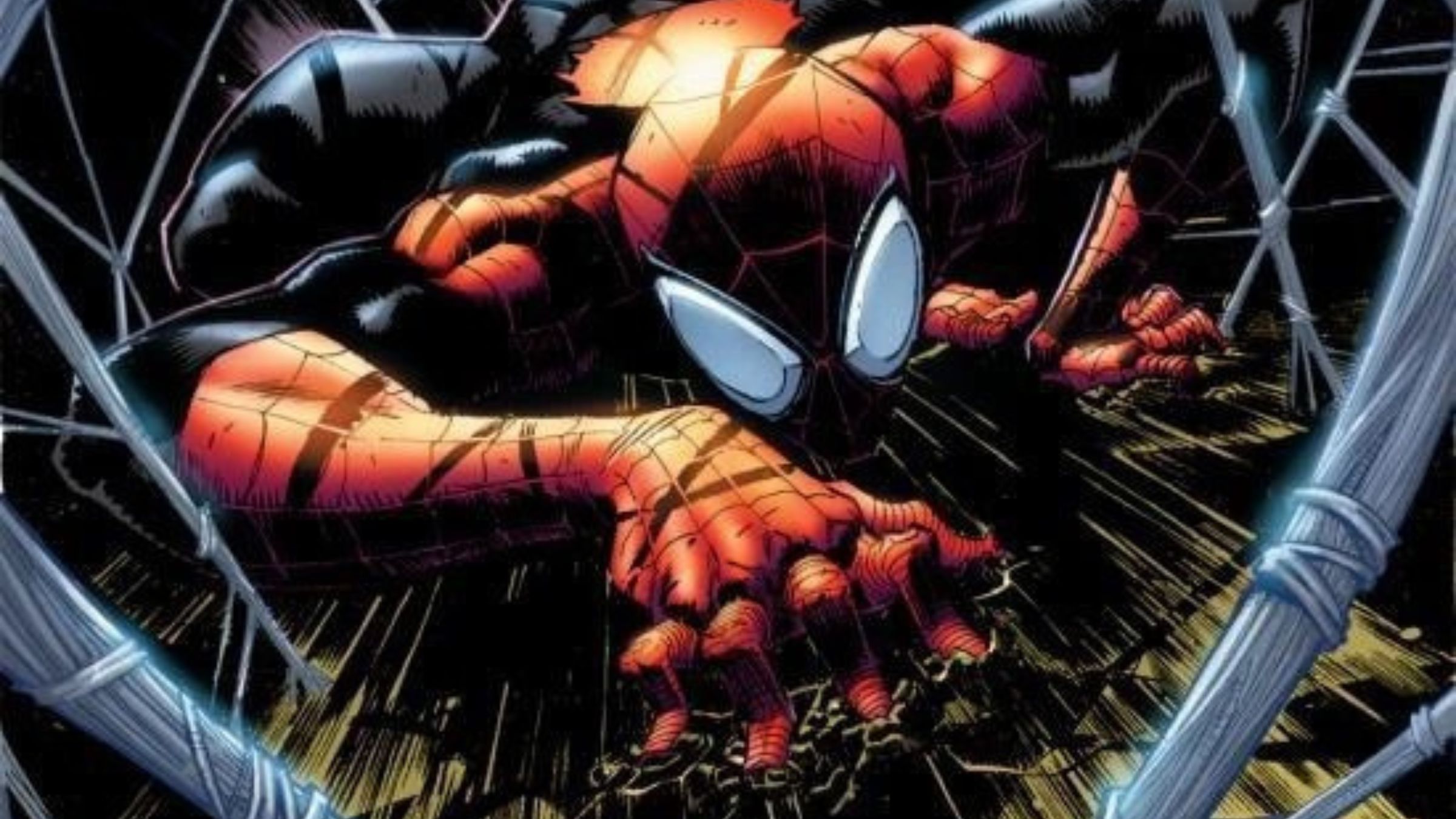
The climax of Amazing Spider-Man #700 was incredibly surprising. During a fight with a very sick Doctor Octopus, Doc Ock managed to switch bodies with Peter Parker. When the battle concluded, Doc Ock died, but his consciousness remained in Peter Parker’s body, effectively making Doctor Octopus the new Spider-Man – a being known as the Superior Spider-Man.
The original Amazing Spider-Man comic book series concluded, and Marvel then launched Superior Spider-Man, featuring Doctor Octopus taking on the Spider-Man role. Written by Dan Slott and illustrated by Humberto Ramos, this new series presented a Spider-Man who was more aggressive, boastful, and calculating than Peter Parker ever was, straining his relationships with friends and colleagues. However, the story included a surprise: a portion of Peter Parker’s consciousness remained within Doc Ock, subtly influencing him to be a more heroic figure. The series lasted 33 issues, running from 2013 to 2014.
6) Peter Parker Returns During “Goblin Nation”
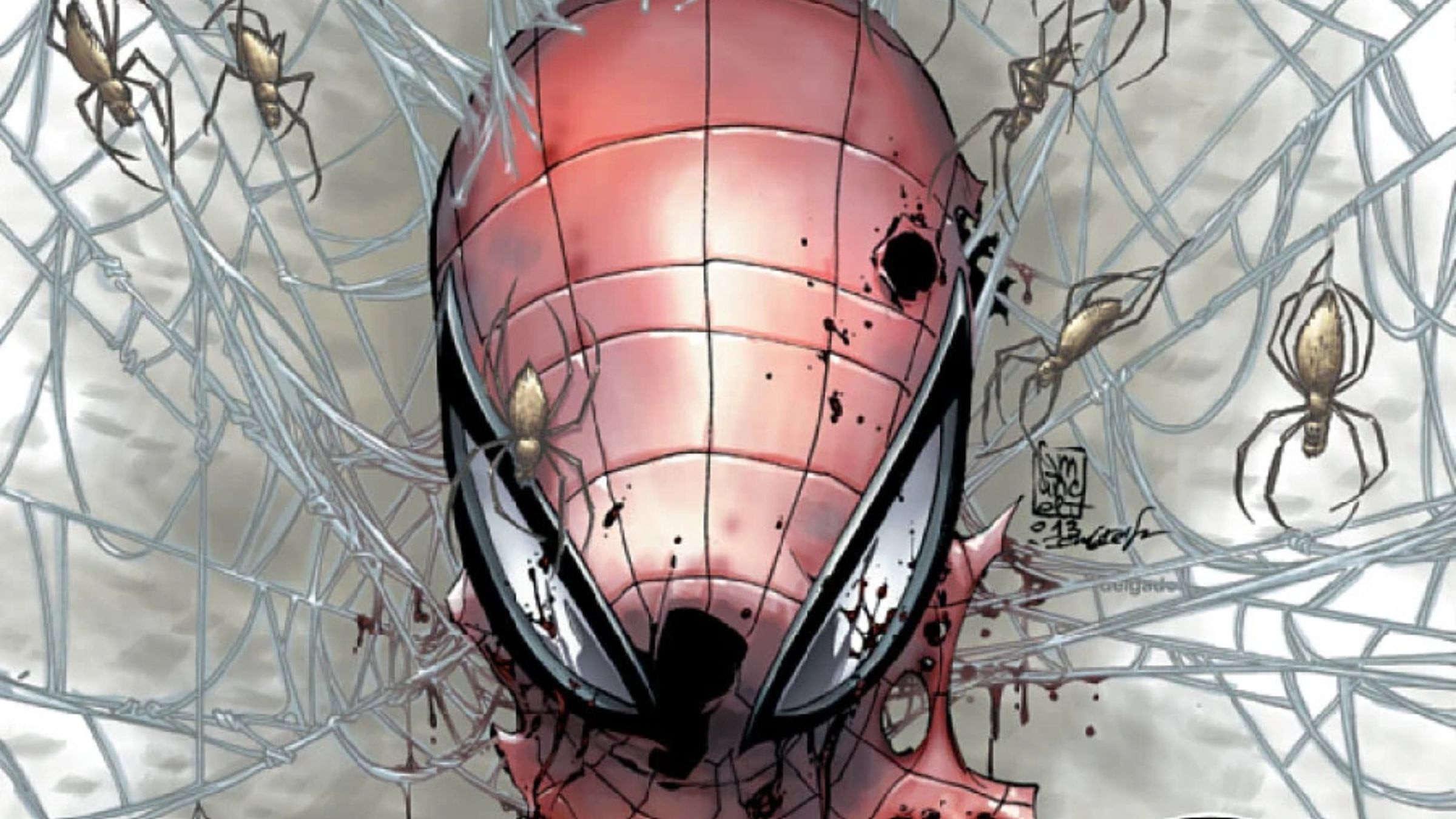
The Superior Spider-Man storyline was a great success, keeping the title popular for nearly three years, and it concluded with a major event during the “Goblin Nation” arc, issues #27-30. Throughout the series, Doctor Octopus began to behave more heroically. Ultimately, when he faced the returning Green Goblin (Norman Osborn) and realized he couldn’t defend New York City alone, he understood that Peter Parker’s spirit was still present within him.
The “Goblin Nation” storyline was an exciting rollercoaster, showcasing Norman Osborn’s continued villainy as the Green Goblin. However, the real turning point came when Doctor Octopus tried to eliminate Peter Parker, ultimately leading to the return of Spider-Man. This brought the Superior Spider-Man series to a close and allowed Peter Parker to begin rebuilding relationships with his friends and allies, ultimately seeking redemption.
5) Aunt May Gets Shot by an Assassin
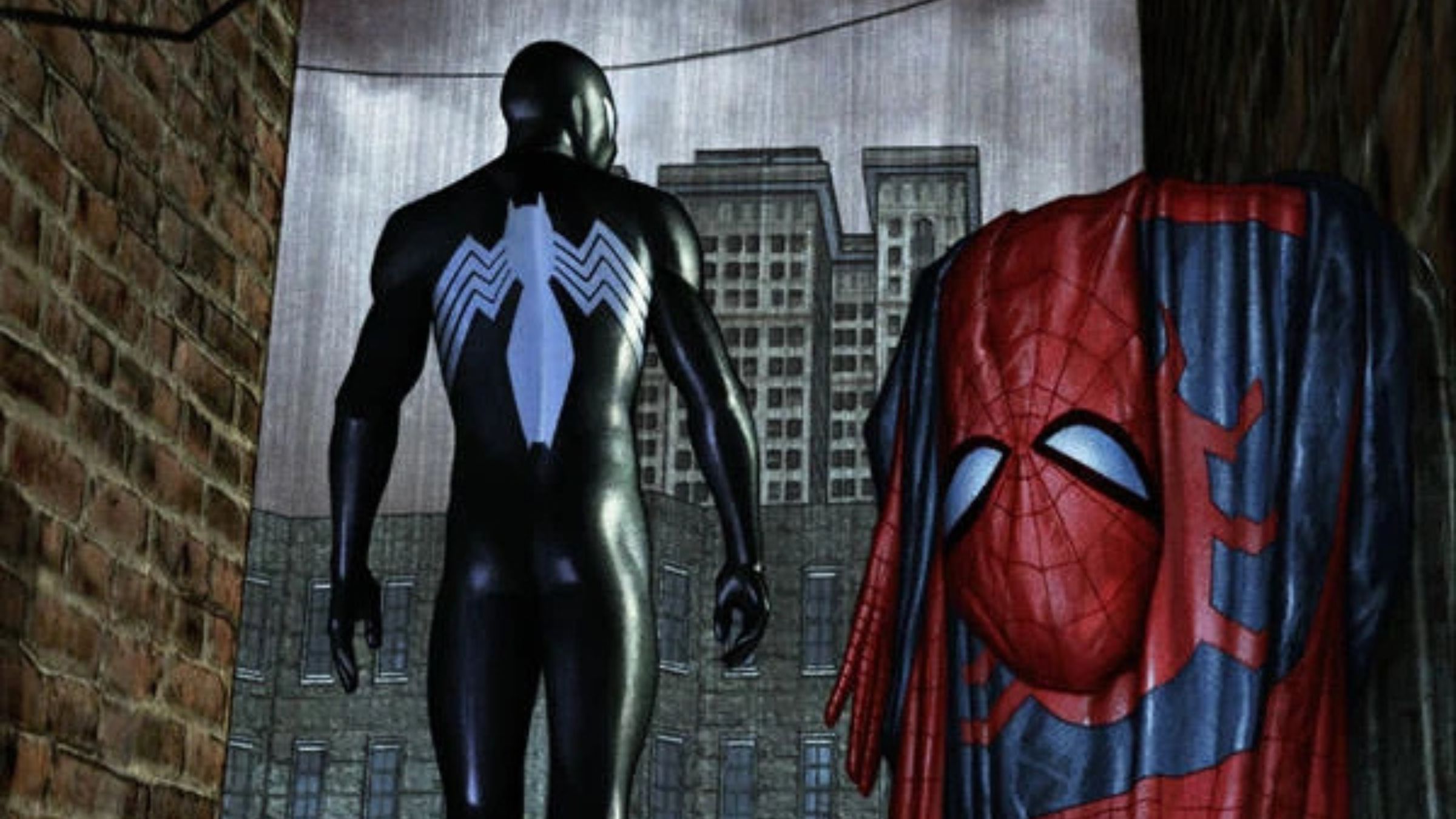
Marvel’s “Civil War” focused heavily on infighting among superheroes, diverting their attention from global threats. The storyline challenged readers to choose between Iron Man’s approach – a stricter, government-controlled system – and Captain America’s more independent stance. The conflict even involved popular heroes like Spider-Man, who sided with Iron Man.
When Iron Man publicly forced Spider-Man to reveal his identity, it put Peter Parker’s family, including Aunt May, at risk. Soon after, the Kingpin hired an assassin who shot Aunt May. This traumatic event led to a particularly dark period for Spider-Man, culminating in the “Back in Black” storyline. Driven by rage, Spider-Man relentlessly hunted down those responsible, eventually confronting and defeating the Kingpin in a brutal prison fight. It was a shockingly violent turn for the hero, and a memorable, if grim, chapter in his history.
4) Peter Parker Makes a Deal with Mephisto

Even if many readers disliked it, a moment can still be incredibly memorable. A prime example is when Peter Parker and Mary Jane Watson discovered Aunt May was likely dying after being shot by a hitman working for Kingpin. This crisis brought Mephisto into the story, offering them a deal. Although deals with Mephisto always backfire, this one particularly upset a large segment of Spider-Man fans.
Peter Parker and Mary Jane Watson divorced to save Aunt May’s life, a controversial decision that significantly changed Spider-Man’s comic book stories. This event allowed Marvel to start fresh with the “Brand New Day” reboot, which introduced some well-received storylines. However, many fans still wish Peter and Mary Jane would reconcile.
3) Morlun Tears Out Spider-Man’s Eye

J. Michael Straczynski created the characters Morlun and Ezekiel Sims in the “Coming Home” story arc, establishing Morlun as a major threat to Spider-Man. Morlun and his family, known as the Inheritors, traveled between worlds, hunting beings with animal-like powers to sustain their youth and strength. While Ezekiel Sims initially warned Spider-Man about Morlun’s abilities, the full extent of those powers became clear during their second battle.
The first battle in the “Coming Home” storyline saw Spider-Man unintentionally poison Morlun by injecting him with radiation while Morlun was trying to drain Peter’s life force. Their second fight, in “The Other,” was much worse. Morlun brutally defeated Spider-Man, even going so far as to tear out and consume one of Peter’s eyes. Spider-Man ultimately died as a result of these injuries.
2) Spider-Man Becomes The Other
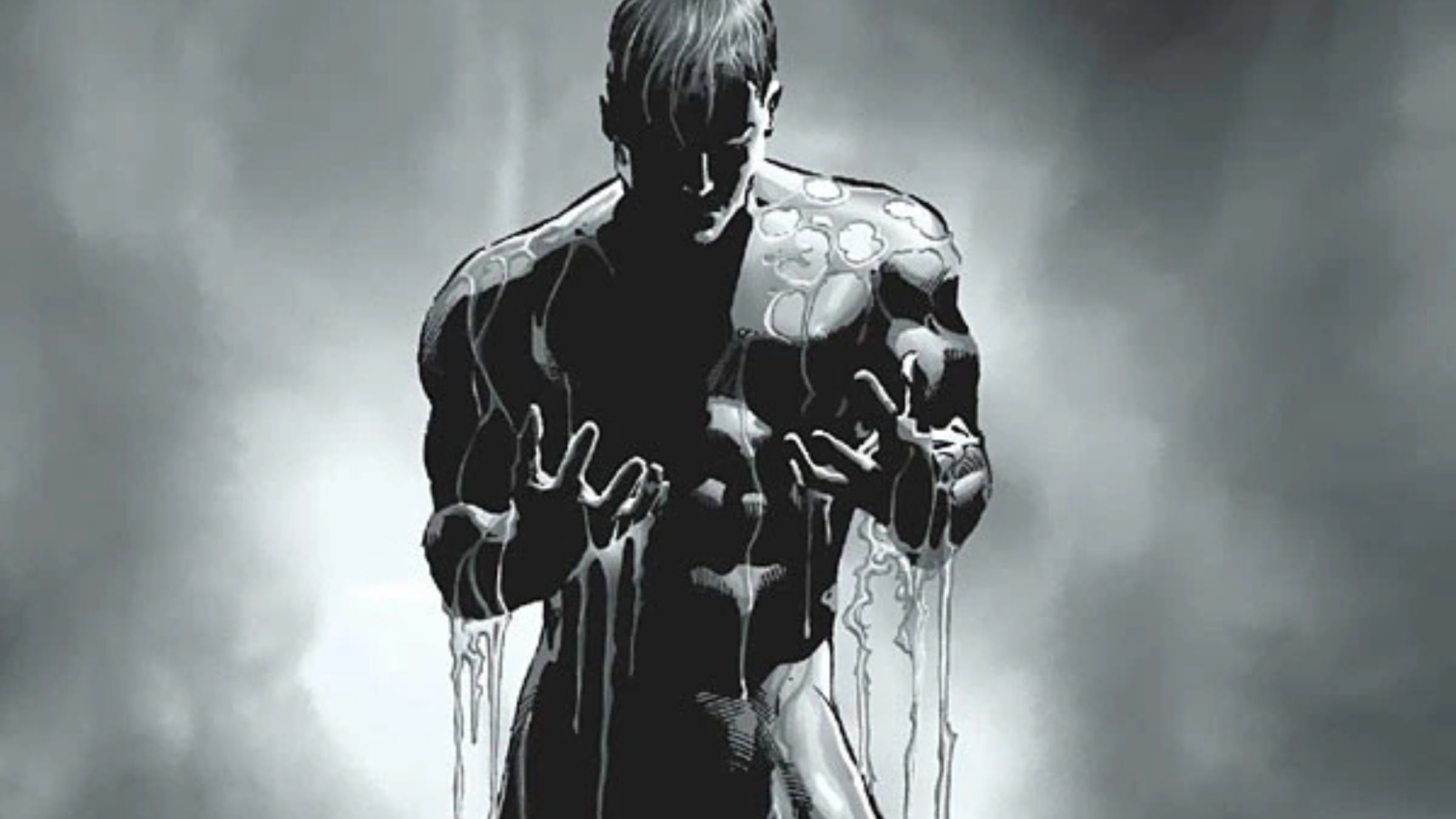
“The Other: Evolve or Die” was a 12-part story arc that ran from 2005 to 2006 across three different Spider-Man comic book titles: Amazing Spider-Man, Friendly Neighborhood Spider-Man, and Marvel Knights Spider-Man. A large team of writers and artists collaborated on the story. It centers around Peter Parker’s desperate fight for survival after a brutal beating by Morlun. After being hospitalized, Peter ultimately succumbed to his injuries when Morlun returned to deliver the final blow.
But things took a surprising turn, bringing elements of body horror to the Spider-Man comics. Because of the spider-totem concept, Peter Parker underwent a strange transformation, shedding his skin like a snake and emerging with a new, more powerful form. He gained abilities like night vision, stingers, and sharper senses. This development fully realized the spider-totem ideas introduced by J. Michael Straczynski and added significant depth to the larger “Spider-Verse” storyline.
1) Spider-Man Unmasks During “Civil War”

One of Spider-Man’s defining moments of the 2000s happened during the “Civil War” storyline, which set the stage for many other important events. Spider-Man joined Iron Man’s side, primarily because he believed in supporting the government. Unfortunately, Iron Man often acted selfishly, and he pressured Spider-Man to reveal his identity on television to gain public support for his cause.
Iron Man didn’t think about the risks his actions posed to Peter Parker’s family and friends, which ultimately led to an attempt on Aunt May’s life orchestrated by one of Kingpin’s henchmen. This caused Spider-Man to briefly align with opposing forces in the “Back in Black” storyline, nearly costing him his life at the hands of Iron Man’s allies. While the conflict was resolved with “Brand New Day,” Spider-Man’s decision to reveal his identity to the world remains his most defining moment since the year 2000.
What do you think? Leave a comment below and join the conversation now in the ComicBook Forum!
Read More
- FRONT MISSION 3: Remake coming to PS5, Xbox Series, PS4, Xbox One, and PC on January 30, 2026
- Best Controller Settings for ARC Raiders
- Mark Zuckerberg & Wife Priscilla Chan Make Surprise Debut at Met Gala
- Meet the cast of Good Omens season 3: All the actors and characters
- 7 Great Marvel Villains Who Are Currently Dead
- ‘The Boys’: 6 Characters Most Likely To Die in Season 5
- Welcome to Demon School! Iruma-kun season 4 release schedule: When are new episodes on Crunchyroll?
- Wistoria: Wand and Sword Season 2 release schedule: When are new episodes out?
- The Boys Season 5 Officially Ends An Era For Jensen Ackles’ Soldier Boy
- AVAX PREDICTION. AVAX cryptocurrency
2026-04-25 22:13