
DC’s most popular characters aren’t necessarily the most complicated, but they are consistently well-built. They’re at the heart of enduring stories, have adaptable central ideas, and can be updated repeatedly while still remaining familiar. Consistent editorial direction, adaptations across different media, and a focus on reliable narratives ensure they stay in the public eye.
DC’s characters are simple to promote, revive, and include in team-up stories. However, many potentially great DC characters are overlooked. The company tends to prioritize characters with broad appeal and lasting power over those who offer unique or challenging stories. This focus on scalability means that some of DC’s most interesting and thought-provoking ideas don’t get explored because they weren’t designed for long-term use.
7. Dolphin
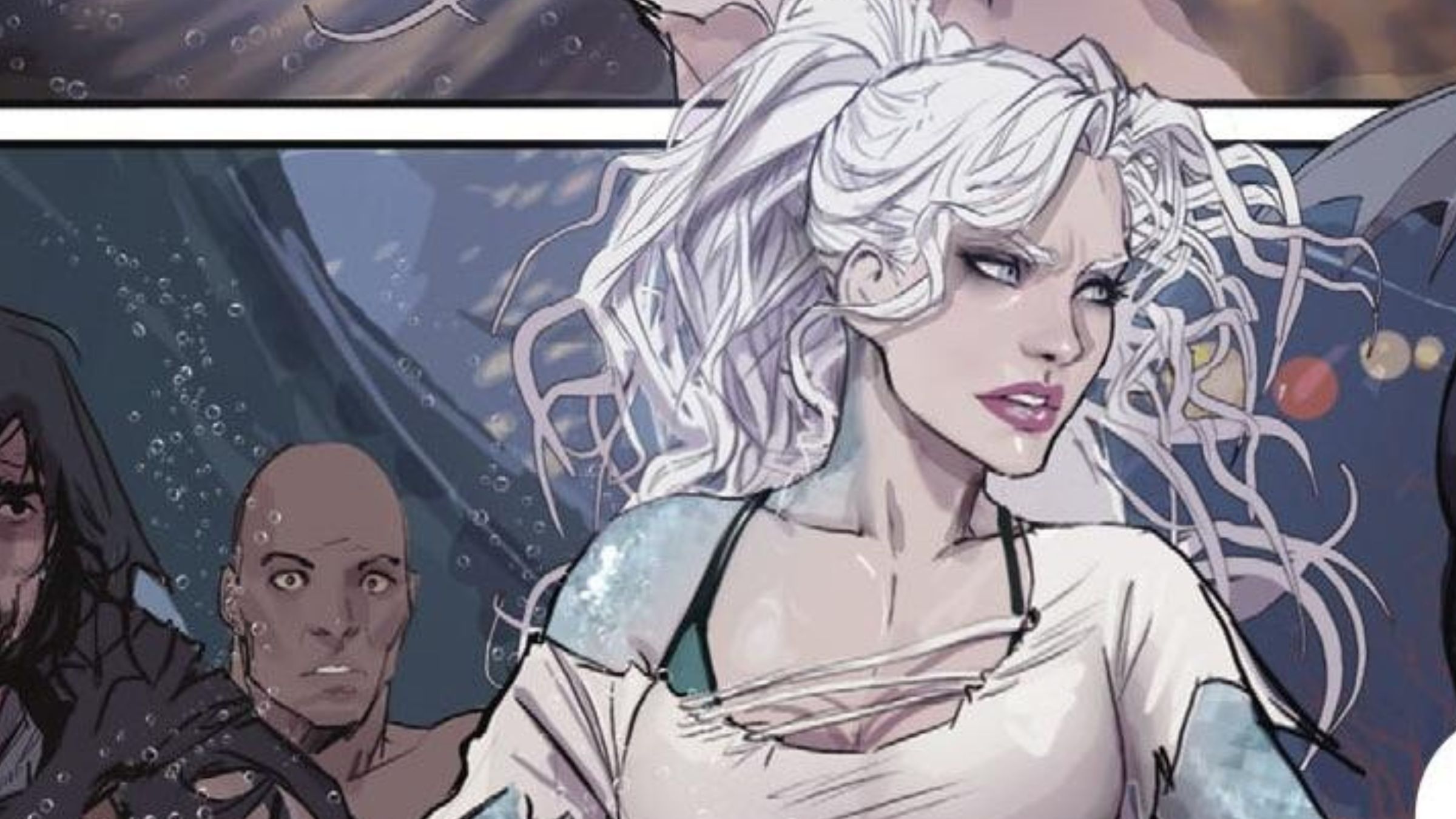
Dolphin first appeared in Showcase #79 in 1968, created by Ramona Fradon. Initially, she was depicted as an enigmatic, silent creature from the sea. Later stories revealed her origins involved human experiments and genetic changes, giving her a connection to the biology of Atlanteans. DC Comics hoped she would become a lasting ally for Aquaman as they were expanding their underwater world of characters at the time.
Dolphin’s role in the story wasn’t consistent. She jumped between being a romantic interest, a helper, or just someone in the background, and she rarely moved the plot forward herself. Unlike the character Mera, she never had her own dedicated storyline or opportunities to reveal her inner thoughts and feelings.
6. Aztek

Aztek, also known as Uno, first appeared in the comic book Aztek: The Ultimate Man #1 in 1996. Created by Grant Morrison and Mark Millar, he was specifically trained from birth by a group called the Q Society to fight the ancient Mesoamerican god Tezcatlipoca. The Aztek armor gave him superpowers, including increased strength, the ability to shoot energy, fly, and even control matter at a molecular level. Importantly, his destiny was always to be a sacrifice.
The comic book series only lasted 10 issues before it was cancelled. Even with Grant Morrison working on it, the character didn’t become popular, likely because he felt emotionally detached and the story relied too much on complicated mythology. When the character died during a large crossover event, it felt unearned and like a dismissive decision by the editors.
5. Resurrection Man

Mitch Shelley, known as Resurrection Man, has a really unique and strange ability: whenever he dies, he returns to life with a different, unpredictable superpower. It could be something useful like flight, or something bizarre like acid skin, or even a strange combination like being immune to fire but allergic to air. This power lends itself to stories exploring big questions about life and death, and it’s connected to a mysterious past involving the immortal Vandal Savage – the reason Mitch can’t seem to stay dead.
The character’s stories were tonally inconsistent, shifting between dark, philosophical horror and typical superhero adventures. While readers were intrigued by the concept of Resurrection Man, the actual comics didn’t quite deliver. As a result, DC stopped publishing his adventures, and he’s now mainly known as an obscure piece of comic book history rather than a lasting hero.
4. Brother Power the Geek
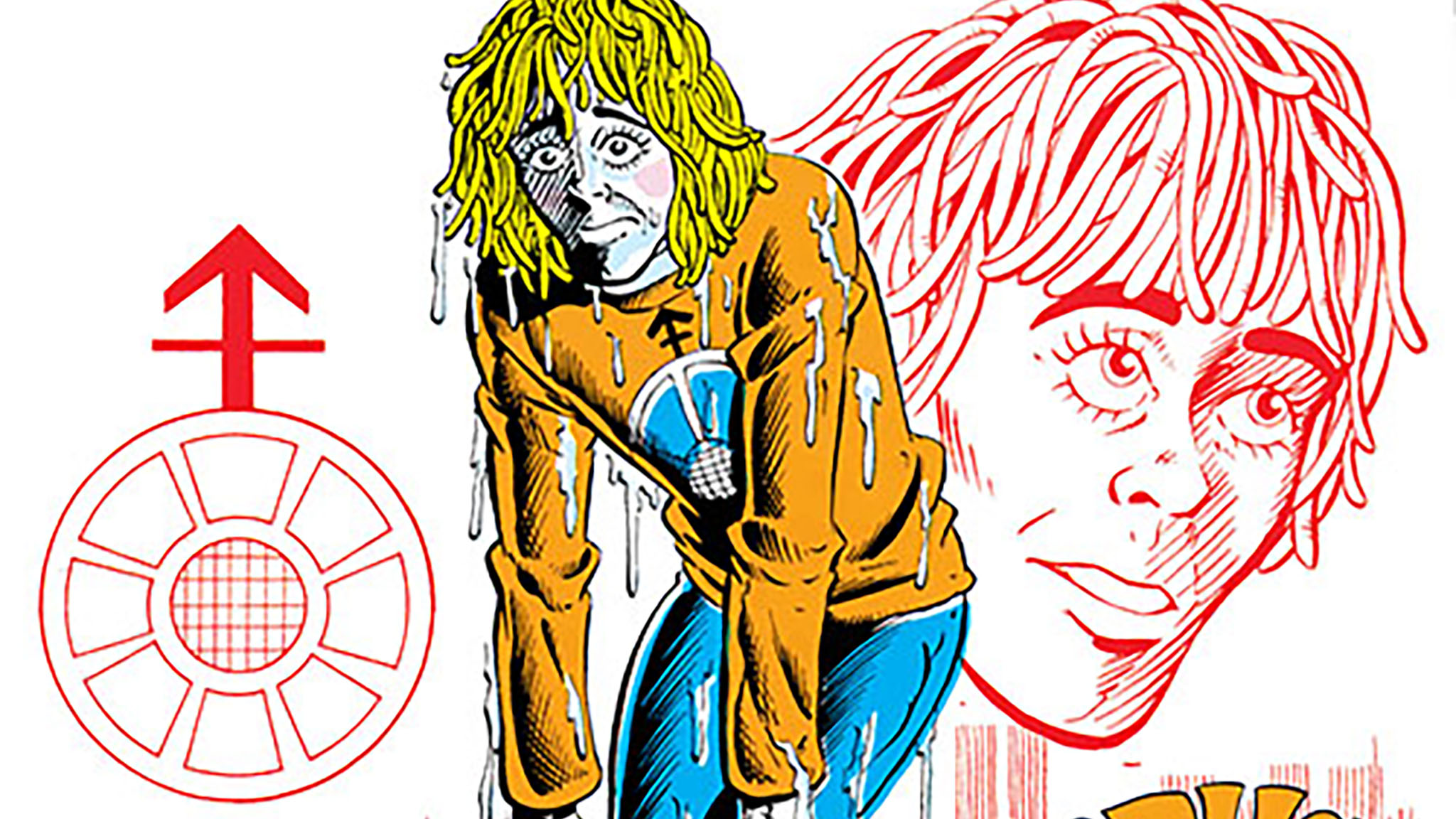
Brother Power the Geek was created by Joe Simon and debuted in Brother Power the Geek #1 in 1968. The story’s core idea was simple: a mannequin brought to life by a lightning strike, suddenly gaining awareness and the ability to feel emotions. He was part of DC Comics’ effort to connect with the counterculture movement of the late 1960s, and was one of several comics they experimented with that intentionally broke away from typical superhero stories.
The comic series was short-lived, ending after just two issues because it didn’t sell well and it wasn’t clear who it was for. Decades later, DC Comics tried to bring the character back in stories like Secret Origins and The New Adventures of Superman, but these attempts didn’t stick and weren’t fully developed.
3. Shade the Changing Man
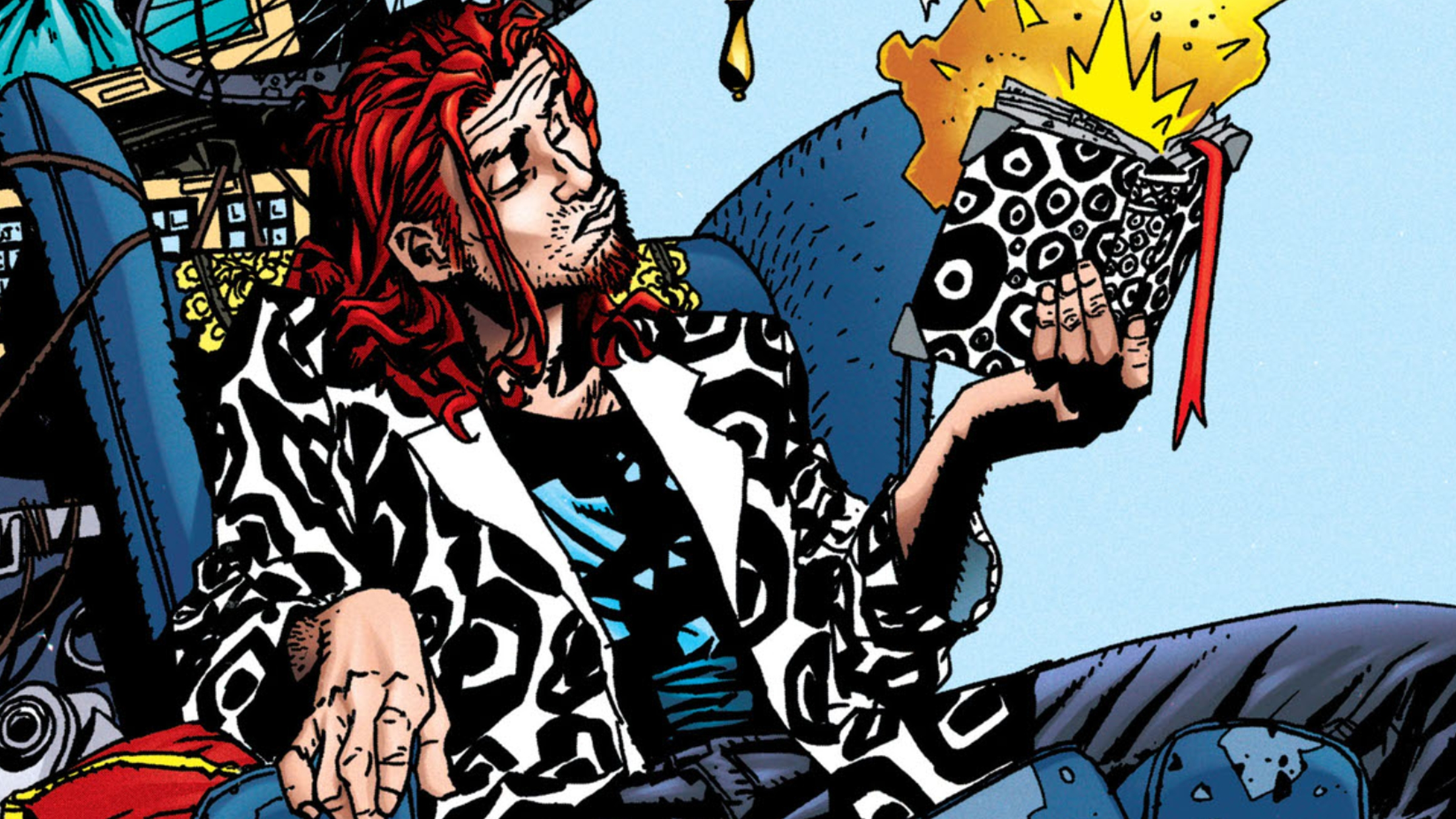
Shade the Changing Man started as a quirky character from the Silver Age of comics, but truly found its footing—and became much more interesting—when published under the Vertigo imprint. This new take focused on psychological horror, the loss of identity, and the decline of American culture, treating the character’s Madness Vest as a meaningful symbol rather than just a strange prop.
Honestly, the biggest issue with Shade was that he was just too out there. The writing was fantastic, critics loved him, but he wasn’t something the average comic reader could easily get into. He really flourished in the more experimental world of Vertigo, but he never quite fit within the regular DC Universe. And when Vertigo started to fade, sadly, Shade’s popularity went with it.
2. Animal Man

Animal Man deserves to be well-known, and he briefly achieved that status thanks to Grant Morrison. Morrison transformed the comic into a groundbreaking work that played with the idea of fiction itself, directly addressing readers and questioning how stories work. Buddy Baker, the hero, became a reflection on the very concept of heroism. His ability to mimic animal powers almost took a backseat to the deeper, philosophical themes explored in the comic.
Despite a celebrated period, Animal Man consistently faced challenges. Subsequent writers found it difficult to capture the same emotional complexity, and DC Comics struggled to find a consistent role for a hero whose strength lay in questioning the very idea of heroism. He remains relatively unknown not due to failure, but because his early success was so exceptional that everything that followed seemed to pale in comparison.
1. The Heckler

The Heckler is a DC hero who’s largely been overlooked, and that’s quite a statement considering the number of heroes out there. He fought crime by using insults, messing with people’s heads, and relying on bizarre humor. The comic series was a playful jab at the dark, brooding antiheroes popular in the 1990s, using irritation as a weapon instead of physical force.
After only six issues, the comic was canceled because it wasn’t selling well and readers didn’t like it. Unlike other humorous comics that became popular later, The Heckler didn’t have a strong story or characters that people connected with emotionally. DC Comics has mostly ignored the character ever since. He hasn’t even gained a nostalgic following; today, he’s only remembered in brief mentions and lists of failed ideas – a hero so unknown that being forgotten almost feels like a kindness.
What do you think? Leave a comment below and join the conversation now in the ComicBook Forum!
Read More
- Gold Rate Forecast
- Dune 3 Gets the Huge Update Fans Have Been Waiting For
- Dungeon Stalkers to end service on June 9
- Every Creepy Clown in American Horror Story Ranked
- Disney Promotes Thomas Mazloum To Lead Parks and Experiences Division As Josh D’Amaro Prepares To Become CEO
- Hazbin Hotel Secretly Suggests Vox Helped Create One of the Most Infamous Cults in History
- Jack Osbourne Shares Heartbreaking Tribute to Late Dad Ozzy Osbourne
- Action Comics #1096 is Fun Jumping-On Point for Superman Fans (Review)
- Antiferromagnetic Oscillators: Unlocking Stable Spin Dynamics
- 5 Weakest Akatsuki Members in Naruto, Ranked
2026-01-02 02:13