
Marvel’s announcement of the Age of Revelation event initially generated excitement. Marking the 30th anniversary of the Age of Apocalypse, the story promised a fresh direction for the X-Men, jumping ten years into the future to a world reshaped by Doug Ramsey, also known as Revelation, and built on the ideals of Apocalypse. Revelation had succeeded in creating a world where only the strongest mutants would survive. However, this seemingly utopian future was built on a dangerous deception that threatens all of humankind.
When Age of Revelation started, I was really hoping it would be like Age of Apocalypse – a huge, game-changing event with serious consequences for everyone. Age of Apocalypse was amazing, but honestly, Age of Revelation just hasn’t hit the same way. It feels like fans haven’t really connected with the story, and with Shadows of Tomorrow already coming up, it’s clear this one didn’t quite land. I’ve been wondering why Age of Apocalypse was such a success and Age of Revelation just… didn’t. It seems like there’s a lot that went into it, so let’s take a closer look at what happened.
7) Age of Apocalypse Was Unique and Groundbreaking; Age of Revelation Simply Isn’t

The 1995 event Age of Apocalypse was a massive turning point for Marvel Comics. Though focused on the X-Men, it dramatically altered the entire Marvel universe, temporarily replacing the main timeline (Earth-616) with an alternate reality. This change had lasting consequences even after the original timeline was restored. The story was groundbreaking for its time, imagining a world where a time-traveling Legion accidentally killed Charles Xavier instead of Magneto, leading to Apocalypse rising to power much earlier than expected. Essentially, Age of Apocalypse was a bold “what if” scenario brought to life with significant and impactful results.
Unlike some other X-Men stories, Age of Revelation didn’t offer anything new. It recycled the familiar idea of a mutant utopia, this time connected to Apocalypse through his follower, Doug Ramsey (Revelation). Because the story showed a possible future, it felt less impactful – we expect the X-Men to change things when they travel back in time. The storyline wasn’t particularly interesting or surprising, and the event hasn’t done anything to truly stand out or break new ground.
6) Does Age of Revelation Even Have Stakes?

When considering whether Age of Revelation had a significant impact, it’s important to think about how much was at stake. Age of Apocalypse felt truly important because the consequences were huge. Legion’s actions put everything – both the present and the future – on the line, and the resulting world clearly showed that. It was a dark and harsh place where even our favorite heroes faced difficult moral choices, and any victories came at a great cost. As readers, we were kept guessing, and nothing felt easy.
From the beginning of Age of Revelation, Marvel made it clear the story took place far in the future, diminishing its immediate impact. Instead of feeling urgent and world-altering, the event felt like a problem for the X-Men to address eventually – something like putting off necessary but unpleasant tasks. Focusing on the future consequences made it difficult to care about what was happening in the present, and those future consequences didn’t seem particularly threatening anyway. The story was spread across so many different comic titles with little connection between them, creating a general sense that none of it truly mattered.
5) Age of Revelation’s Plot Was Confusing While Age of Apocalypse Was Very Well-Defined
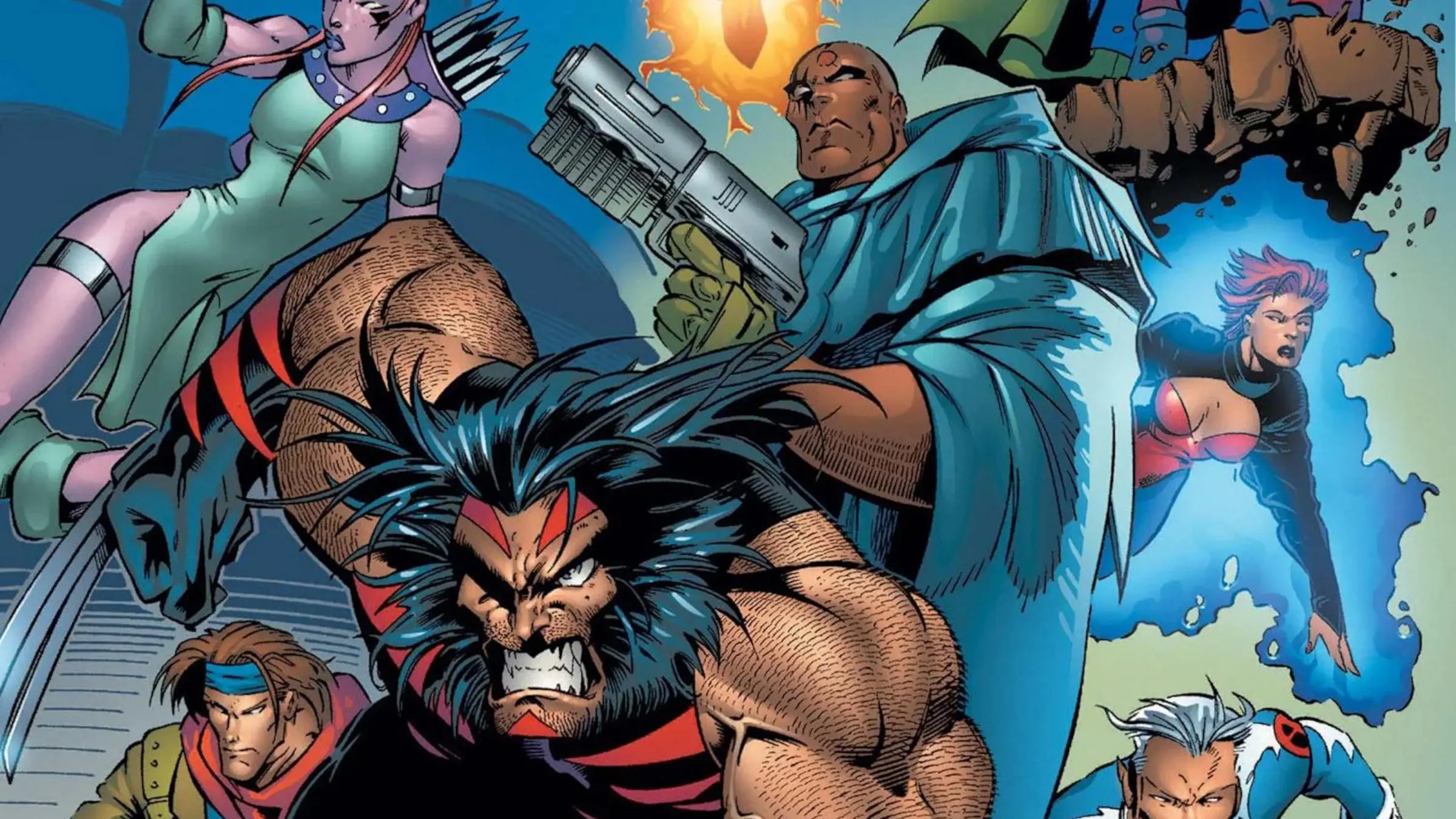
One of the main reasons Age of Apocalypse was so successful, while Age of Revelation didn’t quite measure up, is its strong sense of consistency. Age of Apocalypse presented a well-defined timeline with a clear story, established rules, and a satisfying conclusion that had lasting impact. The villain, Apocalypse, also had very clear and understandable motivations. Overall, the event served as a blueprint for Marvel on how to tell a compelling, high-stakes story with a focused direction and a smooth progression.
Unfortunately, Age of Revelation is a different story. While it’s packed with events, that’s not necessarily a good thing. The story involves a virus called the X-Virus, unleashed by a Gene Bomb, which decimates the population and transforms the survivors into mutants. Meanwhile, Revelation, now possessing enhanced abilities, attempts to build a perfect society by altering reality – but it ends up being a controlling dictatorship. Various groups react to this new world, but Revelation’s reasons for acting are unclear. The story is told across 16 separate series, each with many issues, forcing readers to jump around constantly to understand what’s happening. Even then, the series don’t always align, creating a messy and confusing experience that feels unplanned and chaotic.
4) Age of Revelation Feels Redundant
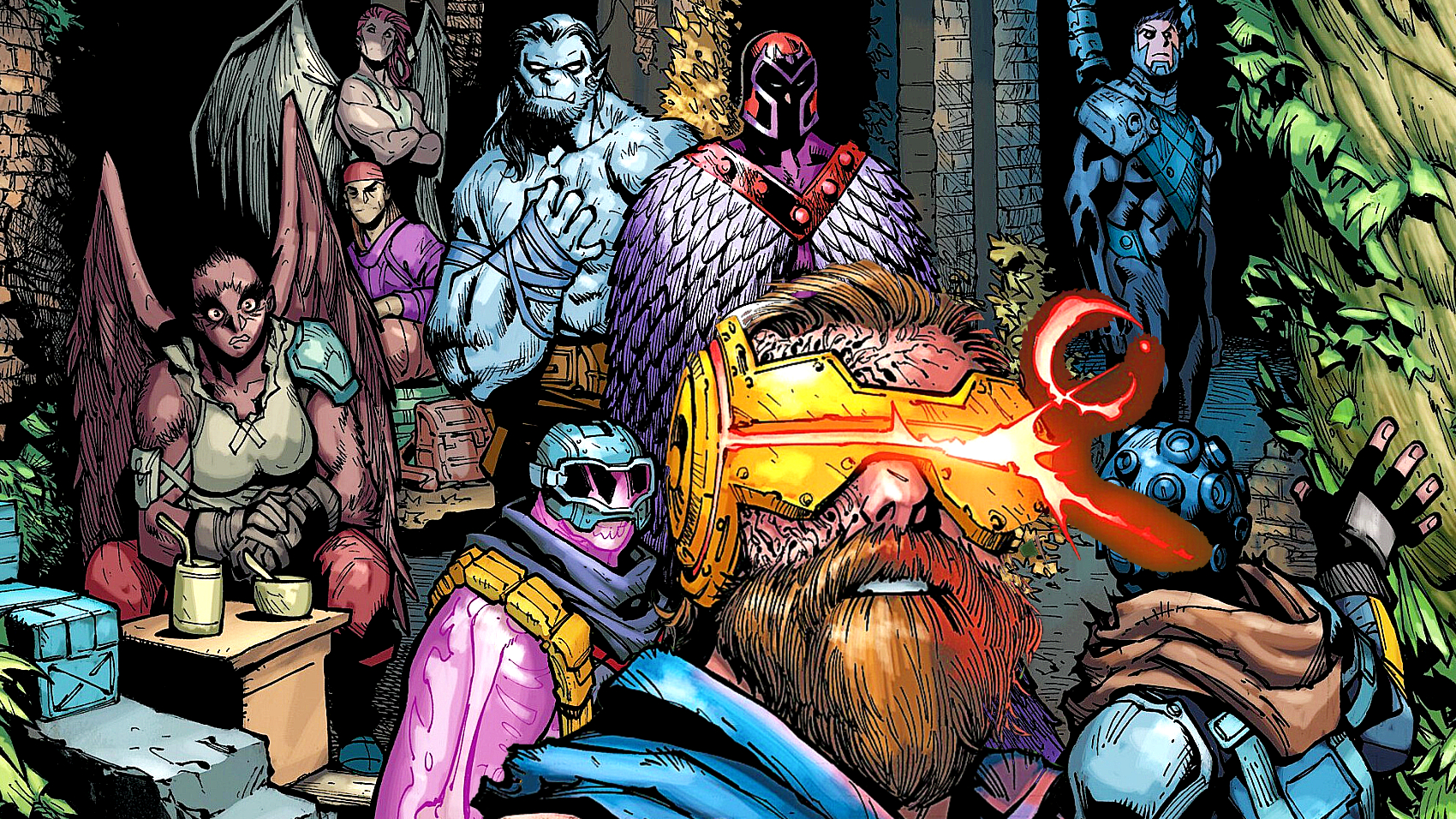
This explains why Age of Apocalypse succeeded where Age of Revelation has fallen short. Age of Revelation feels repetitive – and it’s not simply because we’ve seen similar stories about oppressive regimes before. The real issue is the peek into a bleak future; we’ve explored this concept before, and the classic story “Days of Future Past” did it much more effectively.
The main problem with Age of Revelation is that it attempts to juggle two separate storylines, and doesn’t succeed at either. The reveal that the entire plot revolves around sending a past version of Cyclops back in time to stop Doug feels like a rehash of familiar ideas. Because this concept has been explored before – and could still be done well with a more focused approach – the Age of Revelation event feels unnecessarily large, convoluted, and repetitive.
3) Age of Apocalypse Was Original. Age of Revelation Has No Idea What it Wants To Be

We’ve discussed how Age of Apocalypse was a truly original story for its time. Its freshness and unexpected twists allowed for darker themes and surprising moments (we’ll get into those shortly). Age of Apocalypse felt like a story with a clear direction. In contrast, Age of Revelation doesn’t seem to have a defined purpose or know what kind of story it’s trying to tell.
Initially, Age of Revelation was positioned as a 30th-anniversary celebration of Age of Apocalypse, but that connection didn’t really pan out. As the story progressed, it began to resemble elements of “Days of Future Past,” with a plot to send Cyclops back in time to prevent the initial problems. This leaves readers wondering: is Age of Revelation a follow-up to Age of Apocalypse, trying to continue its storyline (though that doesn’t quite add up logically), or is it more inspired by “Days of Future Past”? Or is Age of Apocalypse attempting something completely different? Most likely, it’s the latter. The X-Men comics have faced challenges since the end of the Krakoa era, and Age of Revelation seems to be a transitional story leading into the larger Shadows of Tomorrow arc. However, its complicated plot doesn’t clearly establish this connection, making the story feel confusing and ultimately frustrating.
Another story, X-Men of Apocalypse, was happening around the same time as Age of Revelation, and it was a separate take on the Age of Apocalypse theme. While it didn’t directly cause problems for Age of Revelation, it added to the overall feeling that the event lacked a clear focus and direction.
2) Age of Apocalypse Was Very Character Focused
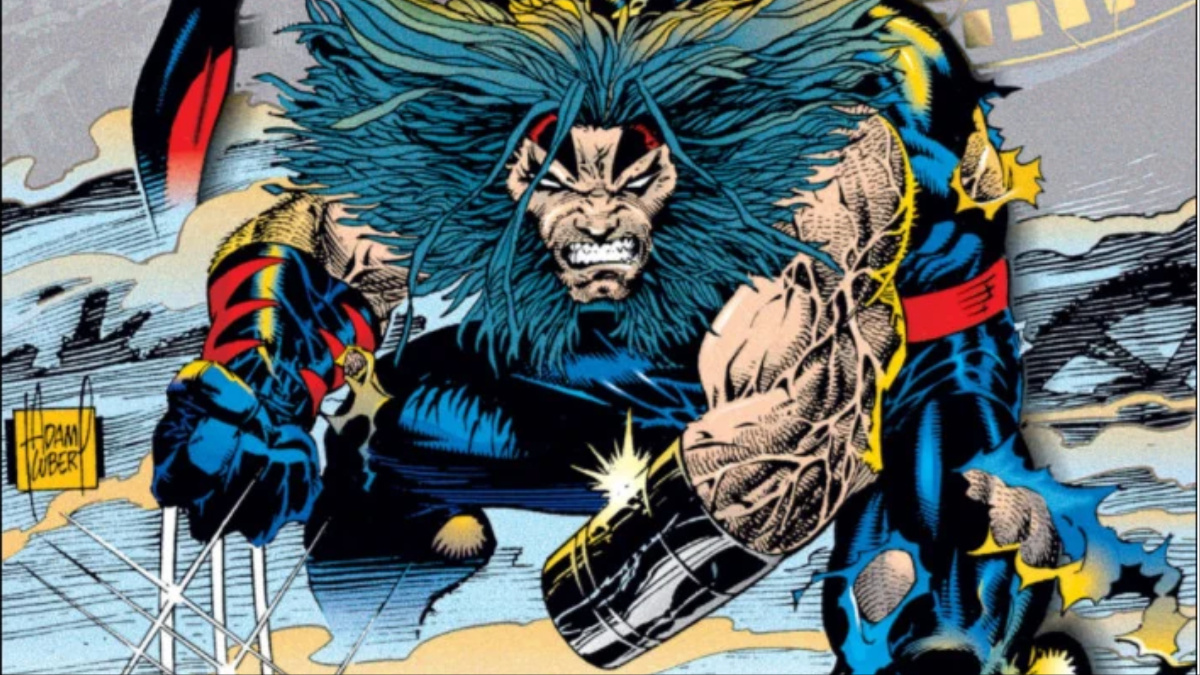
What made Age of Apocalypse so successful, among many other strengths, was its strong focus on characters. Despite presenting a large-scale threat, the story delved into personal narratives, exploring what drove the characters and even revealing new takes on their origins. The story arc for Weapon X (Wolverine) was especially well-done, and Bishop also stood out. This blend of intimate character work with a broad, epic scope is what made Age of Apocalypse such a captivating read.
The comic series Age of Revelation hasn’t delivered a strong focus on any particular character. While Magik has received a lot of attention, it’s mainly due to a controversial plot point in X-Men Age of Revelation Infinity Comic #4, which upset many fans of the character.
1) Let’s Face It: No One Cares About Doug Ramsey (At Least Not the Same Way They Did Apocalypse)

The main problem with the Age of Revelation storyline seems to be its villain, Doug Ramsey, who goes by Revelation. Frankly, Doug isn’t a character most fans are invested in. Even when he was a hero, his ability to understand languages didn’t make him particularly impactful. Turning him into a villain wasn’t inherently a bad idea, but Marvel’s execution felt forced. They tried to make him seem intimidating by giving him a costume similar to Apocalypse, instead of developing him into a credible threat on his own. It’s difficult for readers to take him seriously. While Doug did earn the position of Apocalypse’s heir through a tournament in X-Men: Heir of Apocalypse, and his turn wasn’t sudden, the leap to becoming the central villain in Age of Revelation feels jarring, especially since many readers don’t see him as a genuine menace. Ultimately, this has prevented what could have been a major event from making a real impact.
What do you think? Leave a comment below and join the conversation now in the ComicBook Forum!
https://comicbook.com/comics/list/the-7-greatest-wolverine-artists-who-arent-marc-silvestri/embed/#
Read More
- Gold Rate Forecast
- Dune 3 Gets the Huge Update Fans Have Been Waiting For
- 22 actors who were almost James Bond – and why they missed out on playing 007
- Antiferromagnetic Oscillators: Unlocking Stable Spin Dynamics
- Action Comics #1096 is Fun Jumping-On Point for Superman Fans (Review)
- Every Creepy Clown in American Horror Story Ranked
- Jack Osbourne Shares Heartbreaking Tribute to Late Dad Ozzy Osbourne
- 5 Weakest Akatsuki Members in Naruto, Ranked
- Dungeon Stalkers to end service on June 9
- Disney Promotes Thomas Mazloum To Lead Parks and Experiences Division As Josh D’Amaro Prepares To Become CEO
2025-12-09 19:18