Over the years, Marvel Comics has frequently had popular heroes make sudden, and sometimes unbelievable, turns to the villainous side. These shifts in character can seriously damage a hero’s reputation with fans. While the comics often try to explain why a hero goes bad, it’s rarely enough. Once a hero betrays their friends, teammates, and readers, that betrayal is what people remember, not the story’s explanation.
When a hero becomes a villain, it can seriously damage their reputation and story. Here are seven Marvel Comics characters who switched sides, and how that decision nearly cost them everything.
7) Beast in Krakoa

Beast is the latest Marvel hero to fall from grace, and he’s still struggling with his turn to the dark side. This began after the Avengers vs. X-Men storyline, when Cyclops, while under the influence of the Phoenix Force, killed Professor X. Following this, Beast started making ethically dubious decisions using his scientific expertise, notably bringing a team of young X-Men from the past to the present in an attempt to get revenge on Cyclops, which unfortunately left them stuck in the present.
His situation deteriorated significantly when he took charge of X-Force, transforming it into a militant group focused on fighting other mutants. He publicly shamed the popular mutant hero Colossus and repeatedly sent X-Force on missions that resulted in murder. Ultimately, X-Force tried to kill Beast after he committed an unforgivable act. Beast died, but was later replaced by an earlier version of himself – one from his time with the Avengers, before he became a villain.
6) Daredevil in Shadowland

Daredevil is known as one of Marvel’s most dedicated champions of justice. He firmly believes in letting the legal system handle criminals, refusing to take matters into his own hands. This strong moral code has led to frequent clashes with the Punisher and inspired Elektra to seek redemption. That’s why his descent into darkness during the Shadowland storyline was so shocking and difficult for fans to accept.
This story features Daredevil seizing control of the Hand, a dangerous ninja group, and imposing strict martial law on Hell’s Kitchen. He tragically kills Bullseye and becomes a brutal vigilante, forcing his former allies – Spider-Man, Luke Cage, and Iron Fist – to intervene. It’s revealed that he was actually possessed by the Beast of the Hand, and Matt ultimately sacrifices himself to stop the chaos. Even though he wasn’t fully in control of his actions, this dark turn severely damaged Daredevil’s heroic image for years to come.
5) Cyclops in Avengers vs. X-Men
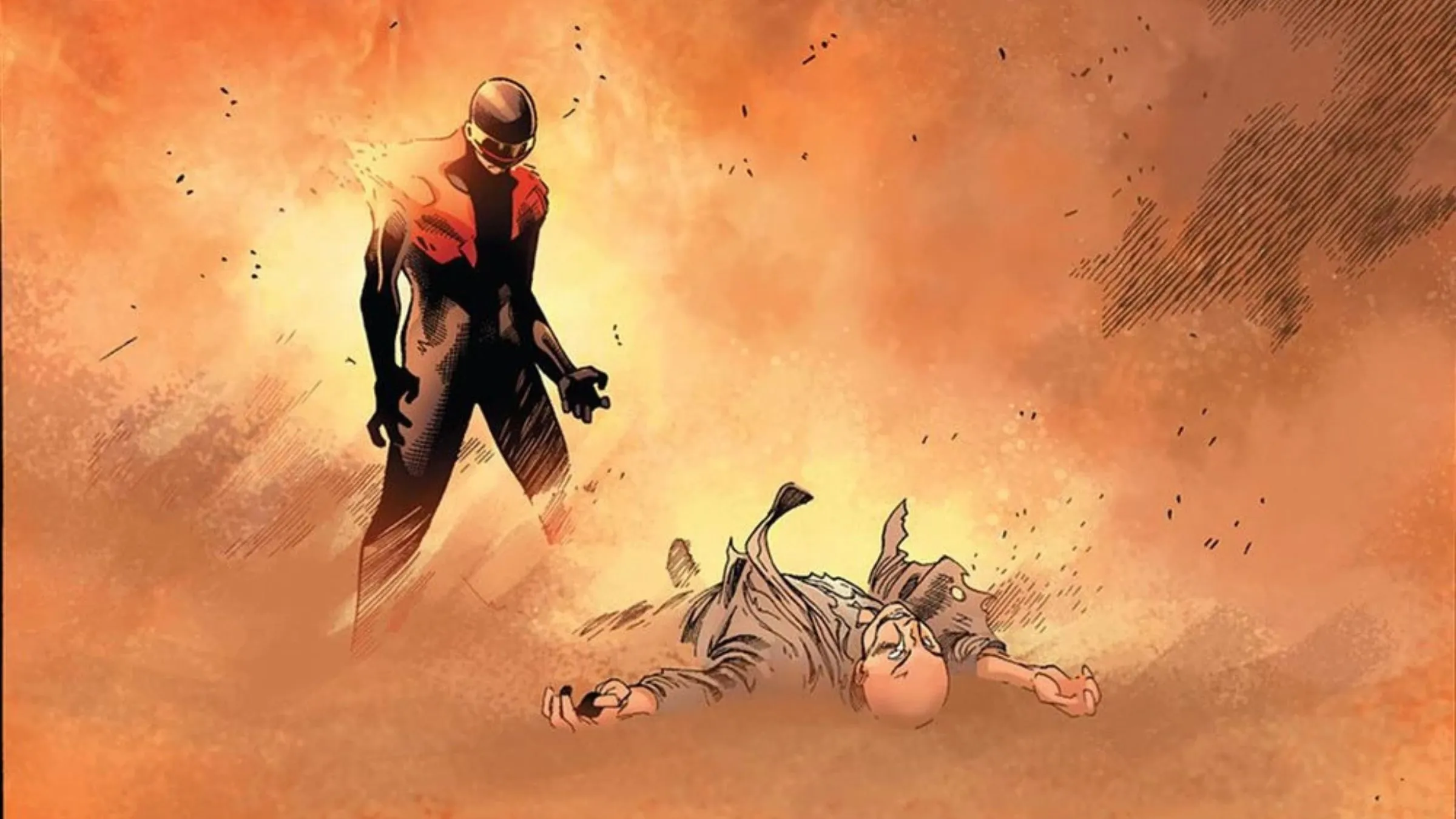
When Cyclops killed Professor X, he wasn’t fully in control, but he had more control than Daredevil did during the Shadowland storyline. In Avengers vs. X-Men, the powerful Phoenix Force came to Earth and divided itself among five mutants: Cyclops, Emma Frost, Magik, Colossus, and Namor. They initially used their enhanced abilities to try and fix global issues, but the Avengers didn’t trust that this positive change would last.
They were proven correct when Namor nearly destroyed Wakanda, leading to a decision to stop the mutants. As each mutant was defeated, the Phoenix Force within the remaining ones grew in power, eventually concentrating in Cyclops. When Cyclops killed Professor X, he released the power and turned himself in. Surprisingly, this act made him a symbol of hope for mutants who had suffered from discrimination. Cyclops has never truly recovered from his choices, and the consequences of his harsh actions continue to haunt him.
4) Hank Pym’s Court Martial

Hank Pym’s descent into villainy created conflict with the Avengers, stemming from a mental health crisis that led to errors in judgment. However, the event that truly damaged his image was when he physically assaulted his wife, Janet Van Dyne, leaving her with a visible injury. Originally, the writer, Jim Shooter, intended this to be an accidental occurrence, but the artist, Bob Hall, depicted it as a deliberate act.
This storyline deeply damaged Hank Pym’s reputation, and many fans still remember him for his actions as a villain. Despite Marvel’s attempts to rehabilitate him, he’s rarely seen as a hero. This event fundamentally changed one of Marvel’s earliest superheroes, and he hasn’t been able to fully recover from it.
3) Iron Man in The Crossing

The ‘Crossing’ storyline is still considered incredibly divisive among Avengers fans. Before this event, Iron Man was a highly respected hero. While he sometimes made questionable choices—like during ‘Armor Wars’—he always had understandable motivations. However, the revelations in ‘The Crossing’ fundamentally damaged his character, and many believe he hasn’t been the same since.
The story revealed a shocking twist: Iron Man was secretly working for Kang the Conqueror all along. He’d been betraying the Avengers and eliminating anyone who threatened to expose him. To combat this, the Avengers brought a younger version of Tony Stark from the past to the present to assist them. Though Iron Man ultimately died during this conflict, he was resurrected after the Onslaught event, but has remained untrustworthy ever since.
2) Scarlet Witch in Avengers Disassembled
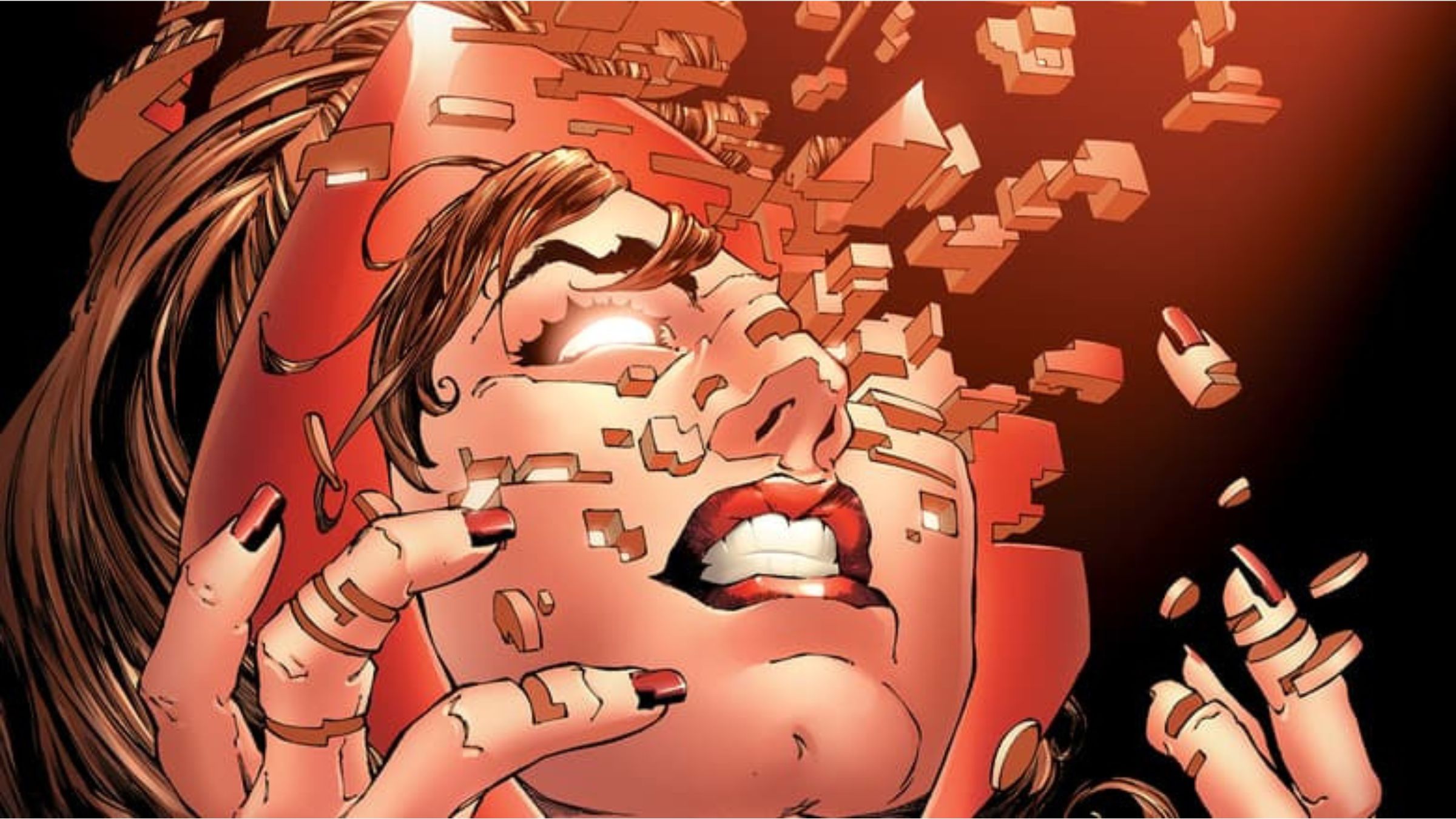
Marvel has arguably damaged the Scarlet Witch’s image more than almost any other comic book character. This pattern began with early storylines in The Avengers where she succumbed to evil influences, and continued in West Coast Avengers. While those stories involved external control, the Avengers Disassembled event showed her losing control entirely on her own.
The realization that she’d once had children, even though they weren’t real and had been taken from her, completely broke her. Driven by grief and a desire for revenge against those she blamed, she committed terrible acts, including the murder of Agatha Harkness, Ant-Man, Hawkeye, and Jack of Hearts. Eventually, Doctor Strange was forced to shut down her brain. Combined with the later events of House of M and the “No More Mutants” storyline, Marvel has found it difficult to rehabilitate her character ever since.
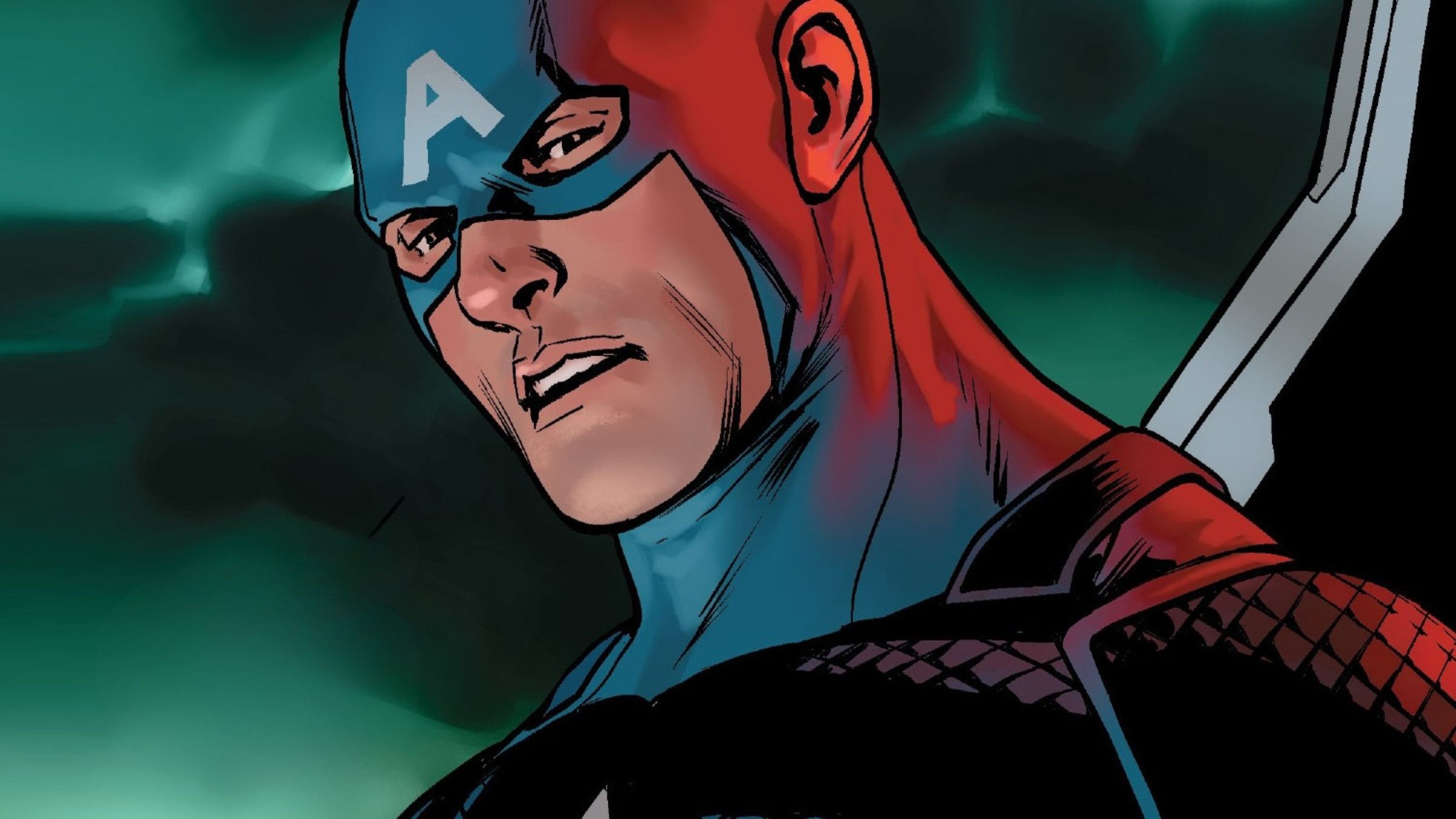
1) Captain America in Secret Empire

The storyline Secret Empire shared similarities with Shadowland, but it was intentionally designed as a twist from the beginning. Despite this, some fans who aren’t familiar with comic book production schedules still find it hard to believe. The story revolved around Captain America killing Nomad and then uttering the infamous phrase, “Hail Hydra,” which severely damaged his image. This revealed that Captain America had been a double agent all along, much like Iron Man’s portrayal in The Crossing.
In a surprising storyline, Captain America was depicted as having seized control of the United States and established a repressive, authoritarian regime, curtailing the freedoms of its citizens. This version of Captain America was supported by a segment of the population who were portrayed as complacent and prejudiced. However, this wasn’t the true Captain America; it was a Steve Rogers from another reality, manipulated by the villainous organization Hydra. The story proved controversial, with many fans reacting negatively and dismissing it as one of the worst storylines in Marvel Comics history, despite the explanation behind the altered character.
What do you think? Leave a comment below and join the conversation now in the ComicBook Forum!
https://comicbook.com/comics/list/7-marvel-canon-event-changes-that-fans-hated/embed/#
Read More
- What Song Is In The New Supergirl Trailer (& What It Means For The DC Movie)
- TV legend Carol Kirkwood reveals the reasons why she decided to retire after 28 years with BBC
- Dune 3 Gets the Huge Update Fans Have Been Waiting For
- Designing Magnetism with Molecular Architecture
- Darwin’s Paradox! drops Switch version for Switch 2, delayed to 2026
- Jinger Duggar Explains Why Jeremy Vuolo Upgraded Her Wedding Band
- After 13 Years, Someone Earned One of the Hardest Achievement Trophies in Gaming
- 49 Years Ago Today, Movie History Was Changed by a Film You’ve Never Even Seen
- Marathon is Taking Aim at Bubble Shields, Knives, Snipers and More in Upcoming Balance Patches
- Dragon Ball: Sparking! Zero Is Still Stupidly Popular, Reels in 1 Million Monthly Players
2026-02-24 04:11