For almost ten years, Star Trek: Discovery – both the show and the starship – has been in a unique position within the Star Trek universe. Like other Star Trek series, Discovery received a variety of reactions from fans, but it faced a particularly difficult challenge in gaining acceptance. As the first new Star Trek show in years, it carried a lot of pressure to succeed and prove that the franchise could resonate with contemporary audiences. In a way, Discovery paved the way for the success of shows like Strange New Worlds and the upcoming Starfleet Academy. Regardless of your opinion of the series, it undeniably played a crucial role in bringing Star Trek back to television for a new generation.
What makes Discovery stand out in the Star Trek franchise is its unusual place in the timeline. It originally started in the mid-23rd century, but then made a big change in its third season by sending the crew almost a thousand years into the future, to the 32nd century. Because of this, Discovery wasn’t a straightforward prequel like Strange New Worlds, or a sequel like Starfleet Academy. Similar to Spock, it felt like a blend of two different eras. While jumping to the 32nd century allowed for new stories, it also created a challenge that Star Trek hasn’t fully addressed.
Starfleet Is Shut In
As a long-time Trek fan, I’ve been thinking a lot about where Discovery fits in the current landscape. With Strange New Worlds beautifully fleshing out the early adventures of Pike, Kirk, and Spock, and Starfleet Academy giving us a fresh group of cadets to care about, Discovery sometimes feels… unnecessary. Last week’s return of Tilly felt a bit forced, and this latest episode of Starfleet Academy really drove that point home. It’s not a bad show, but with so much other great Trek happening, it’s hard not to feel like it’s treading familiar ground.
The ninth episode, titled “300th Night,” reveals Nus Braka’s evil plan as the school year ends. After raiding the space station J-19 Alpha and stealing top-secret experimental weapons, the Venari Ral pirate has committed one of the boldest crimes against the Federation in recent Star Trek history.
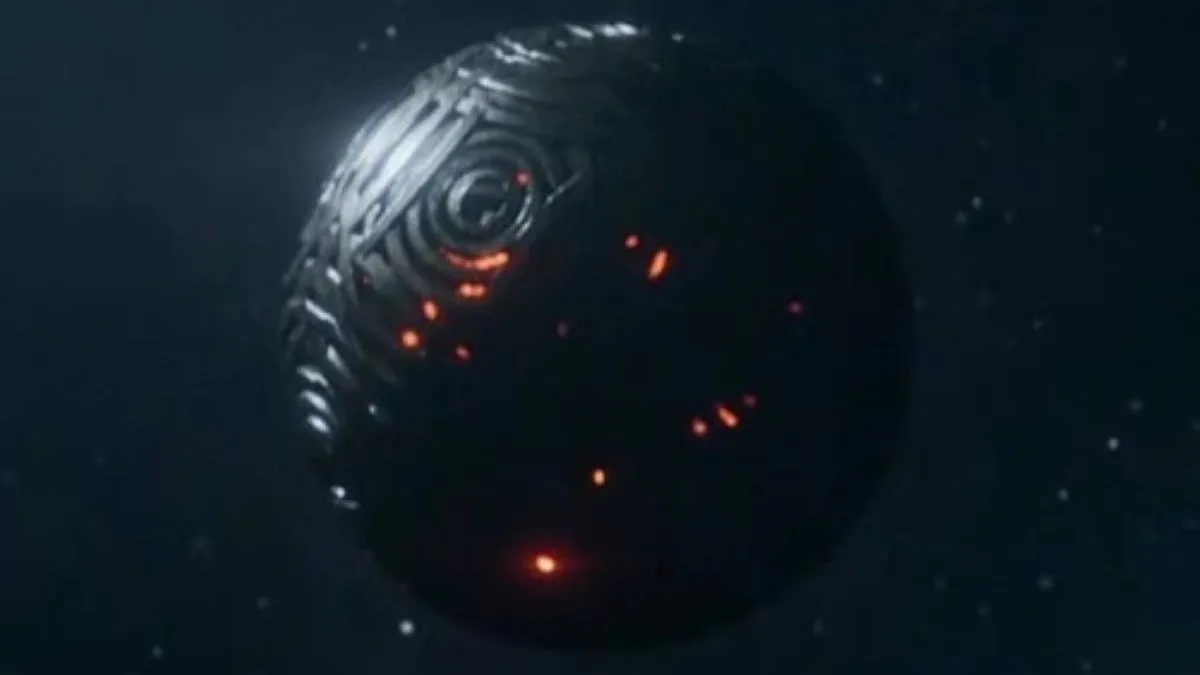
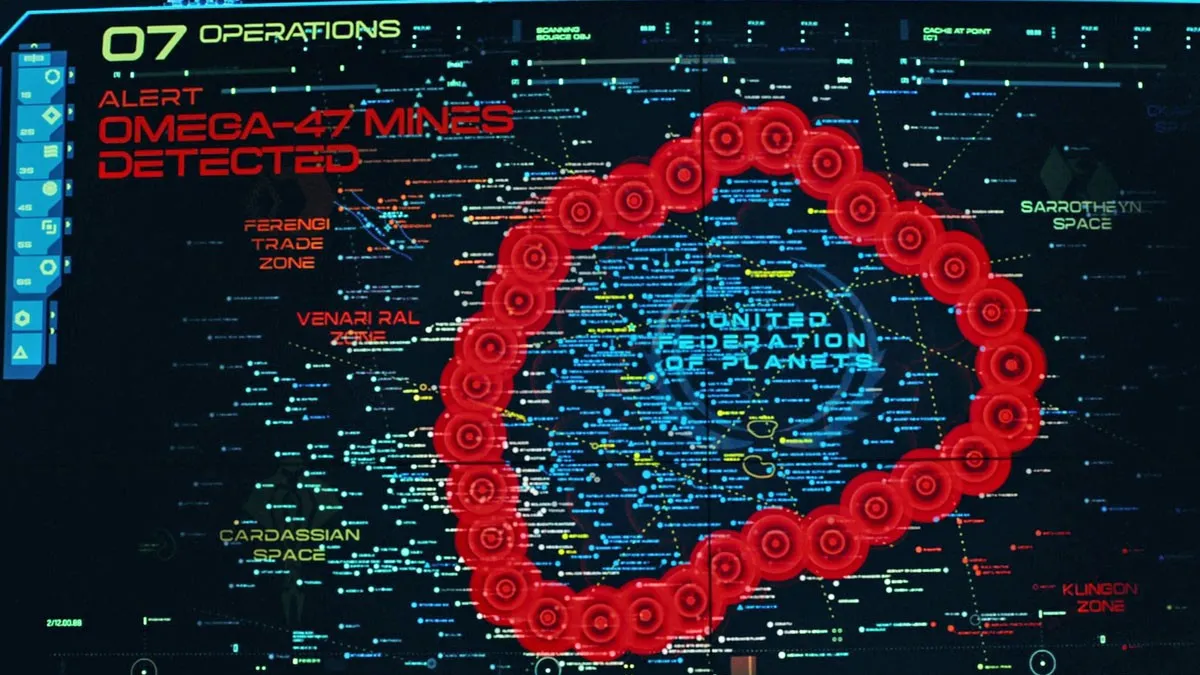
Braka wasn’t after what everyone thought; their true goal was to weaponize Omega 47, a highly unstable particle. This substance can tear apart space itself across vast distances, effectively stopping warp travel in any area where it’s used. Warp travel is already difficult in the 32nd century due to the aftermath of ‘the Burn,’ and Braka’s actions will undoubtedly upset the Federation, who still remember the isolation that event caused. The Federation reacts by ordering all Starfleet ships back to their territory, but this turns out to be exactly what Braka wanted. As soon as the ships return, Braka activates time-delayed Omega 47 mines around Federation space, triggered by any energy signature. This creates an inescapable trap, preventing any ships from leaving or entering without detonating the mines and destroying themselves.
The Federation fleet, normally incredibly strong, is now unexpectedly trapped. Starfleet appears weak, forced to defend its territory instead of actively confronting the danger. This situation should create a huge problem for the Federation. They can likely manufacture most necessities internally, but what about resources they can’t produce themselves? What about trade with other planets? How long can they last isolated from the rest of the galaxy? However, there’s a clear solution: the USS Discovery.
Starfleet Academy Just Ignored The USS Discovery Loophole
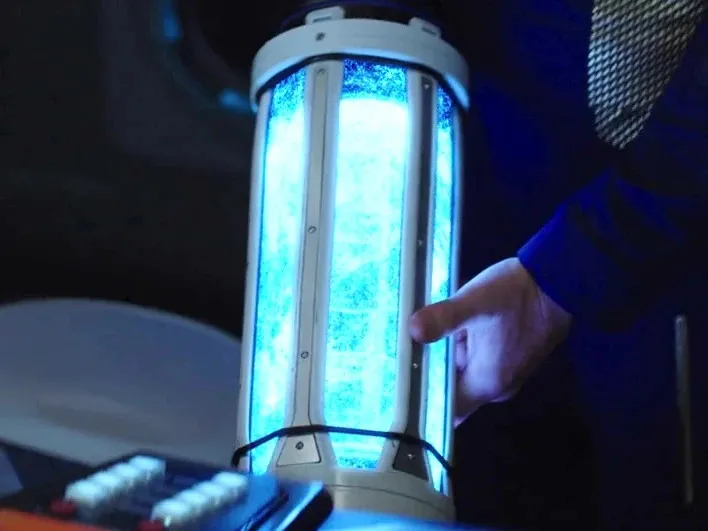
For fans of Star Trek, the ship Discovery is known for its unique technology: the spore drive. Unlike traditional warp or impulse travel, the spore drive lets the ship instantly jump across huge distances. It does this by using the spores of a special space organism, Prototaxites stellaviatori, to bypass normal space and travel between points in the universe.
Essentially, the ship Discovery seems capable of going anywhere, and potentially bypassing the blockade around Braka. While it hasn’t been officially confirmed, it raises the possibility of slipping past the mines without triggering them – which would significantly change how trapped Starfleet actually is. If the Federation needed to directly confront Nus Braka, Discovery appears to be the perfect solution. This situation highlights a long-standing issue with the Discovery series: it often introduces solutions that feel overly convenient.
The Spore Drive Has Always Been a Storytelling Problem
The spore drive is incredibly powerful, almost to a fault. It often makes dangers feel less serious, especially in tense situations like this one. It’s still largely a convenient plot tool, and writers sometimes have to contrive ways to avoid using it when it doesn’t fit the story.
Recent seasons of Star Trek have been adding new ways to travel through space, particularly in the 32nd century. We’ve seen things like transwarp tunnels – used quickly by cadets to save Caleb’s mother from a dangerous attack – and other experimental engines. While these ideas could broaden the Star Trek universe beyond the usual warp drive, they also make major crises feel less urgent. With so many advanced technologies available, it’s difficult to understand why the Federation struggles to overcome obstacles like Braka’s blockade.
Is Star Trek Quietly Moving Beyond Discovery?
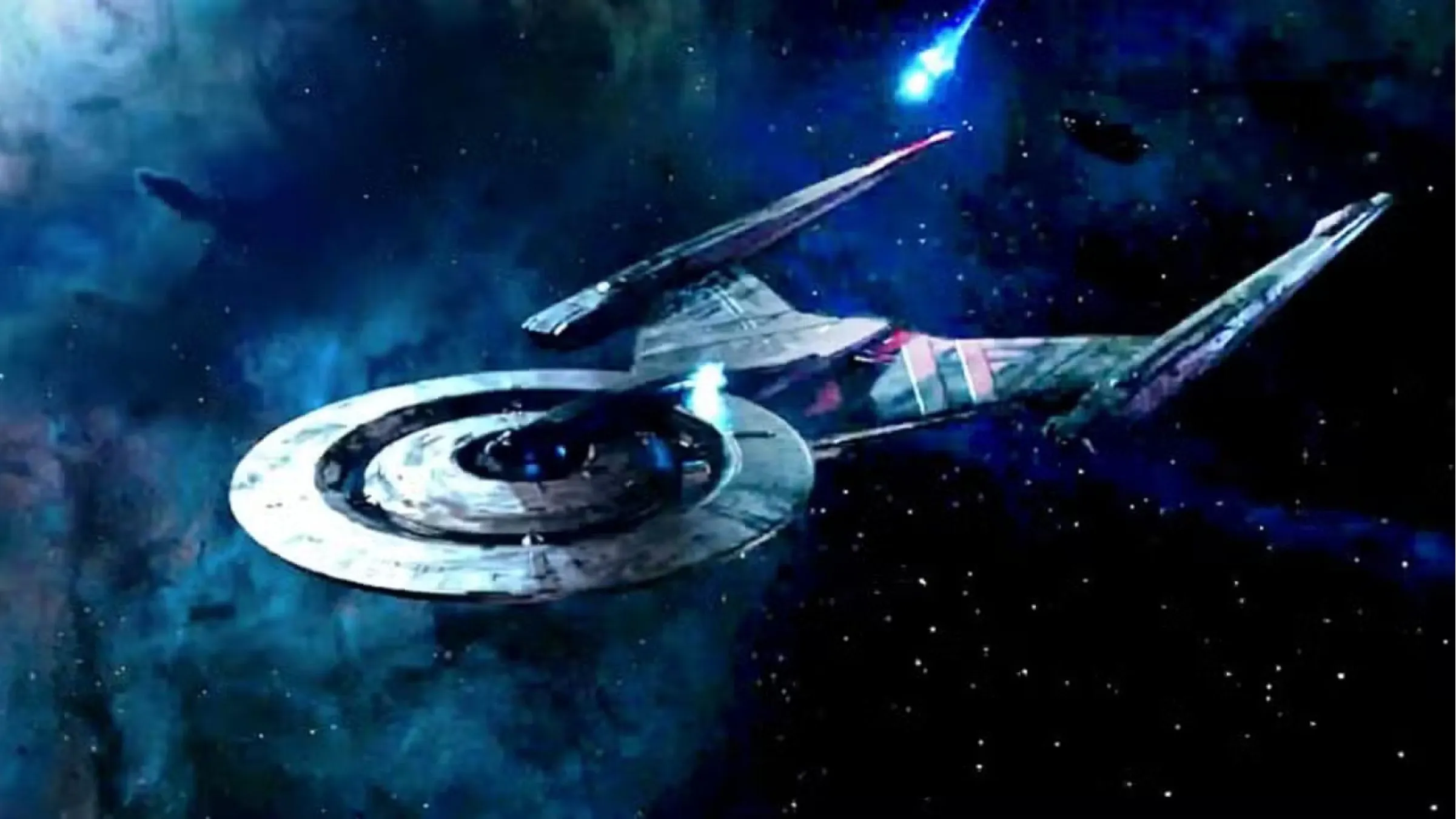
The increasing number of ways to travel faster than light diminishes what made the USS Discovery’s spore drive special. If quick and creative galactic travel becomes commonplace, the spore drive won’t seem revolutionary anymore. This shifts Discovery’s role from being a central ship of its time to something of a stepping stone – a vessel that helped the Federation evolve to a new age.
This could be positive. It appears Starfleet Academy is focused on understanding the larger state of the Federation after the Burn, rather than depending on the Discovery to fix everything. While a Discovery appearance would be welcome, the Athena is a strong replacement, and the show is rightfully exploring a galaxy that’s still recovering, with new technologies and political situations changing how Starfleet functions.
Even after nine years, Star Trek: Discovery hasn’t quite found its place within the broader Star Trek universe. However, if the future, as shown at Starfleet Academy, continues to develop as it has, the galaxy might be on its way to progressing without needing Discovery’s help.
What do you think? Leave a comment below and join the conversation now in the ComicBook Forum!
Read More
- Gold Rate Forecast
- Kelly Osbourne Slams “Disgusting” Comments on Her Appearance
- ’90s Cartoon Reboot & TMNT Connection!
- Guardians of the Globe Members We Want to See in Invincible Season 4
- Hideo Kojima Says He Was Never Told About The Matrix Creators Wanting Him to Make a Game
- One of Hulu’s Best New Shows Lands on Disney+ Ahead of Season 2
- Dune 3 Gets the Huge Update Fans Have Been Waiting For
- Lies of P Has Sold More Than 4 Million Copies
- NASA Astronaut Butch Wilmore Retires 4 Months After Return From Space
- How Kylie Jenner Helped Khloe Kardashian Amid Tristan Thompson Scandal
2026-03-08 22:16