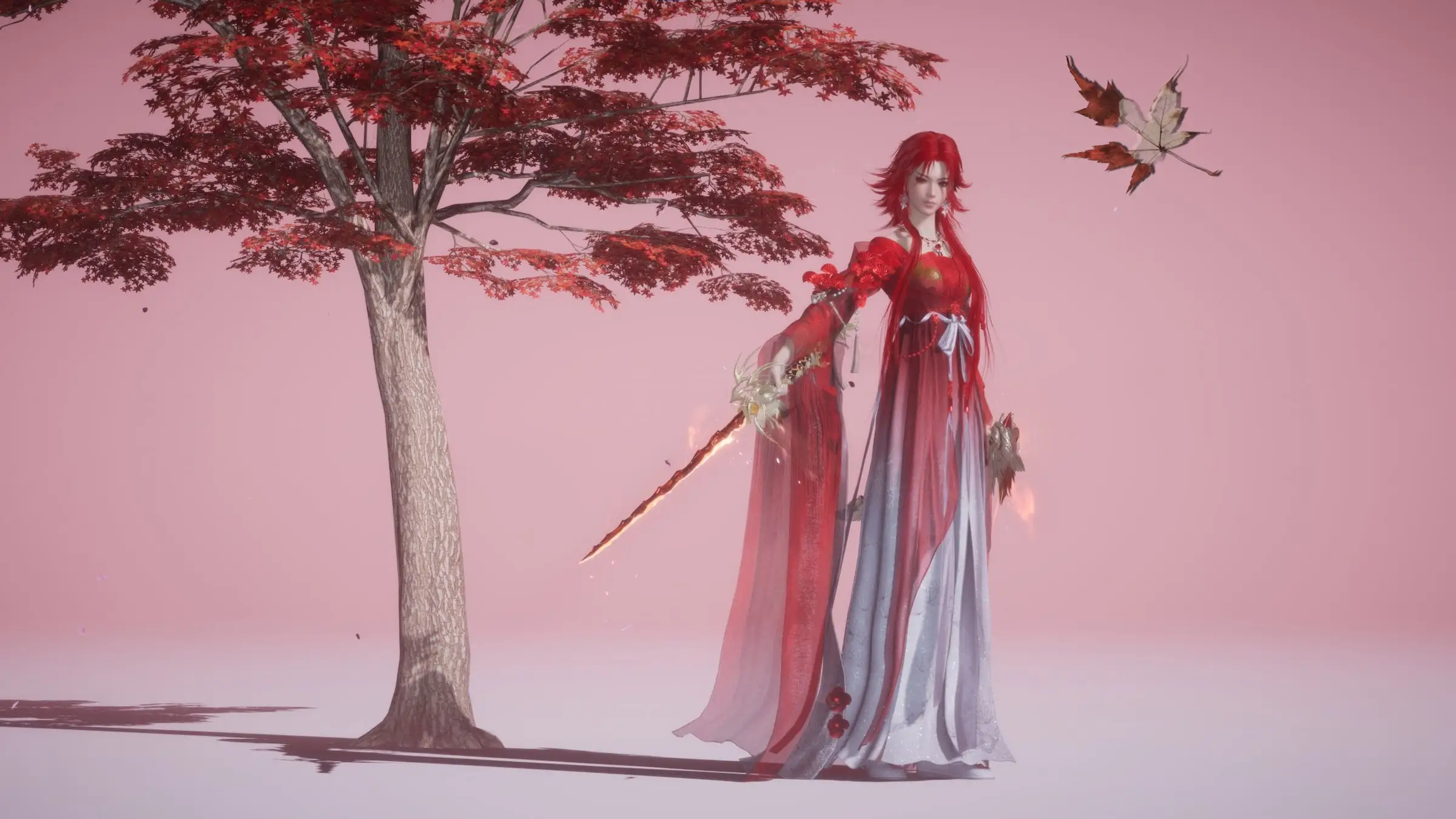
Most modern online games offer cosmetic items like character skins and weapon designs for purchase. Players often say they don’t need these items and won’t buy them, insisting they only care about the game itself. However, when new items are released, many players end up spending money on them, as if it’s just a normal part of gaming. These cosmetics have become more than just optional extras; they’re now a core part of game culture, how games make money, and even a habit for players who know they probably shouldn’t buy them.
It’s no surprise that cosmetic items are the main source of revenue in many online games, but the reasons behind this go beyond simple profit. Players often buy new skins out of habit, and game developers intentionally create systems that encourage this spending, subtly changing how the game is played. Is this manipulative? Maybe. But anyone who’s bought a limited-edition outfit understands it’s not just about appearances – it’s about expressing who you are, and that strange feeling of satisfaction mixed with the fear of missing out, which keeps players coming back for more.
Why Players Keep Paying for Cosmetics
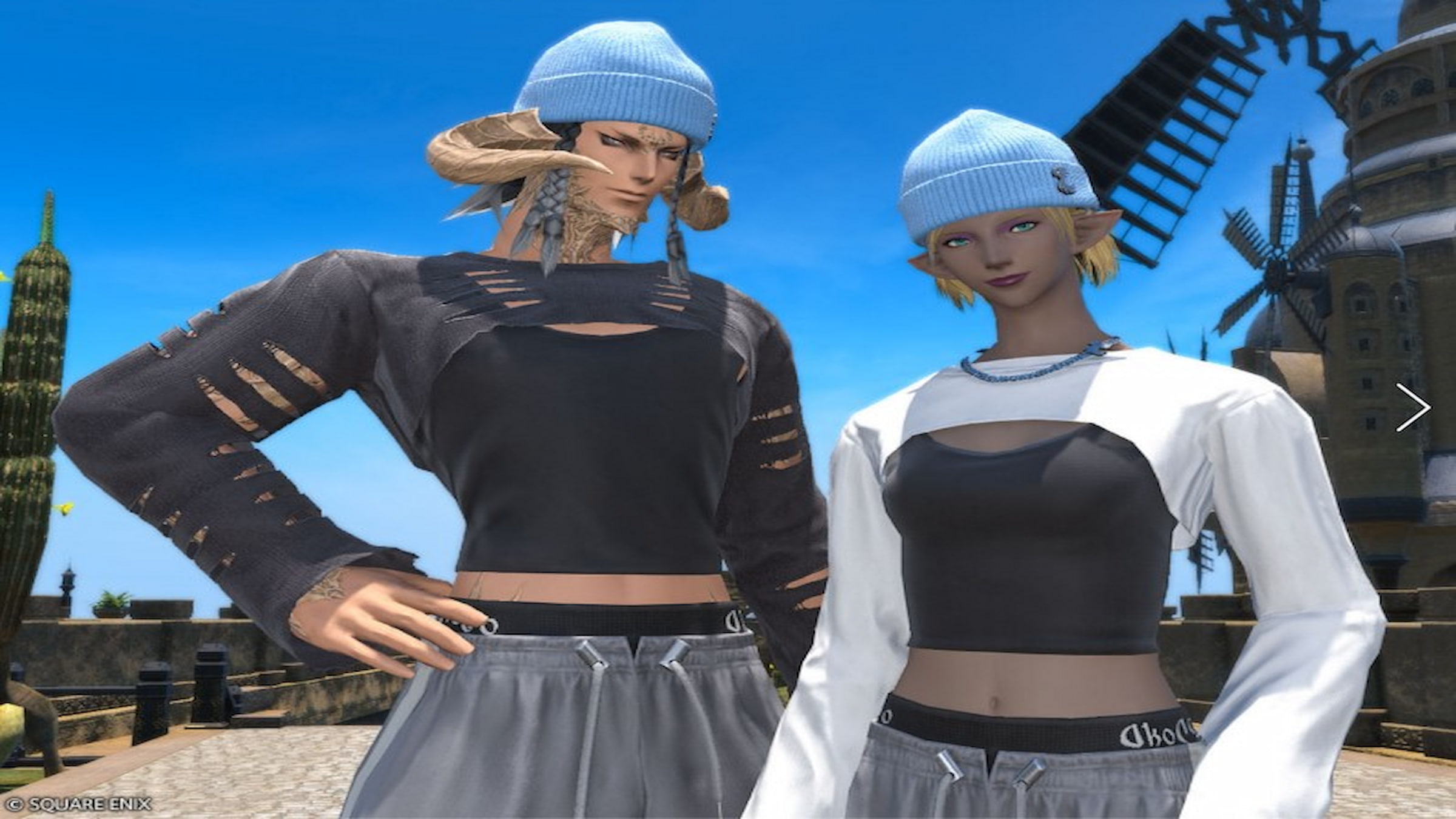
While players often see character customization as just a bit of fun, it’s actually become a core part of how many games are played. People enjoy making their characters unique and expressing themselves, which leads to a constant pursuit of the latest visual trends. Surprisingly, this “meta” isn’t about everyone looking the same – it’s about constantly striving for individual standout styles. Unfortunately, the most appealing options usually cost money, and players become accustomed to paying for that personal touch. Free options are typically available, but they often aren’t as desirable. This cycle of browsing, wanting, and purchasing quickly becomes ingrained in the gaming experience, feeling as essential as simply starting the game.
Online games come with a lot of social pressure. Players don’t want to appear inexperienced, and how your character looks – your ‘drip’ – is important. When you achieve something impressive, like defeating a powerful enemy, you want to look good doing it. Seeing teammates with cool, rare items often makes others want to acquire them too, even if they playfully tease themselves about it. Game companies are well aware of this and regularly release limited-time items and seasonal collections to create a sense of urgency. Many players who initially resist buying these items eventually give in for fear of missing out. It’s a common joke, but most players participate anyway – and you probably do too.
The Hidden Downsides of Cosmetic Microtransactions
The main problem with relying on cosmetic sales is that it subtly changes what developers focus on. Because premium skins generate revenue, a lot of effort goes into creating them. While gameplay improvements and new features aren’t completely abandoned, they’re definitely affected by the need to constantly update the in-game store. Often, the difference in quality between items you buy and those you earn is so noticeable it feels deliberate, even if developers claim it isn’t. This creates a system where the store becomes more important than the actual game experience players initially enjoyed.
The focus on how players look in games is changing how they play. Instead of being motivated by challenges or interesting gameplay, many players are now more interested in collecting cosmetic items and showing them off to others. They log in to get the latest skins or outfits, rather than to actually do anything. It’s odd, but people naturally want to express their individuality, and this is clearly reflected in gaming culture. We’re seeing a shift from rewarding skillful or creative play to rewarding players for what they’ve bought. While these cosmetic items rarely impact gameplay, they significantly affect how players see themselves and how others see them, creating a different kind of competitive environment. It might seem harmless, but anyone who’s felt pressured to buy the latest in-game items understands that this effect can be surprisingly strong, and game companies are well aware of it.
What This Means for Game Design and the Future of Live Services
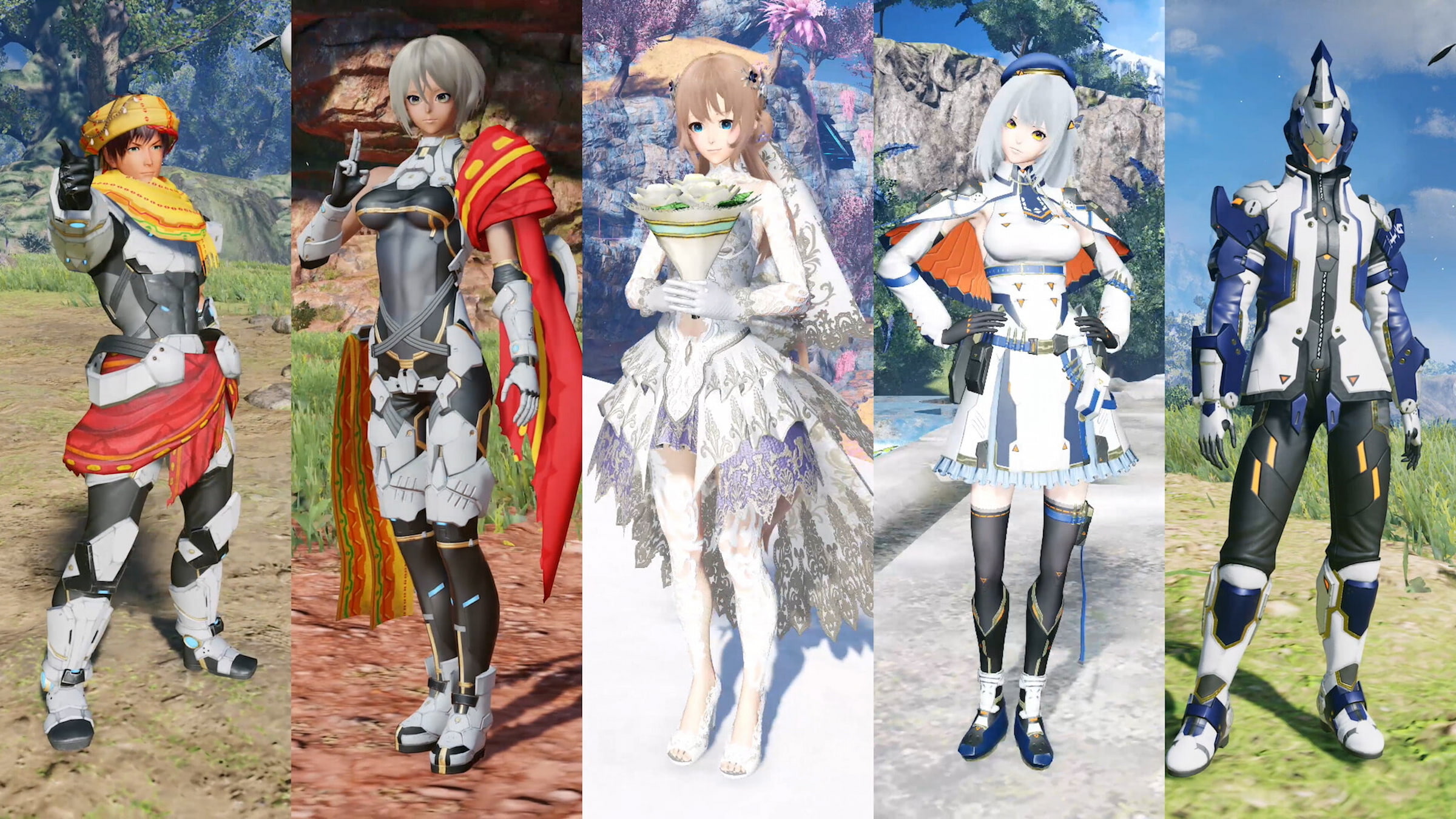
Cosmetics will likely remain a core part of video games, and developers recognize this. Games that are constantly updated (live service games) need a steady income, and selling cosmetic items is a relatively unobtrusive way to achieve that. However, a heavy reliance on cosmetic purchases could lead to future games being designed more around selling those items than around enjoyable gameplay. This could result in games feeling more like shops with a game attached, rather than the other way around. Phantasy Star Online 2: New Genesis exemplifies this trend – players enjoy customizing their characters and continue to spend money, but over time, the focus has shifted, and gameplay now takes a backseat to appearance.
The future of gaming offers exciting customization options and ways to express yourself, but it also relies heavily on spending money for the best items. It’s a bit ironic – we know we’re caught in a cycle of buying cosmetics, yet we continue to do so, even making jokes about it. As long as players keep engaging with this system, cosmetic purchases will remain a major part of live service games, influencing how they’re designed and updated for the foreseeable future. Whether this is ultimately positive or negative is a matter of personal opinion.
What do you think? Leave a comment below and join the conversation now in the ComicBook Forum!
Read More
- Gold Rate Forecast
- 10 Movies That Were Banned in Different Countries For Random Reasons
- Welcome to Demon School! Iruma-kun season 4 release schedule: When are new episodes on Crunchyroll?
- Nintendo Switch 2 Reportedly Getting Remake of One of the Best PS3 and Xbox 360 Games
- Tekken 8 Fans Furious as Tifa Tipped for Street Fighter 6 Instead
- Michael Jackson Biopic’s Record-Breaking Debut Unseats 2026’s Biggest Box Office Hit On U.S. Chart
- See Kaia Gerber & Lewis Pullman’s Vanity Fair Oscars Party Date Night
- 9 Great Supernatural Characters Everyone Forgot About
- The Fairly OddParents’ Creator Reveals Who Timmy Ended Up With
- EUR JPY PREDICTION
2025-11-25 01:11