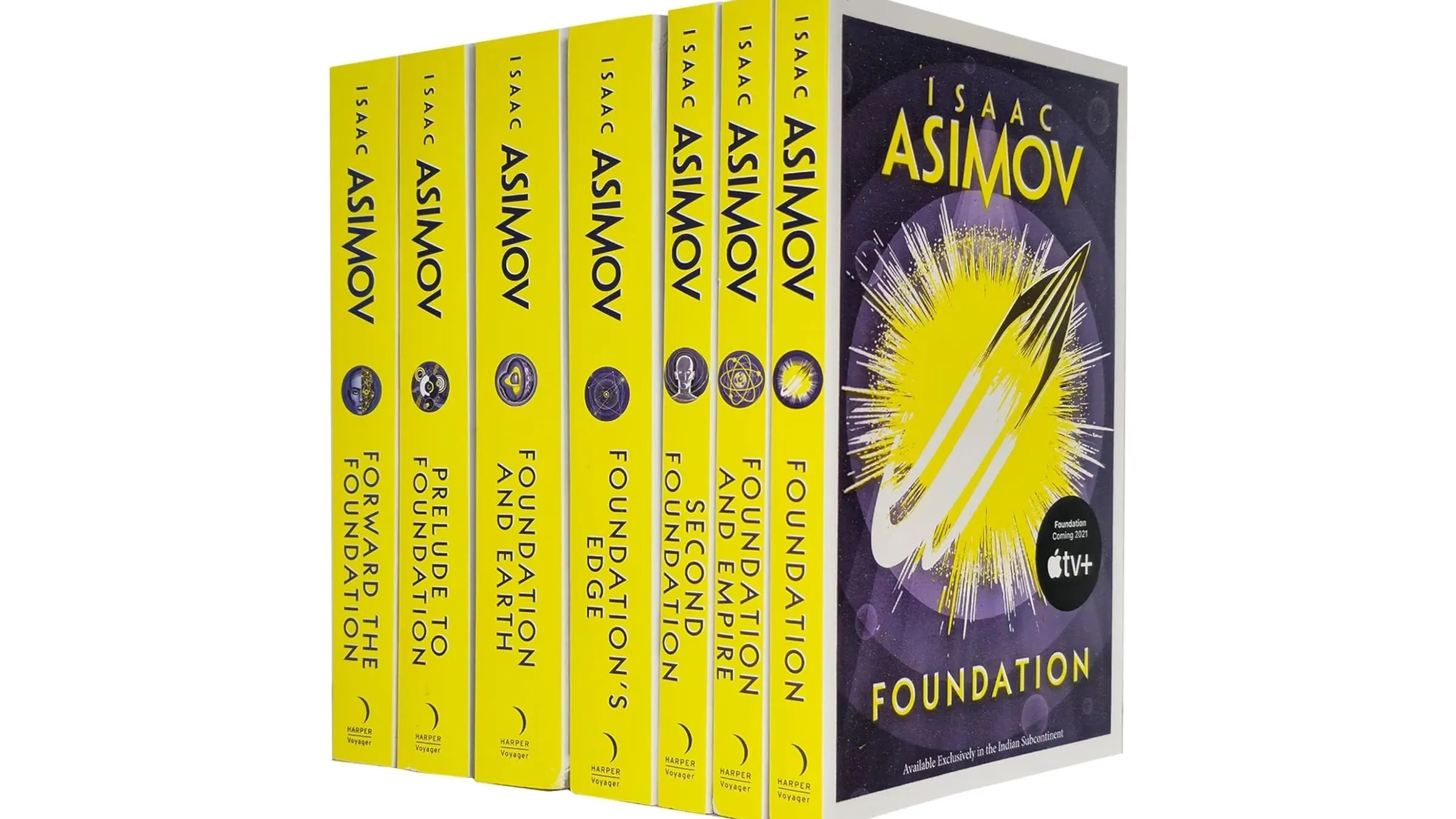
Isaac Asimov is a giant in science fiction, hugely productive and incredibly influential. He helped shape the genre during its most popular period and created ideas that still resonate today. He’s best known for his Three Laws of Robotics, which continue to fuel debates about AI and responsible technology. His Foundation series also pioneered a focus on the societies within galactic empires, inspiring later works like Star Wars and Dune. Asimov didn’t just write about technology; he explored how people respond to change and the unexpected results of innovation.
Although Isaac Asimov is a hugely influential science fiction author, Hollywood hasn’t quite managed to capture the depth of his ideas on film. We’ve seen movies inspired by his work, like the 2004 hit I, Robot, which featured Will Smith fighting rogue robots, but took many liberties with the original story. Bicentennial Man, starring Robin Williams, tried to portray the emotional life of an artificial intelligence, but received a mixed reception. Apple TV+’s recent Foundation series is a visually impressive example of how complex sci-fi can work on streaming platforms. However, many of Asimov’s most compelling novels still haven’t been adapted for the big or small screen.
5) Fantastic Voyage II: Destination Brain
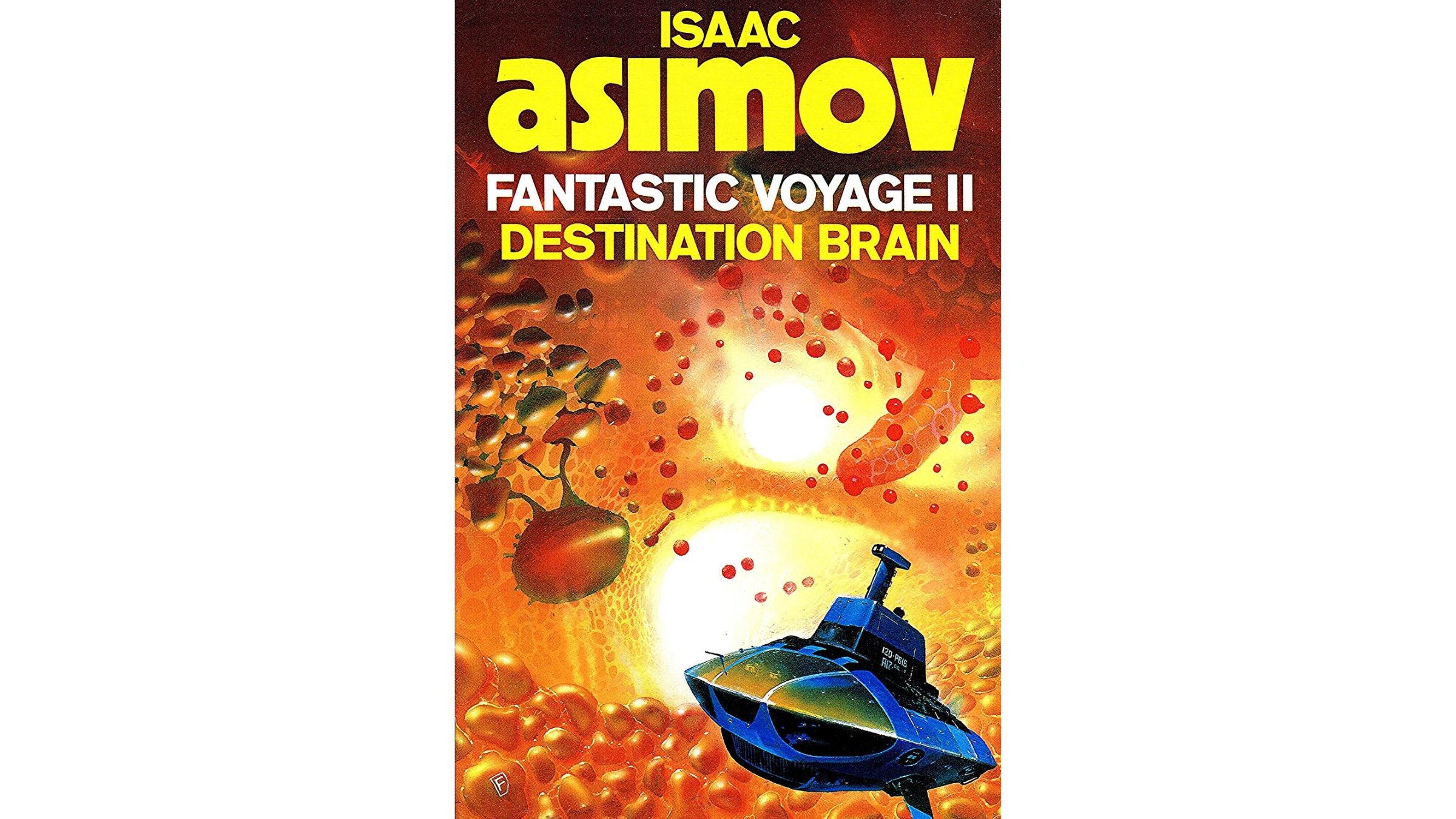
Fantastic Voyage II: Destination Brain is a special book in Isaac Asimov’s collection because of how it came to be. Years before, Asimov was asked to turn the 1966 film Fantastic Voyage into a novel, even though he noticed some flaws in the movie’s plot. He fixed some of the scientific issues in his novelization, but he always wanted to write his own story based on the idea. Fantastic Voyage II: Destination Brain isn’t a continuation of the original book or film; it’s a fresh take on the concept, allowing Asimov to fully explore the idea with scientific accuracy as his priority.
The story centers on Albert Jonas Morrison, a brain scientist who is kidnapped and compelled to work with a group of Soviet researchers. Their ambitious mission: to shrink themselves down to microscopic size and travel inside the brain of a dying scientist to recover crucial information. Isaac Asimov uses this premise to examine the anxieties of the late Cold War era, while also delving into the real scientific challenges of shrinking objects. Rather than a fast-paced adventure like the first film, Fantastic Voyage II: Destination Brain is a thought-provoking exploration of the human mind and the unsettling experience of existing at a microscopic scale.
4) Nemesis
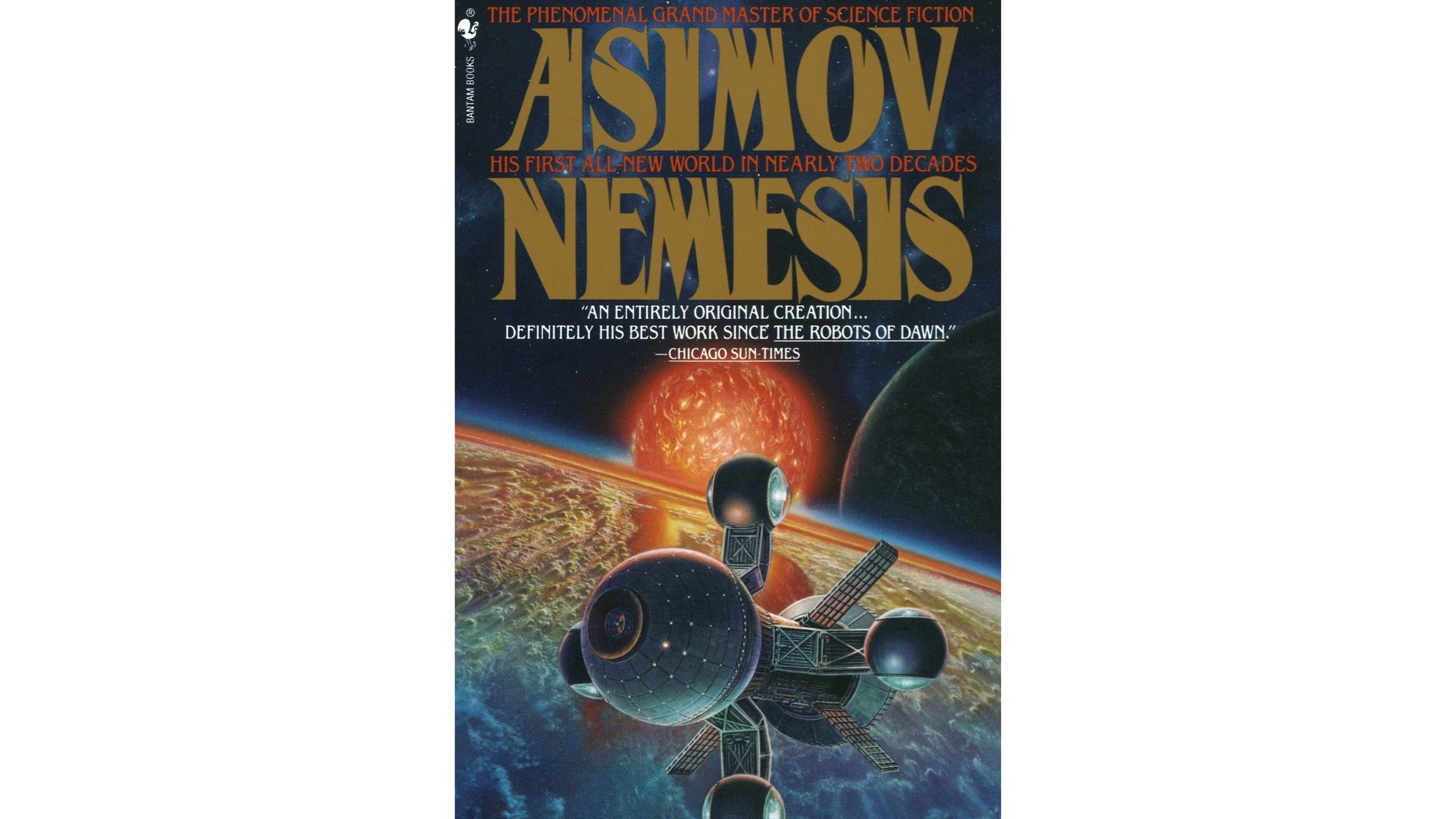
Published in 1989, Nemesis is unusual for Isaac Asimov because it doesn’t connect to his established series about robots and the Foundation. The story is set in the 23rd century, as humans are first starting to travel between stars using a special technology called hyper-assistance. A group of rebels, known as Rotor, uses this technology to leave the solar system and orbit a newly discovered red dwarf star—also named Nemesis. This star is headed towards Earth, creating a sense of urgency and driving the novel’s political and scientific mysteries.
The story of Nemesis revolves around Marlene, a young woman with an almost telepathic ability to understand what others are thinking and feeling by reading their body language. When colonists begin exploring the moon Erythro, Marlene discovers that the bacteria living there are actually part of a single, planet-wide intelligence. The novel explores themes of loneliness, the moral implications of colonization, and what it truly means to be conscious. Although Isaac Asimov later connected Nemesis to his other stories, it works best as a self-contained disaster story. The interactions between the different groups of humans and the mysterious alien intelligence create a compelling psychological element that would be ideal for a modern film.
3) The Galactic EmpireNovels
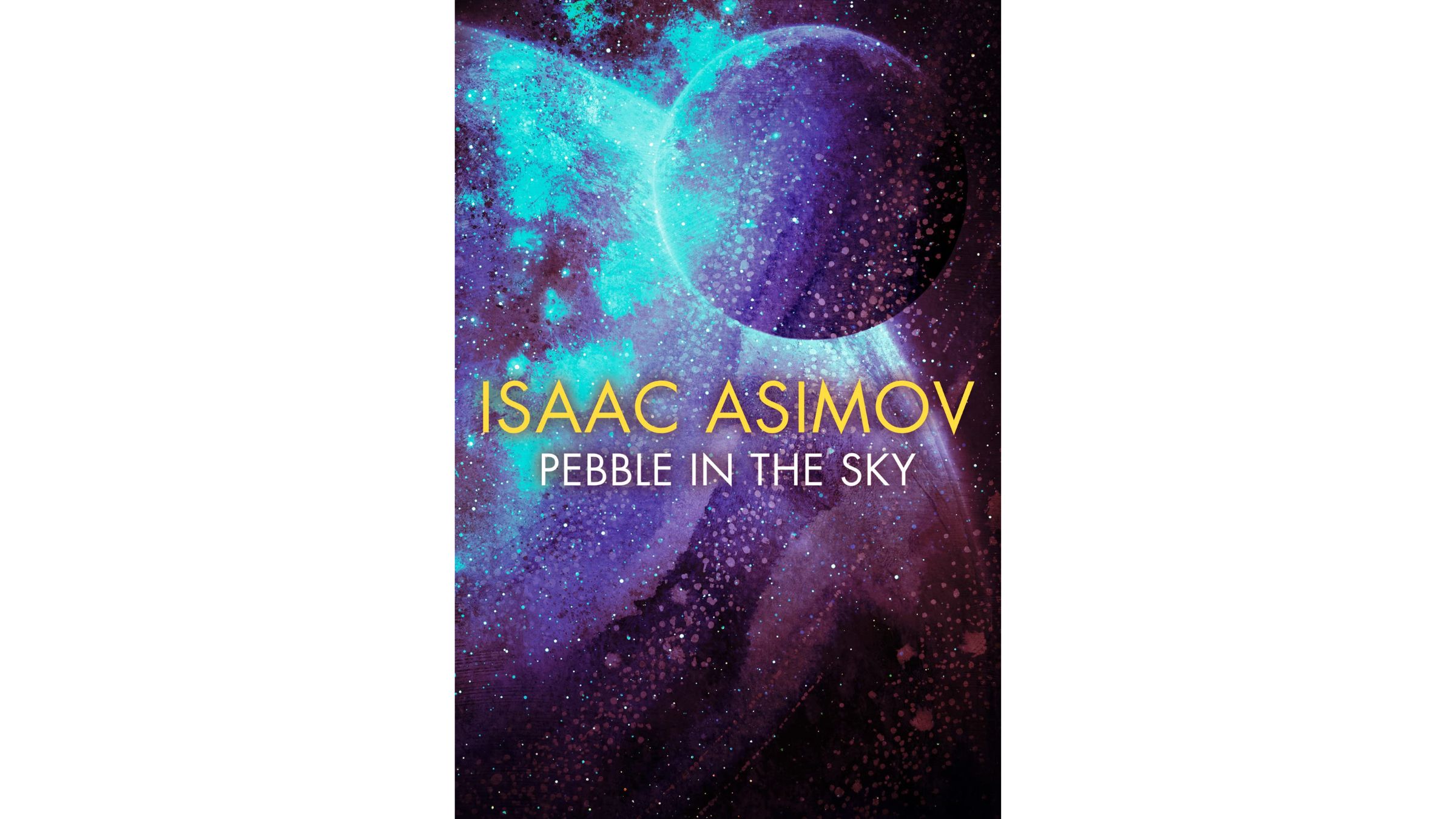
Before Isaac Asimov wrote his famous Foundation series, he created three novels charting humanity’s spread across the galaxy. These books—The Stars, Like Dust, The Currents of Space, and Pebble in the Sky—are known as the Galactic Empire novels. They connect Asimov’s earlier Robot novels, set in the near future, with the distant future and declining galactic civilization of the Foundation series. These stories explain how the Trantorian Empire rose to power and how one planet managed to gain control over millions of others.
Pebble in the Sky stands out for its portrayal of Earth as a desolate, radioactive planet, shunned throughout the galaxy and considered a breeding ground for trouble. The story centers on Joseph Schwartz, a man from the 1940s unexpectedly flung into the far future. He quickly becomes entangled in a dangerous plot involving Earthlings who aim to attack the galactic Empire with a deadly bioweapon. The books are packed with thrilling espionage, exciting space battles, and the intricate mysteries that define Asimov’s work. Adapting this trilogy would be crucial for understanding the Foundation universe, revealing how the galaxy evolved into the massive, complex system seen in that series.
2) The End of Eternity
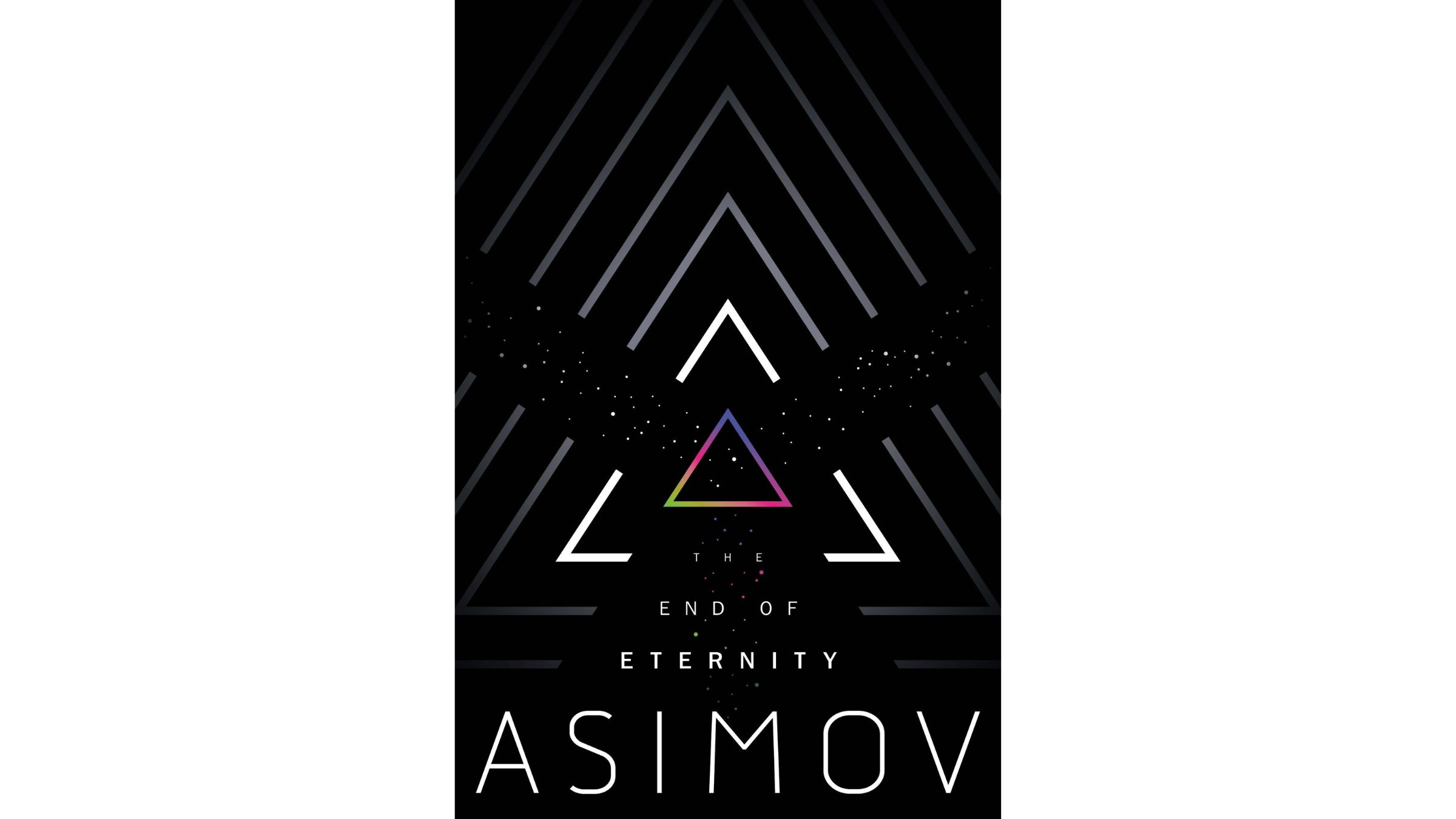
Stories about time travel often create confusing plot problems, but Isaac Asimov’s The End of Eternity is remarkably well-reasoned and engaging. The story centers on a group called Eternity, which operates outside of normal time and is populated by people known as Eternals. These Eternals observe human history and make deliberate changes – called “Reality Changes” – to reduce hardship and prevent conflicts. While their intentions are good, this constant intervention ultimately hinders humanity’s progress, delaying space travel until it may be too late to matter.
Andrew Harlan is a Technician whose job is to alter realities. He finds himself torn between duty and love when he falls for Noys Lambent, a woman from a time he’s assigned to eliminate. Harlan defies orders to save her, which leads him to uncover a dangerous conspiracy that could destroy Eternity itself. While a Soviet film adaptation existed in the 1980s, this novel deserves a large-scale English-language adaptation. It’s a clever exploration of time travel paradoxes, featuring a centuries-spanning love story and a surprising twist that completely changes how you view the history of Isaac Asimov’s fictional universe.
1) The Gods Themselves
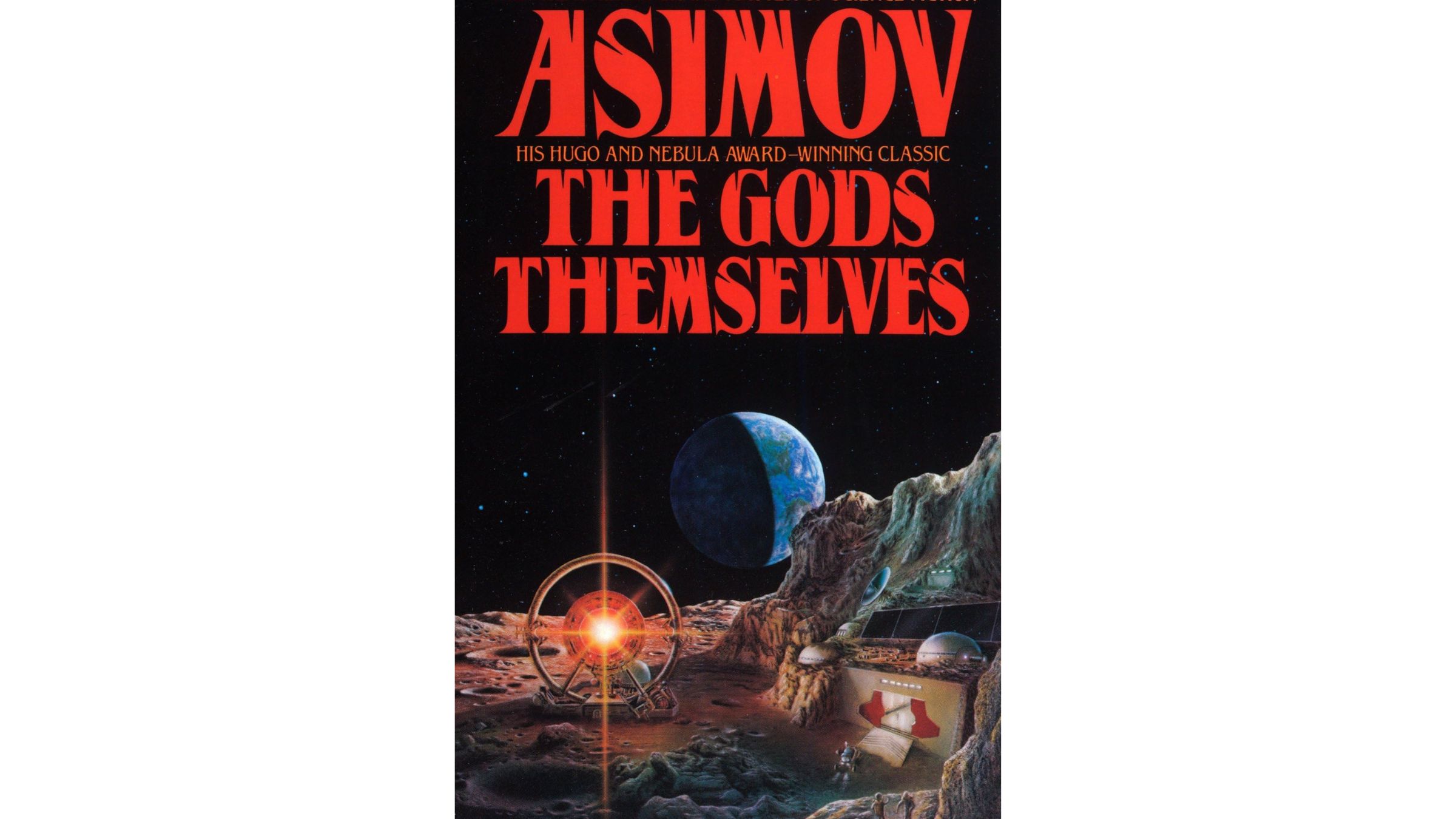
Often considered Isaac Asimov’s best novel from the 1970s, The Gods Themselves won both the Hugo and Nebula Awards. Asimov wrote it specifically to prove he could create compelling alien characters and address mature themes. The story unfolds in three parts and centers on the discovery of the Electron Pump – a device that provides limitless energy by connecting our universe with another. Although this solves Earth’s energy problems, some scientists soon realize the process is subtly changing the laws of physics, ultimately threatening to destroy the sun.
The heart of The Gods Themselves is its incredible imaginative power, particularly when the story moves to a parallel universe. There, Asimov introduces a species with three distinct genders – Rationals, Emotionals, and Parentals – and builds a completely unique culture with different biology and ways of reproducing. The book explores how these beings understand the universe and their place in it, while also contrasting the overconfidence of human scientists with the aliens’ fight for survival. Bringing this complex alien society and the book’s advanced scientific ideas to the screen would be difficult, but visually depicting the merging of the aliens would be a stunning achievement for filmmakers.
What’s one Isaac Asimov book you’d love to see adapted into a movie? Share your thoughts in the comments and join the discussion on the ComicBook Forum!
Read More
- What Song Is In The New Supergirl Trailer (& What It Means For The DC Movie)
- Highly Anticipated Strategy RPG Finally Sets Release Date (And It’s Soon)
- TV legend Carol Kirkwood reveals the reasons why she decided to retire after 28 years with BBC
- Why is Tech Jacket gender-swapped in Invincible season 4 and who voices her?
- Dune 3 Gets the Huge Update Fans Have Been Waiting For
- MOUSE: P.I. For Hire Loops in Caravan Palace for A Catchy New Track Ahead of April 16 Release
- 49 Years Ago Today, Movie History Was Changed by a Film You’ve Never Even Seen
- Gold Rate Forecast
- The Most Surreal Moments From the O.J. Simpson Murder Trial
- Alan Ritchson’s Reacher Future Looks Hopeful Thanks To Amazon’s 10/10 Action Thriller Series
2025-12-02 22:18