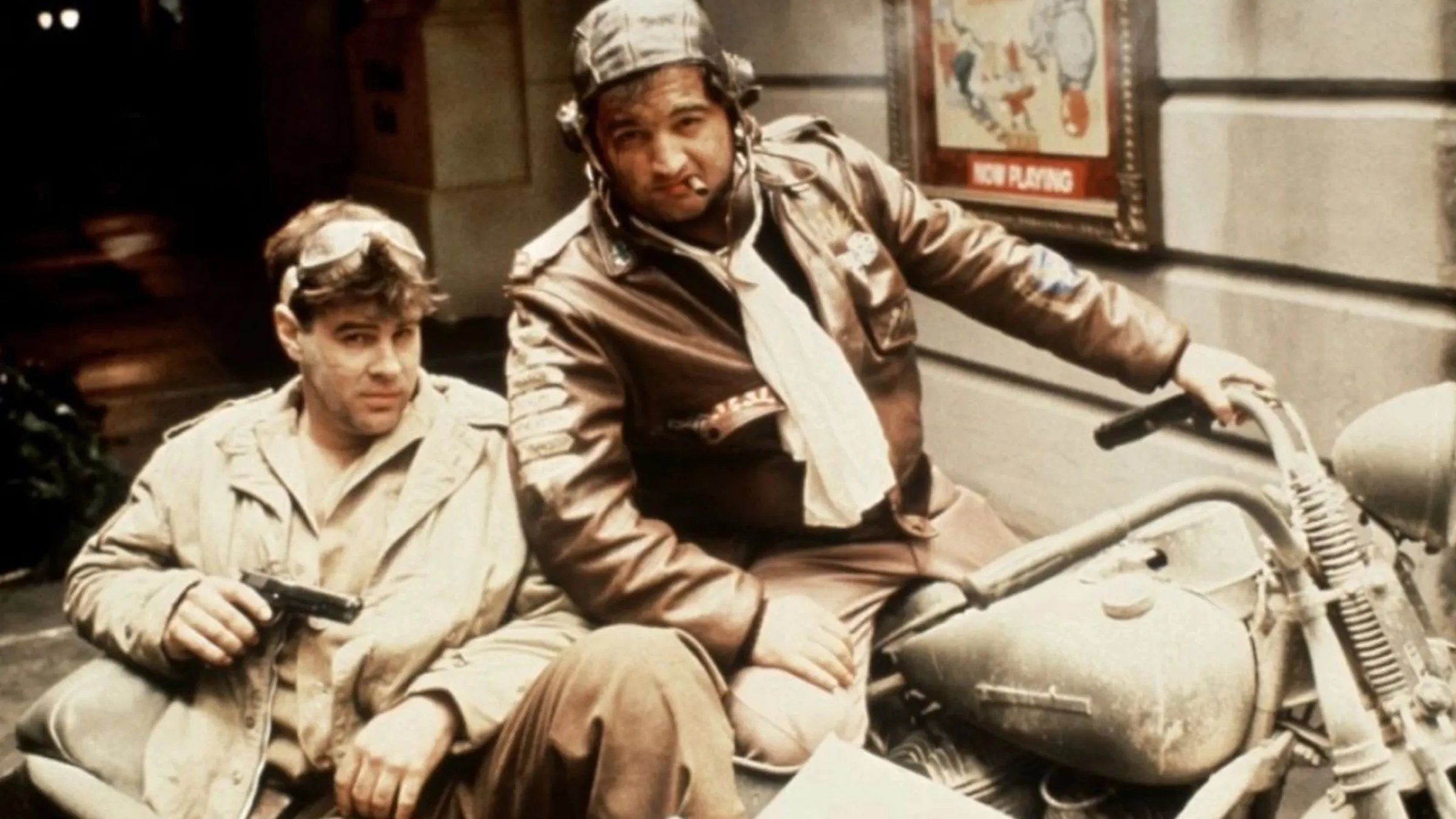
Steven Spielberg, with 36 films under his belt (and another on the way about UFOs), has shown he can expertly handle any type of movie. He’s known for suspenseful thrillers with a touch of horror, like Duel and Jaws, and powerful war films such as Saving Private Ryan. He’s also made significant contributions to historical dramas with films like The Color Purple, Schindler’s List, and Munich. When it comes to science fiction, his films Close Encounters of the Third Kind, Minority Report, E.T. the Extra-Terrestrial, and Ready Player One have all been critically acclaimed and remain popular. However, he’s perhaps best known for action-adventure, as demonstrated by the original Indiana Jones trilogy and Jurassic Park.
Look, Spielberg is a master of so many genres, but comedy has always been his Achilles’ heel. He’s really only tackled a straight-up comedy once – his sixth film, 1941. And honestly, he hasn’t gone near that territory since! It debuted 46 years ago today, and it seems he learned his lesson. While he’s dipped his toe in with funny-ish dramas like Catch Me If You Can and The Terminal, he’s definitely steered clear of making another full-on comedy.
Why Did 1941 Flop?
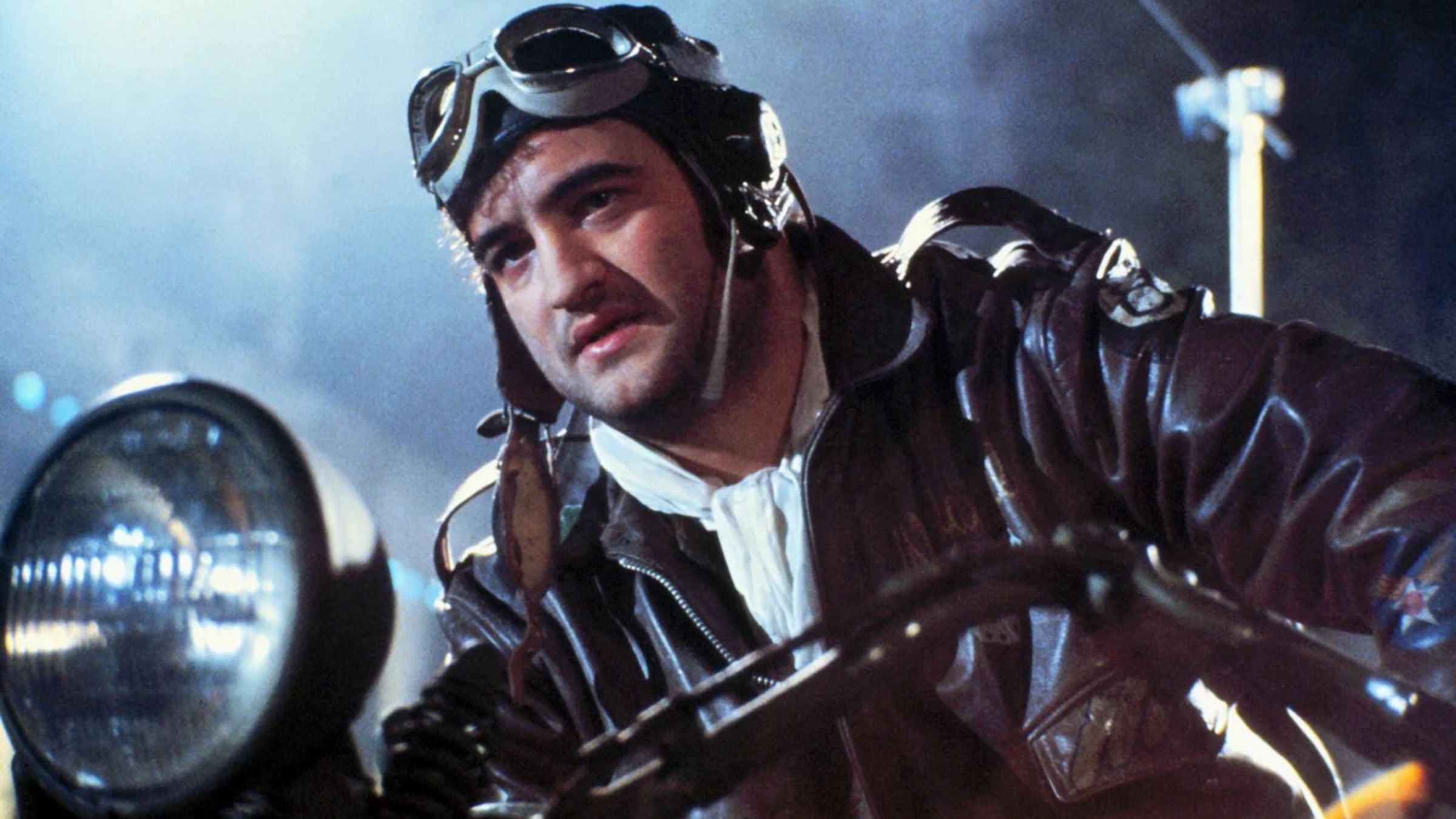
While 1941 wasn’t a complete failure, it didn’t perform as well as Universal Pictures had hoped. This was especially disappointing considering the huge success of their previous films, Jaws and Close Encounters of the Third Kind. Jaws earned 53 times its production cost in 1975, and Close Encounters earned 15 times its budget in 1977. Compared to those blockbusters, 1941’s failure to even triple its cost was considered a significant underperformance.
One reason the movie didn’t succeed is that it doesn’t hold up well on repeat viewings. The decision to center the story around the fear following the attack on Pearl Harbor feels odd given the film’s over-the-top, cartoonish style. Also, despite being a comedy, the plot feels overly complicated with too many characters, and few actors besides Danny Aykroyd and John Belushi make a lasting impression.
Looking back, it’s easy to see why 1941 did so well, especially considering John Belushi and Dan Aykroyd had just finished their run on Saturday Night Live only seven months before. They were huge stars then, and I think a lot of people went to see the movie simply to see them together on the big screen. It was their first time sharing a film, and of course, they’d go on to make the much more famous The Blues Brothers and, sadly, Belushi’s last movie, Neighbors.
Spielberg quickly recovered from the disappointment of 1941 with two huge hits: Raiders of the Lost Ark and E.T. the Extra-Terrestrial. These films proved that 1941‘s failure was just a one-time occurrence.
Ultimately, the 1941 film became a significant work in Steven Spielberg’s career. It marked his second time working with Robert Zemeckis and Bob Gale, with Zemeckis having previously been mentored by Spielberg.
Robert Zemeckis, Bob Gale, and Steven Spielberg first teamed up on the 1978 comedy I Wanna Hold Your Hand, with Zemeckis directing and co-writing, and Spielberg serving as executive producer. They collaborated again in 1980 on the often-overlooked Kurt Russell comedy Used Cars, repeating the same creative roles: Zemeckis directed and co-wrote, and Spielberg was the executive producer.
The peak of their creative partnership arrived with Back to the Future, which became a global phenomenon. Robert Zemeckis and Bob Gale wrote and directed the famous trilogy, with Steven Spielberg again serving as executive producer. Unlike their earlier projects, Spielberg’s influence on Back to the Future is clearly visible. He also executive produced Who Framed Roger Rabbit, directed by Zemeckis, though Gale wasn’t involved. This animated-live action film was released between the first and second Back to the Future movies.
This project also marked the beginning of a professional connection between Spielberg and comedians John Belushi and Dan Aykroyd. A year after 1941, Spielberg made a brief appearance in The Blues Brothers. He later produced Continental Divide, one of Belushi’s last films, and this was the first movie to credit Spielberg’s production company, Amblin Entertainment.
Dan Aykroyd appeared in segments of the film Twilight Zone: The Movie, which was written and co-directed by Steven Spielberg, though those specific scenes were directed by John Landis and George Miller. He also made brief appearances in Spielberg’s Indiana Jones and the Temple of Doom and Casper (which Spielberg helped produce) as his Ghostbusters character, Ray Stantz. Considering these collaborations, it’s unlikely Spielberg views 1941 as a total flop.
Read More
- 4 TV Shows To Watch While You Wait for Wednesday Season 3
- Best X-Men Movies (September 2025)
- Every Creepy Clown in American Horror Story Ranked
- PlayStation Plus Game Catalog and Classics Catalog lineup for July 2025 announced
- 10 Best Buffy the Vampire Slayer Characters Ranked
- 10 Most Memorable Batman Covers
- All 6 Takopi’s Original Sin Episodes, Ranked
- Best Shazam Comics (Updated: September 2025)
- 10 Movies That Were Secretly Sequels
- Ted’s ‘Dungeons & Dealers’ Episode Accurately Captures D&D Experience
2025-12-14 20:16