
It’s time for more Apple shenanigans, once again targeting Fortnite and other similar games.
For years, Apple has been locked in a dispute with Epic Games and other developers regarding access to its iOS platform. Since the beginning, Apple has maintained a closed system for iPhone and iPad development, charging high fees and imposing restrictions that give it significant control over financial transactions and effectively create a near-monopoly.
Epic Games successfully challenged Apple in court over this issue, winning multiple times. However, Apple continues to resist change, effectively undermining laws intended to benefit both consumers and developers by reducing costs.
Fortnite is currently the world’s most popular game, and Apple has been strongly opposing Epic Games’ efforts to connect with mobile players without paying substantial fees. Epic Games CEO Tim Sweeney recently explained the situation on X (formerly Twitter).
I was really disappointed to hear that Fortnite won’t be coming back to iPhones and iPads in Japan next year like we were hoping. Tim Sweeney says Apple was supposed to allow other app stores on iOS, but instead of doing that, they’ve created another roadblock – and he thinks it’s a blatant disregard for both the Japanese government and its people. It’s a really frustrating situation for all of us fans over there!
Epic Games CEO Tim Sweeney stated on X that Apple is imposing a hefty 21% fee on payments made through apps and 15% on web purchases – a practice courts have already ruled against. He also claims Apple is using misleading warning screens to discourage customers from doing business with Apple’s competitors by raising concerns about privacy and security.
Picture the backlash from gamers and regulators if Microsoft demanded that all games on Steam and the Epic Games Store send transaction data to Microsoft. That’s exactly what Apple has just announced will happen in Japan, starting December 18, 2025.
Tim Sweeney raises a good point about what Microsoft would face if it tried something similar with Windows. Back in the late 90s and early 2000s, regulators punished Microsoft for including Internet Explorer with Windows, which made it hard for other browsers like Google Chrome to gain popularity. As a result, Microsoft was required to let users choose their preferred browser when setting up Windows – something many long-time computer users might remember. Interestingly, this situation ultimately helped Google become the dominant force on the internet, but that’s a topic for another time.
Microsoft does charge developers to use Xbox Series X|S consoles, but it’s a stretch to say Xbox has a monopoly because of it. The console business relies on these fees; Xbox Series X|S and PlayStation 5 are basically sold at the price of making them. iPhones are different—Apple clearly makes a profit on both the phones themselves and the software, charging developers high fees that customers ultimately cover.
Microsoft has an open approach on Windows PCs, taking no cut of revenue for apps and services. Developers can build and grow their businesses freely. Even when using the Microsoft Store, they only pay fees if they utilize Microsoft’s payment processing. For PC games, Microsoft charges a 12% fee on sales through the Xbox PC app – much lower than Apple’s typical 30% or 27% for external payment links. Recent EU regulations have pushed Apple to reduce its fees to 13%, aligning with Microsoft and Epic Games, and also allow alternative app stores on its platform.
Microsoft and Xbox customers have benefitted from Apple vs. Epic
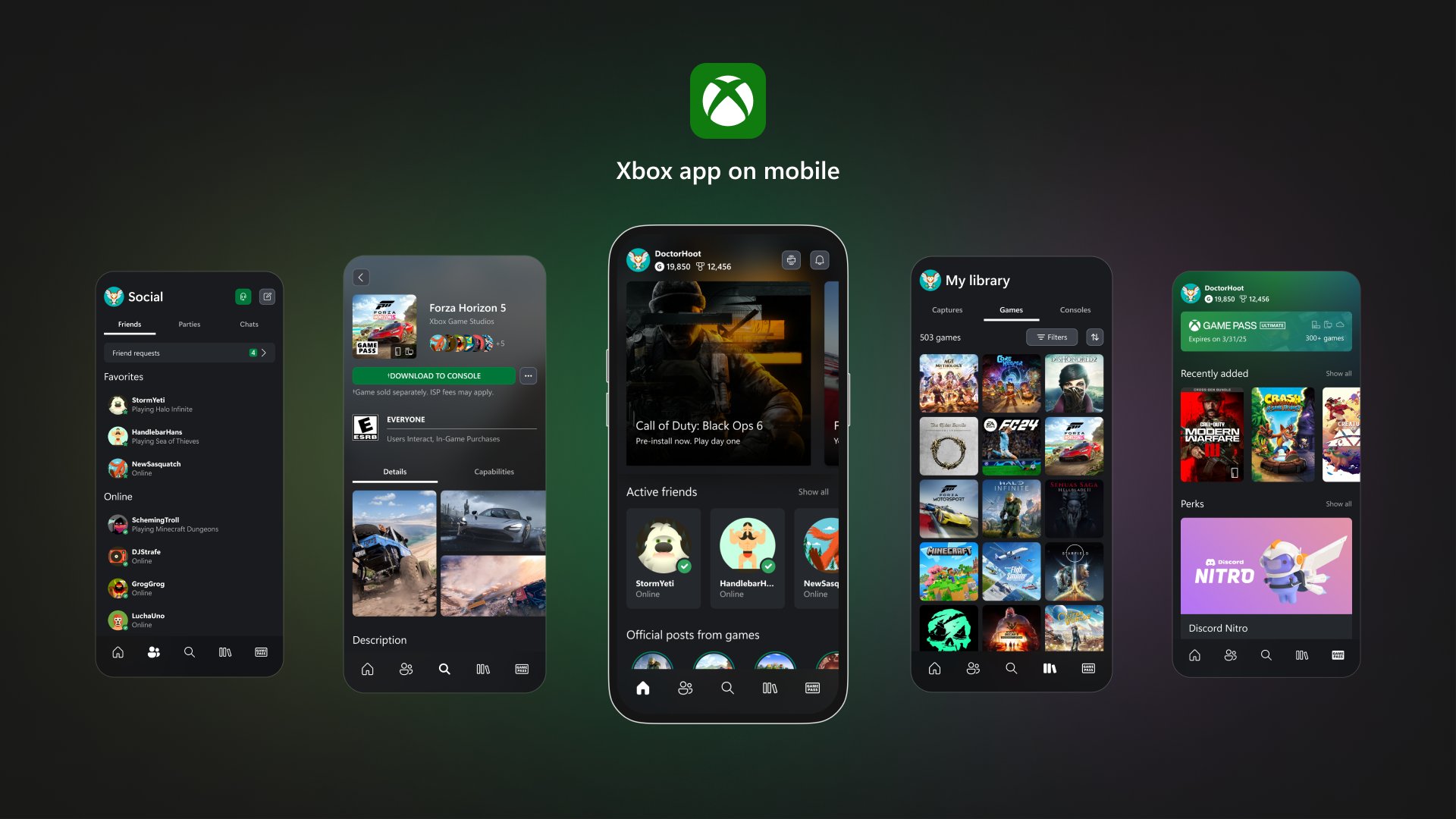
Recent court decisions affecting Apple and Google Play have allowed Microsoft to start selling Xbox games directly through its mobile app again. This gives Microsoft and game developers a new way to reach players without having to pay unnecessary fees to Google.
Mobile gaming is still the fastest-growing part of the entertainment industry, but Google and Apple’s dominance is stifling innovation. This has pushed developers towards using aggressive monetization tactics, like ‘pay-to-win’ schemes, just to stay in business.
Microsoft’s Xbox Cloud Gaming is essentially blocked on Apple and Google devices, preventing direct gameplay. This is due to the rules these companies have in place that favor their own app stores. It’s similar to if Microsoft tried to prevent Steam from working on Windows – customers and regulators would be understandably furious. Yet, we seem to accept that Apple and Google are doing the same thing with their dominance in the mobile market. These strict rules are also why Microsoft hasn’t been able to launch its own mobile game store.
Microsoft has a history of practices like these, and ultimately, customers end up paying for them. While Microsoft gains from the growing openness of iOS and Android – especially since they don’t have their own mobile platform – everyone involved, including developers and consumers, would benefit from eliminating hidden or extra fees. Lowering the hurdles for businesses to succeed will encourage more innovation and creativity, and hopefully, won’t benefit Wall Street at the expense of others.
Read More
- Best Controller Settings for ARC Raiders
- FRONT MISSION 3: Remake coming to PS5, Xbox Series, PS4, Xbox One, and PC on January 30, 2026
- Mark Zuckerberg & Wife Priscilla Chan Make Surprise Debut at Met Gala
- Meet the cast of Good Omens season 3: All the actors and characters
- Review: Final Fantasy Tactics: The Ivalice Chronicles (PS5) – Still the Benchmark for Turn-Based Tactics
- Nippon Sangoku Is The Best New Post-Apocalyptic Anime of Spring 2026
- 7 Great Marvel Villains Who Are Currently Dead
- Welcome to Demon School! Iruma-kun season 4 release schedule: When are new episodes on Crunchyroll?
- Wistoria: Wand and Sword Season 2 release schedule: When are new episodes out?
- The Boys Season 5 Officially Ends An Era For Jensen Ackles’ Soldier Boy
2025-12-18 20:10