
It’s been 16 years since James Cameron surpassed the box office success of his own film, Titanic, with Avatar, which earned $2.7 billion worldwide. Since then, he’s been dedicated to deep-sea exploration and expanding the world of the Na’vi people.
He’s also co-directing the new concert film about Billie Eilish’s tour, Billie Eilish—Hit Me Hard and Soft: The Tour (Live in 3D). However, when it comes to traditional movies, the 71-year-old Oscar winner has focused almost entirely on the world of Pandora—the distant, resource-rich moon from the movie Avatar, inhabited by the Na’vi, who generally want to be left alone.
Alas, threats to their way of life abound nonetheless.
The first Avatar film (2009) and its sequel, Avatar: The Way of Water (2022), explored deep questions about existence and both were huge box office successes—The Way of Water even surpassed Titanic, becoming the third highest-grossing film of all time with $2.34 billion. Now, in the third film, Avatar: Fire and Ash, it’s conflict between clans that poses the biggest threat to the world James Cameron envisioned in his five-film series.
He’s maintained from the beginning that his plans will succeed, but only if Disney’s 20th Century Studios believes they’re financially viable.
James Cameron, the renowned director, inventor, and explorer, often gets the impression people think he’s overly confident or out of touch. However, he recently told the New York Times that he’s keenly aware of the dangers of excessive pride. He’s actually quite careful and a meticulous planner, surrounding himself with talented people and demanding the same level of detailed preparation from them as he provides himself.

Hence the 13 years it took for Avatar: The Way of Water to meet the director’s own sky-high standards.
Although the relatively short three-year wait between the second and third movies revitalized the series, it also suggests James Cameron intends to conclude the franchise in the near future.
The next Avatar movie is planned to come out in 2031, which isn’t that far off – just six years from now.
Before you settle in for the three-hour and 15-minute movie Avatar: Fire and Ash—just like the length of Titanic, by the way—we’ve explored the detailed world of the Avatar films to share some interesting background information.
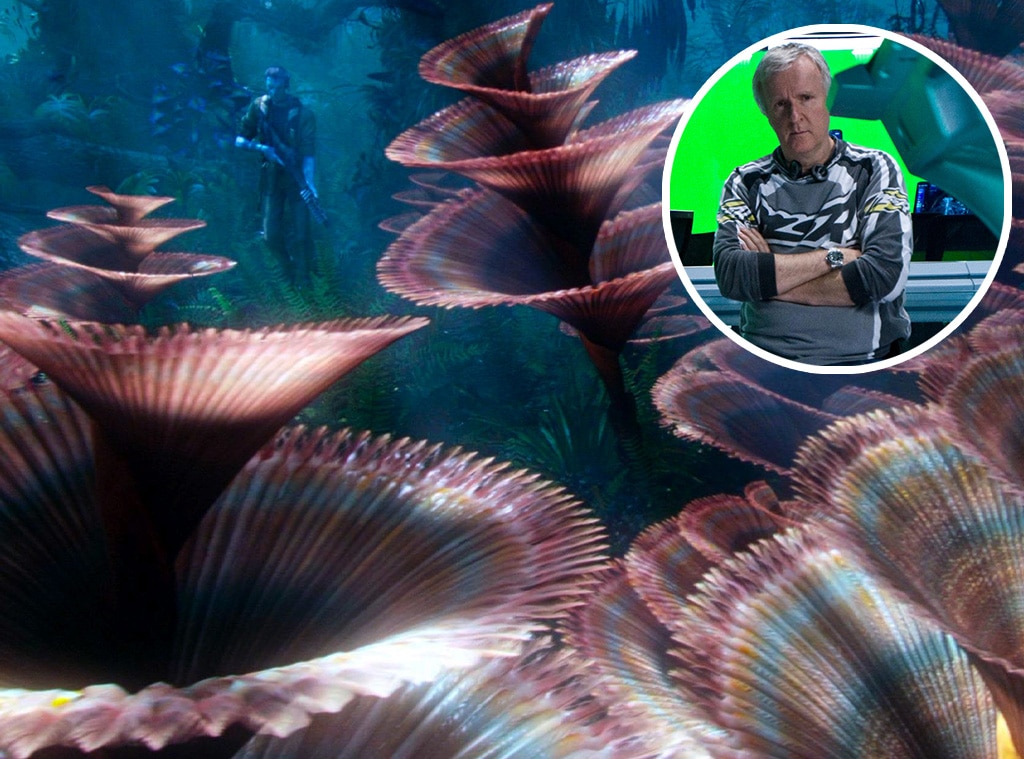
The director of Titanic, The Terminator and Aliens had a dream that made him feel blue, in a good way.
In a 2022 interview with GQ, James Cameron described a vivid dream that heavily inspired his work. He recalled dreaming of a bioluminescent forest filled with trees resembling fiber-optic lamps, a glowing river, and purple moss that lit up when stepped on. The dream also featured lizards that transformed into spinning, disc-like creatures – essentially living Frisbees – and would descend to land on objects. He emphasized that the entire fantastical scene originated in his dream.
Cameron began sketching his ideas – he’s a skilled artist, and actually drew Kate Winslet as Rose from Titanic – and these drawings ended up protecting him from around ten potential lawsuits. He explained that with any popular movie, someone always claims the idea was stolen from them.
James Cameron not only wrote the screenplay for the first Avatar movie and initially developed the Na’vi language, but he also provided Rick Jaffa and Amanda Silver—a married writing team—with 800 pages of detailed notes that they used to write the sequels.
Josh Friedman is co-writing Avatar 4 with Cameron, and Shane Salerno contributed to the script for Avatar 5.
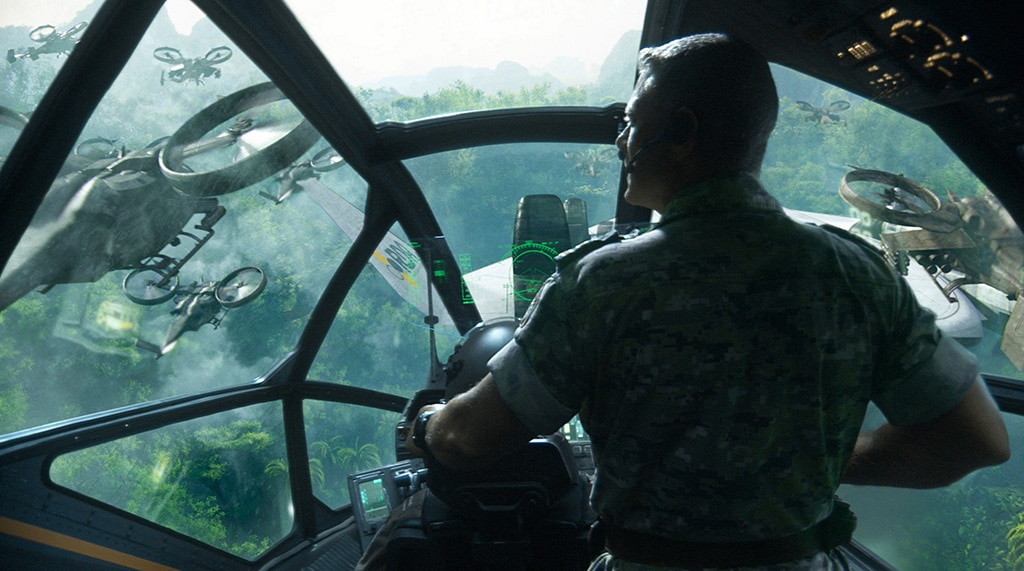
James Cameron initially faced resistance from studio executives who wanted him to remove the film’s strong environmental themes and criticism of exploitation. As he explained to the New York Times before the release of Avatar: Fire and Ash, they asked him to cut “all the tree-hugging stuff,” but he refused, insisting that the message was central to the film’s purpose.
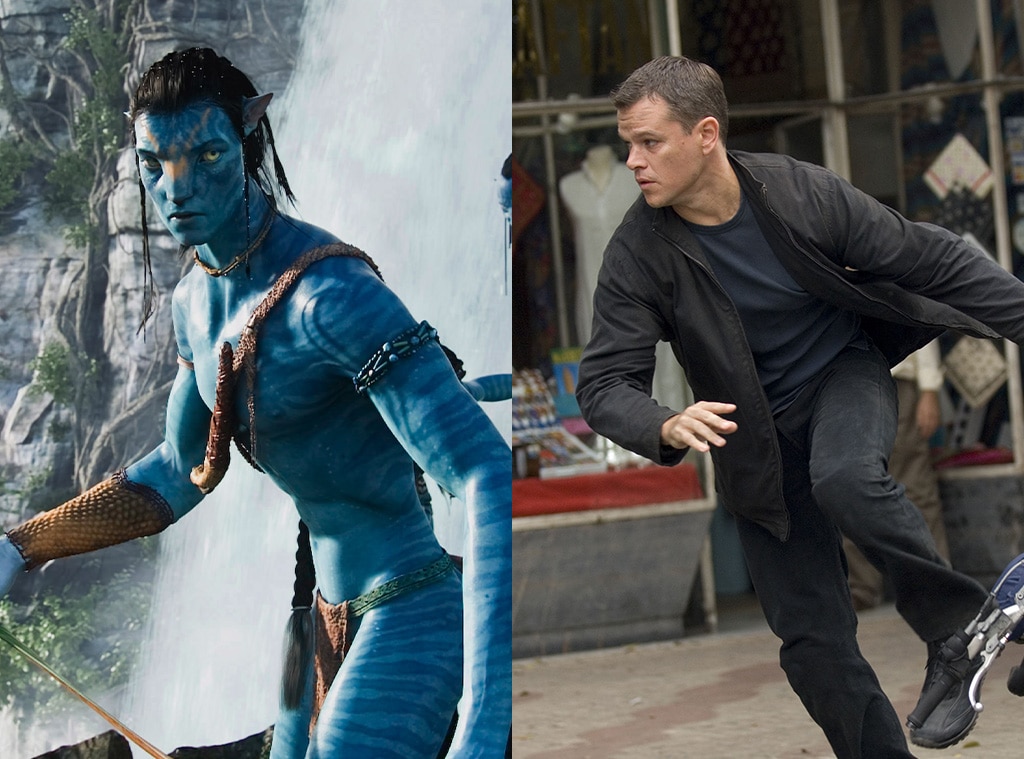
Let me tell you a story! I was chatting with Damon recently, and he shared something incredible. He was filming The Bourne Ultimatum back in 2007 when James Cameron approached him with this little project called Avatar. Can you believe Cameron offered him 10% of the film’s profits? Damon joked that he’s probably the only actor ever to turn down that much money, and he’ll be remembered for it! It just goes to show, even the biggest stars make interesting choices sometimes.
Sam Worthington played Jake Sully in Avatar, which became a massive financial success, earning $2.7 billion globally from a $237 million production cost – something Damon is likely aware of.
I remember hearing Damon talk about why he turned down Avatar on Chris Wallace’s show a while back. He explained that he really didn’t want to let the team working on the Bourne films down. He felt it wouldn’t be right to leave them in a tough spot to start Avatar so quickly.
“I desperately wanted to work with Cameron,” the actor said. “I mean, because he worked so rarely.”
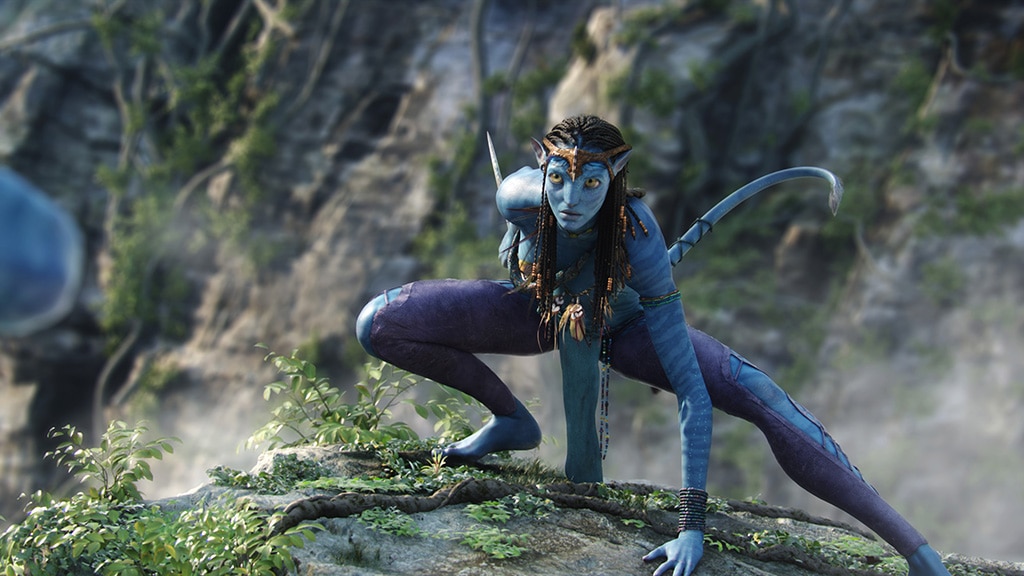
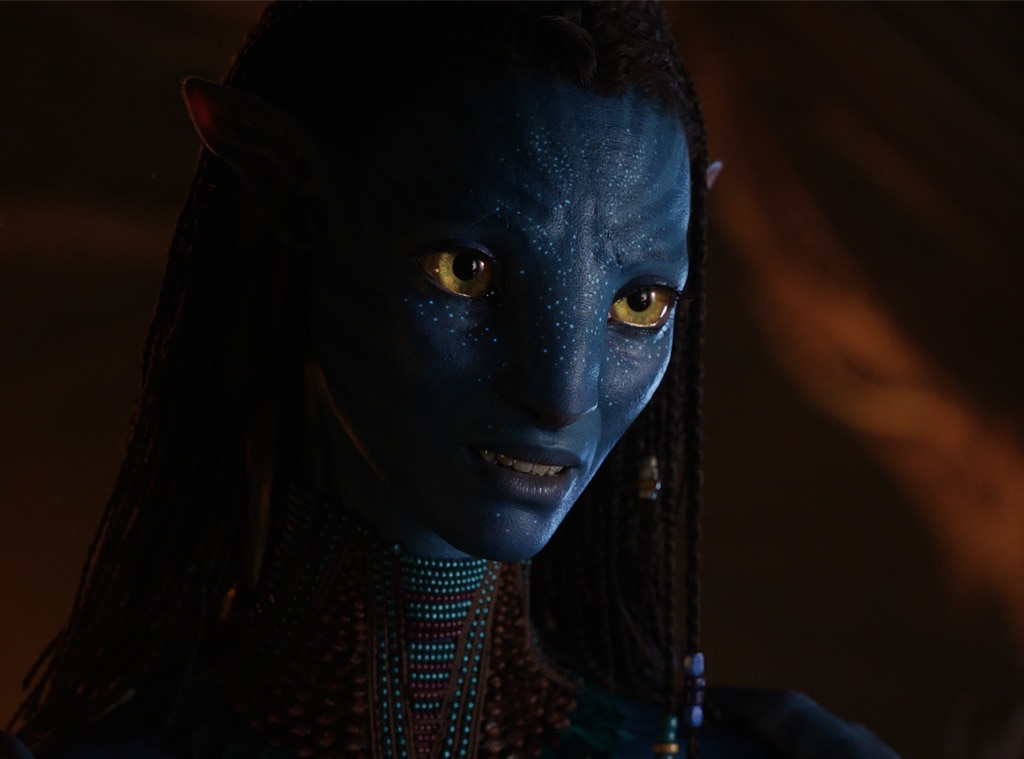
James Cameron explained to the New York Times that the Na’vi, the blue people of Pandora, were heavily inspired by cats – both in how they look and how they act. He even mentioned that they developed a specific language just to describe Neytiri’s tail.
Zoe Saldaña plays Neytiri, the nine-foot-tall Na’vi princess, and has been incredibly busy since the first Avatar film. She’s had three children, appeared in five Marvel movies, and even received an Academy Award.
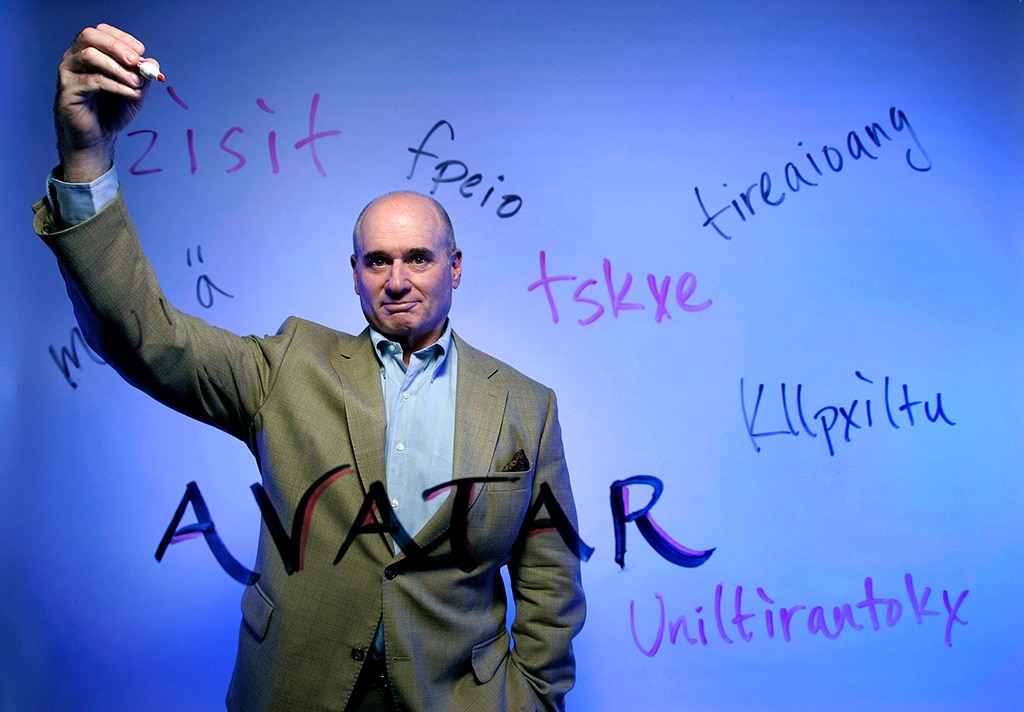
Paul Frommer, a retired professor at USC, invented the Na’vi language, which was famously used by director James Cameron when he accepted his second Golden Globe award in 2010. He translated his acceptance speech into Na’vi, saying, “I see you, my brother and sisters.”
According to linguist Paul Frommer, creating the Na’vi language for James Cameron’s film required a completely fresh approach. As Frommer explained in 2024, the language needed to sound pleasant and, crucially, remain consistent with the roughly thirty words Cameron had already developed – primarily character and creature names.
The language needed to be something humans could realistically learn, like the characters do in the movie. Knowing many people would likely watch Avatar, Frommer aimed to create a language that was captivating, unique, and logically consistent.
The professor created workbooks with detailed notes and a pronunciation guide that some actors found helpful. However, he emphasized that the most important resource was the downloadable MP3 recordings, which allowed them to practice regularly.
He also worked with the actors directly, helping them perfect their pronunciation and the natural rhythm of their lines. Sometimes, an actor’s improvised sound would become an official battle cry, and once, an actor even accidentally created a new word.
In 2012, director James Cameron purchased 2,500 acres of farmland near Lake Pounui in New Zealand’s Wairarapa Valley for $16 million. He intends to use this land as his primary production location for the four planned sequels to Avatar.
Cameron mentioned he was just beginning work on the second and third Avatar movies. He explained to TopMob News that the team had spent the previous two years developing the necessary tools and software to ensure a streamlined process for what he anticipated would be a complex and challenging undertaking.
Before the title Avatar: The Way of Water was announced, the leading expert in underwater exploration hinted that the next Avatar movie would take place in the oceans of Pandora.
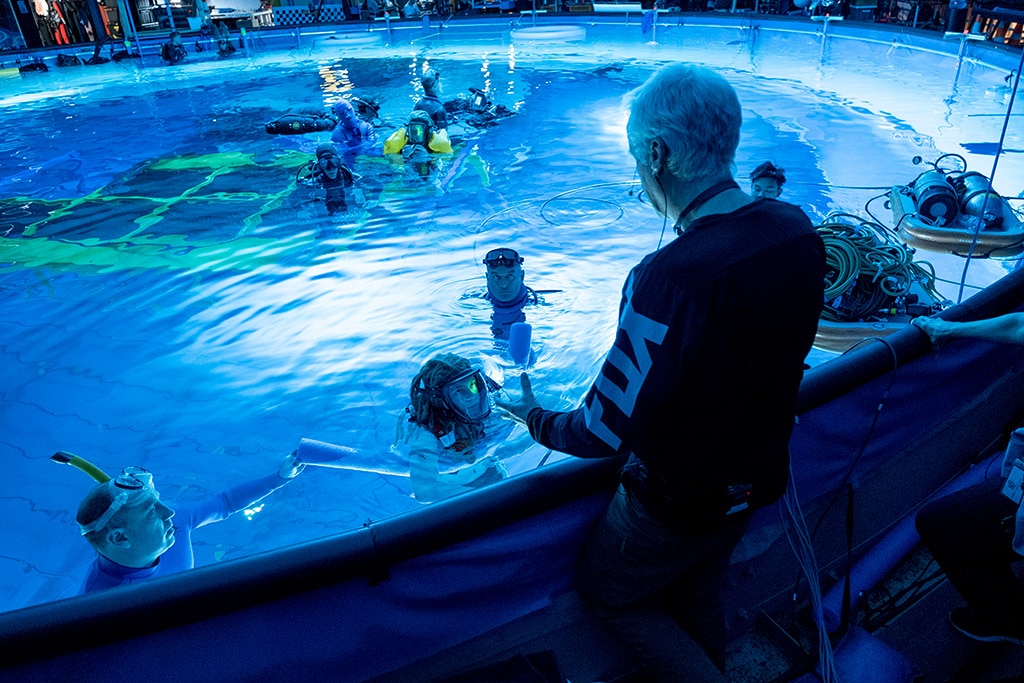
Cameron explained to Collider in 2017 that adding water to a project significantly increases its complexity. He said the team had been working for about a year and a half, using considerable resources and innovative technology, to overcome these challenges and figure out how to make it work.
Following 18 months of filming motion capture in Los Angeles, which concluded in November 2019, James Cameron intended to begin live-action shooting in New Zealand in early 2020. However, production was halted in March due to the COVID-19 pandemic. Filming later resumed in June and finished in September 2020.
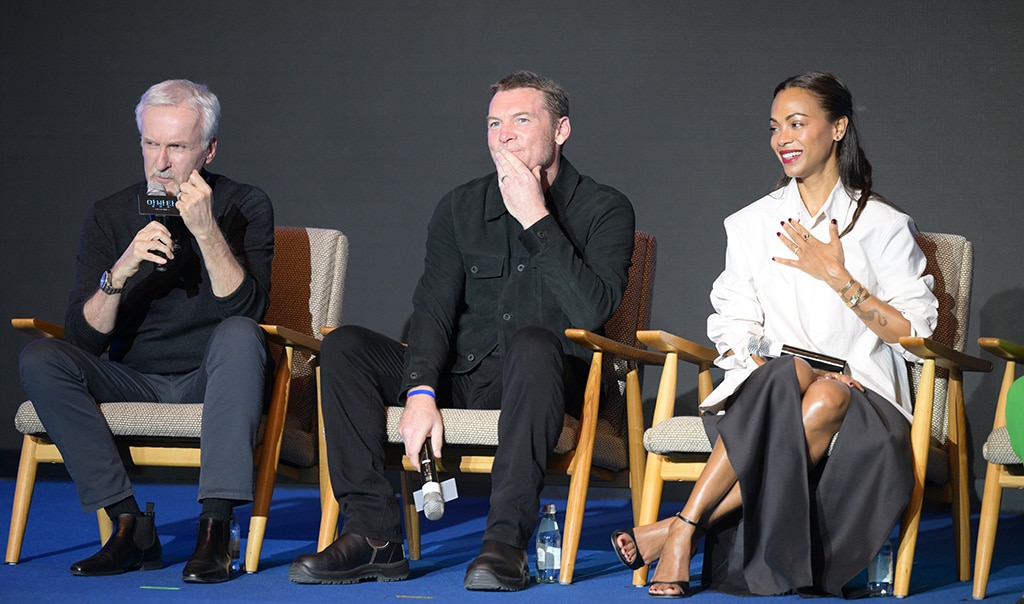
Worthington believes quality work takes time, and Jim Cameron clearly feels the same way. Speaking to TopMob News before the 2022 release of Avatar: The Way of Water, he explained that playing Jake, the paraplegic ex-Marine turned Na’vi warrior, has been a 20-year passion project for Cameron. He described it as Cameron’s ‘labor of love’.
In 2013, when James Cameron explained his plans for the next movie, Zoe Saldaña, who plays Neytiri, pointed out that it had only been three years since the first film came out.
The actress explained that James Cameron truly respects his audience. He could have quickly made a predictable sequel to Avatar to capitalize on the first film’s success, but he didn’t want to lose what made the original so special. She believes taking the time he needed was the right decision, and it was important for him to step away and live his life for a while.
Saldana recalled Cameron calling them to his studio in 2015 to share the rest of his plan.
She told TopMob that they realized it wasn’t just a continuation of the story. It was actually four additional installments to the overall narrative.
James Cameron explained to GQ in 2022 that with a movie as expensive as Avatar: The Way of Water, it needs to be among the top three or four highest-grossing films of all time just to cover its costs. He stated that reaching that level of success is the minimum requirement for the film to break even.
According to sources at The Hollywood Reporter, making the sequel cost between $350 million and $400 million, and when you add in marketing, the total budget exceeded $1 billion.
Despite earlier concerns, the film ultimately earned $2.34 billion, making it the third highest-grossing movie of all time. It trails only the first Avatar ($2.9 billion, including money earned from re-releases) and Avengers: Endgame ($2.8 billion).
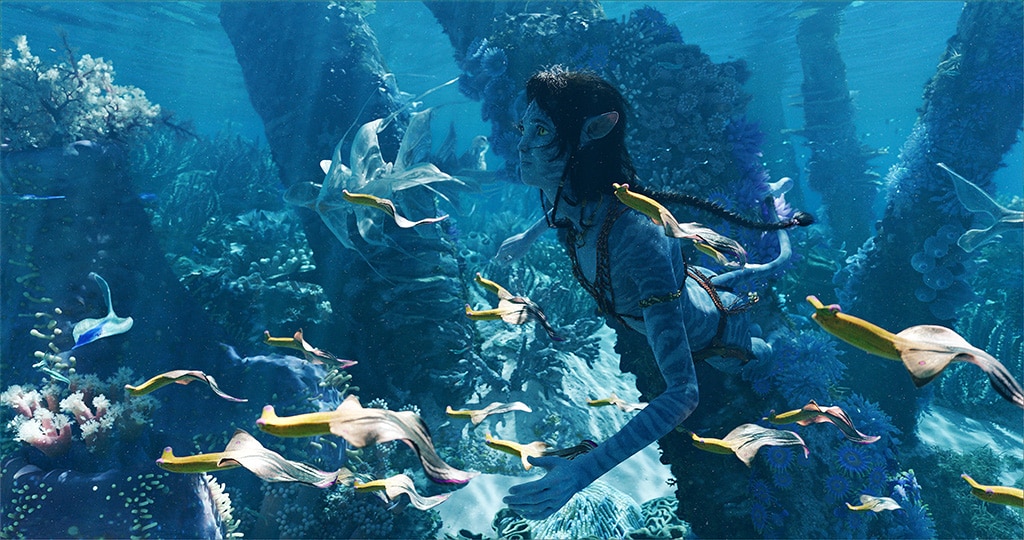
The original Avatar film featured around 2,500 visual effects shots. Its 2022 sequel, Avatar: The Way of Water, included even more – 3,250 – created by a team of 1,300 artists.
The movies begin filming in the Los Angeles area, home to Cameron’s Lightstorm Entertainment. There, Cameron directs the lighting, acting, and camera work. Then, a team from Weta FX, a special effects company based in Wellington, New Zealand (previously known as Weta Digital), takes over to create the visual effects.
James Cameron explained to GQ in 2022 that the visual effects in his films aren’t like creating something entirely from scratch, as Pixar does. Instead, the actors’ performances are the foundation, and technology is used to transfer those performances onto the 3D computer-generated characters. He noted that artificial intelligence plays a significant role in this process.
And, suffice it to say, Avatar: Fire and Ash blows both out of the water, effects-wise.
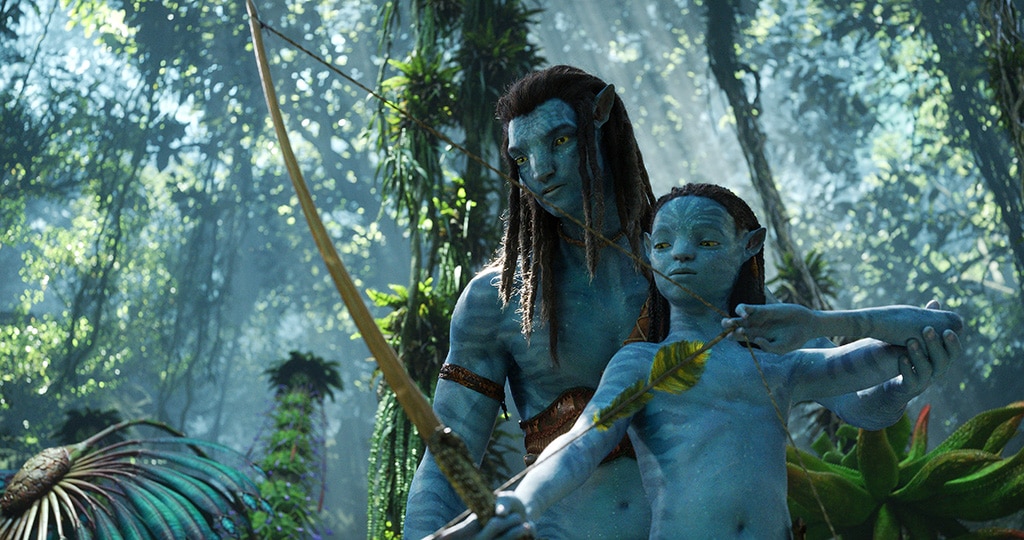
Honestly, it frustrates me when conversations always turn to the tech side of things. As a huge fan, I really wish people would focus on what really matters – the story and the people who bring it to life. Like Cameron said, he’s a storyteller first and foremost. He wants to discuss the characters, the actors, and how they interpret those roles – that’s where the magic happens, and that’s what truly resonates with me. It’s the emotional impact of those performances that I want to dive into, not the special effects!
And it’s a family that was at the heart of this ocean tale.
Cameron explained to GQ that Avatar: The Way of Water explores what happens when fearless warrior characters like Jake and Neytiri become parents. He wondered how their natural instinct to take risks and face danger changes when they have to protect a family. How do you maintain that level of courage and impulsiveness when you’re responsible for children? The film looks at that question, showing how they navigate their epic battles while also being parents to four children.
Director James Cameron recently explained his filmmaking process to The Hollywood Reporter, emphasizing that he prioritizes capturing genuine emotion over technical constraints. Ahead of the December 2025 release of Avatar: Fire and Ash, he dismissed the idea that his films rely heavily on artificial intelligence. Cameron stated that on set, he focuses entirely on the actors’ performances, without being concerned with traditional filmmaking elements like cameras or lighting. He doesn’t plan shots in advance, instead letting the emotional truth of the scene guide the process. He strongly refuted criticisms that this method isn’t ‘real acting,’ arguing that limiting acting to stage performances—where projection is key—ignores the nuances of screen acting.
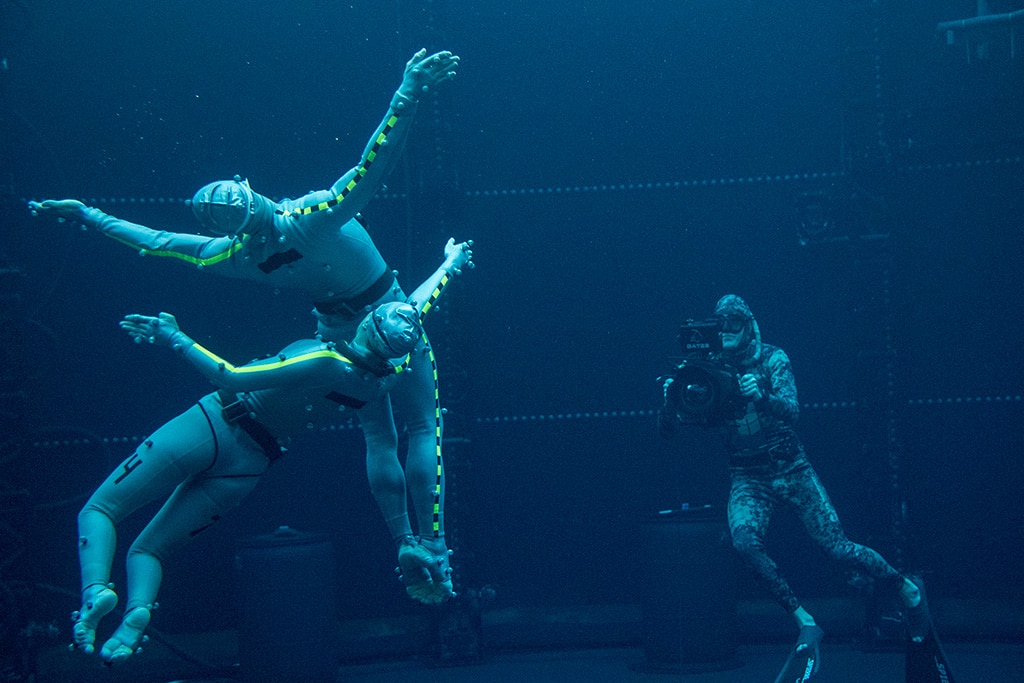
To create realistic performances as their Na’vi characters, actors wear tight-fitting spandex suits and have small dots placed on their faces. Cameras mounted on helmets capture their expressions, and this information is used by a special software program to transform them into their digital Na’vi forms.
Oscar awards were given to Avatar and Avatar: The Way of Water for their stunning visual effects. The first Avatar film also won Academy Awards for its art direction and cinematography by Mauro Fiore.

Kate Winslet trained extensively for her role as Ronal, a Metkayina warrior in Avatar: The Way of Water, learning to free dive and achieving an impressive breath-hold of seven minutes and 14 seconds. This broke the previous on-set record of six minutes, which was set by Tom Cruise during the filming of 2015’s Mission: Impossible—Rogue Nation.
Kate Winslet explained to ScreenRant that she couldn’t refuse the opportunity to work with James Cameron again after two decades since Titanic. When Cameron first approached her about the role, he described the character, Ronal, as the strong, powerful, and almost superhuman leader of her people. Winslet was particularly excited because Cameron consistently creates such compelling and physically capable female characters – roles rarely written for women.
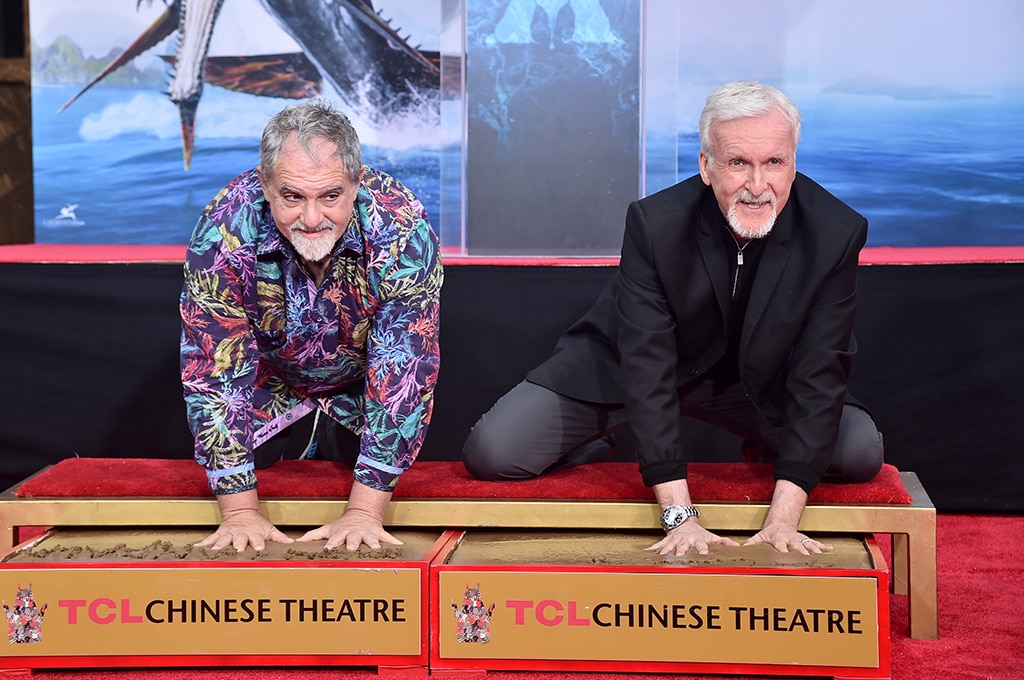
Jon Landau, a longtime collaborator of James Cameron, passed away in 2024. Kate Winslet, returning for Avatar: Fire and Ash, offered her support, and Landau asked her to review an early version of the third movie and provide feedback.
The actress told the New York Times that this version of Jim was a pleasant surprise, especially considering how he worked on Titanic. She explained that he’s become much more receptive and willing to consider suggestions for improving things.
Landau’s passing deeply affected Cameron, who told The Hollywood Reporter it felt similar to losing his parents. He explained that it left him feeling like he’d lost the last people who could both inspire and hold him accountable.
The new film, Fire and Ash, continues the story of Jake and Neytiri following the loss of their son Neteyam (played by Jamie Flatters) in the previous movie, and is a tribute to the film’s late producer.
The team sadly lost John Refoua, a highly skilled editor who had been nominated for an Oscar. He continued working on Avatar: Fire and Ash until just before his death from bile cancer in May 2023, as shared by his wife.
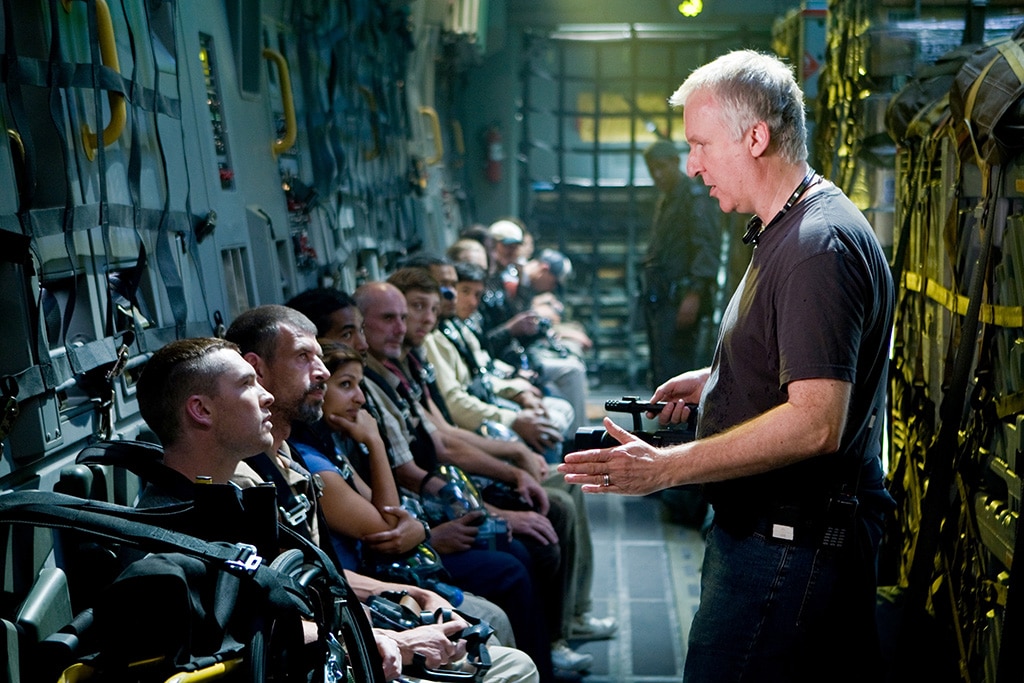
Cameron remembered working on the visual effects for Apollo 13 alongside director Ron Howard. He told GQ that he was struck by how kind Howard was, saying, ‘I realized I could be a lot nicer – I need to be more like Ron Howard!’
He acknowledged he used to have a reputation for being quick to anger on set, but said those outbursts are much less frequent now. He estimates he gets upset only a couple of times a year, compared to every few weeks earlier in his career.
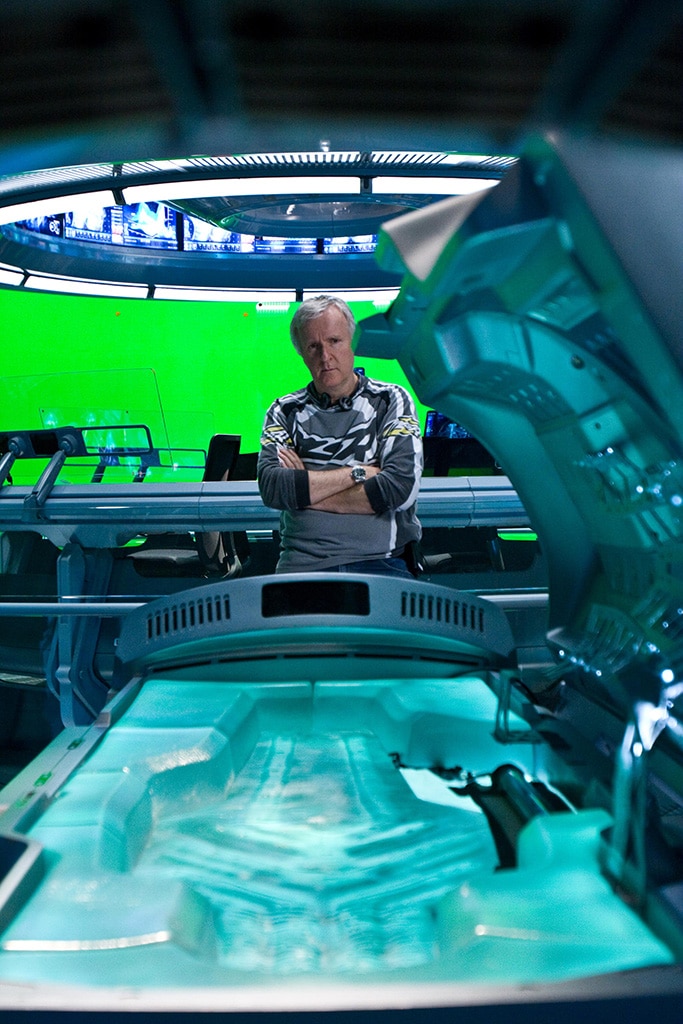
Following the huge success of Avatar, Cameron has said he wasn’t initially certain he wanted to dedicate years of his life to creating sequels, especially not four of them.
He explained to GQ that he understood how demanding the project would be. ‘It completely took over my life for four years,’ he said. ‘I didn’t have anything else going on while making the first movie. So I wondered, do I really want to repeat that? It was the biggest movie ever, so couldn’t I just be satisfied with that and move on?’
He still had more to explain, so he continued. Cameron explained that he could explore important topics – like protecting the environment, using technology responsibly, and the future of humanity – by continuing to develop the larger story he was creating.
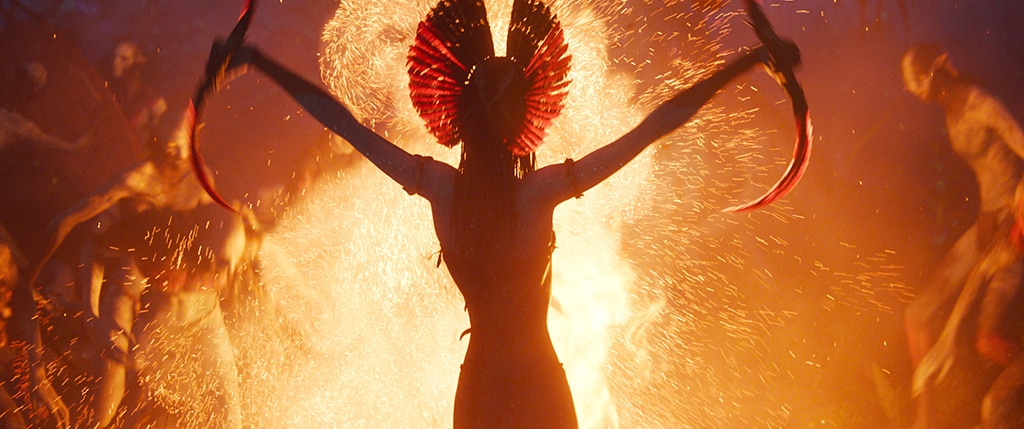
Cameron hinted that the upcoming Avatar 3 could be the last film in the series, telling The Hollywood Reporter its fate depends on how well it performs in theaters. He explained that the film will help determine if audiences are still interested in big cinematic experiences, or if that kind of viewing is declining. He admitted the outcome is uncertain, saying it’s a “coin toss” whether Avatar 3‘s success will prove the strength or weakness of the modern moviegoing experience – but only for certain kinds of films.
Meaning, Disney will see how much money it makes and then decide on the fate of Avatar 4.
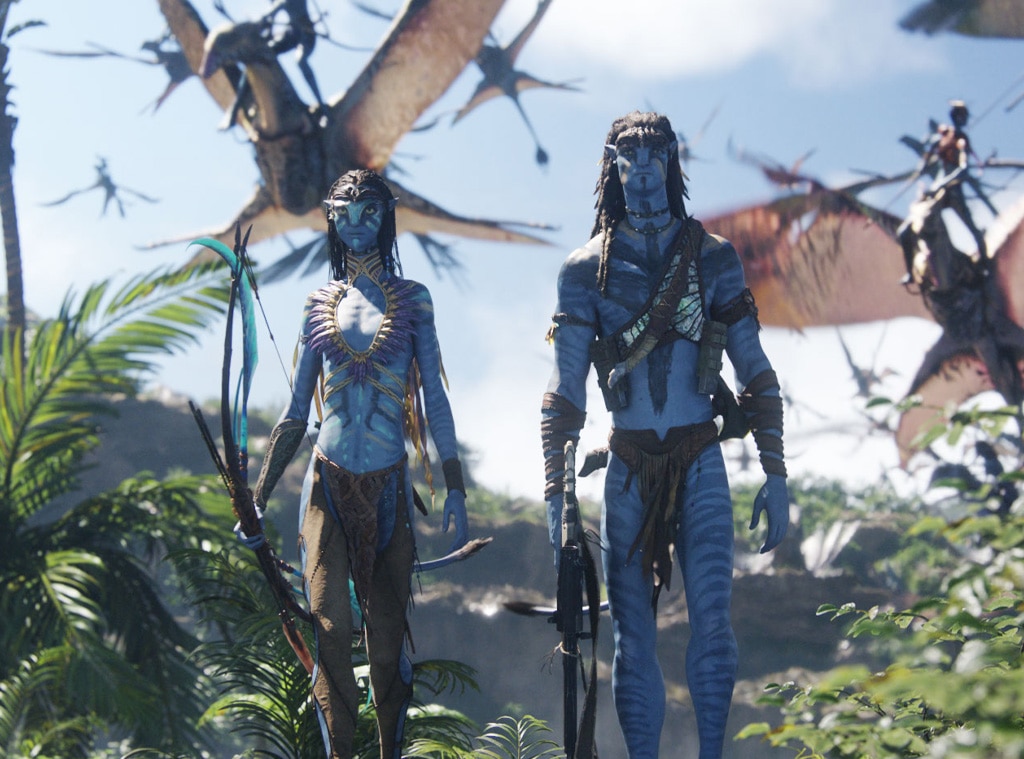
If he’s given the go-ahead, Cameron told The Hollywood Reporter that he doesn’t want to spend years solely focused on making Avatar films. He’s looking for a more collaborative approach and plans to step back from directing every single detail of the production, though he doesn’t rule out directing altogether.
A different Jim, indeed.
Read More
- Everything You Need To Know About Nikki Baxter In Stranger Things’ Animated Spinoff
- Taylor Sheridan’s Gritty 5-Part Crime Show Reveals New Final Season Villain
- The Boys Season 5, Episode 5 Ending Explained: Why Homelander Does THAT
- Mark Zuckerberg & Wife Priscilla Chan Make Surprise Debut at Met Gala
- Miranda Kerr Shares “Quick” Procedure She Got Before Met Gala 2026
- FRONT MISSION 3: Remake coming to PS5, Xbox Series, PS4, Xbox One, and PC on January 30, 2026
- Ashley’s Powers in The Boys Season 5 Explained & Why They Don’t Work On [SPOILER]
- USD JPY PREDICTION
- ‘The Bride!’ Review: Jessie Buckley Breathes Life into a Monstrous Mess
- Why There’s No Ghosts Tonight (Nov 27) & When Season 5, Episode 7 Releases
2025-12-19 11:19