Marvel’s Spider-Man 2 To Add A New Suit For Peter Parker on July 28, Ahead of Brand New Day’s Release
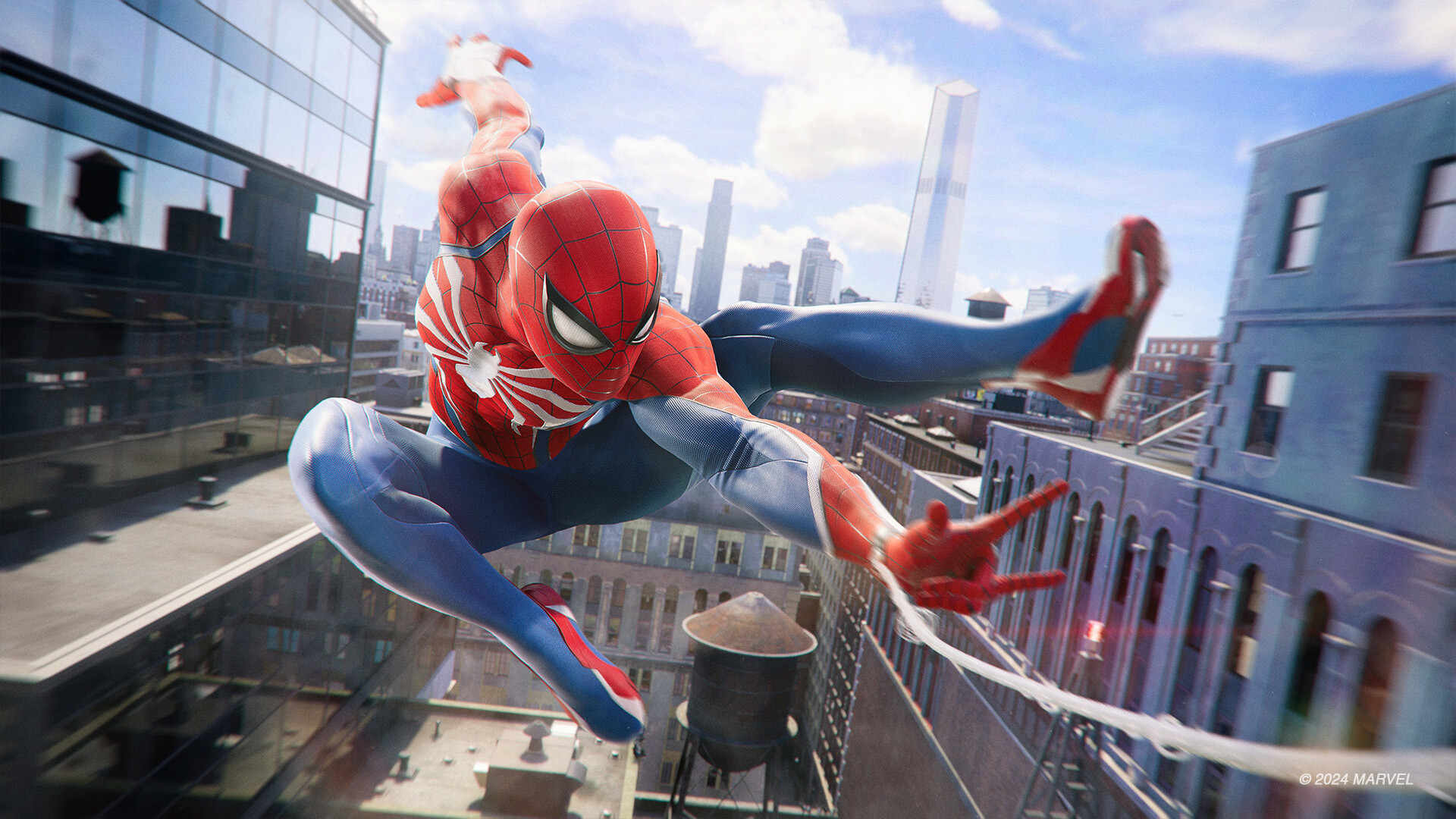
A recent post on Bluesky announced that to celebrate the July 31, 2026, release of the movie Spider-Man: Brand New Day, a new suit for Peter Parker will be added to the game. This ‘Fresh Start’ suit looks like the one Tom Holland wears in the film, and it’s even better news that it will be available as part of a free update on July 28, 2026.