First impressions can be surprisingly lasting for video games. A difficult start, strong negative feedback, or unrealistic hype can shape how a game is seen, even if it improves significantly over time. Once a particular story about a game takes hold, it’s much easier for it to spread than to change people‘s minds.
Some games get a bad reputation, and even though many of those original complaints don’t seem as serious now, people still criticize them. While these games definitely weren’t perfect, their flaws often overshadowed their strengths. Here are five games that deserve a second look because they were unfairly criticized.
5. The Bureau: XCOM Declassified
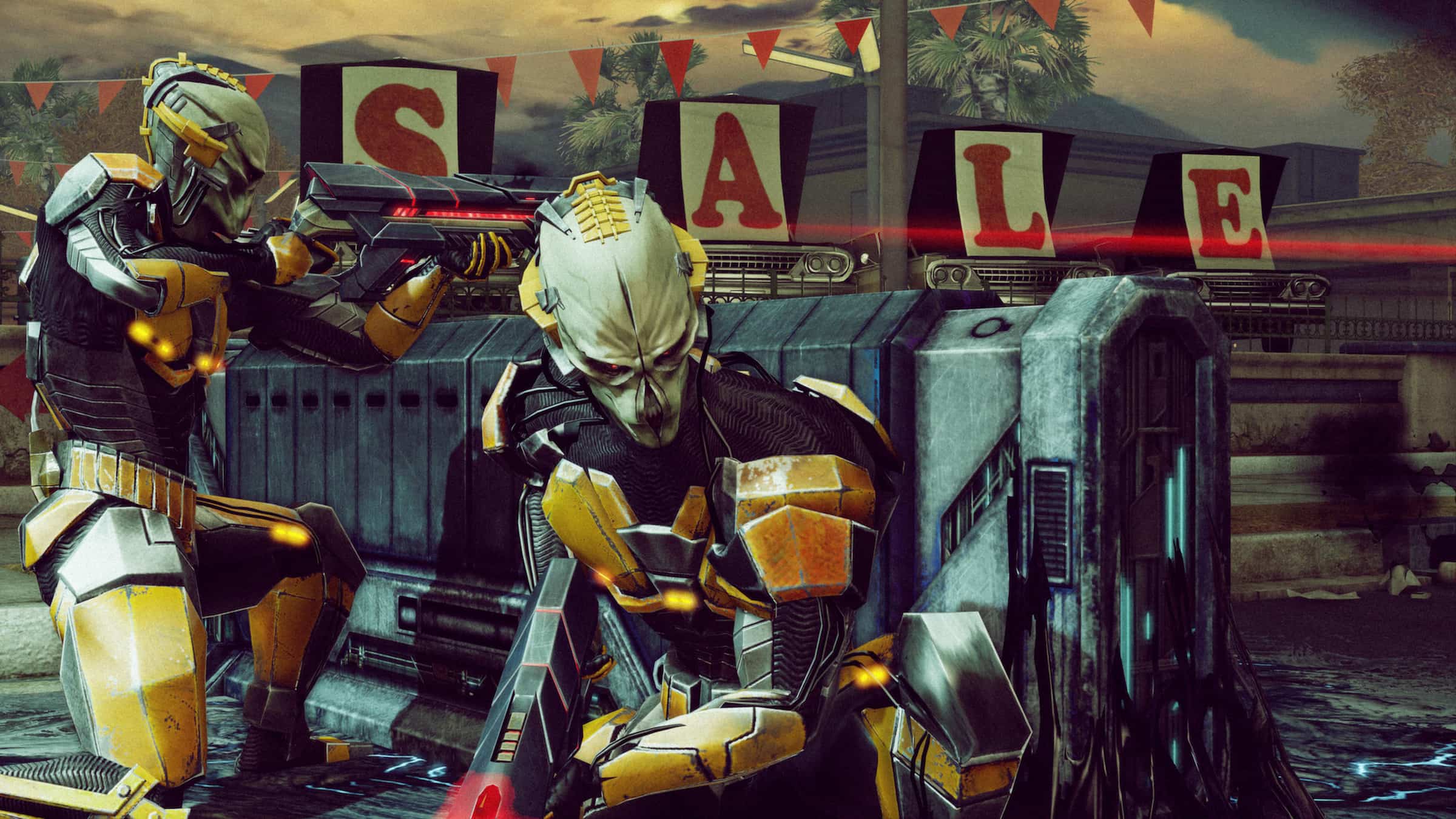
The game The Bureau: XCOM Declassified received immediate criticism because it was a departure from what fans expected. The XCOM series has a long history and a dedicated fanbase, and players generally prefer its traditional turn-based strategy gameplay. However, The Bureau was a third-person shooter with squad commands, a significant change that caused many to reject it immediately, without giving the game a chance.
Okay, so The Bureau definitely got a bad rap when it came out, the marketing didn’t really do it justice. But honestly, it’s way more interesting than people give it credit for. What really sets it apart is how the squad mechanics work – every fight feels tense because you have to think about where everyone is and what they’re doing, it’s not just another XCOM game. Plus, the Cold War vibe and the way the story unfolds slowly really make it stand out in the XCOM world, which usually goes all-in on sci-fi. I think it was a cool experiment, not a failure. Even now, it’s still a really good game, but a lot of people just dismiss it because it’s so different from what they expect.
4. No Man’s Sky
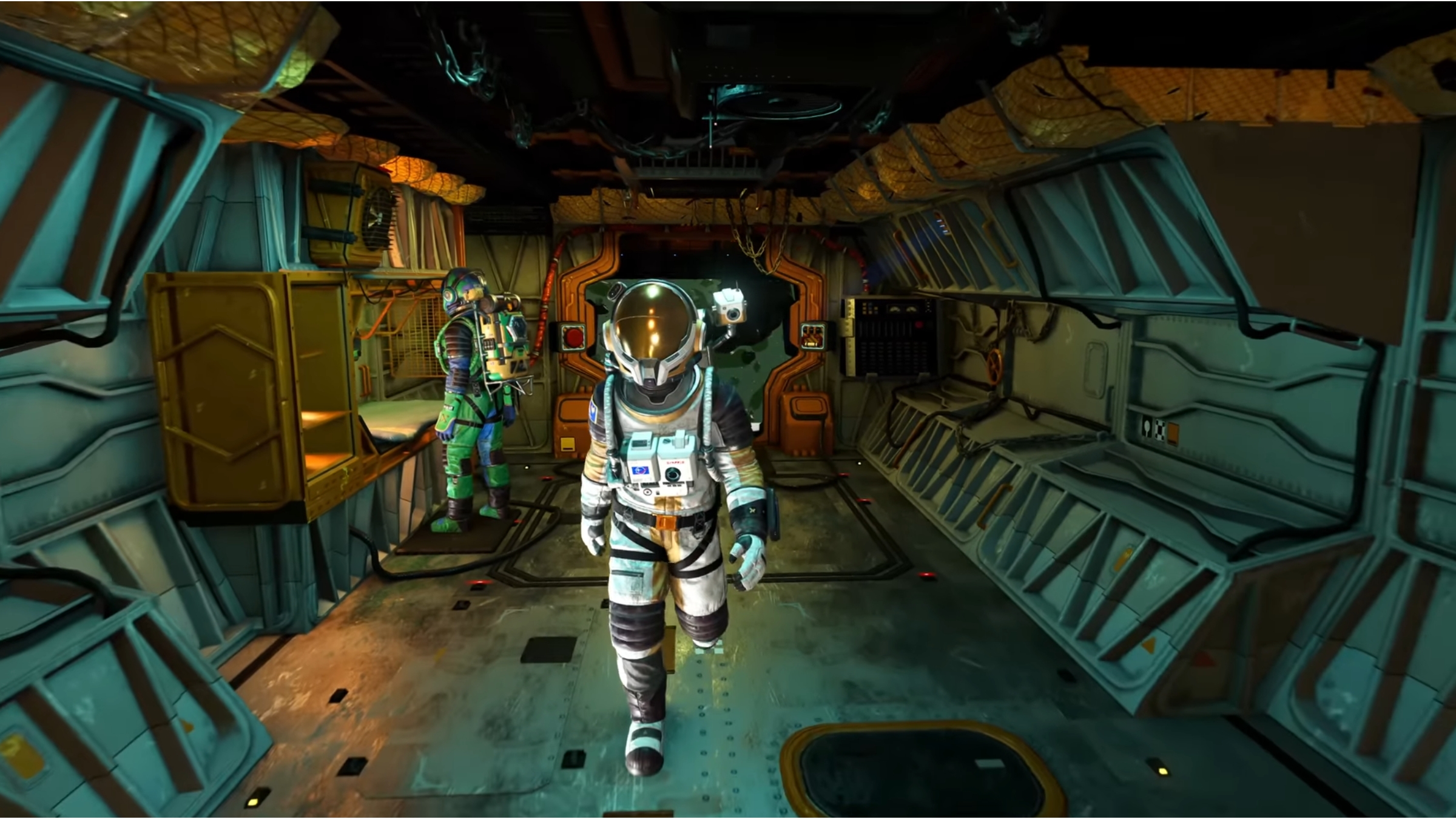
When people talk about disappointing game launches, No Man’s Sky often comes up. The game initially lacked many features the developers had promised, and the universe felt surprisingly empty and restricted. This led to a huge negative reaction, and the game quickly became a running joke in the gaming world. The issues were largely the developers’ own making, so players weren’t to blame.
Despite its rocky start, many people overlook just how much No Man’s Sky has improved. Over the years, the developers have added compelling storylines, the ability to play with others, robust base building, and much more complex survival challenges. It’s now a vast and rewarding game for explorers who enjoy long-term play, and it’s earned a dedicated fanbase because of these changes. While the game’s initial problems were significant, focusing only on its launch version doesn’t reflect the experience it offers today.
3. Fallout 76
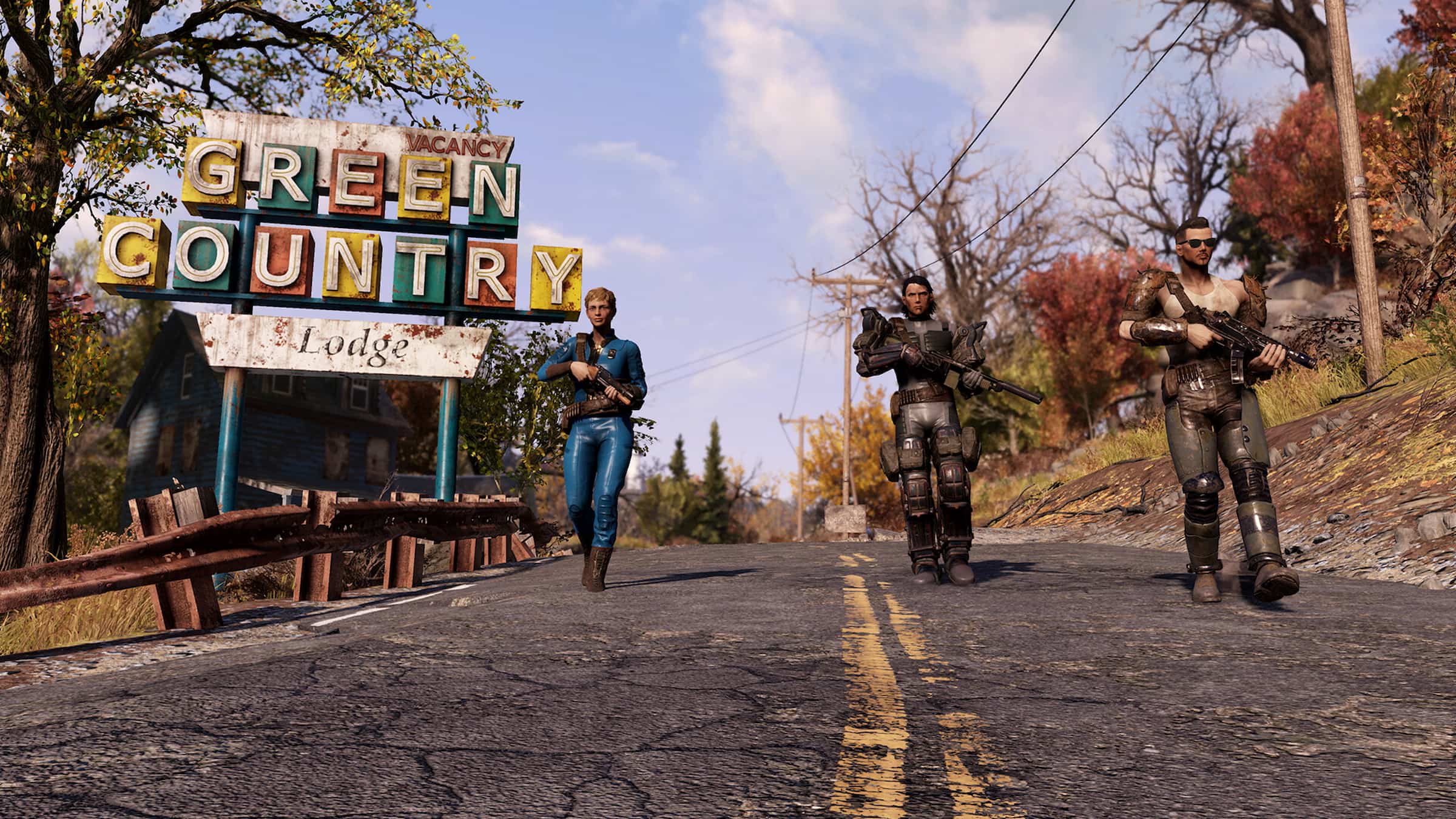
When Fallout 76 first came out, it received a lot of criticism, particularly from longtime Fallout fans. The game suffered from numerous technical problems and unstable servers, which damaged its reputation. However, the biggest disappointment was the lack of human characters—a key part of what makes Fallout games enjoyable. This made the game world feel empty, incomplete, and ultimately, removed the core elements that players loved about the series.
Fallout 76 has significantly improved since its initial release. The developers listened to player feedback and added NPCs, which were missing at launch, in a major update. This brought with it proper quests and regularly updated seasonal content, giving the game world much more depth and character. While the game still carries the weight of its rocky start, today’s version provides a genuinely enjoyable cooperative experience and a story that feels much more like the classic Fallout games. The common perception of it being broken or empty simply isn’t accurate anymore.
2. Assassin’s Creed Unity
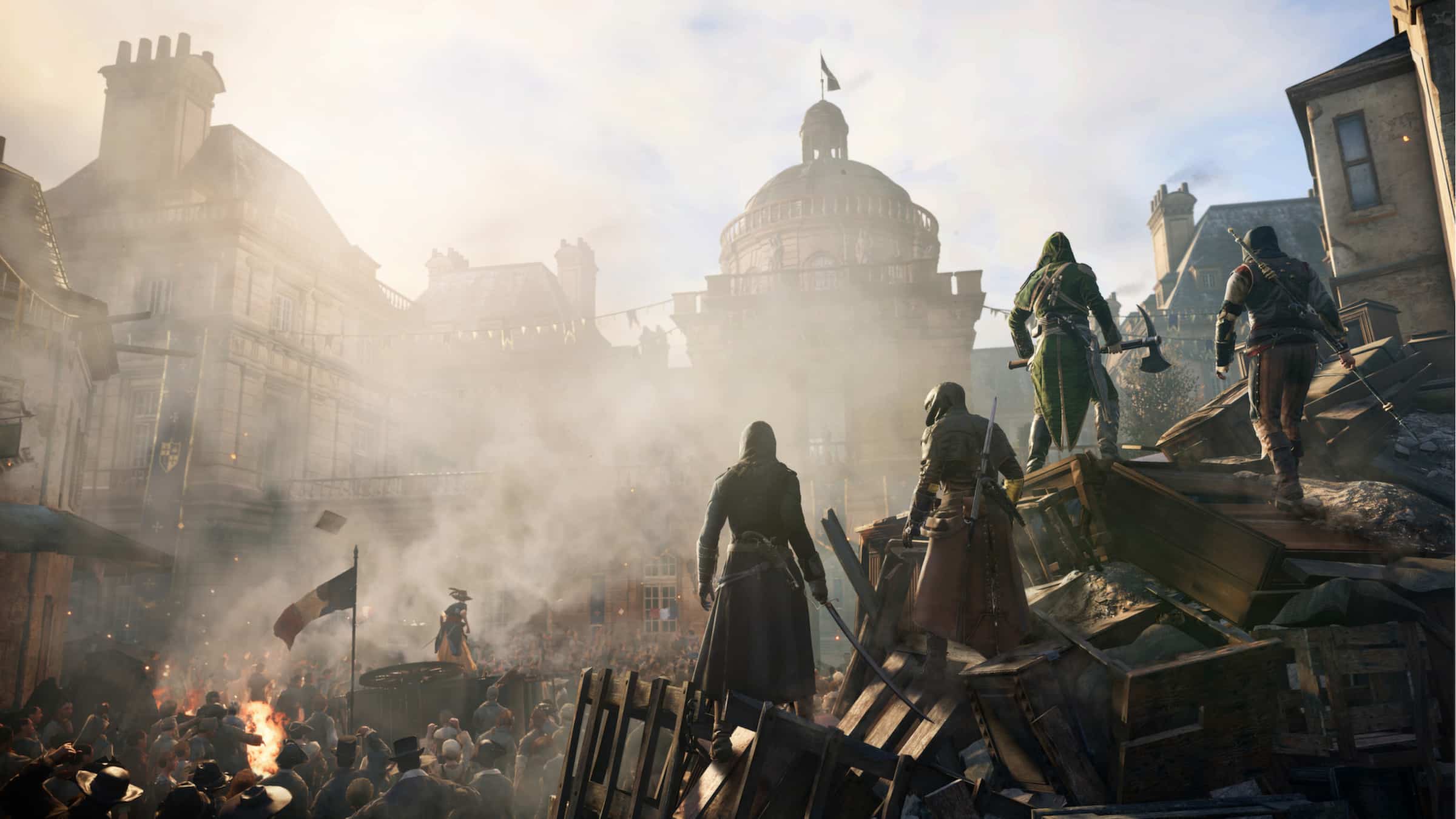
When Assassin’s Creed Unity first came out, it was mostly known for how broken it was. While the game had design flaws, the biggest problems were constant bugs, glitches, and poor performance. The co-op mode, a key feature, was especially problematic, riddled with connection issues that quickly damaged the game’s reputation, even more than the other bugs. For many players, Unity came to represent a series that had expanded too quickly and lost its way.
After the initial problems were fixed, the game truly began to shine. Unity boasts one of the most richly detailed cities in the series, bringing Paris to life in a way that few open-world games still achieve. The parkour system is fluid and allows for creative movement and exploration. It’s disappointing, though, because the biggest issue with Unity wasn’t a lack of interesting ideas or quality design – it was simply releasing a game that wasn’t fully finished.
1. Mass Effect: Andromeda
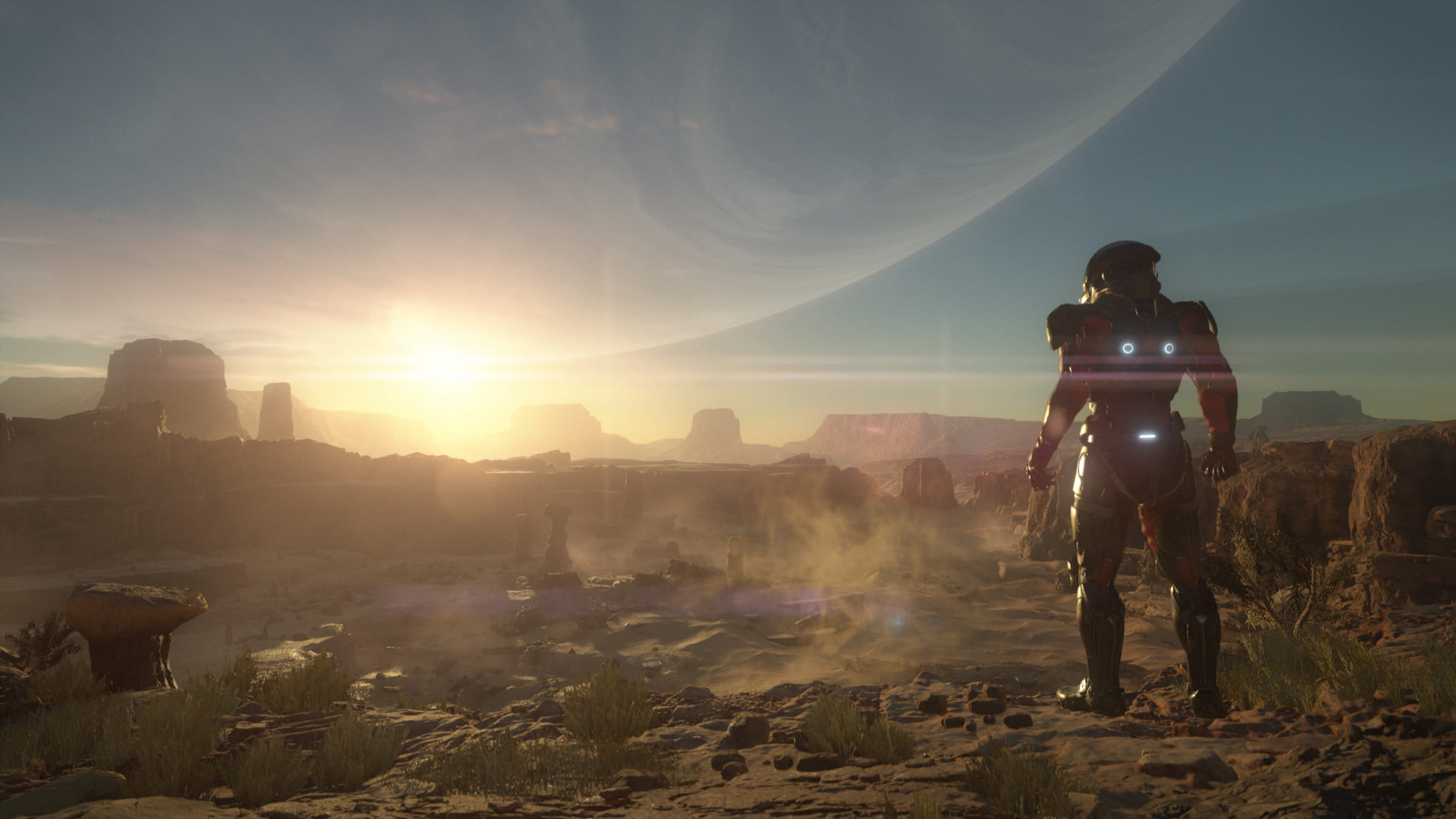
Mass Effect: Andromeda faced an unusual and intense negative reaction online. Coming after the highly popular original Mass Effect trilogy, it faced huge expectations. While the game certainly had flaws, the discussion quickly became focused on its sometimes strange facial animations, which became the main thing people remembered about it. These visual issues overshadowed the game’s other strengths and weaknesses, and quickly cemented a negative perception that was hard to shake.
It’s unfortunate that Andromeda didn’t receive more appreciation. Despite a somewhat unpolished start, it features the most satisfying combat in the Mass Effect series and offers large, explorable worlds – a departure from the typical, straightforward missions. The characters might take a little while to connect with, but they undergo compelling development throughout the story. If you look at it simply as a sci-fi RPG, Andromeda is much better than many people remember, and the negative reaction was often more about unmet expectations than the game itself. Sadly, due to a rocky launch and EA’s decision to stop supporting the spin-off, a lot of players may never discover how good Mass Effect: Andromeda actually is.
What do you think? Leave a comment below and join the conversation now in the ComicBook Forum!
Read More
- Everything You Need To Know About Nikki Baxter In Stranger Things’ Animated Spinoff
- Welcome to Demon School! Iruma-kun season 4 release schedule: When are new episodes on Crunchyroll?
- ‘The Bride!’ Review: Jessie Buckley Breathes Life into a Monstrous Mess
- Miranda Kerr Shares “Quick” Procedure She Got Before Met Gala 2026
- The Boys Season 5, Episode 5 Ending Explained: Why Homelander Does THAT
- Taylor Sheridan’s Gritty 5-Part Crime Show Reveals New Final Season Villain
- Anna Wintour Reacts to Rumors She Approves All Met Gala Looks
- Mark Zuckerberg & Wife Priscilla Chan Make Surprise Debut at Met Gala
- USD JPY PREDICTION
- The Wheel of Time Just Revealed a Brand New Game
2026-01-02 18:13