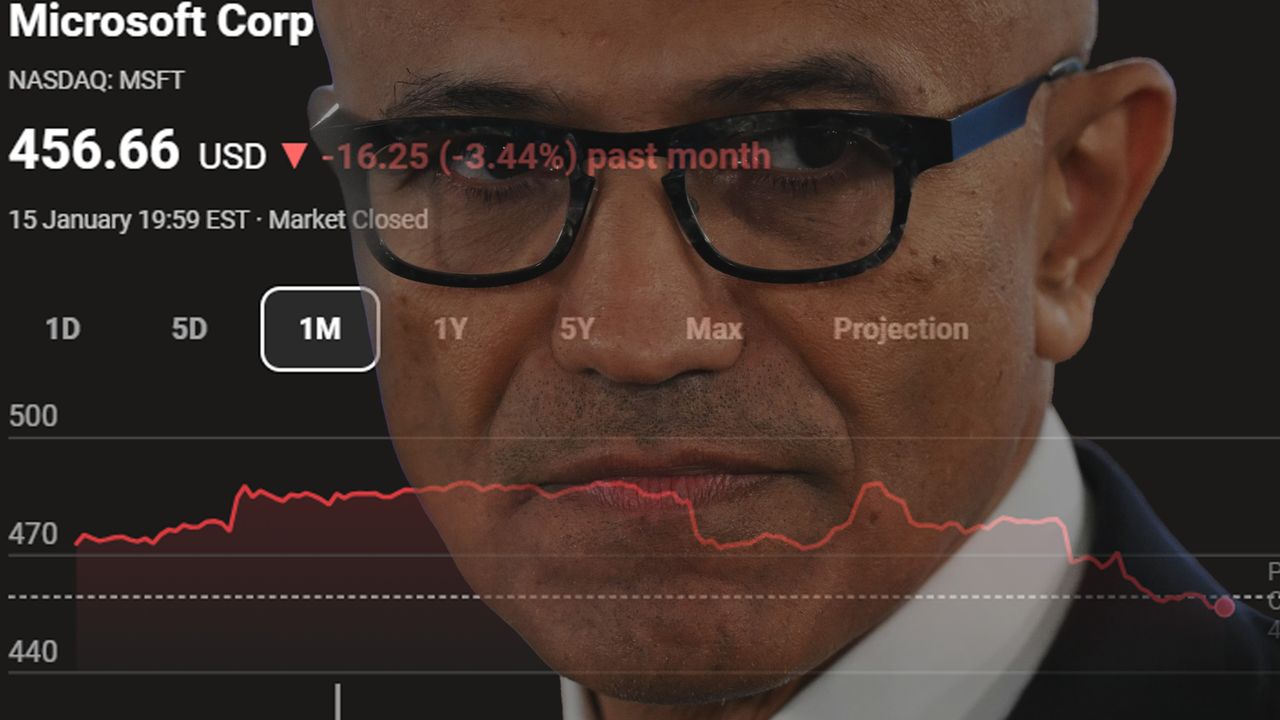
Microsoft’s stock price has fallen significantly in recent months, erasing most of the gains it achieved over the previous six months.
I’ve been watching Microsoft’s stock lately, and it’s dropped about 10% in the last three months. It’s a little concerning to see that CEO Satya Nadella, along with other top leaders like Brad Smith and Judson Althoff, have been selling off a lot of their shares – we’re talking tens of millions of dollars worth!
Although the sales are routine and not exactly indicative of a wider shift, the near constant decline since June paints a picture of broader headwinds Microsoft and other tech companies are facing as the AI hype train cools and reality begins to set in.
Microsoft’s capital expenditure (capex) for AI data center infrastructure increasingly seems to be a sore point for investors. Microsoft’s costs in this area have spiralled, hitting a record-breaking $35 billion for its Q1 2026. Investors are not only concerned that returns on this infrastructure spend may elude Redmond for months if not years to come, but there are fresh regulatory concerns adding jitters into the mix.
Microsoft recently announced a five-step plan for AI data centers, focused on benefiting local communities, but it received a lot of criticism online. Shortly after, former U.S. President Donald Trump spoke out about data centers, claiming they are raising electricity costs and harming communities – a concern as voters prepare for the upcoming mid-term elections.

On his social media platform, Truth Social, Donald Trump announced his administration is collaborating with leading American tech companies to prioritize the interests of the American people, with details coming soon. He specifically mentioned Microsoft, stating they will begin making changes this week to prevent Americans from having to pay higher utility bills due to the energy used by these companies.
Negative reactions to recent comments caused Microsoft’s stock price to fall by 4%. Concerns are growing about the potential downsides and expenses associated with building AI technology. NVIDIA’s CEO warned that pessimistic views about AI are discouraging investment, and this negative sentiment appears to be becoming more widespread.
Recently, the term “Microslop” started gaining popularity online, reflecting concerns that Microsoft’s heavy focus on artificial intelligence is negatively impacting the quality of its main products. These concerns have been amplified by several incidents involving Microsoft Copilot, its AI assistant, including a controversial situation in the UK where Copilot’s inaccurate information was used as justification to ban fans from a sporting event.
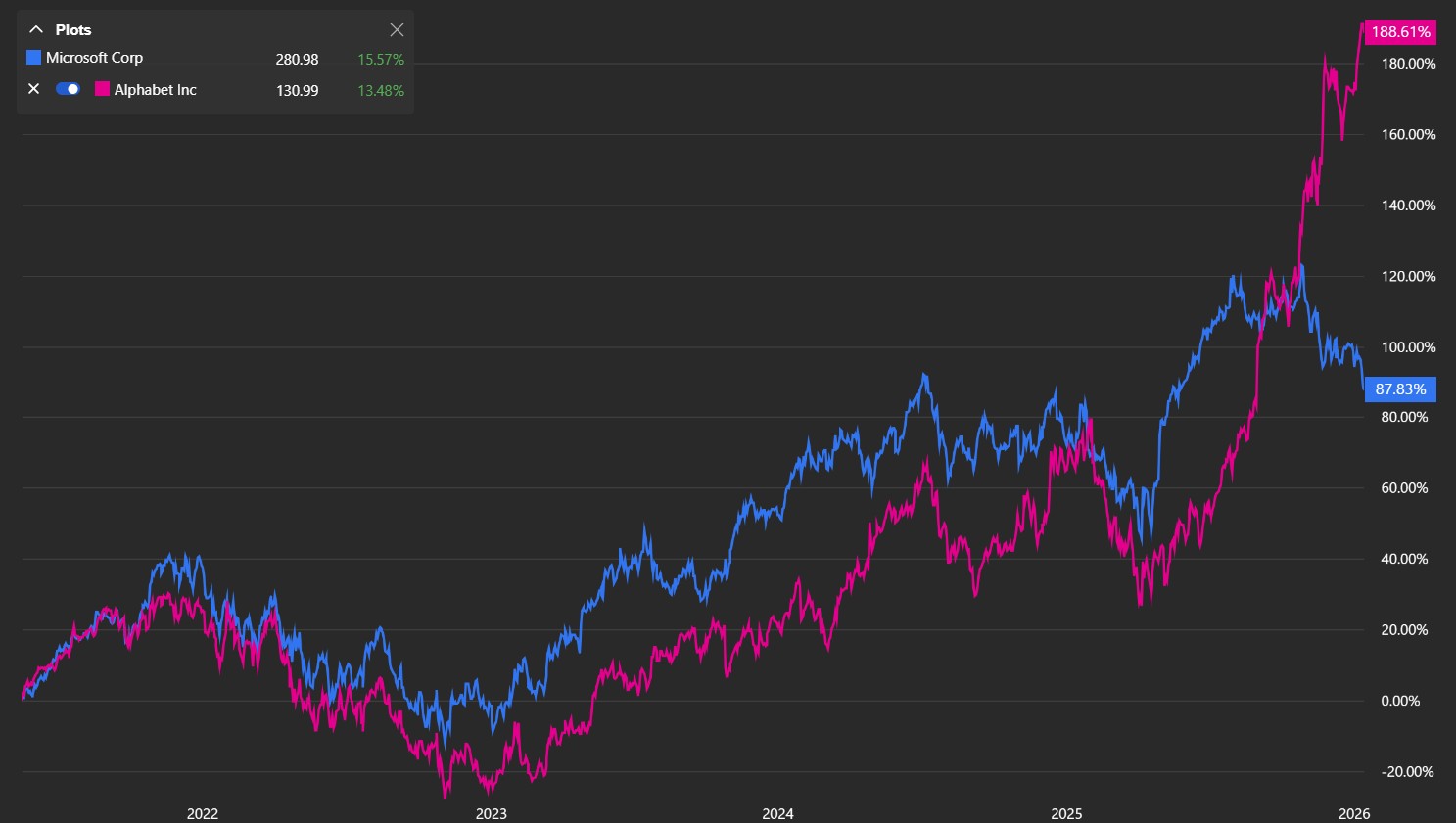
Recent stock market declines are also linked to Google’s advancements in artificial intelligence. Their Gemini AI models, particularly the Pro and Nano Banana Pro versions, have recently outperformed ChatGPT, sparking significant investor interest in Alphabet – Google’s parent company.
Google has complete control over its technology, from the servers powered by its Tensor chips to the AI features built into both Apple’s iOS and its own Android operating systems, and potentially even Windows thanks to the popularity of its Chrome browser. In contrast, Microsoft’s Copilot hasn’t gained much traction with everyday users, and interest in ChatGPT, which runs on Microsoft’s Azure platform, appears to be decreasing.
Copilot has a significant edge for businesses and governments, especially those with strict rules and regulations. Because it’s built into Microsoft 365, it already meets many security and compliance standards. While there have been reports of misuse, this likely won’t slow down its adoption by organizations that already rely on Microsoft 365 and Azure for managing their data and teams.
The UK is widely using secure versions of Copilot and AI assistants to help with tasks like creating reports and organizing data. This includes automating repetitive, time-consuming jobs that people used to handle manually.
While Microsoft is currently ahead in applying AI language technology to business, investors are still worried about whether these AI projects will be profitable, affordable, legally sound, and sustainable in the long run.
Although Microsoft’s stock has increased by 7.5% over the last year, current trends suggest those gains could disappear.
Google is winning owing to long-term planning over Microsoft’s short-termism

Google’s significant investments in areas like server technology, the Android operating system, mobile devices, and the internet have put them in a strong position to lead the market.
Microsoft is struggling to find the best way to integrate artificial intelligence for its Windows users. They’ve also historically struggled with long-term planning for hardware, as seen with the discontinued Windows Phone and, to some extent, the Surface line.
It often seems like Microsoft gets in its own way. Just when the company is about to achieve something truly impressive under Satya Nadella’s leadership, it hesitates and backs down at the critical moment. A good example is the plan from the Windows 8 period to create a single, connected computing experience across Xbox, Surface, and Windows Phone. For reasons that aren’t entirely clear, Nadella didn’t follow through with this vision.
As a tech fan, I’ve been really impressed with how Microsoft has done under Satya Nadella – their stock has consistently been among the top performers. And that early bet on OpenAI? Seriously, people are calling it one of the smartest investments ever. But here’s the thing I’ve noticed: Microsoft sometimes struggles with *actually* helping the companies they invest in grow and thrive. It’s like they’re great at spotting potential, but not always at providing the long-term support needed to really make those investments pay off.
Microsoft has a history of quickly losing interest in products and services, even after they initially gain popularity. They’ve bought promising apps like Skype, Mixer, and SwiftKey, and either let them fall apart or simply stopped supporting them. Other potentially successful projects, such as the Microsoft Band, Windows 10 Mobile, and HoloLens, were also discontinued instead of being further developed, despite their potential – especially in areas like AI.
Microsoft’s growing relationship with OpenAI is beginning to resemble problematic acquisitions from the past, but with far greater risks and potential for significant negative consequences.
I hope Microsoft will once again focus on groundbreaking innovation, creating its own devices, and offering products directly to consumers – but most importantly, on delivering high-quality products. Quality has unfortunately declined under CEO Satya Nadella.

Read More
- Best Controller Settings for ARC Raiders
- Review: Final Fantasy Tactics: The Ivalice Chronicles (PS5) – Still the Benchmark for Turn-Based Tactics
- Mark Zuckerberg & Wife Priscilla Chan Make Surprise Debut at Met Gala
- The Boys Season 5 Officially Ends An Era For Jensen Ackles’ Soldier Boy
- Nippon Sangoku Is The Best New Post-Apocalyptic Anime of Spring 2026
- Elon Musk’s Mom Maye Musk Shares Her Parenting Philosophy
- 10 Greatest Manga Endings of All Time
- The Witcher 3 Officially Reveals Stunning New Ciri Figure Coming 2026
- The WONDERfools ending explained: What happened to the Child of Eternity?
- 7 Great Marvel Villains Who Are Currently Dead
2026-01-16 16:22