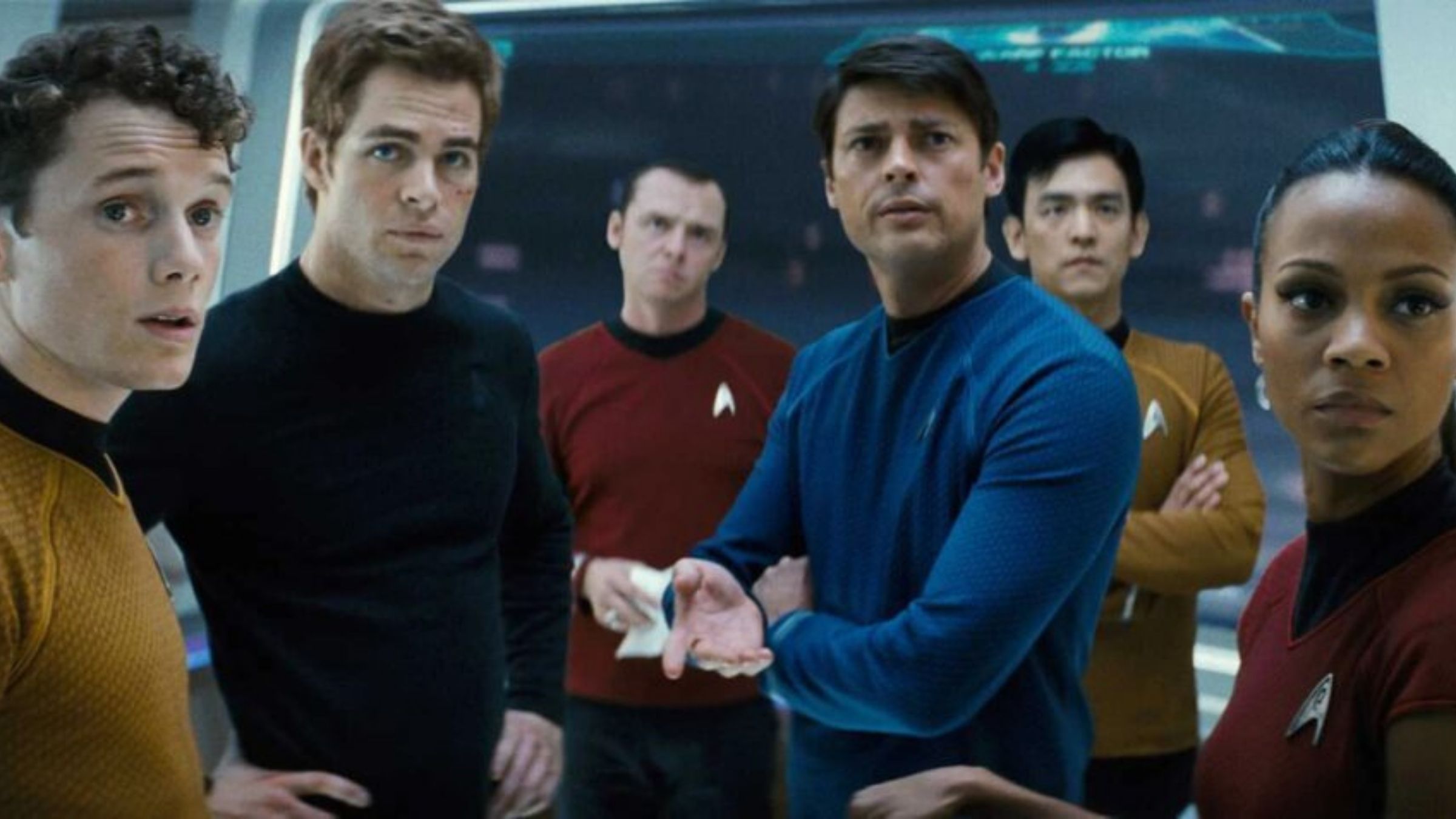
As a huge film fan, I remember how exciting it felt in the late 2000s – it really seemed like Star Trek was poised to become a massive franchise for the next decade. J.J. Abrams brought the series back to the big screen in 2009 after a seven-year gap since Star Trek: Nemesis (2002). He wasn’t just aiming to introduce Star Trek to a new generation, but to establish it as a must-see cinematic experience. What was really cool was that he did it with a cast of relatively unknown and rising stars, putting them into roles that were already legendary in science fiction.
The 2009 Star Trek movie was a huge win, bringing in $385.7 million worldwide on a $150 million budget. It broke records in the US, becoming the highest-grossing Star Trek film ever domestically with $257.7 million. The film also earned the franchise its first Oscars, winning four awards at the 2010 Academy Awards for Sound Editing, Sound, Visual Effects, and Makeup. At a time when Star Wars films weren’t being released, Star Trek—with its cast and distinctive visual style, including frequent lens flares—became the face of sci-fi in the 2010s. The story involved time travel and a villain altering a key moment in Star Trek history, so director J.J. Abrams created a separate timeline for the film, independent of the original TV series. This new timeline became known as the “Kelvin Timeline,” named after the USS Kelvin, the ship carrying James T. Kirk’s father, George Kirk (played by Chris Hemsworth), during his final mission.
The “Kelvin Timeline” approach was successful: long-time Star Trek fans could still enjoy the original stories and look of the series, while a new generation discovered the franchise through J.J. Abrams’ films. The second movie, Star Trek Into Darkness, was a huge hit in 2013, grossing over $467 million worldwide – the most any Star Trek film had ever earned. This success moved Star Trek from being a niche interest for dedicated fans into a major part of popular culture.
By 2014, Star Trek was doing incredibly well, making it surprising how quickly the newer films, set in the ‘Kelvin Timeline,’ lost momentum. What caused this decline, and why has it been so difficult for Star Trek to regain its popularity?
Why Star Trek’s “Kelvin Timeline” Came to An End
After the initial success of J.J. Abrams’ first Star Trek film, it seemed like the franchise was taking off, but the financial picture was more nuanced. While Star Trek (2009) earned $385 million at the box office on a $150 million budget – a decent, but not spectacular, profit – it generated enough merchandise sales and publicity to convince Paramount that Star Trek could compete with franchises like Marvel. However, Star Trek Into Darkness (2013) proved more divisive, sparking controversy due to its reimagining of The Wrath of Khan and failing to significantly boost merchandise opportunities. Despite earning a franchise-high $467.4 million, it also had a record-high budget of around $190 million, leaving profit margins tight. Despite the mixed reception and financial concerns, Paramount greenlit Star Trek Beyond, but production quickly ran into trouble.
J.J. Abrams left the director’s position, famously switching from working on Star Trek to directing Disney’s Star Wars: The Force Awakens. The project faced further instability when Roberto Orci, a writer for both the Transformers and Star Trek films, was initially chosen to write and direct, but was later moved to a producer role for reasons that weren’t made public. Several other directors were considered, including Edgar Wright, Duncan Jones, and Daniel Espinosa. Ultimately, Justin Lin, known for the Fast and the Furious series, took on the directing job. The script was then revised by Simon Pegg, who played Montgomery “Scottie” Scott, and TV writer Doug Jung, whose credits include Mindhunter, Chief of War, and Banshee.
Despite a strong effort from everyone involved, including Idris Elba’s compelling performance as the villain, Star Trek Beyond didn’t feel as ambitious or original as J.J. Abrams’ previous films. It felt more like an extended episode of the original TV series. A major problem was the film’s high cost – around $185 million – despite lacking the creative spark Abrams brought to the franchise. It became apparent that without his direction, Star Trek films wouldn’t perform as well. This wasn’t just a creative setback for the cast; it was a significant blow that ultimately stalled the momentum of the Kelvin Timeline series.
A Beloved Star Trek Actor’s Death
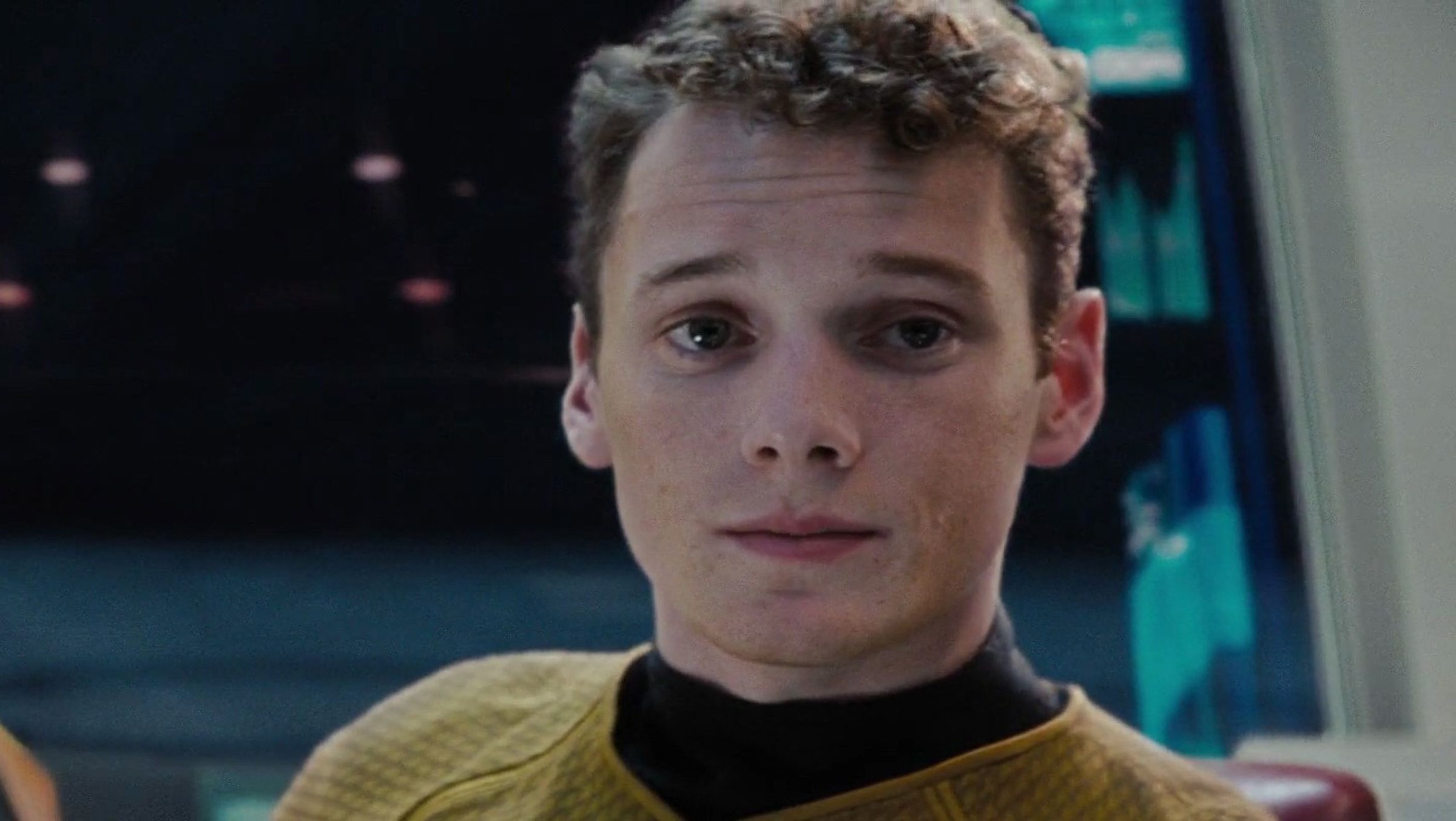
Anton Yelchin, known for playing Ensign Pavel Chekov in the newer Star Trek films, took over the role from Walter Koenig, who originated it in the original series. Yelchin became a prominent actor in the 2010s, boosted by the success of Star Trek (2009), and went on to star in movies like Terminator Salvation (2009), a remake of Fright Night (2011), and the critically acclaimed thriller Green Room.
I still remember hearing about Anton Yelchin’s tragic death on June 18, 2016 – it was such a shock. A freak car accident… just awful. And it happened right before the premiere of Star Trek Beyond. The cast – Chris Pine, Zachary Quinto, Zoe Saldana, Karl Urban, Simon Pegg, John Cho, and the whole group – had really become like family, so losing Anton hit them incredibly hard. You could see the grief on their faces during the press tour. Things definitely shifted for the franchise after that, but the studio, understandably, wanted to capitalize on the success J.J. Abrams had created, so they kept things going.
What Ever Happened to Star Trek 4?
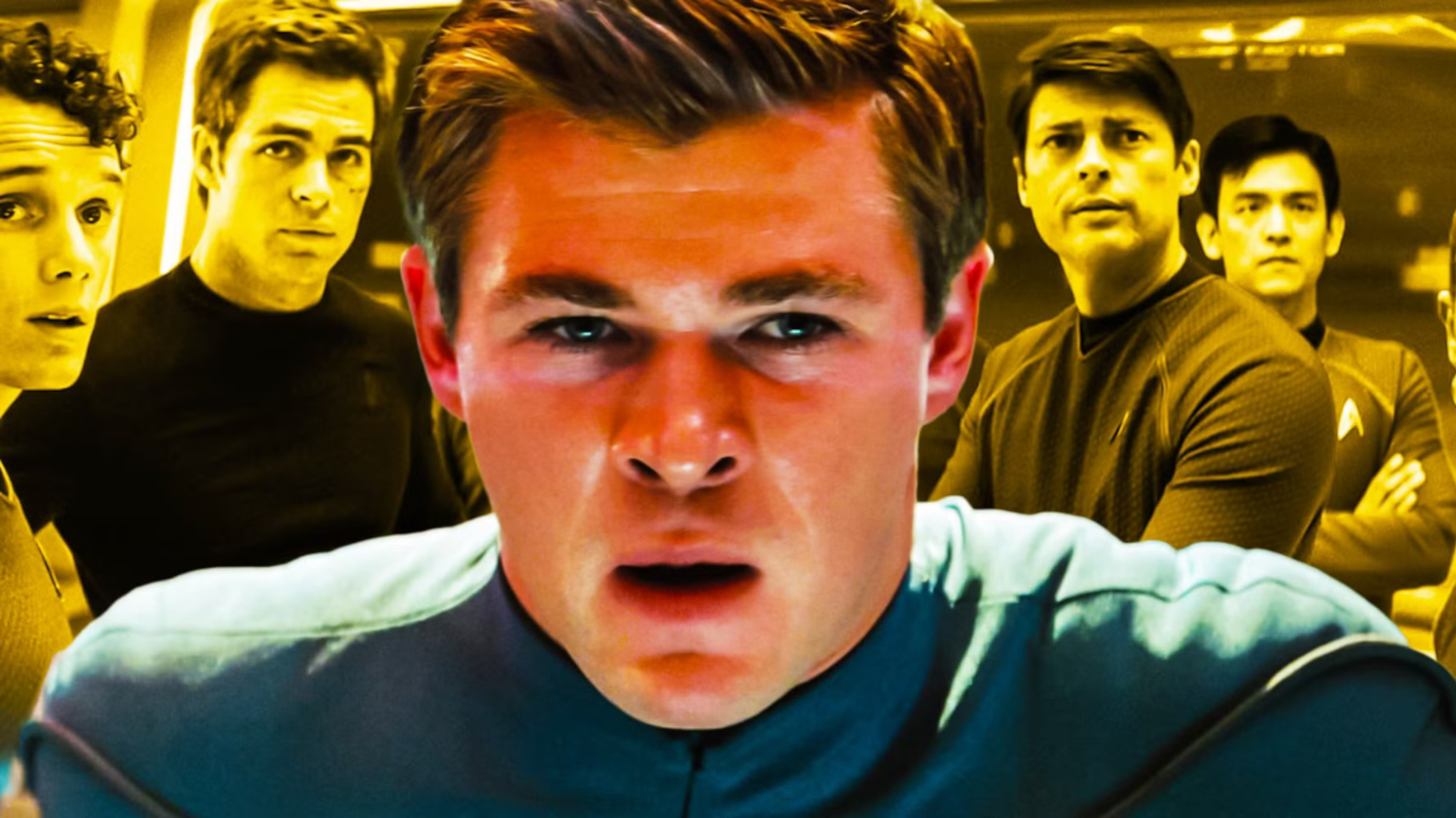
Even though Star Trek Beyond didn’t do incredibly well at the box office, Paramount decided to move forward with Star Trek 4. They had successfully negotiated new contracts with the main actors – including Anton Yelchin – back in 2015, and Chris Pine and Zachary Quinto were already committed to the fourth film. Everything was in place, and the movie was planned as a major event, with a storyline that would have brought Chris Hemsworth (known for his role as Thor) back to the Star Trek universe, playing a significant role as George Kirk.
J.D. Payne and Patrick McKay, the writers behind Amazon’s Lord of the Rings: The Rings of Power, were originally hired to write the script for Star Trek 4. They had previously done some uncredited work on the third Star Trek movie. Star Trek 4 was announced shortly before Star Trek Beyond came out, and things seemed to be progressing well. Director Matt Shakman, known for Wandavision and Fantastic Four: First Steps, was even set to direct. However, the project soon ran into difficulties.
Throughout 2016 and 2017, the actors from Star Trek became increasingly vague when asked about Star Trek 4, unable to share any news about a script or when filming would begin. The situation started in 2015 when director Quentin Tarantino publicly shared his ideas for a Star Trek movie, inspired by the original series, during contract talks and early planning for a fourth film. These comments led to discussions with J.J. Abrams and the studio, and by 2018, Paramount’s CEO announced that both a fourth film continuing the established storyline and Tarantino’s unique vision were both in the works.
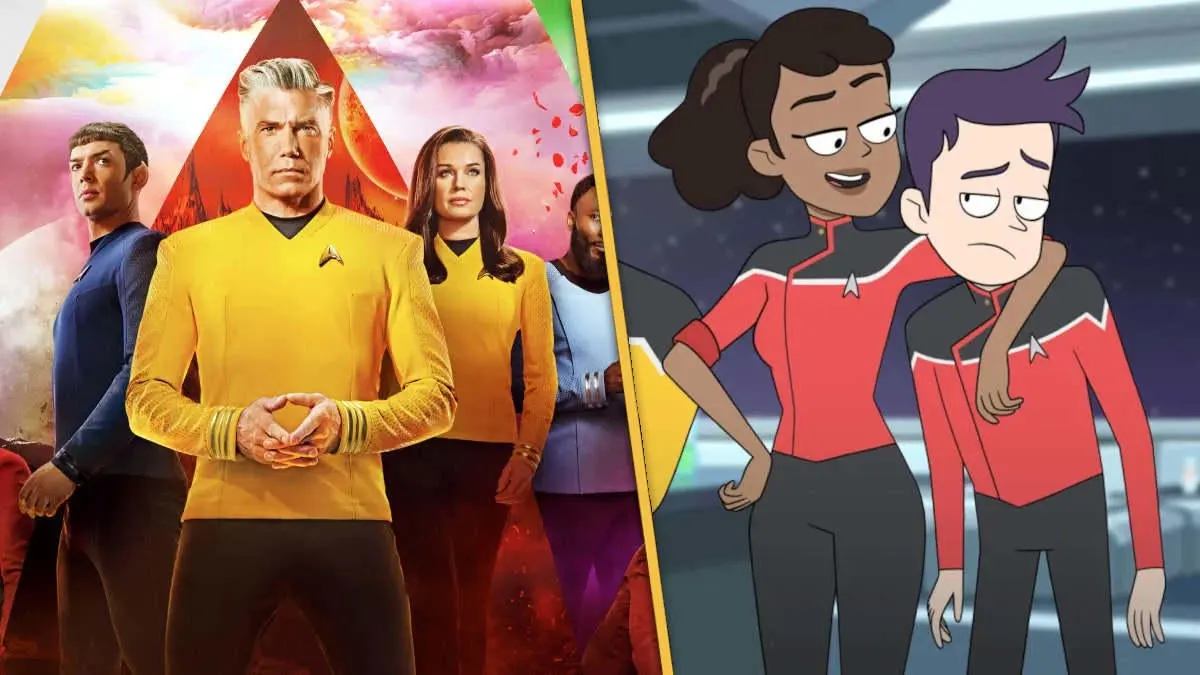
Paramount originally intended to create several Star Trek movies set in alternate timelines, but those plans stalled in 2019. This happened when Viacom, Paramount’s parent company, combined with CBS to form ViacomCBS. Instead of continuing with the movies, ViacomCBS focused on building a new Star Trek television franchise, starting with Star Trek: Discovery (which debuted in 2017) and followed by Star Trek: Picard in 2020.
When the COVID-19 pandemic began, ViacomCBS rebranded as Paramount and joined the competition in the streaming market. At the same time, the world of Star Trek expanded significantly with new shows like Star Trek: Strange New Worlds, Star Trek: Lower Decks, Star Trek: Prodigy, Star Trek: Short Treks, and, most recently, Starfleet Academy. However, while TV production continued, the Star Trek films faced delays due to industry disruptions, including the 2023-2024 Writers and Actors’ strikes. Internal changes at Paramount, including a potential merger with Skydance and a bid to acquire Warner Bros., further stalled progress on major film projects, including those in the Star Trek universe.
The actors and filmmakers involved in the recent Star Trek movies (often called the Kelvin Timeline films) are still very enthusiastic about making another one. Zachary Quinto, who played Spock, recently even reached out to director J.J. Abrams to pitch the idea. He believes fans would love a final film and feels it’s time to start working on it. Quinto is actively pushing for a fourth movie, highlighting the many story possibilities and the strong connection the cast and crew have with their characters.
Star Trek Is Moving On (RIP Kelvin Timeline)
Paramount announced last fall that they’re working on a new Star Trek movie, effectively ending the story arc that began with J.J. Abrams’ films. Plans include at least two potential movies: one featuring a brand new crew, and another revisiting the classic characters of Kirk and Spock. These upcoming films won’t take place in the timeline created by Abrams, and that era of Star Trek is now considered finished.
Read More
- 10 Most Powerful Versions of Superman, Ranked
- Gold Rate Forecast
- GBP CNY PREDICTION
- 007 First Light: Release Date, Story, Gameplay, Cast, Editions, and Platforms
- Forza Horizon 6 Car List So Far: Confirmed Highlights, Cover Cars, DLC, and Rewards
- DOGE PREDICTION. DOGE cryptocurrency
- EUR CNY PREDICTION
- Superman’s 7 Best Power-Ups, Ranked
- Fishbowl Is a Charming and Heartfelt Indie You Won’t Want to Miss (Review)
- Forza Horizon 6 PC Issues: Fix Crashes, Stuttering, Steam Errors, and Game Pass Problems
2026-01-26 16:15