
After five years of trying, Disney+’s Wonder Man seems to have figured out the formula for a successful Marvel Cinematic Universe TV show. Initial reactions hinted it could be the best MCU series yet, and that appears to be correct. Critics and fans are overwhelmingly positive about the show, and even viewers who are tired of the MCU are finding it enjoyable.
Beginning with WandaVision in 2021, Marvel started creating live-action TV shows that are officially part of the main MCU storyline. Previous shows like Agents of S.H.I.E.L.D., The Defenders Saga, The Runaways, and Cloak & Dagger weren’t connected to the movies, even though they were considered canon within their own stories. These new series are designed to be important to the overall MCU narrative, linking directly to films like Doctor Strange in the Multiverse of Madness and The Marvels. The results have been uneven, with some hits (Agatha All Along), some shows that didn’t quite land with audiences (She-Hulk: Attorney at Law), and some that were poorly received (Secret Invasion). However, the reaction to and quality of Wonder Man suggests a path forward for these series.
‘Wonder Man’ Expands the MCU in Ways Outside the Superficial
Disney+
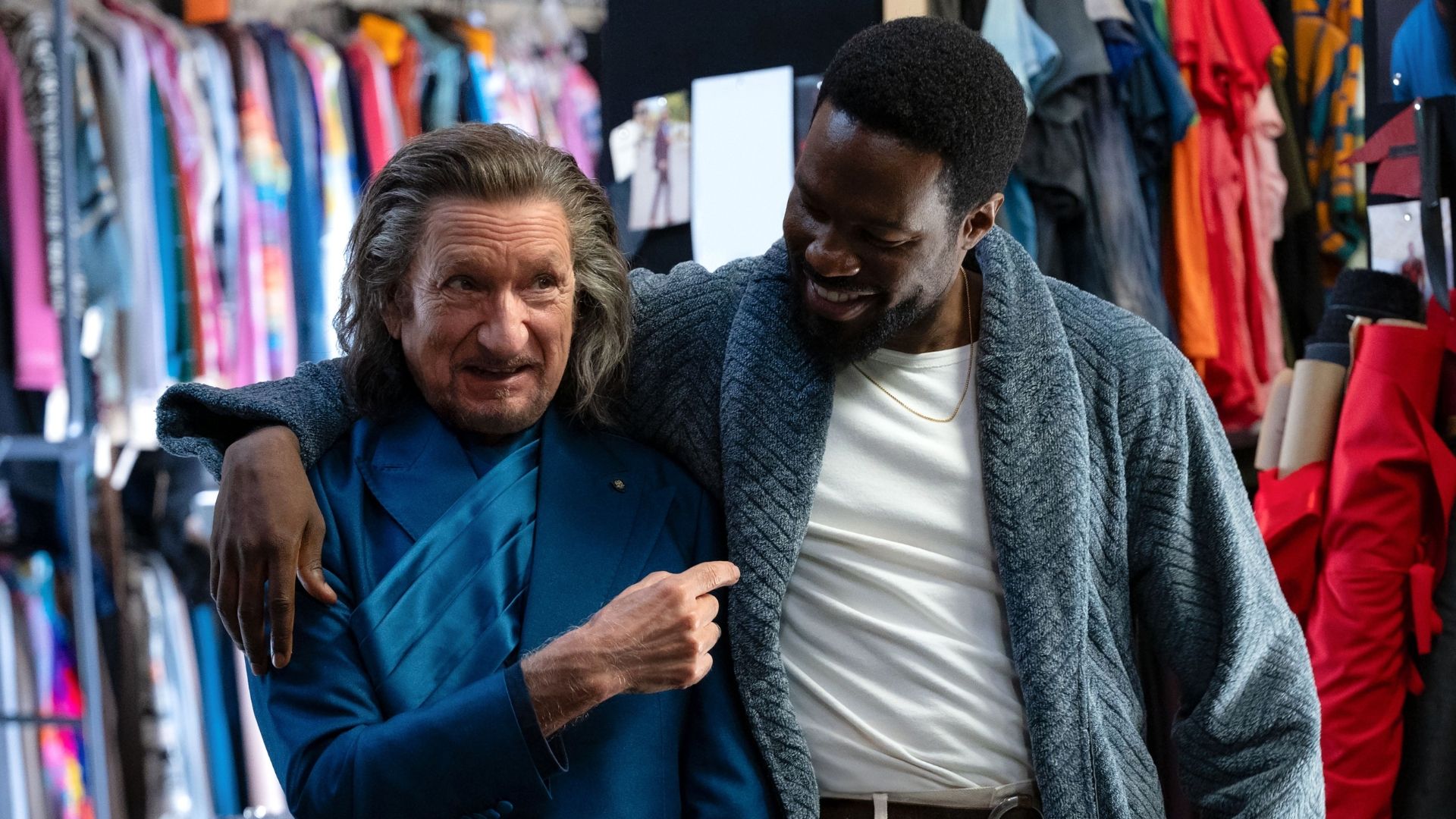
I’m really fascinated by Wonder Man because even though it feels like its own story, it actually does a lot for the bigger Marvel Cinematic Universe in a quiet way. It’s set in Los Angeles, and specifically within the world of show business, which is a really interesting and unique setting we haven’t seen much of. While shows like She-Hulk: Attorney at Law and The Runaways also use Los Angeles, Wonder Man shows us a completely different part of the city. It doesn’t necessarily push the main story forward, but it really broadens the scope of the MCU and makes it feel even more expansive.
Similar to how shows like Cloak and Dagger (New Orleans), Echo (Oklahoma), and Ironheart (Chicago) are set, Wonder Man continues to broaden the Marvel Cinematic Universe by exploring superhuman stories in different American cities. These shows aren’t directly connected to the main MCU storyline, but they still feel like they exist within the same universe. By showcasing these smaller-scale, superpowered events across the country, the world feels more realistic and fully developed, just like when major characters cross over or make cameo appearances.
Television is a perfect fit for stories like this one. Just as comic book miniseries allow characters to grow, Wonder Man can do the same through self-contained stories. If the show focuses on developing different MCU characters in interesting settings and from fresh angles – instead of relying on big, overarching plots – it can tell stories that the movies simply don’t have room for. This creative freedom actually makes Wonder Man a valuable asset to the MCU overall.
Because the show doesn’t have to worry about setting up future Marvel movies or shows, it can really focus on developing Simon Williams as a character. Once viewers connect with him, they’ll be eager to see how he interacts with other heroes and characters in the Marvel Universe. Wonder Man is presented as a complete story on its own, with a compelling narrative that makes audiences excited for potential team-ups and a possible second season.
‘Wonder Man’ Shows How Flexible the MCU Can Be
Disney+
What makes Wonder Man stand out is its dedication to the Marvel Cinematic Universe combined with its willingness to try new storytelling approaches. While the MCU often promotes itself as a blend of genres – like Captain America: The Winter Soldier being labeled a ’70s spy thriller or Thunderbolts drawing inspiration from A24 films – these elements often feel secondary. Those movies largely stick to a familiar action-comedy formula that builds to a large-scale finale.
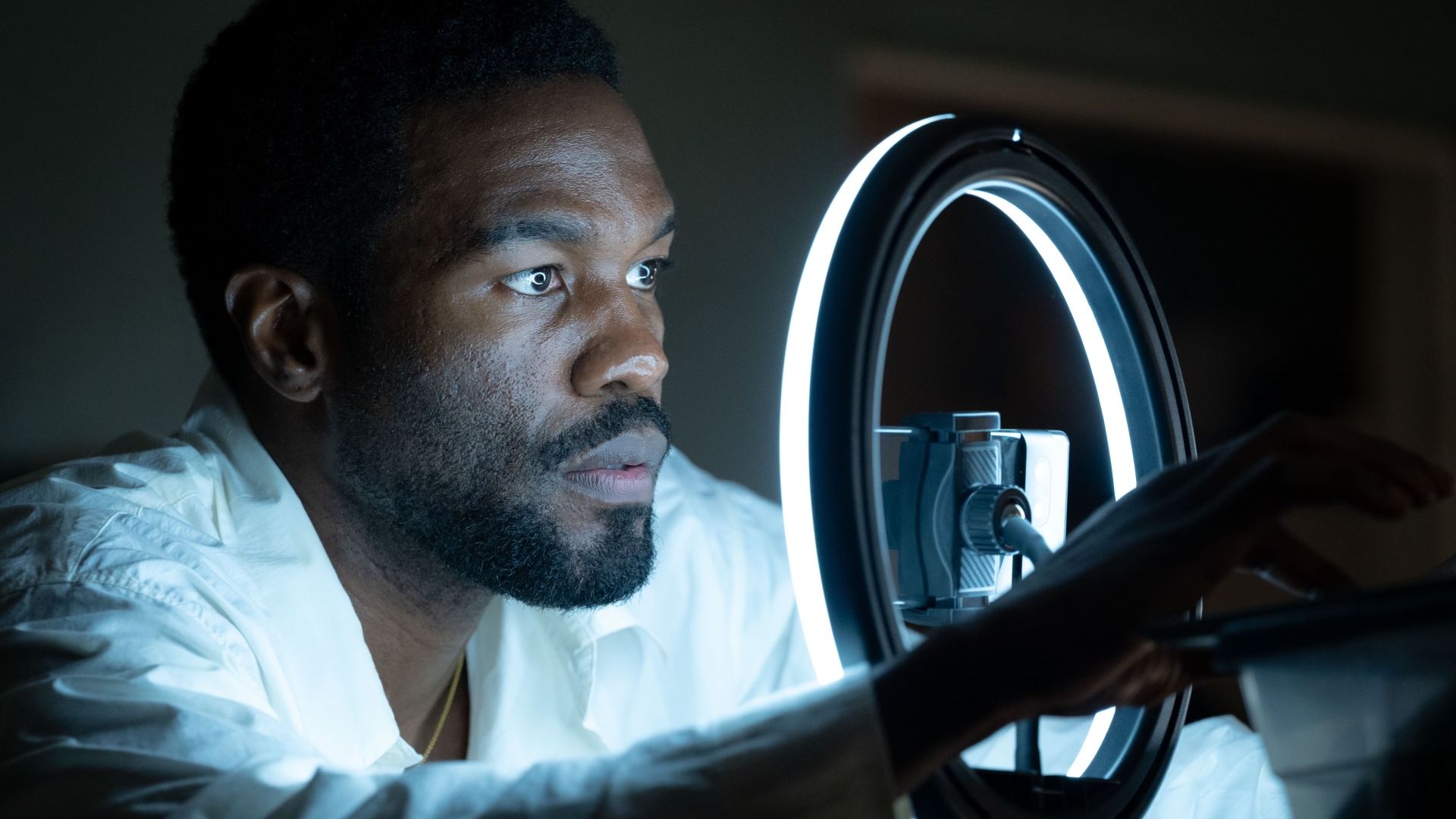
Unlike many Marvel shows, Wonder Man feels more like a comedy about filmmaking within the Marvel universe than a traditional superhero story. Because it focuses on an actor, not a hero, it doesn’t end with a large-scale battle. Even WandaVision, a highly-regarded Marvel series that creatively used television history, still concluded with a big action sequence that felt out of place with the rest of the show. Wonder Man is most similar to She-Hulk: Attorney at Law, which prioritized its comedic premise as a legal series by ending with a courtroom closing argument instead of a fight. The final episode of Wonder Man focuses on the friendship between Simon Williams and Trevor Slattery, providing an emotional resolution rather than a physical one.
The strength of television lies in building relationships with characters over time, and Wonder Man successfully does that, even though all episodes were released at once. For years, Disney+’s Marvel series have tried to mimic the look and feel of the Marvel movies, sometimes repeating storylines. What Marvel really needs to do is focus on what makes TV special and use it to add depth to their universe. TV doesn’t need to be like movies – smaller, character-driven stories can actually enrich the overall Marvel experience.
‘Wonder Man’ Remembered the Key Lesson From ‘Iron Man’
Disney+
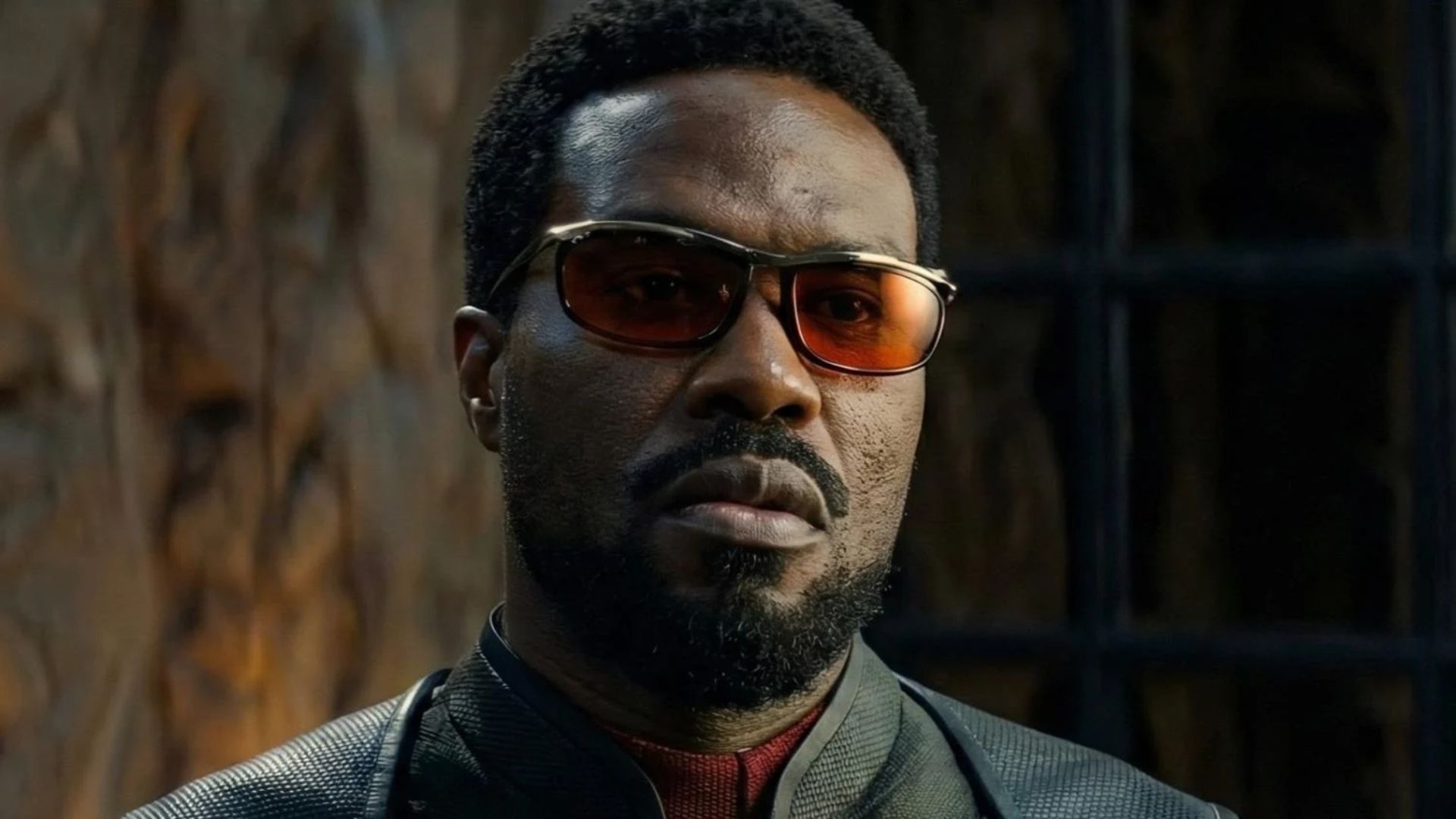
In several ways, Wonder Man felt like a return to the origins of the Marvel Cinematic Universe. When the MCU began in 2008 with Iron Man, it faced the challenge of making audiences care about a character many considered relatively unknown. Iron Man wasn’t as popular as the X-Men or Spider-Man, and some industry insiders thought Marvel was taking a big risk. With the entire franchise riding on Iron Man‘s success, director Jon Favreau, producer Kevin Feige, and the team worked hard to make audiences connect with the character, especially Tony Stark. Casting Robert Downey Jr. was a brilliant move, though it pushed their $140 million budget. They focused on adding humor and developing Tony Stark’s personality, ensuring audiences cared about him as much as they did about Iron Man in the suit.
Subscribe to our newsletter for MCU TV insights
Discover deeper MCU TV analysis: subscribe to the newsletter for thoughtful takes on Wonder Man, character-driven stories, and how smaller series expand the shared universe. Subscribe to get the insight you want on TV-driven Marvel storytelling.
That decision proved to be very successful. Iron Man was both a critical and commercial success, and it essentially set the stage for the entire Marvel Cinematic Universe, shaping its overall style and themes. The franchise then became known for introducing lesser-known characters, like the Guardians of the Galaxy and Ant-Man, and turning them into popular superheroes. Originally, Iron Man wasn’t created with a shared universe in mind—that developed later. Marvel’s initial focus was simply on making a strong, standalone film, and they used the positive response to that film as a foundation for building a larger, interconnected universe with compelling characters. For a time, it even seemed that Marvel Studios and its fans were more focused on the overarching story than on the individual characters themselves.
The initial reaction to Wonder Man was largely negative, with many questioning the need for the series – a similar response to what Iron Man received before its 2008 release. However, Wonder Man has since been well-received by both fans and critics, giving fans renewed optimism for the future of the franchise. Marvel Television should learn from this: don’t be afraid to develop stories around lesser-known characters if the narrative is strong. Experiment with fresh approaches and storytelling, and then strategically connect successful projects to the larger Marvel universe.

Found an error? Send it info@movieweb.com so it can be corrected.
Read More
- What Song Is In The New Supergirl Trailer (& What It Means For The DC Movie)
- Why is Tech Jacket gender-swapped in Invincible season 4 and who voices her?
- Highly Anticipated Strategy RPG Finally Sets Release Date (And It’s Soon)
- TV legend Carol Kirkwood reveals the reasons why she decided to retire after 28 years with BBC
- Dune 3 Gets the Huge Update Fans Have Been Waiting For
- Palworld! More Than Just Pals ‘Special Video’, characters detailed
- Supergirl Director Breaks Down Kara Zor-El & Superman’s ‘Older-Sibling Dynamic’
- Dragon Ball: Sparking! Zero Is Still Stupidly Popular, Reels in 1 Million Monthly Players
- Jaleco Sports: Bases Loaded II announced for PS5, Switch; now available
- Digimon Is Getting a New RPG in 2026 (And You Probably Missed It)
2026-02-03 22:21