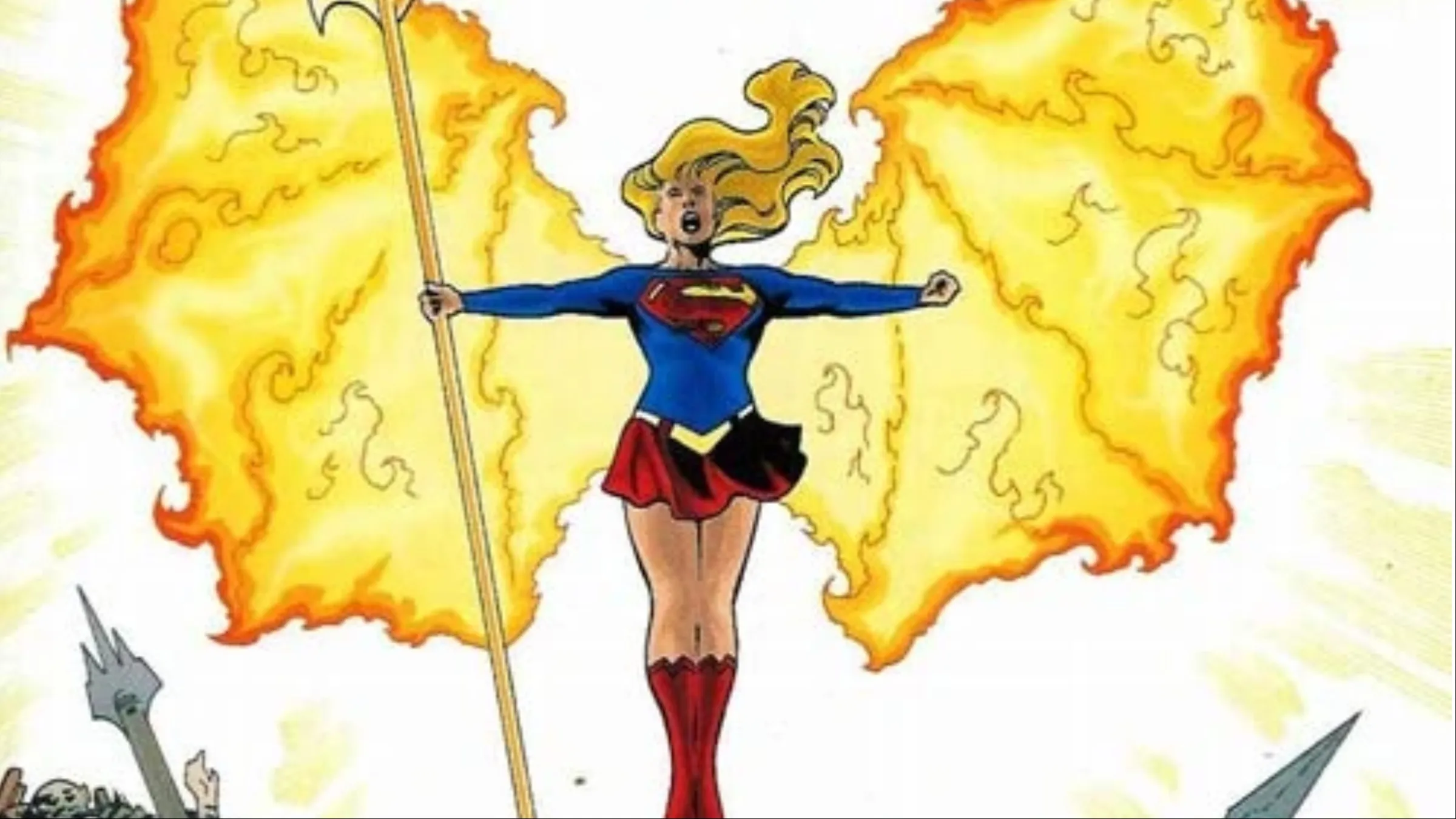
Supergirl is experiencing a resurgence in popularity. It began with the critically acclaimed 2002 series Supergirl: Woman of Tomorrow, which reintroduced her to fans and is now being adapted for the big screen as part of the DCU. Since then, Kara Zor-El has returned to the Action Comics series and has been appearing more frequently, leading DC to announce a new Supergirl series launching in 2025. This is a return to prominence for the character, who was a major figure in the Superman universe before her sacrifice in Crisis on Infinite Earths.
Supergirl’s death was meant to represent the end of an era for DC Comics, marking a shift from the Silver and Bronze Ages – that was the purpose of the Crisis event. However, her story didn’t truly end. In comic books, characters rarely stay gone. After Crisis, DC altered the history of Krypton, initially making Superman the only survivor. Later, readers were introduced to a new Supergirl from another world: Matrix. Created by Lex Luthor, Matrix was a shapeshifting being who took on the role of Supergirl on her own Earth. Eventually, she returned to the main Earth and continued as Supergirl, even falling in love with a younger version of Lex Luthor (a clone). This all led to what many consider the best version of the character: Linda Danvers, featured in the classic Supergirl series (Vol. 4) #1-80, written by the acclaimed Peter David.
Supergirl (Vol. 4) Made Everything Old New Again
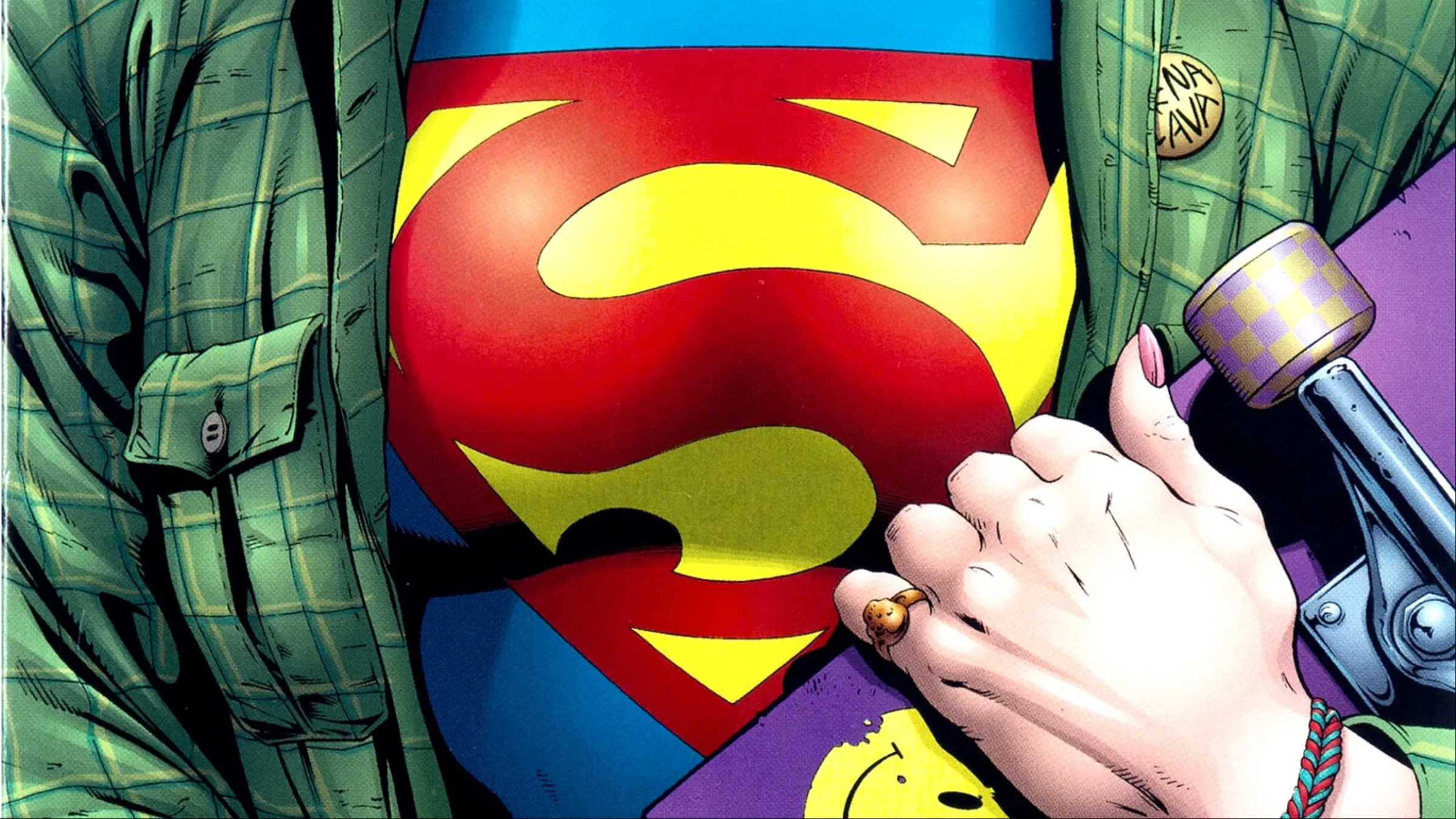
While Matrix was a strong portrayal of Supergirl, the fourth volume of the Supergirl comic book series took the character to a new level. The story introduced Linda Danvers – the name Kara Zor-El used before the Crisis event – and the two merged, with much of Linda’s past hidden. A significant part of the series then focused on Matrix trying to uncover Linda’s forgotten memories. This search mirrored the character’s complex history, as Supergirl had a particularly unusual and often confusing backstory thanks to many changes made by creators during the Silver Age.
David understood how deeply this story impacted the main character and wanted to discover who she truly was. He did this by revisiting familiar elements from her past adventures, interwoven with details about Linda’s life, revealing both to the reader. He began working with artist Gary Frank, and the combination was fantastic. Having collaborated previously on The Incredible Hulk (which I particularly enjoyed), they created stunning action sequences and emotionally resonant visuals that skillfully supported the book’s central idea: uncovering the secrets of these women.
Kryptonian history is known for being strange, and Supergirl’s stories are quite different from Superman’s. While Superman faced challenges like mischievous imps, incredibly intelligent beings, and constantly changing Kryptonite, Supergirl had her own bizarre adventures, including a surreal storyline involving a centaur horse named Comet who was in love with her. Writer David took classic Supergirl elements from the Silver Age and updated them in creative ways. This approach was a key part of what made DC Comics in the 1990s, after the Crisis event, so enjoyable – writers were finding fresh takes on familiar concepts, and the best, like David, did it brilliantly.
The mysteries surrounding Linda Danvers after the Crisis event were central to the story, gradually revealing a shocking truth about her. This revelation propelled the narrative forward, as her abilities began to evolve and she transformed. David was able to successfully revive older, sometimes dismissed, ideas from the Silver Age, integrating them in a way that resonated with ’90s readers, all while crafting a unique Supergirl story that stood alongside the best. He turned her into a contemporary icon, but ultimately, shifts within the DC Universe brought this era to a close.
The Resurrection of Supergirl Changed Everything
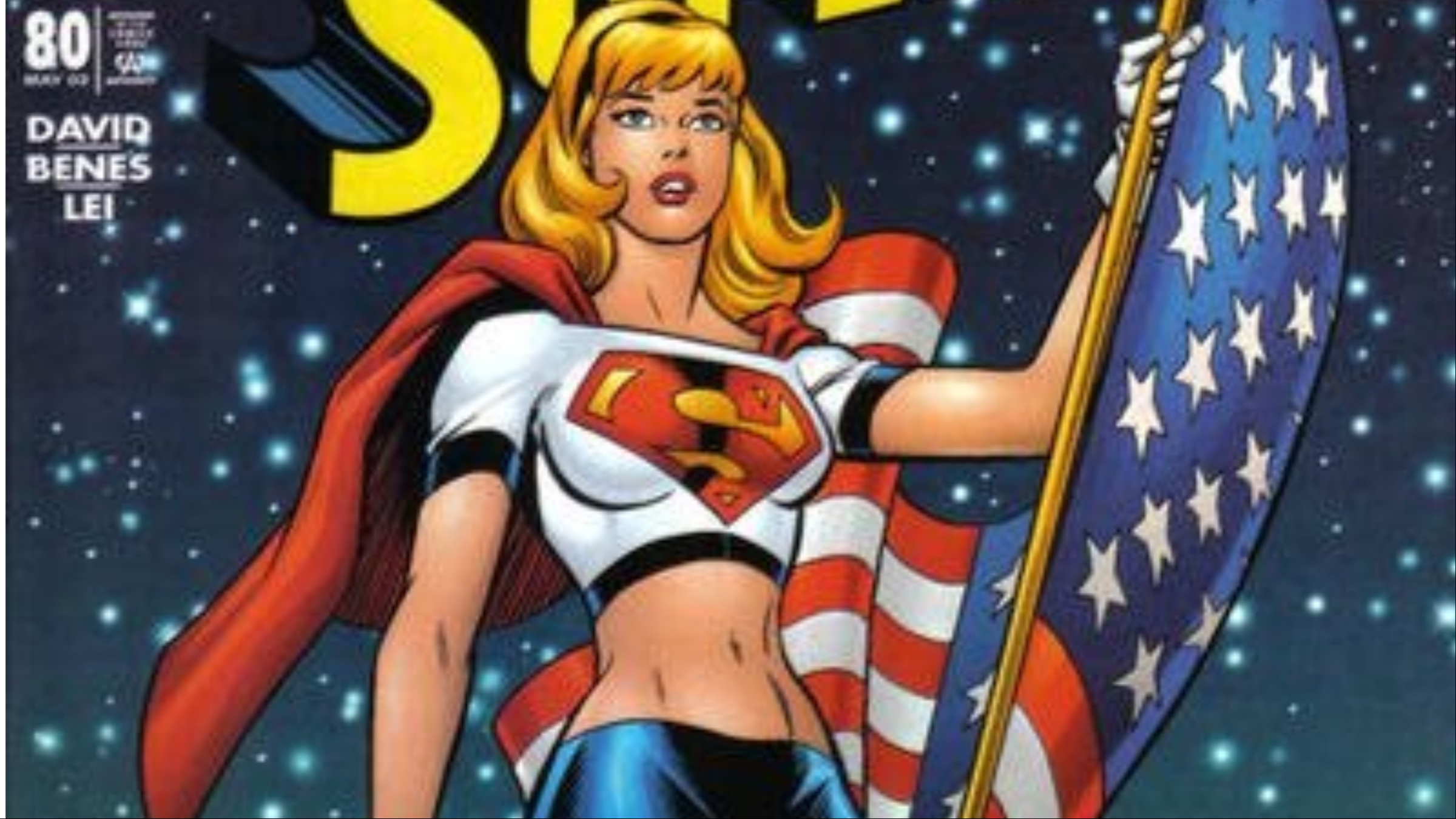
During the 2000s, DC Comics was going through a period of change. Many creators hoped to revive the classic DC Multiverse, which meant the version of Supergirl known as Matrix needed to be retired to make way for the original Kara Zor-El in the highly-regarded Superman/Batman story, “The Supergirl from Krypton.” However, the character’s story didn’t end there. It continued in Fallen Angel, a comic book owned by its creators and published by both DC and IDW. The series ran for 20 issues at DC, then 33 at IDW, and concluded with two additional limited series.
The Supergirl series that followed the ‘Crisis’ event truly captured the spirit of that era for DC Comics. While significantly reimagined, the character was wonderfully developed over its 80-issue run, becoming both fresh and familiar. It was a remarkably successful take on the character, resulting in a collection of fantastic stories. Though much of it is currently unavailable, it’s well worth seeking out – this series represents a particularly creative period for Supergirl and remains a standout in her history.
https://comicbook.com/comics/list/7-great-supergirl-stories-that-arent-woman-of-tomorrow/embed/#
Read More
- The Super Mario Galaxy Movie: 50 Easter Eggs, References & Major Cameos Explained
- Surprise Isekai Anime Confirms Season 2 With New Crunchyroll Streaming Release
- 10 Best Free Games on Steam in 2026, Ranked
- Sydney Sweeney’s The Housemaid 2 Sets Streaming Release Date
- Skate 4 – Manny Go Round Goals Guide | All of the Above Sequence
- Why is Tech Jacket gender-swapped in Invincible season 4 and who voices her?
- Preview: Sword Art Online Returns to PS5 as a Darker Open World Action RPG This Summer
- Welcome to Demon School! Iruma-kun season 4 release schedule: When are new episodes on Crunchyroll?
- Overwatch 2 G.I. Joe Crossover Launches July 1: Join the Battle Between Heroes and Villains
- Shonen Jump Officially Cancels Yet Another Major Series in 2026 (& Fans Saw It Coming)
2026-02-08 03:12