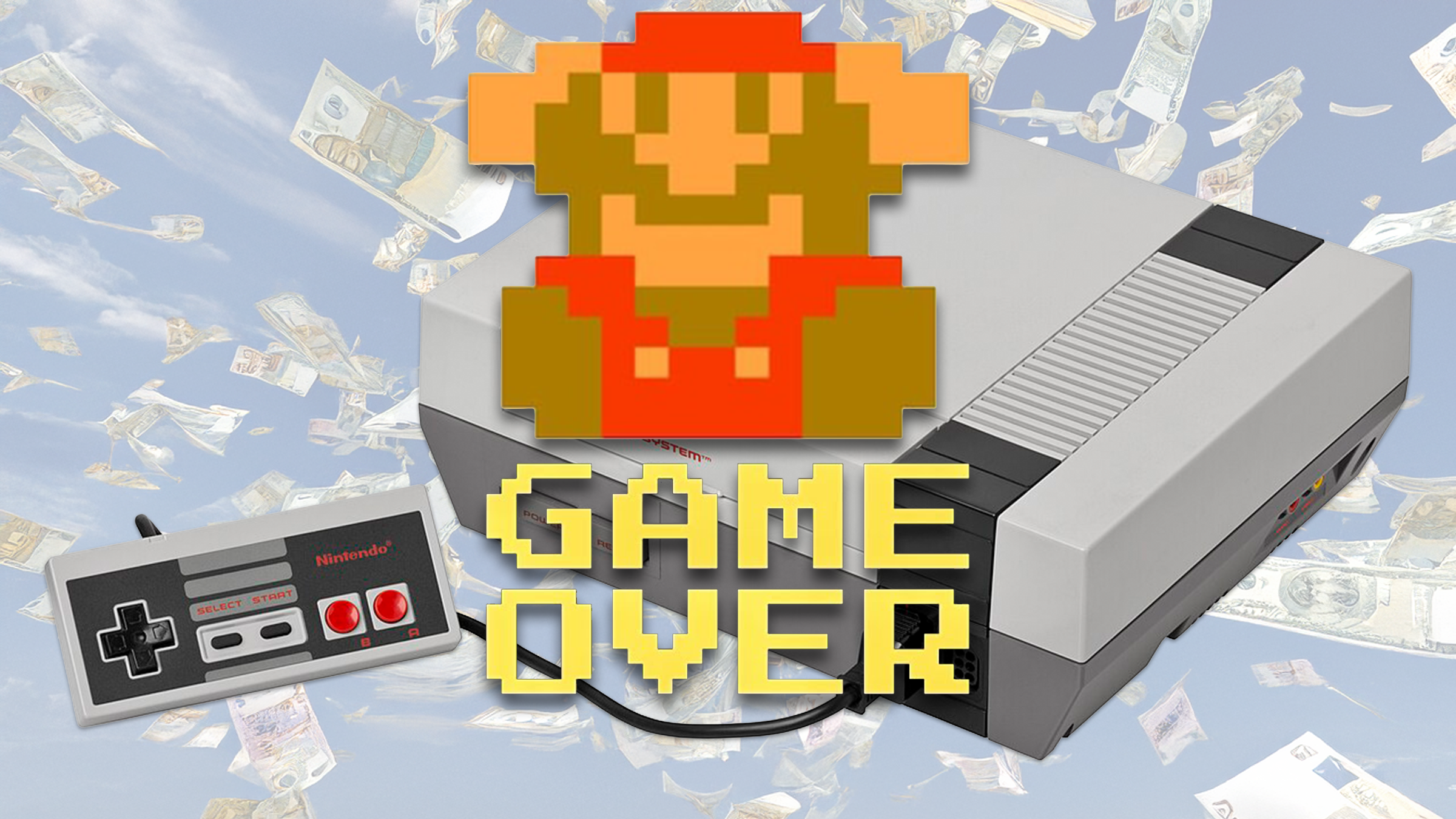
Nintendo is well-known for aggressively protecting its brands and intellectual property, and has a long history of lawsuits. They routinely take legal action against anyone they believe damages their reputation, which is why the recent lawsuit involving Palworld has garnered attention. While Nintendo has been involved in numerous legal battles over the years, the case of Lewis Galoob Toys, Inc. v. Nintendo of America, Inc. stands out as particularly significant for the entire video game industry.
The recent lawsuit might not be well-known outside of those directly involved, but it centers around a popular device from the 1990s called the Game Genie, and its impact on gamers. The Game Genie, first released in 1990, plugged into the Nintendo Entertainment System. It allowed players to enter codes that changed the game, essentially providing cheats and enhancements. Nintendo, however, wasn’t pleased with this ability to modify games.
Nintendo’s Fight Over the Game Genie Was Expensive
The Game Genie has a fascinating backstory. It was created by carefully studying the inner workings of the NES to modify how games played. Before releasing it in the US, its distributor, Galoob, actually sued Nintendo, anticipating they would try to stop sales. Nintendo was known for aggressively pursuing legal action, and because the Game Genie was built by analyzing (rather than directly licensing) the NES’s technology, Galoob feared a lawsuit. This was especially concerning as Nintendo was about to launch the Super Nintendo and wanted to protect its brand reputation.
Nintendo initially faced a lawsuit, but quickly responded with its own legal action. The company’s lawyers immediately filed a motion and sued Galoob, seeking to stop the sale of the Game Genie. They were successful, and sales were temporarily halted. The case eventually went to trial, where both Nintendo and Galoob argued over whether the device should be allowed on the market.
Galoob fought the initial legal block, but it wasn’t lifted before the trial began. Because of this block, Nintendo had to put up a $15 million bond – essentially a guarantee that Galoob would be compensated if they won the case and Nintendo lost potential sales of the Game Genie. In the end, the judge ruled that Galoob hadn’t infringed on Nintendo’s copyrights, and Nintendo accepted the decision. As a result, Galoob received the $15 million bond (worth about $35.5 million today) plus roughly $1 million (around $2.4 million today) to cover their legal costs.
Nintendo Lost the Lawsuit and $16 Million Bucks
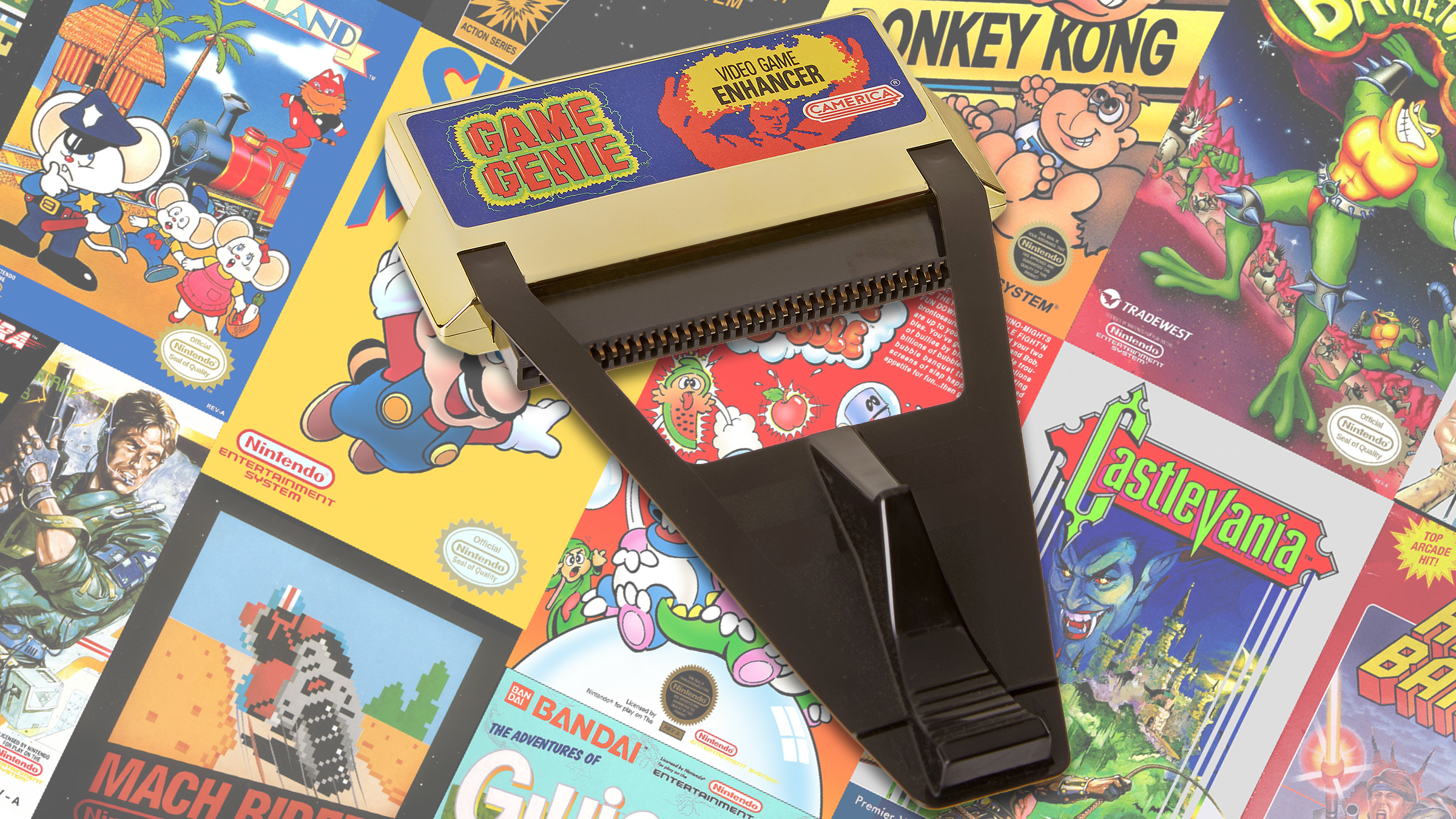
After Galoob legally secured the right to sell the Game Genie, they quickly expanded its reach. They released versions for the Super Nintendo, Game Boy, Sega Genesis, and Sega Game Gear. While not every game was compatible, the Game Genie worked with most. Ultimately, Galoob successfully fought a major legal battle against a much larger video game company, winning a significant settlement and the ability to continue innovating.
Remember using a Game Genie? Share your experiences in the ComicBook Forum discussion!
https://comicbook.com/gaming/list/7-best-retro-video-game-cheats-ever/embed/#
Read More
- The Super Mario Galaxy Movie: 50 Easter Eggs, References & Major Cameos Explained
- Surprise Isekai Anime Confirms Season 2 With New Crunchyroll Streaming Release
- 10 Best Free Games on Steam in 2026, Ranked
- ‘Project Hail Mary’: The Biggest Differences From the Book, Explained
- Sydney Sweeney’s The Housemaid 2 Sets Streaming Release Date
- Skate 4 – Manny Go Round Goals Guide | All of the Above Sequence
- Preview: Sword Art Online Returns to PS5 as a Darker Open World Action RPG This Summer
- Why is Tech Jacket gender-swapped in Invincible season 4 and who voices her?
- Forza Horizon 6 ‘Prologue’ gameplay
- Joel Kinnaman Claims ‘Peacemaker’ Was His Last Time as Rick Flag Jr. in the DCU
2026-02-08 16:12