Recent reports suggest Sony may delay the release of the PlayStation 6 until 2028 or 2029. This follows rumors and predictions from industry analysts, and a new Bloomberg report indicates a more significant impact from the current memory shortage than previously thought. Both Sony and Nintendo are closely monitoring RAM prices, with Sony specifically considering a launch date beyond 2027 for the PS6.
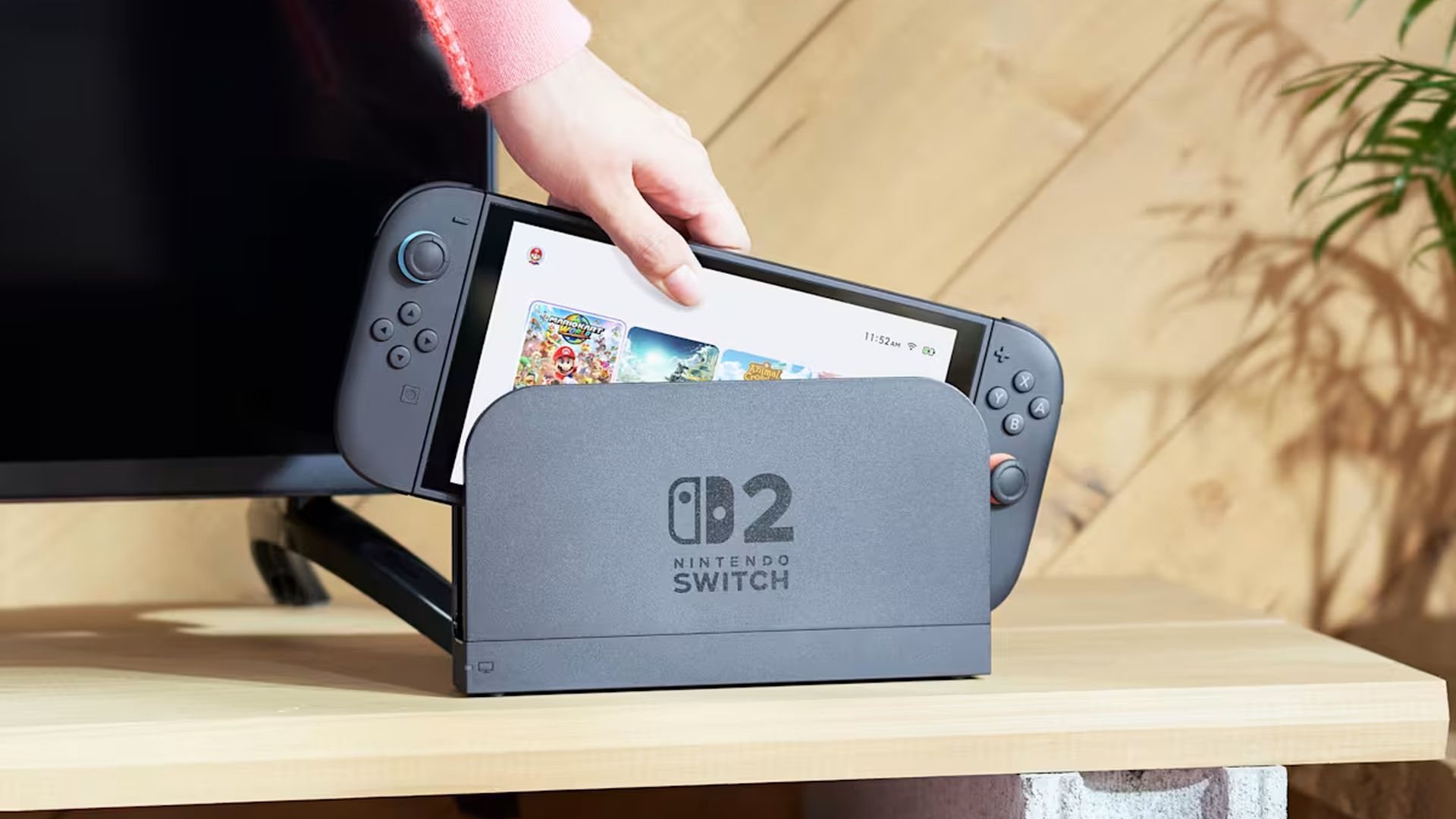
According to sources close to the companies, Sony is considering a significant shift in how it releases new gaming consoles, potentially impacting how players stay engaged. Nintendo is also reportedly exploring a price increase for the upcoming Switch 2 later this year. However, neither Sony nor Nintendo has officially confirmed these plans.
Rumors began last month that Sony and Microsoft, the companies behind competing gaming consoles, might adjust their plans to release new hardware. According to gaming industry insider Tom Henderson, these discussions at a corporate level are focused on the current challenges with the memory market and the high cost of RAM.
Recent increases in memory costs could significantly impact Sony, especially with the anticipated release of the PS6. Rumors suggest the home console version will include 30GB of fast GDDR7 RAM, while the handheld version will have 24GB. This RAM is expected to come in 3GB modules with speeds up to 32GB/s, and combined with a 160-bit memory bus, could deliver a bandwidth of around 640GB/s. Additionally, recent reports suggest the PS6’s graphics processor may not be entirely based on AMD’s newest RDNA 5 technology.
I’ve been following Nintendo’s situation closely, and their president, Shuntaro Furukawa, has been talking about how things like memory chip prices and international trade issues, especially the US tariffs, are something they’re watching. He recently mentioned they’re actually doing okay with memory supplies right now because they were smart and got the parts they needed ahead of time. It’s good to hear they’re prepared!
According to Furukawa, how profitable hardware is depends on things like the cost of getting parts, how much money they save by making a lot of units, and changes in exchange rates and import taxes. He explained it’s hard to make broad statements about this, but their main goal is to improve how they get components over the long run.
It’s still unclear if recent memory market changes will cause the price of the Switch 2 to increase. Nintendo sources components based on long-term planning, but the memory market is currently unstable. While profits aren’t affected right now, the situation requires careful monitoring.
Furukawa has noted that US trade tariffs are significant, and the company generally treats them as a business cost that’s factored into the price customers pay for their products.
We’re at a key moment for our gaming business, focusing on getting players to use new hardware and keeping our existing platforms popular. We’re proceeding thoughtfully as we do this.
Surprisingly, Valve was also affected by the recent memory shortages. They announced that high RAM prices forced them to postpone the release of the Steam Machine.
Read More
- After AI Controversy, Major Crunchyroll Anime Unveils Exciting Update
- Trails in the Sky 2nd Chapter launches September 17
- PRAGMATA ‘Eight’ trailer
- Why is Tech Jacket gender-swapped in Invincible season 4 and who voices her?
- Hulu Just Added One of the Most Quotable Movies Ever Made (But It’s Sequel Is Impossible To Stream)
- Adam Levine Looks So Different After Shaving His Beard Off
- Xbox Game Pass Users “Blown Away” by New Exclusive Game
- How Could We Forget About SOL Shogunate, the PS5 Action RPG About Samurai on the Moon?
- Dragon Quest Smash/Grow launches April 21
- Bitcoin’s Rollercoaster: Will the Crypto Crown Its Lost Roving Glory?
2026-02-16 18:41