
The 1990s were a turning point for science fiction. It was the first time the industry’s big ideas could truly be realized with available technology. The decade saw a move away from practical effects and models towards the possibilities of computer-generated imagery (CGI). This wasn’t just about making things look better; it changed how filmmakers created entire worlds and told stories on a grand scale. The combination of imaginative ideas and advanced visual effects meant that the best sci-fi films of the 90s were both exciting blockbusters and thoughtful explorations of what it means to be human.
The rise of computer-generated imagery in film happened at a time of big cultural changes, as people adjusted to the internet and debated the ethics of new biotech. It’s no surprise that 1990s science fiction often reflected these anxieties, portraying a world on the edge of the new millennium where being watched digitally and changes to our genes felt like threats to who we are. These films tapped into a specific feeling of worry and uncertainty that really captured the spirit of the decade.
7) Starship Troopers

Paul Verhoeven’s Starship Troopers cleverly disguises a sharp critique of militarism and fascism as a large-scale alien invasion film. The movie follows Johnny Rico (Casper Van Dien) as he joins a worldwide military to fight giant insect-like creatures. Its initially earnest and propaganda-filled presentation misled many critics at the time. However, the film’s shallow characters and sanitized violence are deliberate choices, highlighting how governments use media to demonize opponents and inspire young people.
Joining Dizzy Flores and the others, Rico gets swept up in a system that values the group’s survival above all else, seeing soldiers as expendable. By flipping the typical hero’s story and blockbuster formula, Starship Troopers forced audiences to confront the authoritarian themes often hidden within the sci-fi genre, making it a surprisingly thought-provoking and often misinterpreted film of the late 1990s.
6) Contact

Contact is a unique big-budget science fiction film that focuses on smart ideas and realistic science rather than just explosions. The movie, based on Carl Sagan’s novel, centers on astronomer Ellie Arroway (played by Jodie Foster) and her discovery of a mysterious signal from a star system called Vega. This discovery sparks a worldwide debate, highlighting the conflict between scientific proof and organized religion – a tension that was very relevant in the 1990s.
Robert Zemeckis’s film Contact used cutting-edge digital effects of the 1990s to realistically depict a journey through wormholes, basing even the most fantastical elements on scientific principles. This dedication to accuracy makes the film’s philosophical themes feel powerfully real, transforming a classic science fiction story into a moving story about what it means to be human. Ultimately, Contact suggests that the biggest hurdle in encountering alien life isn’t building the technology to reach them, but having the emotional and mental strength to cope with the experience.
5) Gattaca

The film Gattaca presents a chillingly realistic future where your genes determine your place in society. The story follows Vincent Freeman (Ethan Hawke), who was born naturally and is considered an “In-Valid.” He takes on the identity of Jerome Morrow (Jude Law), a disabled “Valid” – someone genetically engineered – in order to achieve his lifelong dream of traveling to space.
The film Gattaca uses a futuristic, biotech-focused style to explore the risks of a society obsessed with genetic perfection, showing how technology can actually strengthen old biases. The connection between the characters Vincent and Irene Cassini (Uma Thurman) adds a relatable emotional center to a world that otherwise feels cold and controlled by data. Released during a time of growing interest in the Human Genome Project, Gattaca offers a thoughtful examination of eugenics – a critique that still feels powerful today as we develop new gene-editing tools.
4) 12 Monkeys
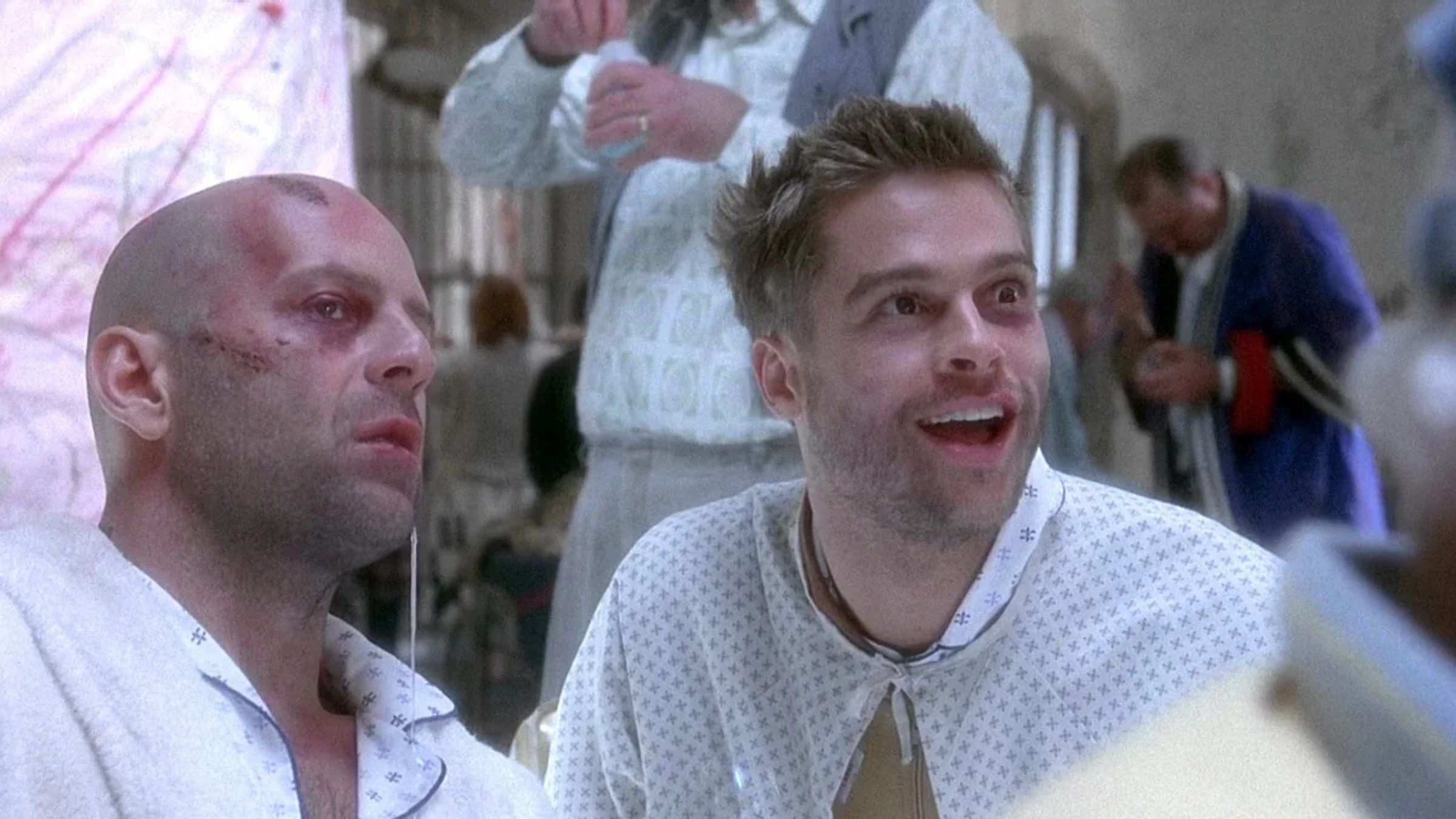
I absolutely love Terry Gilliam’s 12 Monkeys. It really got under my skin when it came out, tapping into all those fears we had about viruses and the environment back in the 90s. The way the story unfolds is so unique – it jumps around in time and messes with your head, making you question what’s real and what isn’t. It follows James Cole, played by Bruce Willis, who’s a prisoner sent back from a ruined future to try and figure out what caused this devastating virus. But his mission quickly turns into a mind trip where you’re never quite sure if he’s seeing the truth or losing his mind. It’s a brilliant, unsettling film.
The character of Jeffrey Goines (played by Brad Pitt), a compelling but unpredictable environmental activist, adds another layer of complexity to the film 12 Monkeys. He hints that the world’s downfall might be caused by random human actions, not a planned attack. With its gritty, industrial look and pessimistic view of disaster, 12 Monkeys created a fresh visual style for post-apocalyptic films, showing a rising doubt that humanity can fix the problems it creates.
3) Terminator 2: Judgment Day
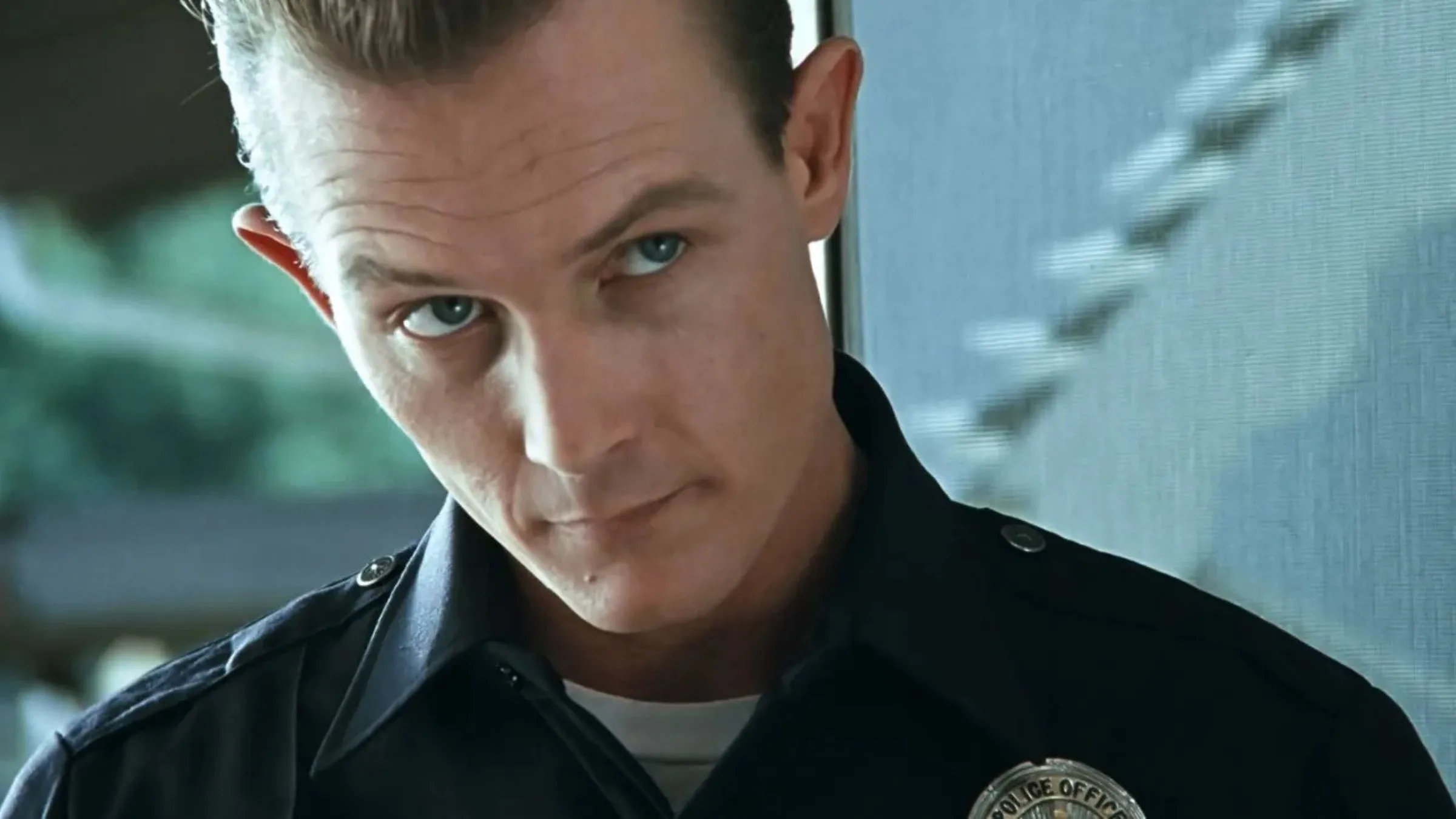
James Cameron’s Terminator 2: Judgment Day transformed the original film’s horror roots into a groundbreaking blockbuster, significantly advancing digital effects technology. The film is remembered for its exploration of Skynet, an artificial intelligence that causes a nuclear war after becoming self-aware. This depiction of how a machine thinks offers a frightening look at a common science fiction theme – the challenge of ensuring an autonomous system’s goals align with human survival.
The film Terminator 2: Judgment Day really pushed the boundaries of special effects with the introduction of the T-1000 (Robert Patrick), a killer made of liquid metal that couldn’t have been created without computer-generated imagery. Beyond the visuals, the movie explored a thought-provoking idea: could a machine like the T-800 (Arnold Schwarzenegger) learn to care about life and protect someone, in this case, John Connor (Edward Furlong)? This question is driven by Sarah Connor (Linda Hamilton), who becomes intensely focused on survival, showing the emotional impact of constantly preparing for a future where technology might destroy humanity.
2) Jurassic Park
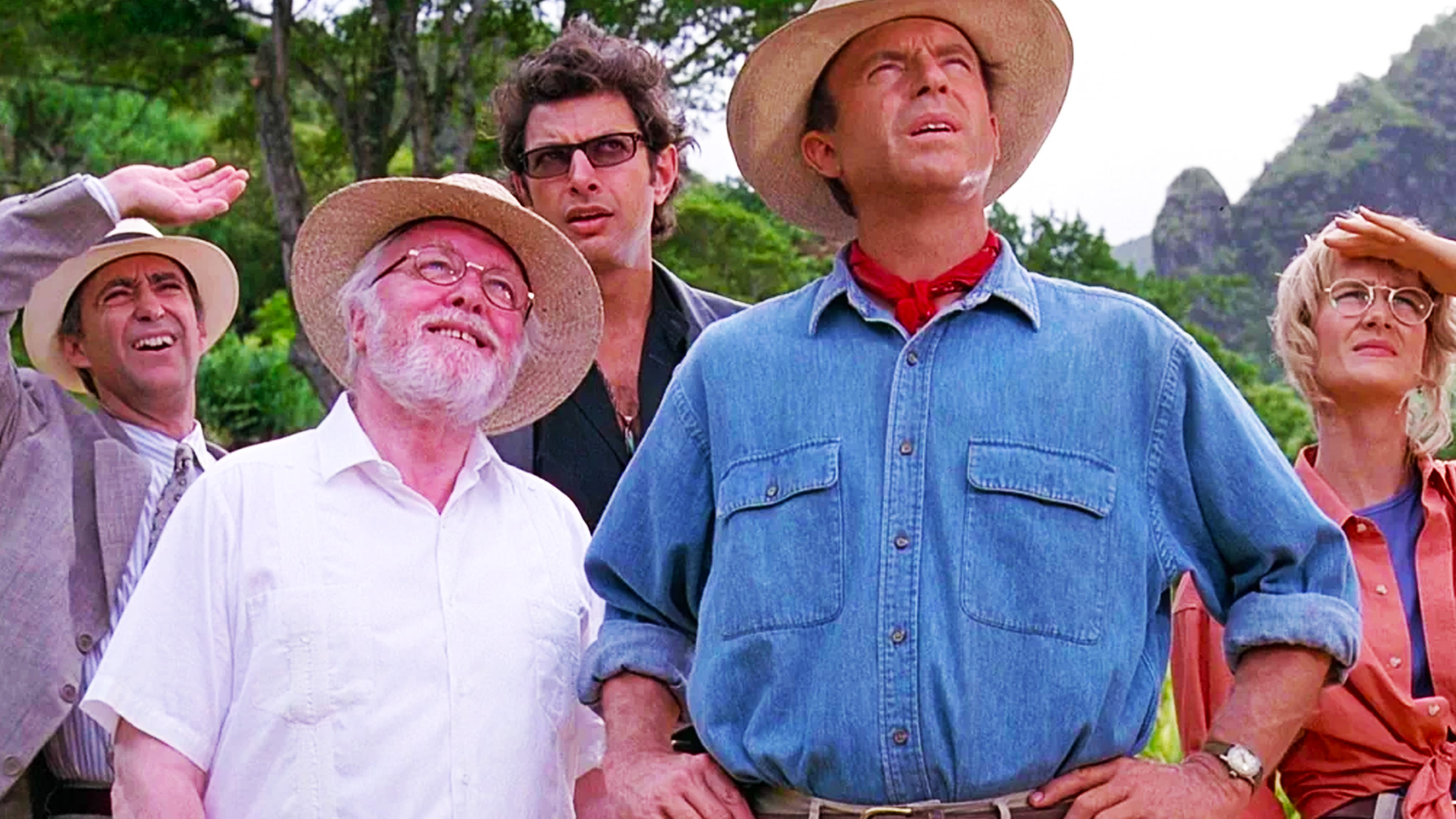
Jurassic Park is a landmark film, widely remembered as the point when computer-generated imagery truly looked real to most viewers. Directed by Steven Spielberg, the movie uses the idea of bringing extinct animals back to life to examine human arrogance and the inherent unpredictability of nature.
Although Jurassic Park is famous for bringing dinosaurs to life, the film’s enduring power comes from the conflict between John Hammond’s hopeful view of science and the cautious warnings of Alan Grant and Ian Malcolm. This disagreement transforms the park into a dramatic example of chaos theory, demonstrating that life can’t be fully controlled by rules or technology. While the Jurassic Park series continues to be successful, the original 1993 film is still considered the best, effectively combining excitement with a frightening message: unchecked progress can lead to catastrophe.
1) The Matrix
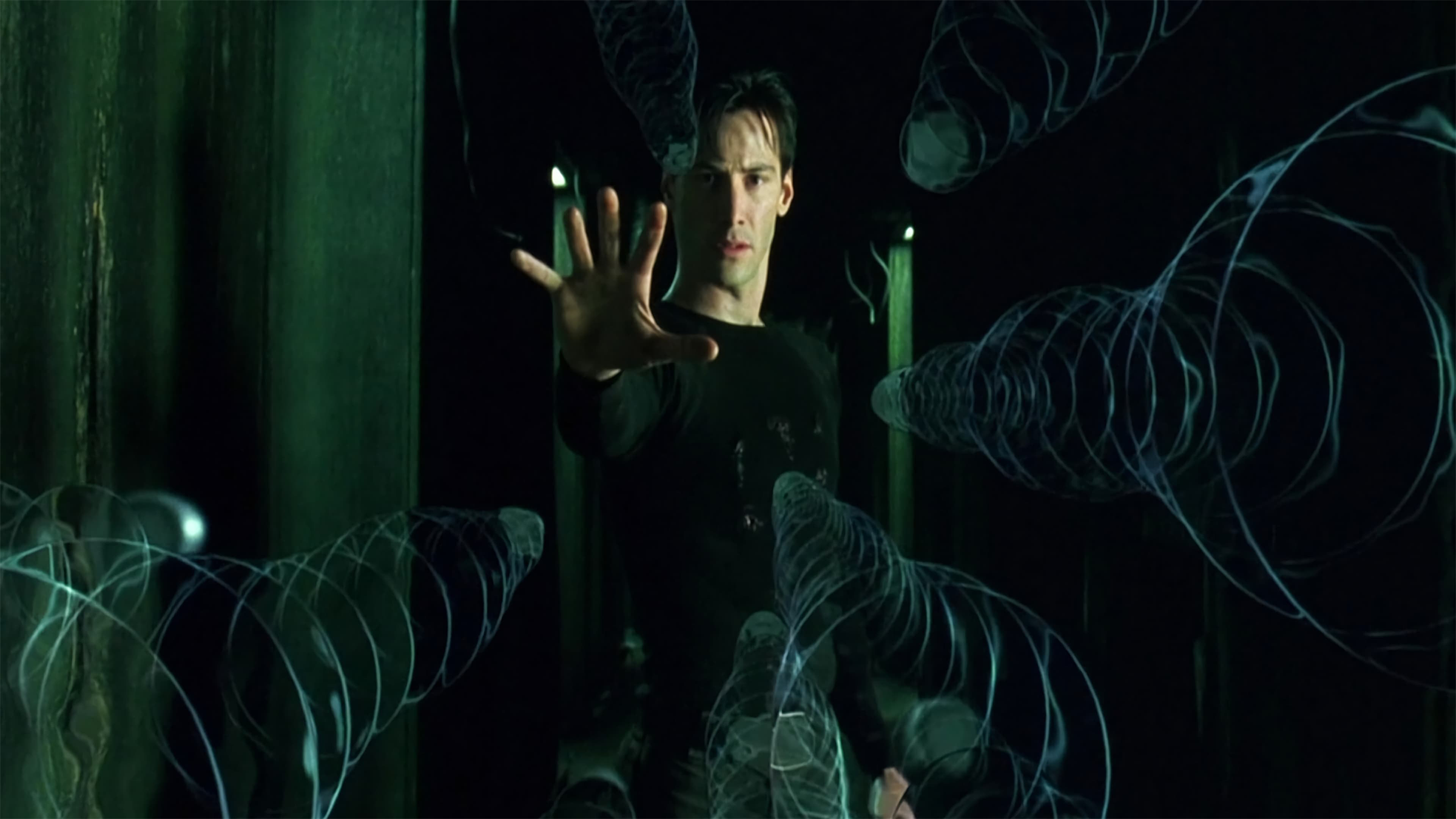
Released at the close of the 1990s, The Matrix perfectly captures the spirit of the decade’s science fiction. The film blends ideas about computer simulations, the indifference of large corporations, and the quest to find out who you really are. The story centers on Neo, played by Keanu Reeves, who learns that the world he knows is actually a computer program designed to control people while machines use their bodies for energy. With the help of Morpheus (Laurence Fishburne) and Trinity (Carrie-Anne Moss), Neo’s journey is a powerful metaphor for the early days of the internet, when the line between real life and the digital world was becoming increasingly blurred.
While The Matrix is famous for its groundbreaking visual effects and action sequences, its deeper impact comes from its thought-provoking ideas. The film explores philosophical concepts inspired by ancient beliefs, questioning how much control we truly have. Because of this, The Matrix seemed to predict our modern reliance on technology and remains one of the most important science fiction films ever made.
What 1990s sci-fi movie do you think did the best job of forecasting today’s tech problems? Share your thoughts in the comments and join the discussion in the ComicBook Forum!
https://comicbook.com/movies/list/7-best-sci-fi-horror-movies-ranked/embed/#
Read More
- Trails in the Sky 2nd Chapter launches September 17
- After AI Controversy, Major Crunchyroll Anime Unveils Exciting Update
- PRAGMATA ‘Eight’ trailer
- Adam Levine Looks So Different After Shaving His Beard Off
- Dragon Quest Smash/Grow launches April 21
- How Could We Forget About SOL Shogunate, the PS5 Action RPG About Samurai on the Moon?
- Xbox Game Pass Users “Blown Away” by New Exclusive Game
- Why is Tech Jacket gender-swapped in Invincible season 4 and who voices her?
- Hulu Just Added One of the Most Quotable Movies Ever Made (But It’s Sequel Is Impossible To Stream)
- Prime Monster launches May 4
2026-02-16 22:14