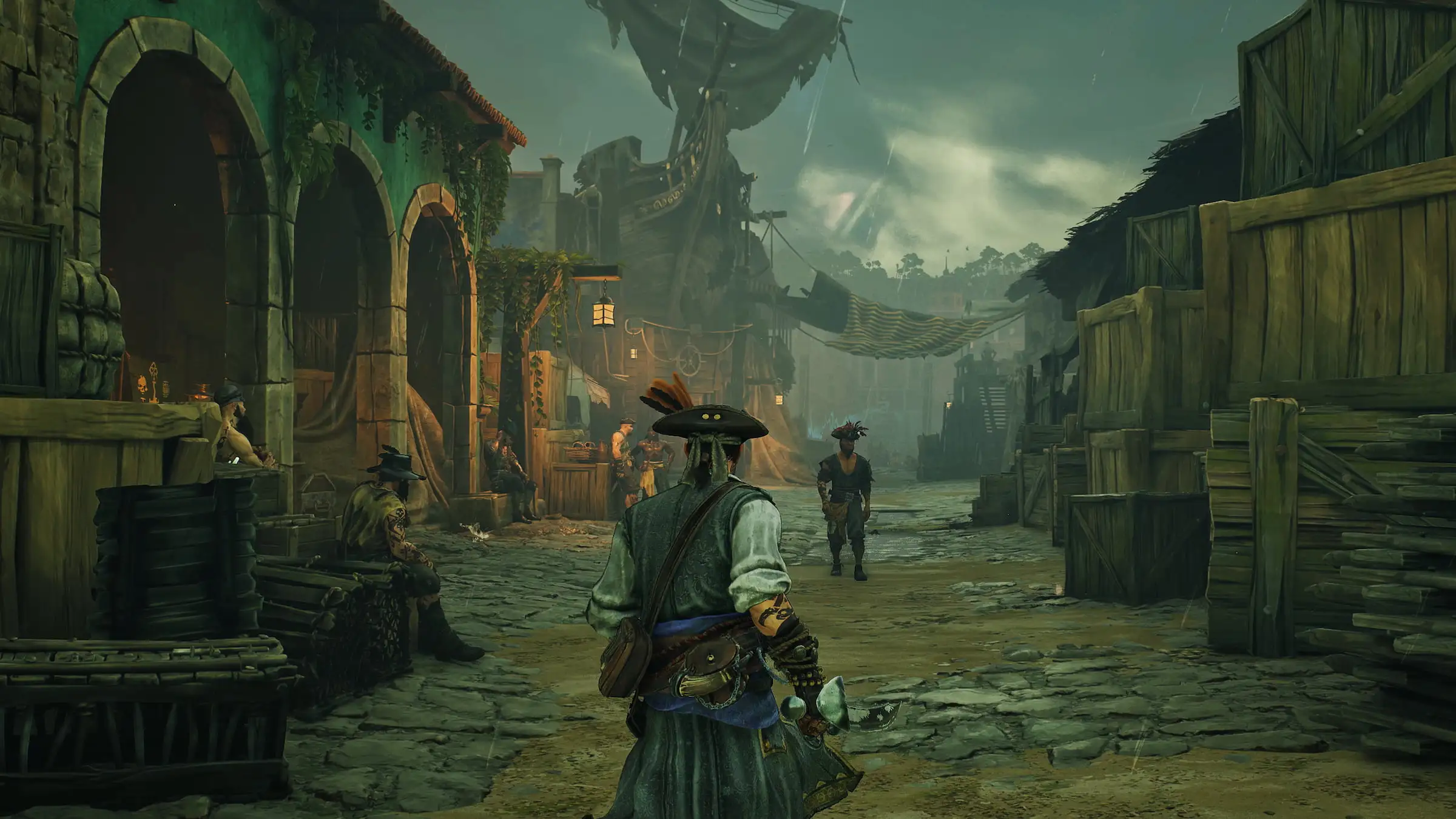
Most survival games follow a familiar pattern: you start with nothing, gather resources, build a base, and gradually establish a safe life. This formula is popular because it’s effective. Role-playing games (RPGs), on the other hand, are all about character development and becoming more powerful. When you combine these two types of games, the result can be either overly complicated or surprisingly rich and engaging.
Windrose is a pirate RPG that strongly emphasizes both survival and character development. The game consistently features crafting, resource gathering, and building a base, alongside traditional RPG elements like skill trees, varied equipment, and engaging combat. After trying out a preview version, it’s clear that Windrose successfully blends these two aspects, creating a pirate adventure focused on both exploring the open sea and surviving on a deserted island.
A Survival RPG That Refuses to Compromise
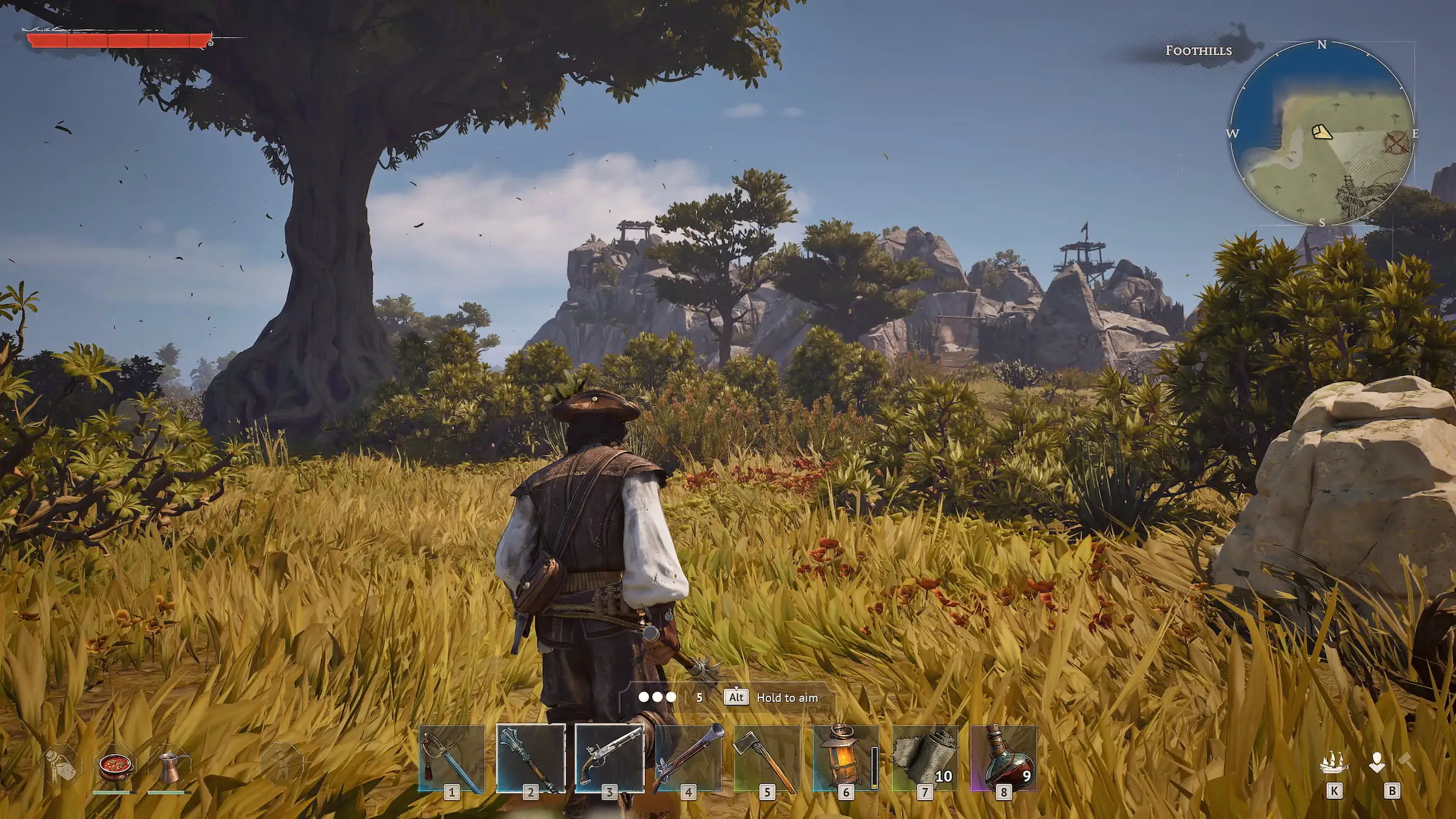
Windrose seamlessly blends survival and RPG elements, rather than keeping them separate. Players are consistently involved in both crafting and character development, creating a strong connection between the two. From the start, you’ll be collecting resources, building tools, and improving your base – much like in other survival games. Better tools lead to better resources, which then unlock more advanced crafting and gear. While the core structure is familiar to fans of the genre, it’s presented in a polished and well-paced way.
Windrose adds a deep RPG system that lets you develop your pirate captain over the course of the game. You’ll earn experience by exploring and finishing quests, allowing you to level up and unlock powerful abilities through a robust talent system. These improvements aren’t just small stat boosts – they genuinely make your captain stronger. Plus, key stats play a big role in how powerful your character becomes.
As a player, I really appreciate how investing in stats like Mastery directly improves my hit chance. What’s even better is the talent system – there are so many options that it actually feels like you can build a unique character, which is rare in survival games. And the different levels of gear rarity make finding loot feel meaningful, like it’s more than just stuff to make other stuff with. It all adds up to making my character feel like they’re actually growing stronger through deliberate choices, not just random luck.
The game’s survival and RPG elements are closely connected – you need both to succeed. Improving your base helps you level up, and becoming more powerful makes exploration and fighting easier. This creates a satisfying cycle where building your base and developing your character feel equally important. Windrose isn’t trying to simplify anything to attract more players; it’s specifically designed for those who enjoy both base-building and character progression, which is refreshing and uncommon in this type of game.
PVE Combat With Depth and Risk
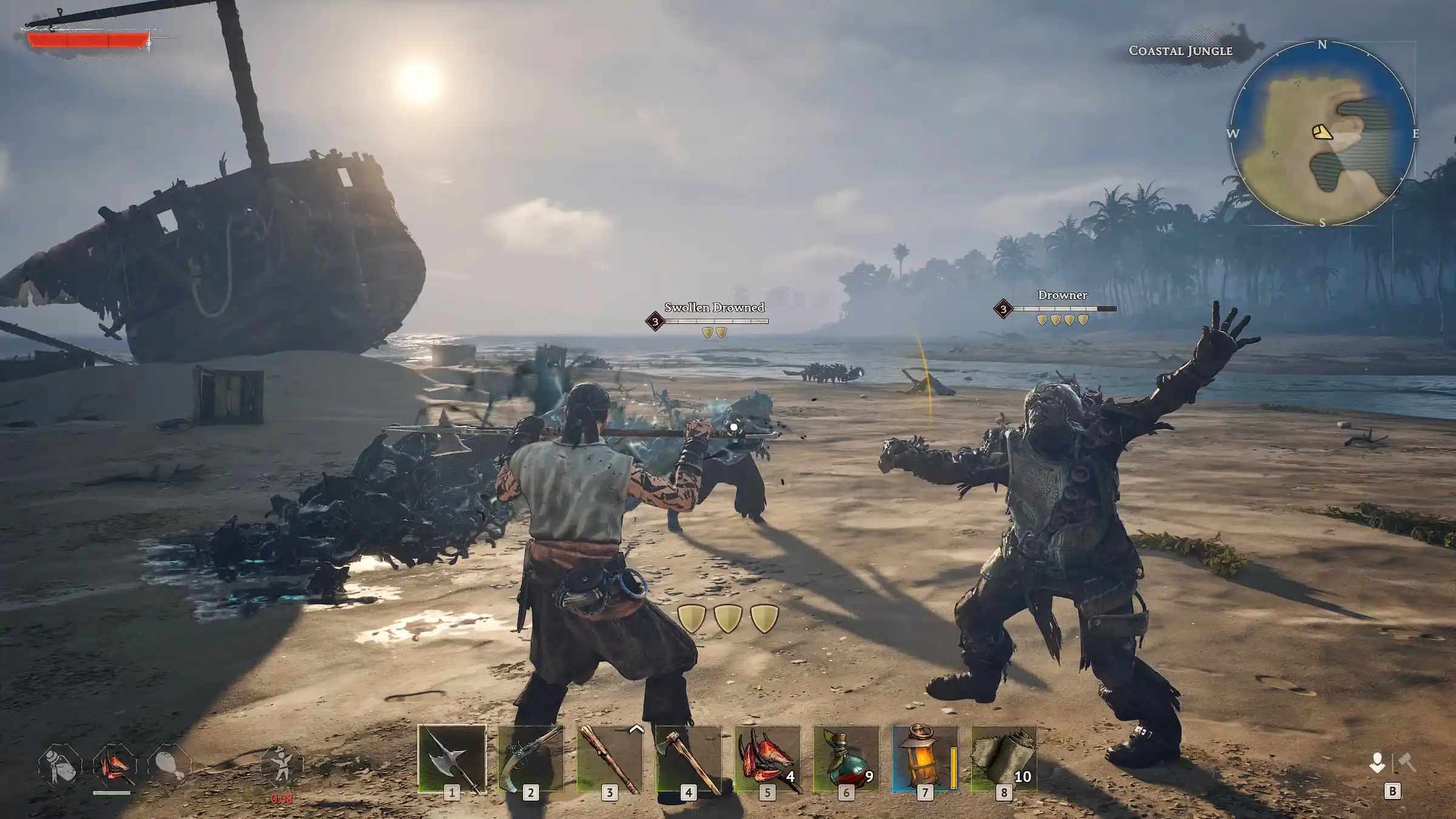
Many survival games today focus on player-versus-player combat, but Windrose is different. It centers on fighting creatures and pirates, with battles that require more skill than you might expect. The combat system is built around health and a unique guard system, which acts like a second stamina bar. Breaking an enemy’s guard leaves them open to attack, and the same is true for you – making every fight a challenging and fair test of skill.
Blocking attacks is a key part of defense, but it uses up your stamina. If your stamina bar empties, you’ll be vulnerable. However, if you block just before an attack hits, you’ll parry, quickly draining the enemy’s stamina instead. Successfully parrying is a great way to turn the fight in your favor, rewarding careful timing and accuracy. It’s especially useful against enemies who attack with combos, and landing multiple parries creates big openings for counterattacks. While it might seem easy at first, mastering the guard and parry system becomes crucial as you face stronger opponents.
Besides blocking, you can dodge attacks, but doing so uses stamina – a resource also drained by running and attacking. Running out of stamina at the wrong time can be fatal, especially early in the game. It’s easy to make mistakes, and a chain of poor decisions with your stamina or overaggressive fighting can quickly lead to defeat, similar to games made by FromSoftware. This detailed stamina system is a bit different for a survival RPG, where most games focus more on building and exploring than fighting. However, Windrose intentionally made combat mechanically complex to create tension and make each fight feel important.
Crafting, Progression, and the Survival Loop
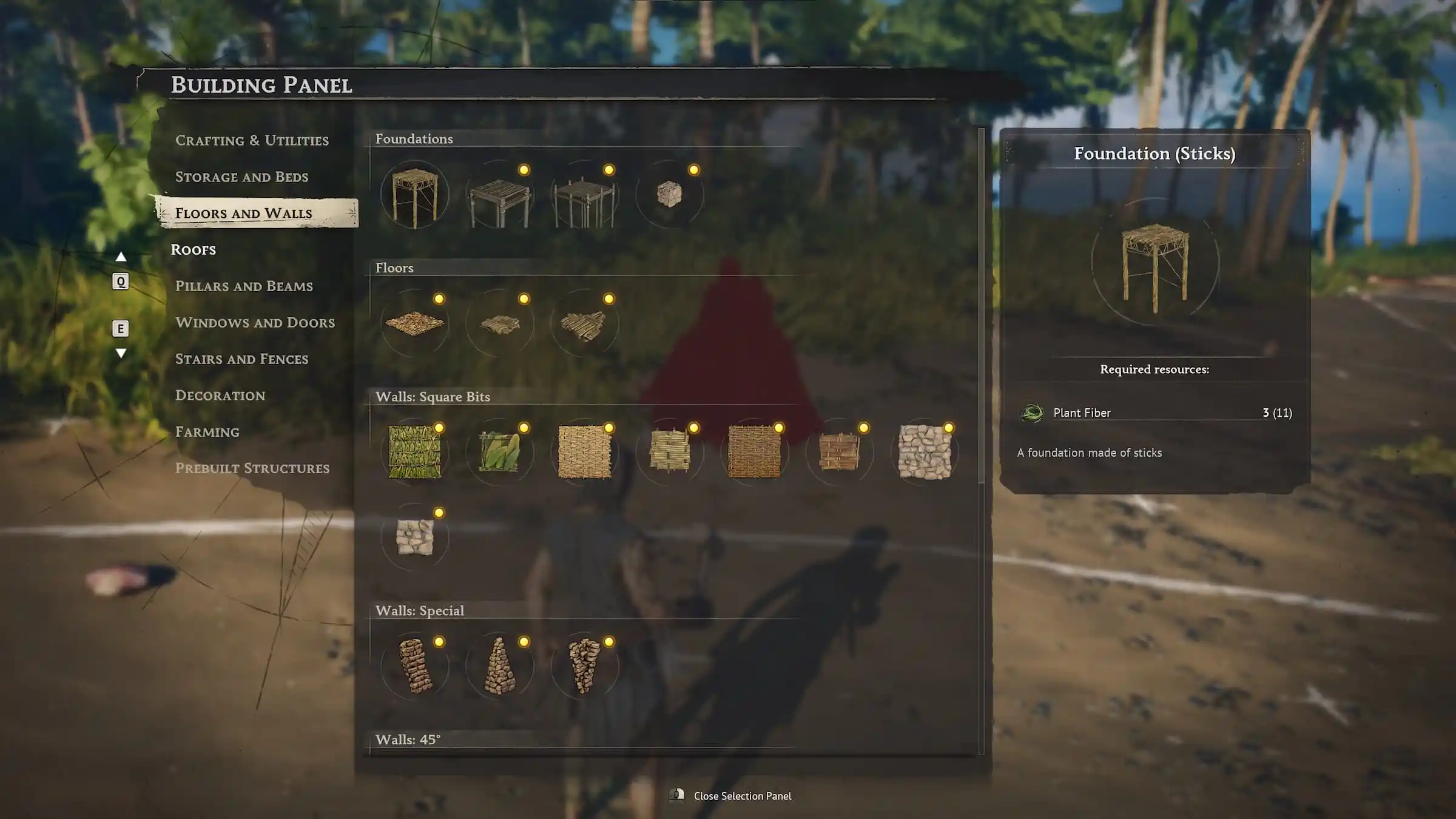
Okay, so in Windrose, the way you survive is pretty classic, but it feels good. You start with basically nothing, and slowly get better by collecting stuff and learning how to craft new things. You build workshops to turn raw materials into more useful components, and that lets you make better gear and buildings. What’s cool is that each time you upgrade your stuff, it actually opens up new areas to explore and new resources to gather. It’s a constant feeling of getting stronger and actually seeing the progress, which is really satisfying.
Basic tools like pickaxes and axes aren’t just for show – they’re crucial for making progress in the game. Better tools let you gather resources that would otherwise be unavailable or hard to get, encouraging you to craft and improve them. You can also find useful items by defeating enemies, sometimes even rare or valuable ones that help you advance faster. The way items have different levels of rarity makes progression feel more complex and rewarding, rather than simply following a straight path.
This cycle of improvement is boosted by your character’s skills. Developing the right abilities makes you more efficient in combat and better equipped to handle challenges, turning previously difficult survival tasks into manageable ones. As your character gets stronger, areas that once felt dangerous become easier to navigate, encouraging you to explore further – just like in a typical RPG. This design connects everything together, so improvements in one area always benefit your overall survival and ability to progress.
Sailing the Open Seas and Exploring the Unknown
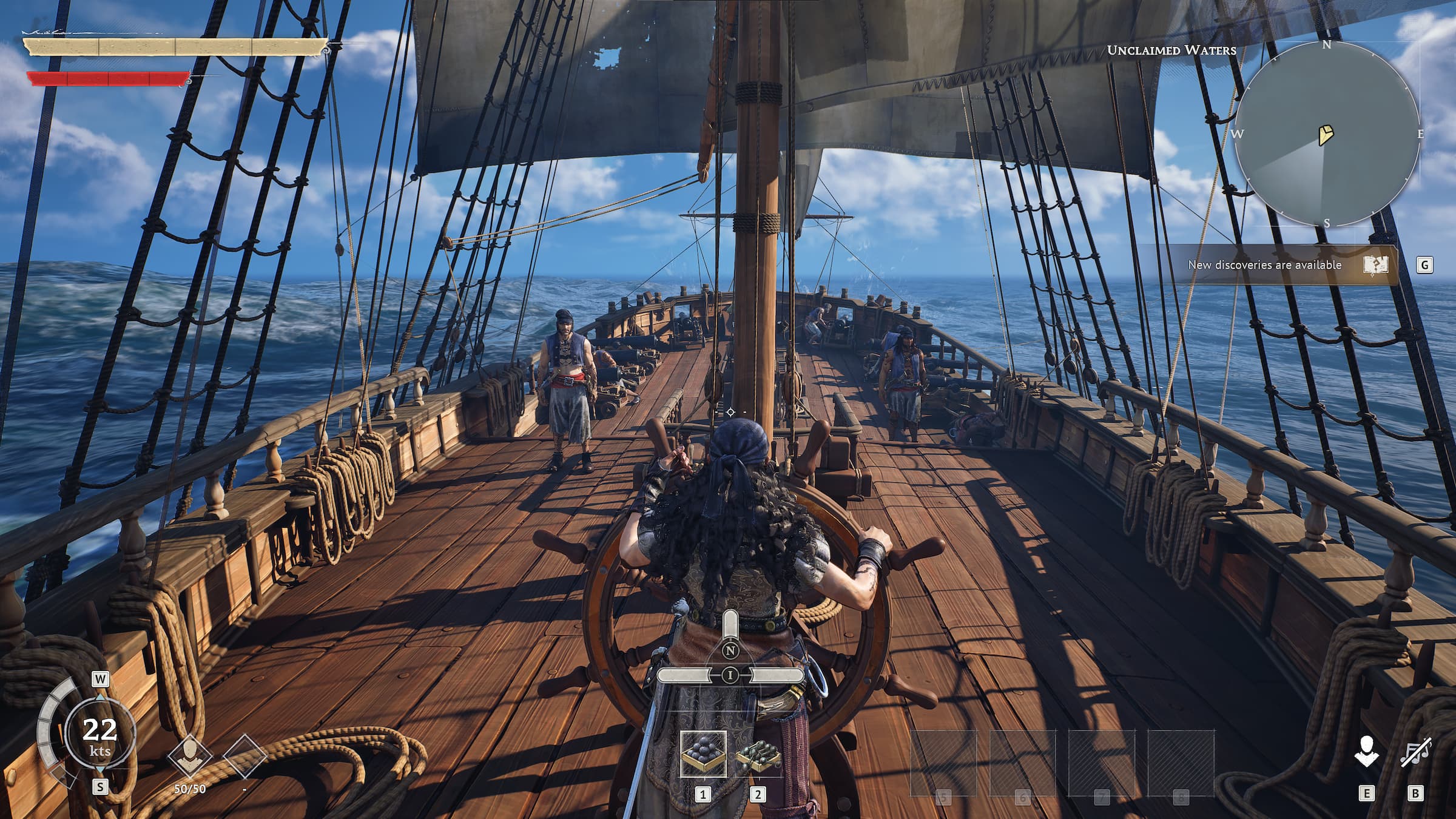
Windrose truly stands out when it comes to exploring the sea. Unlike other games, you don’t start with a ship, which emphasizes how exposed you are at the beginning. Instead, by progressing through the main story, you quickly gain access to a simple boat that you can call upon whenever you need it. This early access significantly broadens the game, turning it from a struggle to survive on islands to an exciting ocean adventure. Sailing isn’t just a fun addition – it’s the core of how you explore, and the ocean feels like an integral part of the world, connecting everything together.
The game takes place in a world made up of islands scattered across a large ocean. Getting from island to island can take a while, particularly when you first start, so you’ll need to carefully plan your trips. Before you set sail, think about what supplies you’ll need, potential dangers, and where you’re going. Each island has interesting places to find, shown as question marks on the map – they give you a little help without revealing everything. While some games might make these markers annoying, they’re useful here because the world is so big. Plus, the world is created differently each time you play, so every adventure feels fresh and unique.
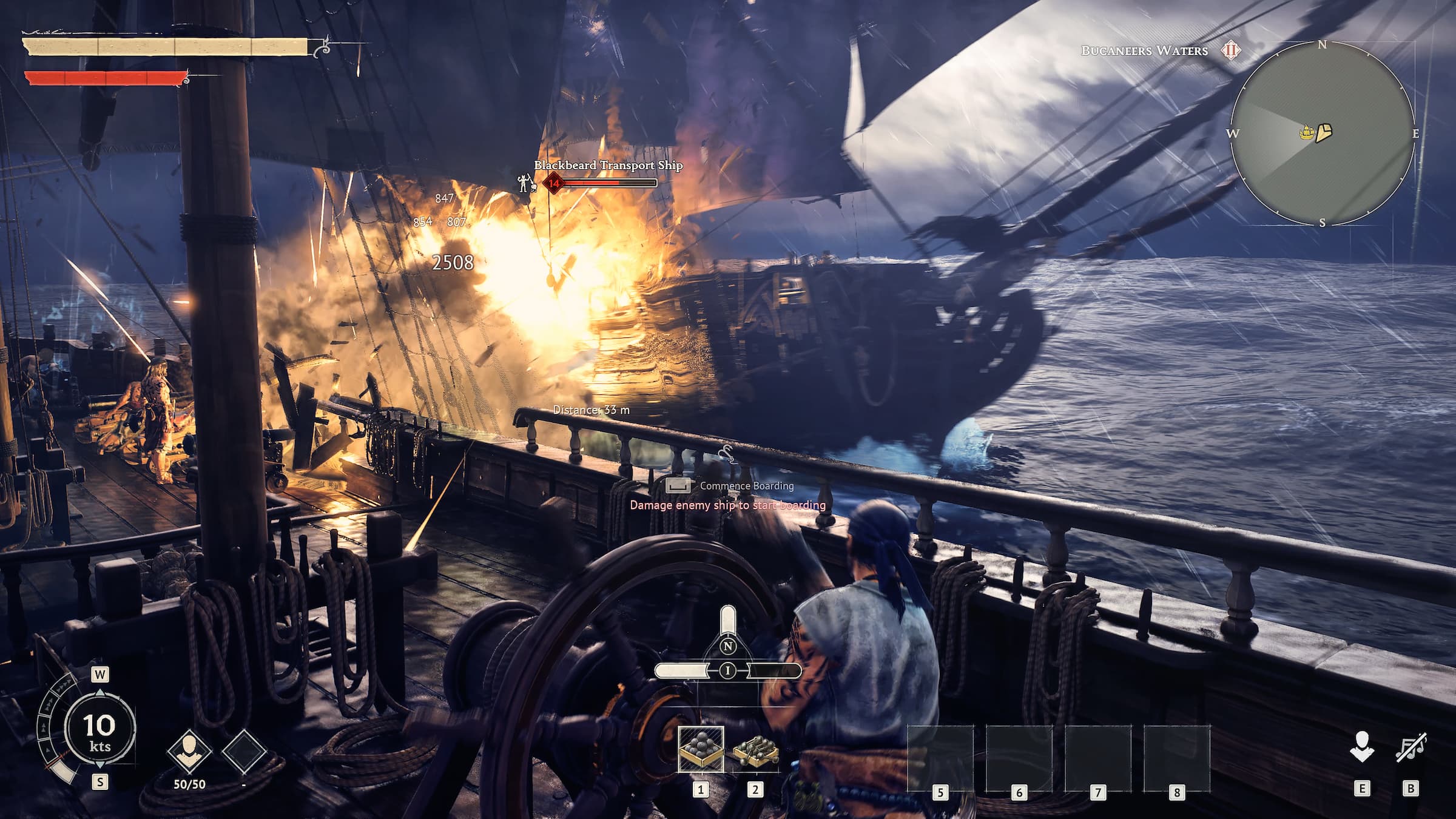
The way islands and resources are arranged keeps each journey feeling fresh and unpredictable. Some islands might be packed with valuable materials but guarded by dangerous pirates both at sea and on shore, while others are easier to explore but offer smaller rewards. This constant sailing between islands really captures the spirit of being a pirate, something few survival games manage to do. Instead of just building outwards from one base, you’re mapping routes across a dynamic ocean. This unique structure and scale are what truly set Windrose apart from other games in the genre.
Okay, so one of the best things about Windrose – especially for a survival game – is how easy it is to actually use your ship. Seriously, they want you sailing all the time, and they don’t make it a pain to do so. A lot of survival games make their cool features, like sailing, super grindy to access, but Windrose doesn’t do that. They really lean into the pirate fantasy of just being out on the sea, and that’s awesome.
From Shipwrecked Captain to Pirate Commander
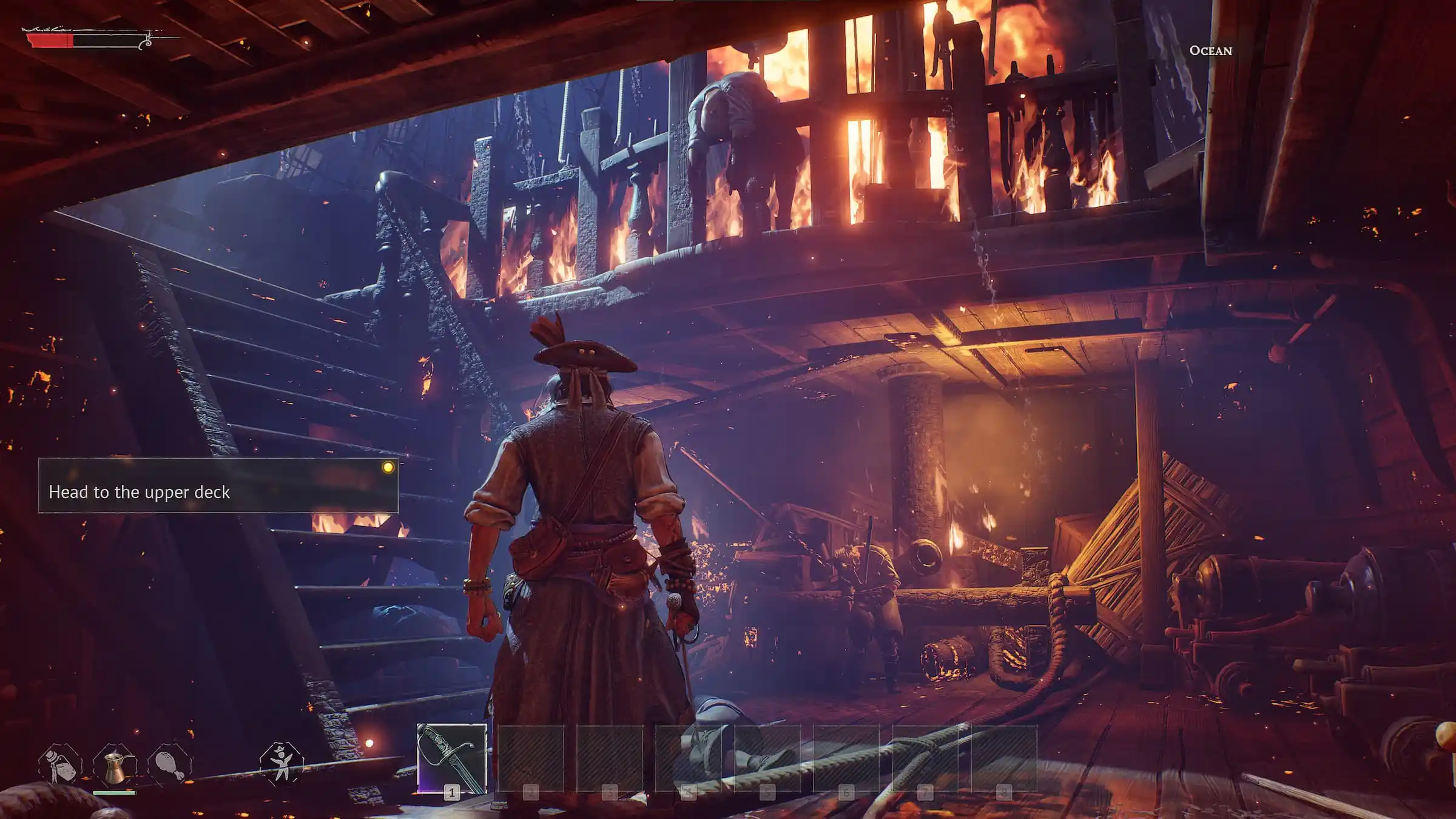
Windrose starts with a compelling setup: you play as a well-known pirate captain who is unexpectedly defeated by Blackbeard and his crew. Stranded and alone on a mysterious island after the ambush, you must rely on your determination to live. This beginning not only kicks off the story but also cleverly resets your progress, forcing you to start over and rebuild your strength. It gives you a strong reason to play without limiting the freedom to explore and create your own path.
As you play, features like assigning workers help you feel like you’re truly rebuilding your power. You can have workers manage tasks at your base and crew members help on your ship, which reduces tedious tasks and lets you focus on leading. This change from doing everything yourself to commanding a team reflects your growing influence. It’s a clever way to show progress that goes beyond just numbers. Plus, Windrose supports cooperative play, letting up to four players work together to achieve greatness and sail the seas as a crew.
The game’s straightforward story keeps the focus on playing. Building structures and taking over islands genuinely feels like you’re rebuilding your good name. Windrose doesn’t overwhelm you with lengthy explanations; instead, the game’s mechanics naturally reveal your journey to power. From what we’ve played, the game clearly understands what players want from a pirate adventure, and its gameplay is designed to deliver that experience in an accessible way.
If the developers keep up the good work with the upcoming release of Windrose, it has the potential to become a truly exceptional survival RPG set on the ocean. There aren’t many games quite like it, so hopefully it continues to develop well and stays on track.
What do you think? Leave a comment below and join the conversation now in the ComicBook Forum!
Read More
- Trails in the Sky 2nd Chapter launches September 17
- Paradox codes (April 2026): Full list of codes and how to redeem them
- Pragmata Shows Off Even More Gorgeous RTX Path Tracing Ahead of Launch
- PRAGMATA ‘Eight’ trailer
- Crimson Desert’s Momentum Continues With 10 Incredible New Changes
- After AI Controversy, Major Crunchyroll Anime Unveils Exciting Update
- Dragon Quest Smash/Grow launches April 21
- How Could We Forget About SOL Shogunate, the PS5 Action RPG About Samurai on the Moon?
- Xbox Game Pass Users “Blown Away” by New Exclusive Game
- Why is Tech Jacket gender-swapped in Invincible season 4 and who voices her?
2026-02-17 20:13