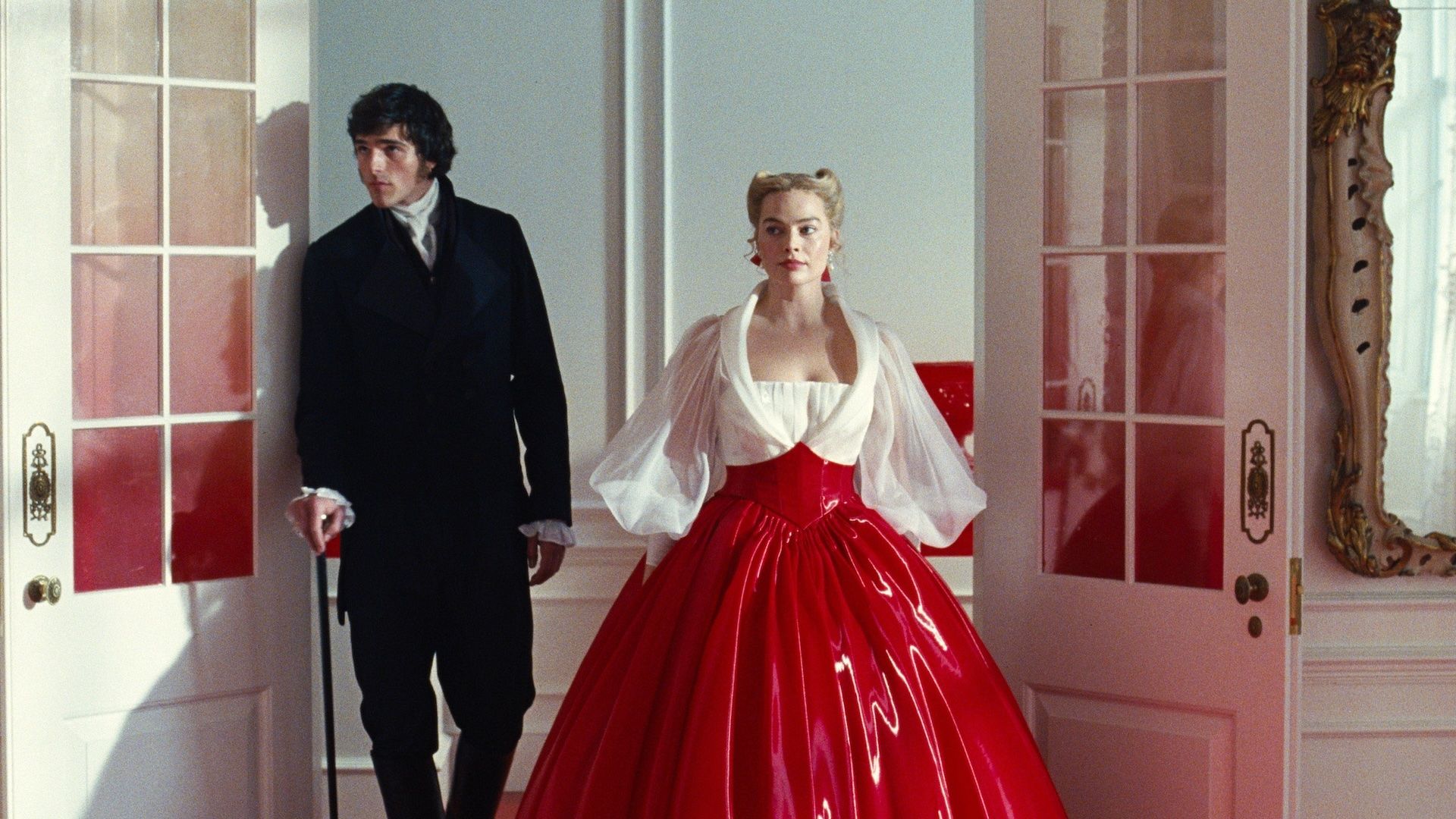
Warning: This article contains SPOILERS for Wuthering Heights (2026).
Emerald Fennell’s film adaptation of Wuthering Heights takes significant liberties with the original story by Emily Brontë, but its most substantial change fundamentally alters the plot. Brontë’s Wuthering Heights, published in 1847, is a renowned example of Gothic Romantic literature.
This book tells the story of Cathy Earnshaw and Heathcliff, an orphaned boy she grows up with. They share a passionate and turbulent love as children, but societal expectations and their individual ambitions eventually pull them apart. However, their story is just one piece of a much larger narrative within the novel.
I’ve always felt that when Wuthering Heights is adapted for the screen, something crucial gets lost. It’s easy to focus on the passionate, but ultimately destructive, relationship between Heathcliff and Catherine, but for me, the heart of the story really lies with their children – the next generation dealing with the fallout of their parents’ choices. The novel actually starts by showing us an older, established Heathcliff and his complicated family, and then a big chunk of it is told through the eyes of his housekeeper, Nelly Dean, which often overshadows the true core of the story.
Wuthering Heights Changes Cathy’s Death Completely
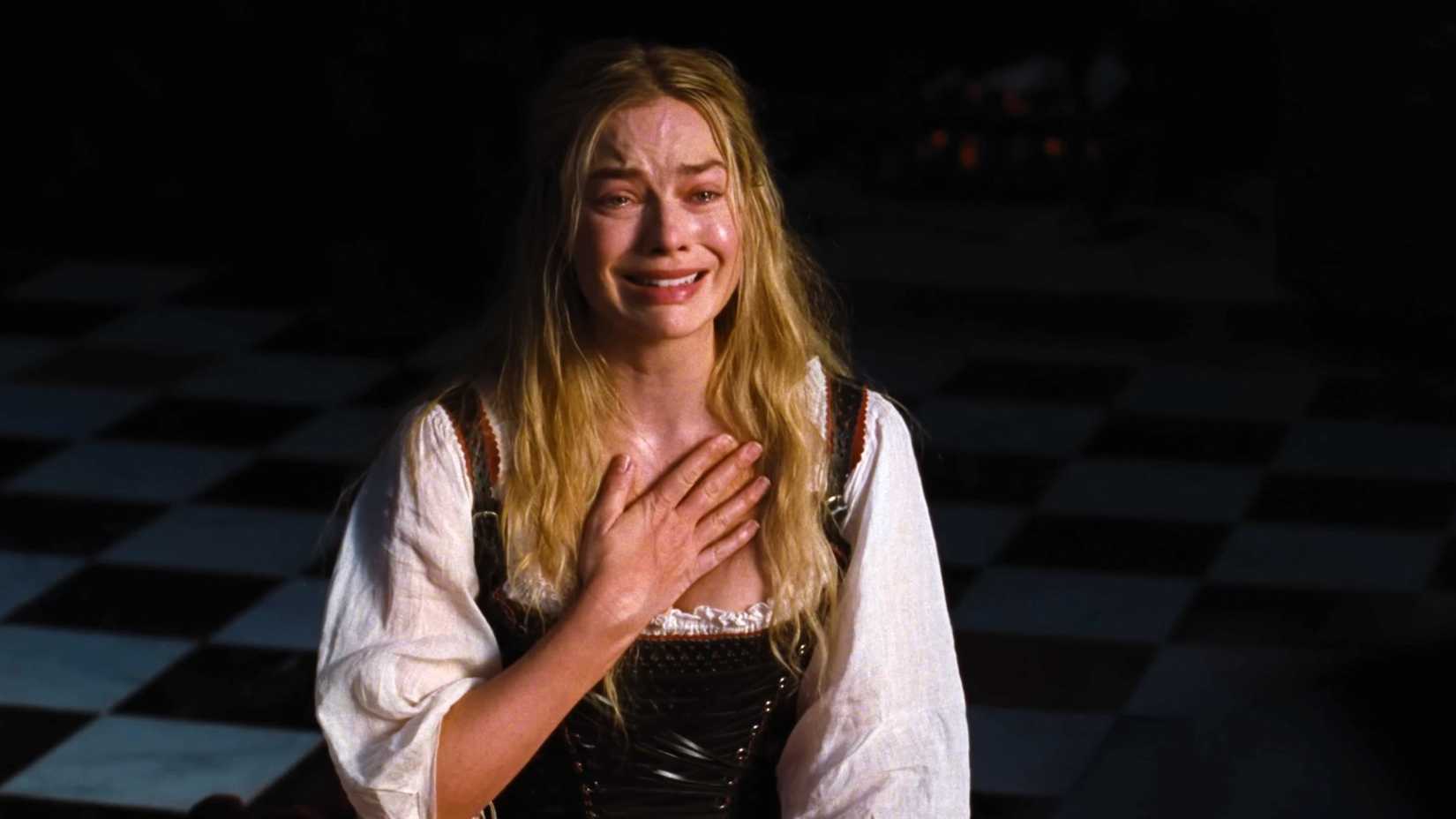
Cathy’s death early in the novel is a crucial turning point in Wuthering Heights. She dies soon after giving birth, while still young, and the rest of the story focuses on the consequences of her passing. Heathcliff is devastated by guilt, and this ultimately destroys the next generation of the family.
The 2026 film adaptation of Wuthering Heights faced some criticism for casting Jacob Elordi as Heathcliff, but that turned out to be a minor issue compared to how much the movie differed from the original book. In the novel, Cathy’s death happens around the halfway point, and the rest of the story focuses on the next generation of the family and their struggles.
Fennel’s film differs from the novel by showing Cathy’s death at the very end and presenting the story without any introductory context. While the book suggests Nelly might be telling the story in a way that favors herself, the film doesn’t emphasize that her account could be biased.
Wuthering Heights Cuts Half Of the Original Novel With This Twist
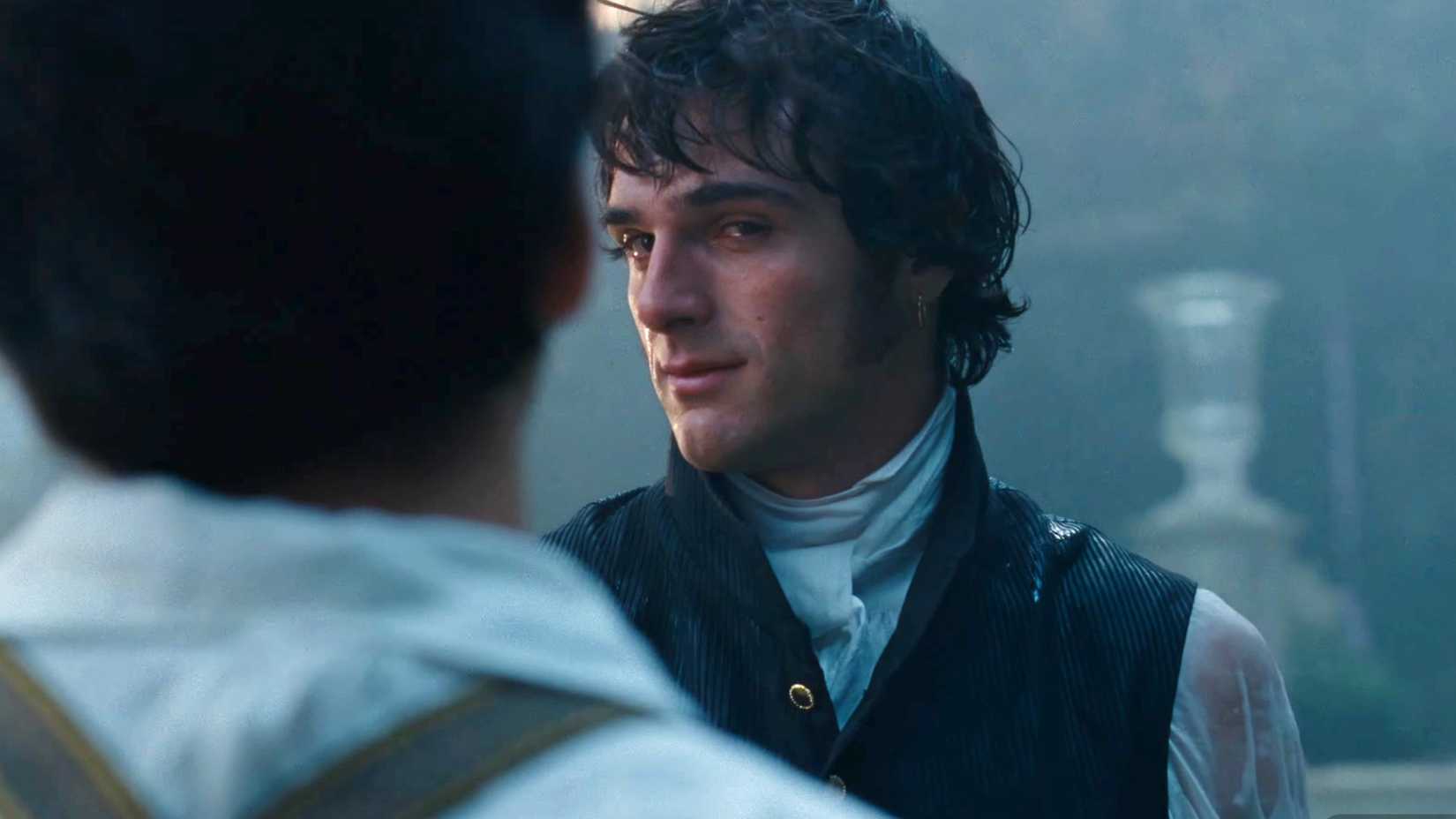
Fennell’s film removes more than half of the original novel’s plot, including the introduction of the story’s narrator, everything that happens after Cathy dies, and the way the story is framed. This significantly changes the overall narrative for several key reasons.
In the film, Nelly and Edgar, played by Hong Chau and Shazad Latif respectively, are clearly presented as the villains. They actively work to keep Heathcliff and Cathy separated, unlike the novel where it’s life’s circumstances that prevent their relationship as adults.
Changing Nelly and Linton into villains could have been a clever twist on the original Wuthering Heights story, but cutting the second half of the book weakens this idea and makes the film harder to follow. The movie focuses on a simple story of lovers kept apart, while the novel is a much more complicated, painful, and layered tragedy.
Nelly often describes Heathcliff as troubled, risky, and aggressive, but it’s possible her understanding of the story’s tragic outcome colors her account. Given that she knows how harsh and distant Heathcliff eventually becomes, it’s understandable she’d focus on his negative traits.
The 2026 film version of Wuthering Heights simplifies the story by removing Nelly as an older narrator, making everything shown on screen seem straightforward and believable. Surprisingly, despite discussions about the film’s potentially troubling love story, Heathcliff is portrayed as less of a villain compared to how he’s depicted in the original book.
The Biggest Twist In Wuthering Heights Makes Its Other Changes Worse

Unlike the character in the book, Elordi’s portrayal doesn’t include harming his new wife’s pet. The series also makes it clear that his relationship with Isabella Linton is consensual, and minimizes any suggestion that he might be violent at home – almost completely removing that aspect of the character.
Because this film version of Wuthering Heights doesn’t present the story as a tale told by a character within the story, its changes feel harder to justify. If the movie had kept that framing device and maintained Nelly’s role as the narrator, it could have explained away the more controversial changes by suggesting that Nelly’s viewpoint shaped how the story was retold.
Fennell’s adaptation of Wuthering Heights presents a muddled and unclear love story, removing the crucial social issues that make the original so powerful. The divide in social class between Cathy and Heathcliff is what initially keeps them apart, and Cathy’s loss fuels Heathcliff’s transformation into the cruel and violent character he becomes.
Emerald Fennell’s new film, like her previous work Saltburn, simplifies a classic story. Just as Saltburn removed key details from The Talented Mr. Ripley to make the villain less nuanced, this version of Wuthering Heights reduces the conflict to trivial disagreements between Cathy and Heathcliff. Ultimately, these changes weaken the impact of the story.
Read More
- Trails in the Sky 2nd Chapter launches September 17
- Paradox codes (April 2026): Full list of codes and how to redeem them
- Pragmata Shows Off Even More Gorgeous RTX Path Tracing Ahead of Launch
- Crimson Desert’s Momentum Continues With 10 Incredible New Changes
- PRAGMATA ‘Eight’ trailer
- Dragon Quest Smash/Grow launches April 21
- Hulu Just Added One of the Most Quotable Movies Ever Made (But It’s Sequel Is Impossible To Stream)
- After AI Controversy, Major Crunchyroll Anime Unveils Exciting Update
- How Could We Forget About SOL Shogunate, the PS5 Action RPG About Samurai on the Moon?
- Xbox Game Pass Users “Blown Away” by New Exclusive Game
2026-02-17 20:49