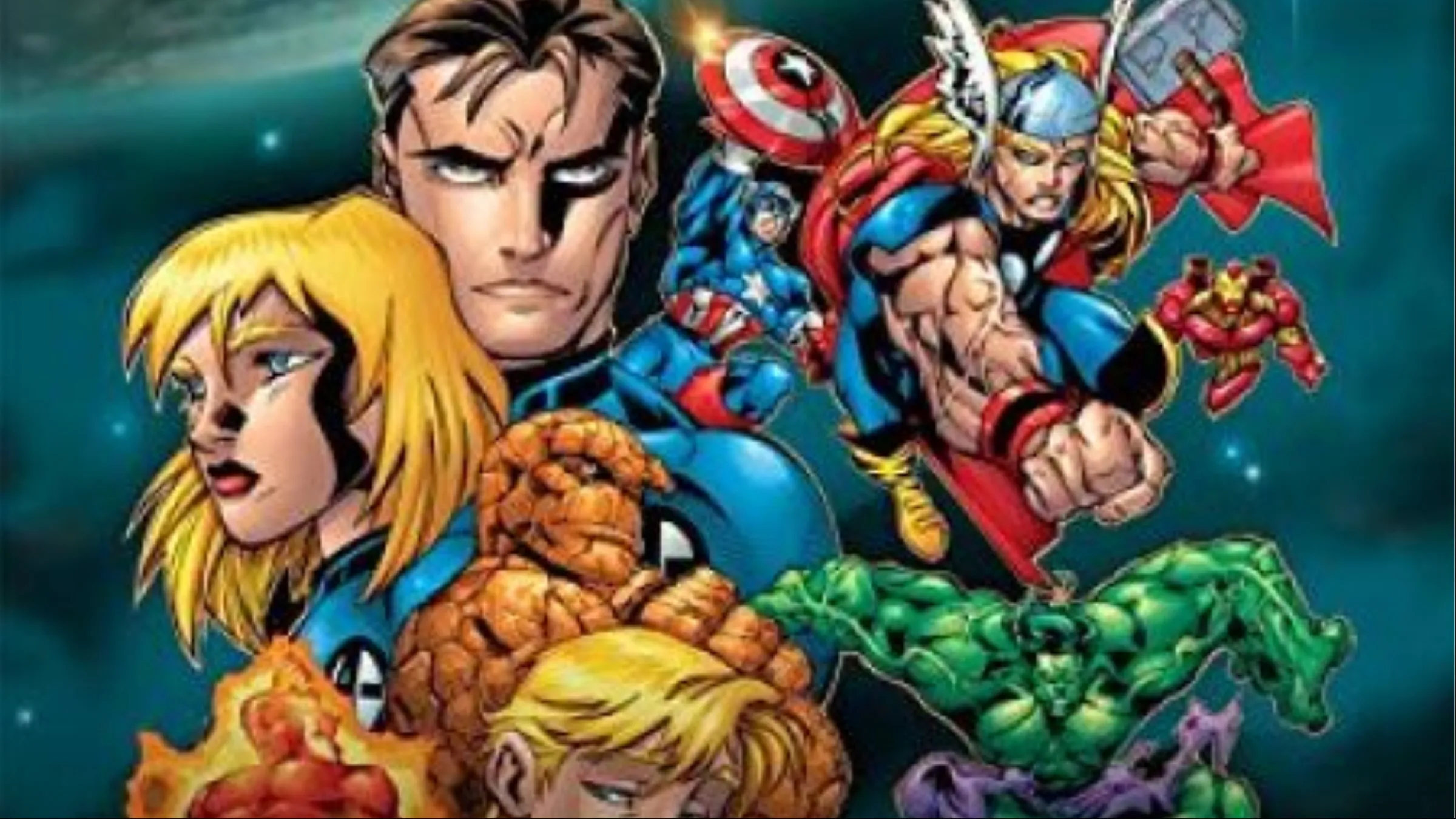
The 1990s were a period of both incredible success and near-collapse for Marvel Comics. Building on the strong foundation of popular titles from the 1980s and a roster of talented artists, Marvel started the decade strong, with initial issues of Spider-Man, X-Force, and the new X-Men series selling huge numbers. However, the rapid increase in collectible comic buying eventually slowed down in the mid-90s, and Marvel struggled to maintain sales. This led to a risky and ultimately unsuccessful attempt to revitalize their key titles with a year-long project called “Heroes Reborn,” handing over the Avengers, Captain America, Iron Man, and the Fantastic Four to prominent creators Jim Lee and Rob Liefeld.
The “Heroes Reborn” reboot is widely considered a failure, leading to the termination of contracts with creators Lee and Liefeld (Liefeld’s after only six months). The story shifted heroes to an alternate universe and ultimately needed to bring them back, resulting in the follow-up series, Heroes Reborn: The Return, written by Peter David and illustrated by Salvador Larocca. This continuation faced a significant challenge due to the intense dislike for the original “Heroes Reborn.” However, surprisingly, Heroes Reborn: The Return is a fantastic story, making the difficult experience of reading “Heroes Reborn” worthwhile. It’s a hidden masterpiece and a prime example of a well-executed comic event.
Heroes Reborn: The Return Is Better Than It Has Any Right to Be
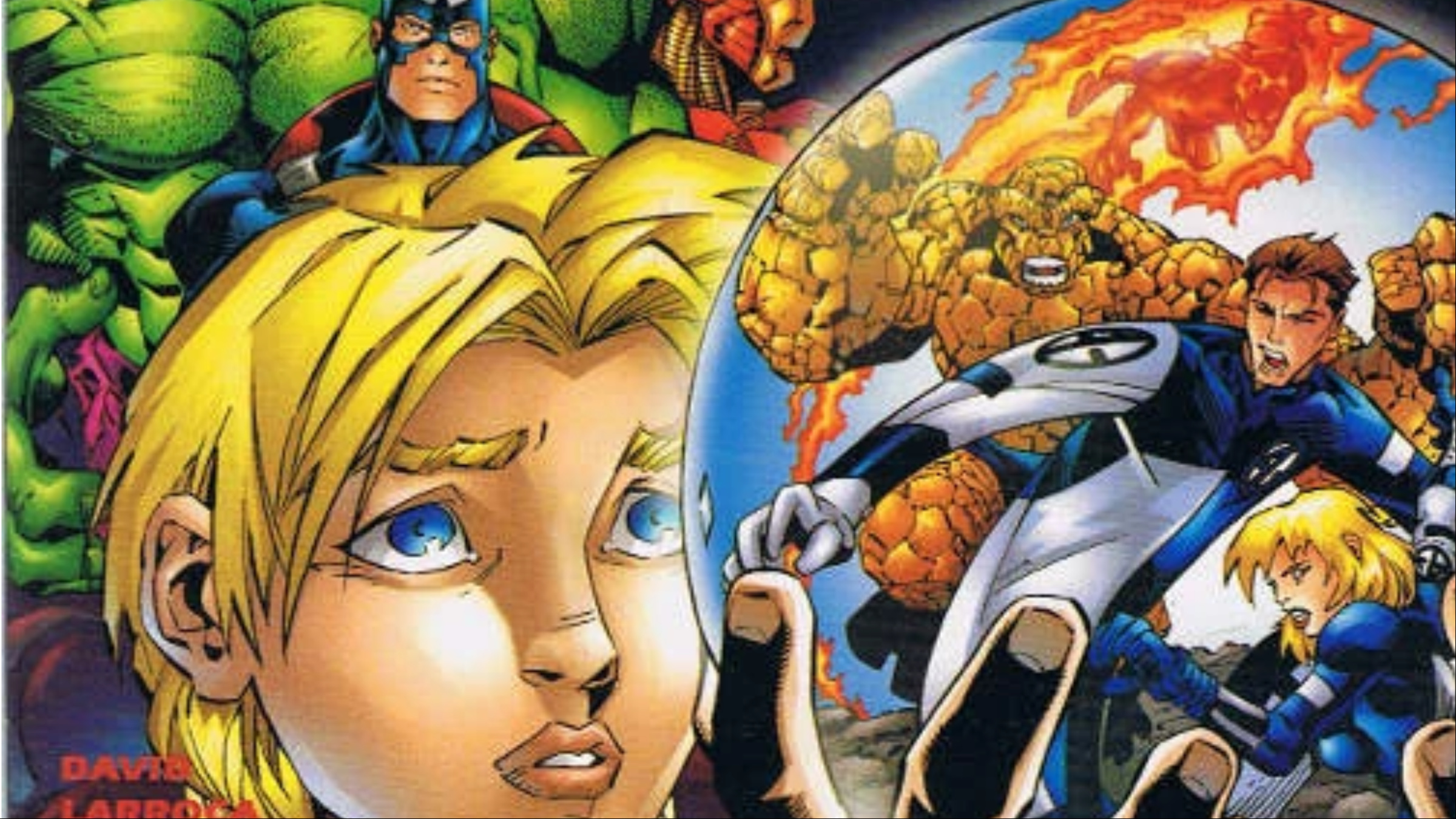
“Heroes Reborn” wasn’t successful due to a number of issues. While Lee and Liefeld tried to update the characters, they didn’t offer anything truly fresh or compelling. Creating a separate universe for them didn’t add value, and the four 13-issue series failed to resonate with most readers. At the time, fans were hoping for stronger storylines featuring the Avengers and Fantastic Four heroes, but “Heroes Reborn” didn’t deliver. As a result, Heroes Reborn: The Return faced a significant challenge to succeed.
In the story, the Celestials learn that Franklin Richards created a new universe for both groups of heroes after they seemingly died during the “Onslaught” event. They tell Franklin he must choose which universe will continue to exist and accompany them, leaving the other behind. Franklin refuses and retreats into his created universe to warn its inhabitants about the impending decision. The story then alternates between the two universes: the heroes of the “Heroes Reborn” universe (including Doctor Doom) struggle to survive, while the heroes of Earth-616 try to stop the chaos and destruction that Franklin’s universe is causing.
Though only four issues long, this series is remarkably well-told, largely thanks to writer Peter David. David is a truly exceptional comic book writer who deeply understood each character – he’d written them all at some point! He excels at crafting compelling plots and giving the story real emotional weight, and he delivers that consistently throughout this series. He essentially wrote definitive versions of these characters, making the story accessible and engaging even without any prior knowledge of related storylines like “Heroes Reborn.” It’s a book that easily draws you in.
Larocca’s artwork is a real highlight. While he now creates incredibly detailed, almost photographic images – and there’s some speculation about his process, particularly in his Star Wars comics – back then he was part of a wave of artists like Joe Madureira and Roger Cruz who popularized a style inspired by Japanese manga. Surprisingly, the book’s somewhat cartoonish art actually complements the serious story. The pages are full of life, and Larocca excels at drawing both action and characters. It definitely feels like a comic from the 1990s, but the art still holds up well. Ultimately, David and Larocca managed to take the flawed premise of “Heroes Reborn” and deliver a truly compelling story.
Heroes Reborn: The Return Has Been Unfortunately Forgotten
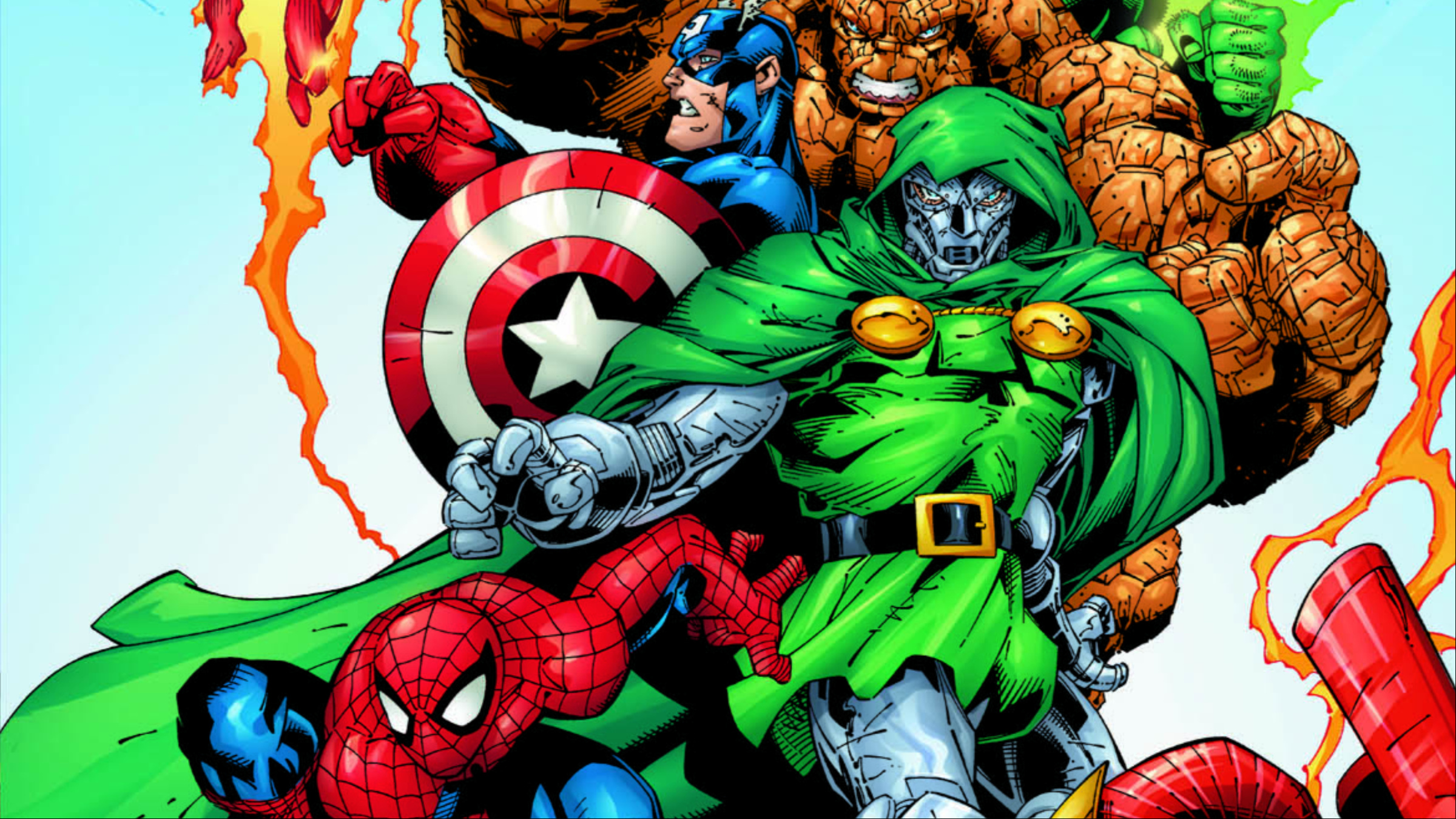
Honestly, when I first saw Heroes Reborn: The Return, I almost passed it by. The original Heroes Reborn series wasn’t very good – though I did love Jim Lee’s work on Fantastic Four back then – so I get why people might skip this. But it really shows why those classic event comics, especially when written by someone as talented as Peter David, were so special. This one is just good. It moves at a perfect pace, has a surprisingly emotional center, some genuinely cool moments, solid art, and a satisfying ending – and it doesn’t drag on. It’s a reminder of what those big events used to be all about.
This book perfectly captures the enjoyable spirit of Marvel events and is surprisingly well-done. While it doesn’t revolutionize the comic book world, it cleverly corrects a previous Marvel error. In doing so, it crafts a classic superhero story that honors the legacy of Marvel’s golden age heroes and beautifully restores the Marvel Universe to its proper state. If you have the opportunity to read it, don’t miss out – it’s truly one of the best Marvel events ever created.
https://comicbook.com/comics/list/10-greatest-event-comics-in-marvel-history-ranked/embed/#
Read More
- After AI Controversy, Major Crunchyroll Anime Unveils Exciting Update
- Trails in the Sky 2nd Chapter launches September 17
- PRAGMATA ‘Eight’ trailer
- Why is Tech Jacket gender-swapped in Invincible season 4 and who voices her?
- Hulu Just Added One of the Most Quotable Movies Ever Made (But It’s Sequel Is Impossible To Stream)
- Adam Levine Looks So Different After Shaving His Beard Off
- Xbox Game Pass Users “Blown Away” by New Exclusive Game
- How Could We Forget About SOL Shogunate, the PS5 Action RPG About Samurai on the Moon?
- Dragon Quest Smash/Grow launches April 21
- Bitcoin’s Rollercoaster: Will the Crypto Crown Its Lost Roving Glory?
2026-02-18 00:16