
It’s been almost nine years since the last Styx game ended on a frustrating cliffhanger, and I’ve been waiting to see what would happen next ever since. I’m a big fan of stealth games, and Styx: Shards of Darkness was a blast to play. I’m pleased to report that Styx: Blades of Greed delivers the same fun experience, while also giving our mischievous goblin hero new abilities as he searches for Quartz fragments to unlock his hidden potential.
Essentially, Blades of Greed focuses on earning new abilities through challenging levels filled with enemies. You’ll need to be strategic and use Styx’s skills to sneak past them. Combat is limited – Styx mainly relies on quick attacks with the Greed Blade and dodging, so mastering those skills is crucial if you want to fight head-on.
The game includes nods to earlier installments in the series, so it helps to be familiar with the stories of the first two games to fully appreciate Styx’s remarks as he explores new locations.
Let me start at the beginning of the story. It continues directly after the last game ended: Styx and Djarak are battling on Helledryn’s ship when the golem they previously defeated suddenly reappears, causing trouble. They have to stop fighting each other and team up to deal with this new, bigger problem. This leads to a shaky alliance between the three characters, and after their ship crashes, they find themselves stuck in the slums of The Wall, waiting for a chance to escape.
The game begins with a mission: you need to sneak into a pirate captain’s base and ask for help escaping. This captain is a dwarf who’s angry with the Inquisition for taking his airship. Getting his ship back will be a risky operation, and it’s a good introduction to the stealthy, unconventional methods you’ll be using throughout the game.
As you work to free the ship from the Inquisition, you’ll meet a resourceful Dwarven engineer who will become a valuable ally. You’ll also gain a skilled captain to help you navigate the world. These new characters are key to the developing story of the Black Hand, and the game cleverly shows what happened before the events of the Great War – something fans of Orcs and Men will especially enjoy. The engineer can upgrade your equipment, while the captain pilots your ship, allowing you to travel between different areas of the Iserian Continent, many of which will seem familiar if you’ve played the previous games.
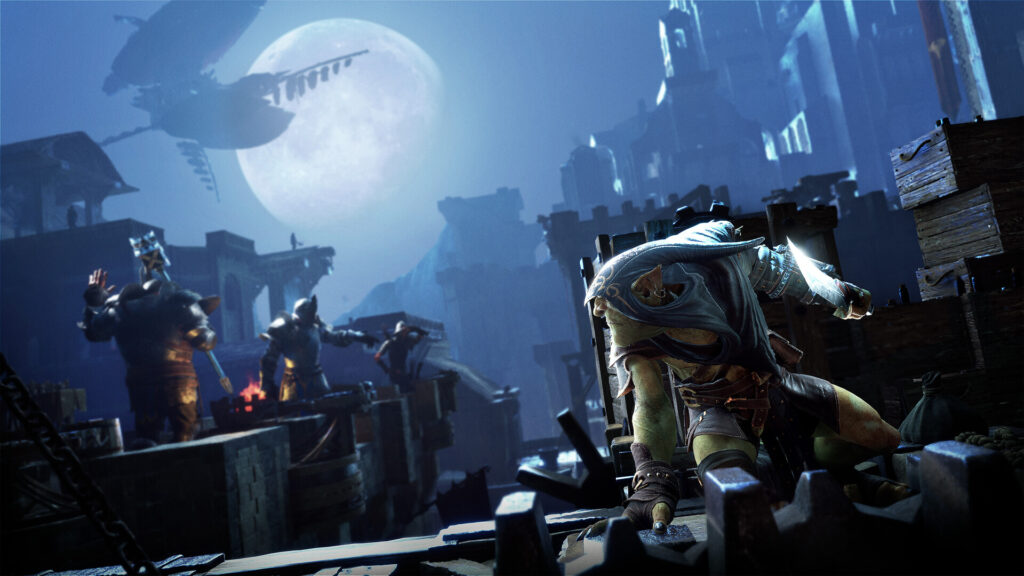
The story effectively shows what happened before World War I, which fans of the Orcs and Men series will especially enjoy in this game.
These areas – The Wall, Turquoise Dawn, and Akenash – are all distinct and open for exploration. As you become more powerful and learn new skills, you’ll unlock more locations within them. You can freely revisit previously explored areas, and move between them, before continuing the story and discovering even more.
The story continues to improve and is a real highlight of the game. It includes nods to earlier titles in the series, so it helps to be familiar with the plots of the first two games to fully appreciate Styx’s remarks as he explores new locations.
The gameplay in Blades of Greed revolves around carefully exploring the connection between Styx and the Quartz fragments he collects. It’s a challenging game – even on the easiest setting, enemies are very aware and skilled, making stealth essential. The game provides clear visual and audio cues to help you track enemy alertness and when they’ve lost track of you.
Increasing the difficulty level makes the game significantly harder, sometimes to the point of feeling unfair. While a future update could likely fix this, I initially had to play on the easiest setting and then switch to hard mode once I’d unlocked more abilities. I suggest frequently quicksaving after each successful enemy takedown to avoid having to replay long sections of stealth.
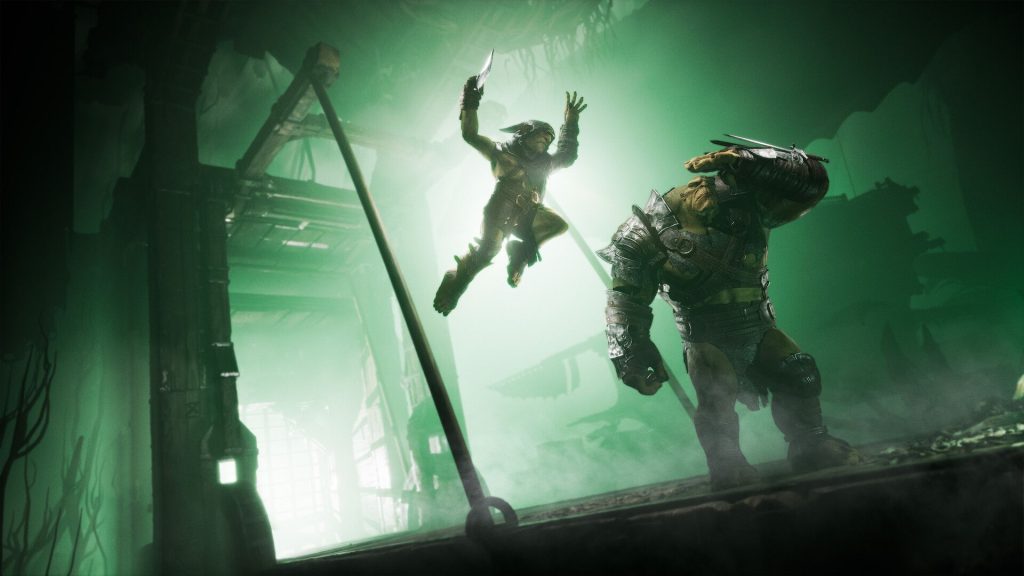
A sneaky strategy can spark inventive thinking, offering many ways to confuse or outsmart your opponent.
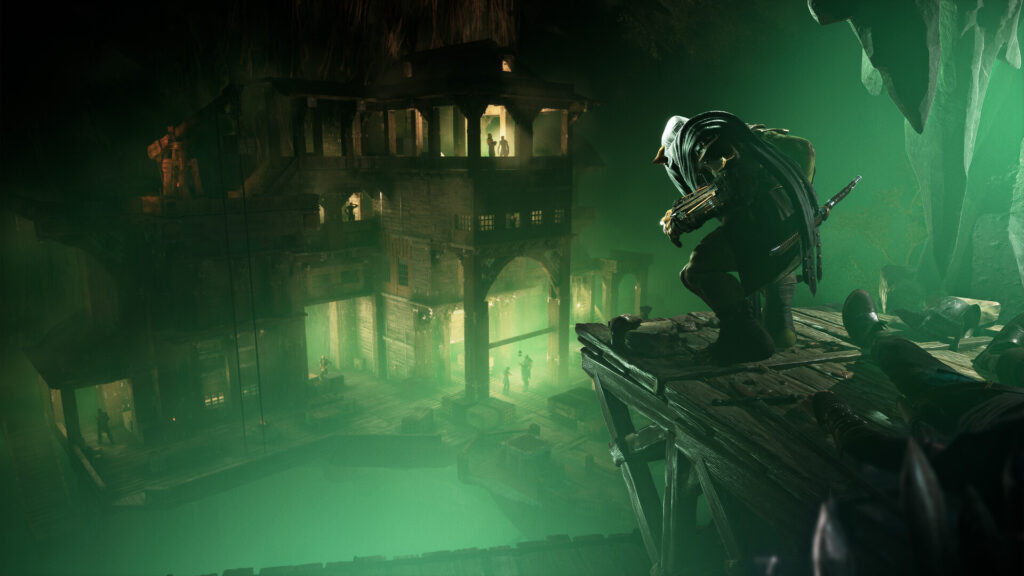
In Blades of Greed, Styx relies even more on stealth, and the game’s levels are built to support this. They’re designed with lots of hidden spaces and verticality, giving him plenty of places to hide. Players are encouraged to use everything they can – from turning off lights and crawling under furniture to swinging from the ceiling and creating distractions with falling objects like chandeliers and heavy crates – to stay out of sight.
If you’re detected, running away is usually the best strategy. Styx is incredibly nimble – he’s small and fast, which helps him avoid trouble. Fighting isn’t very effective; it mostly involves simple attacks and dodging, and even weak enemies are better at it than you are. The game emphasizes that Styx is designed to attack from stealth, and it constantly reminds you of this.
While the new Quartz abilities help balance things out, offering interesting ways to attack, they aren’t quite enough to excel in close combat. For example, you can now control enemies’ minds, just like in the first game, and powers like Flux Blast and Time Shift are useful in a fight. However, these abilities have limited range and are most effective when used while remaining hidden.
Playing stealthily lets you be really creative in how you outsmart your opponents. You can use distractions like clones, trick enemies with thrown bottles, or even become invisible to slip past tough areas unnoticed.
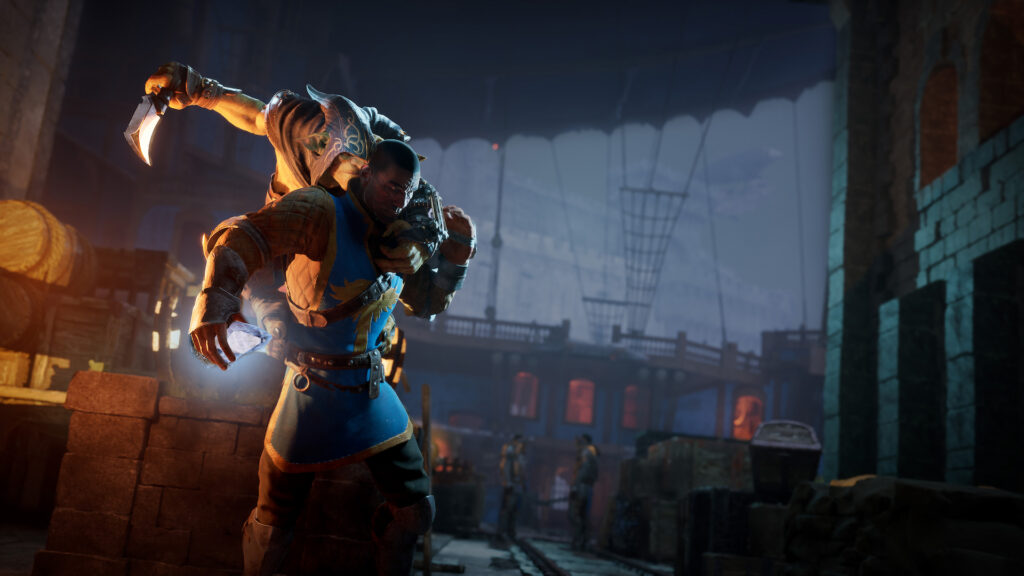
I quickly learned to easily distract the guards by locating a secure hiding place. I’d then create a teleportation point—a ‘cocoon’—that I could instantly return to, or respawn at if I was discovered and things got dangerous.
The game focuses on quick movement, letting you attack and then escape, adapting to unpredictable situations. It sounds like a potentially amazing stealth game. However, problems start to appear when you actually play it.
I quickly learned that even a hidden attack on a guard would instantly alert all enemies nearby, forcing me to find cover. I managed to squeeze into a hiding space, but another guard pulled me out and swiftly defeated me.
After restarting and trying a stealthier approach, I ended up in the same predicament: guards were still searching for me, and I was once again hiding in the same spot. This time, I hid on the left side of the entrance instead of the right, and surprisingly, the guards didn’t notice me. I didn’t understand why it worked, but I was relieved to be safe for the moment.
I quickly learned to easily outsmart the guards by finding a secure location, setting a teleportation point there, and then carefully choosing my targets while planning an escape. The game’s AI could be improved, and future updates should focus on making enemies more realistic. However, during my time playing Blades of Greed, I found the enemies more irritating than genuinely challenging.
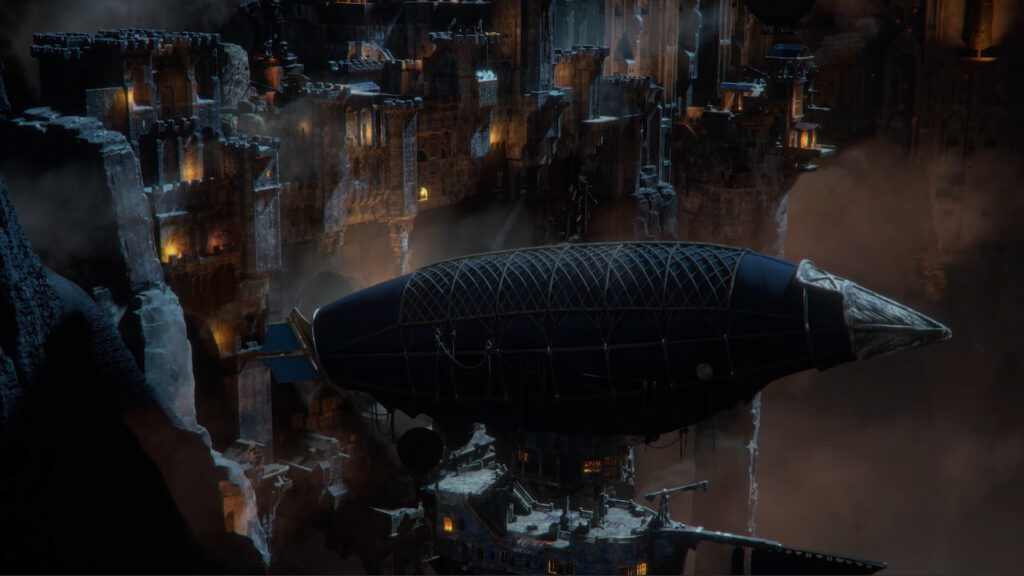
The game’s AI opponents could use improvement, and upcoming updates should focus on making the game world feel more realistic.
The game makes things difficult by limiting the materials you can find, forcing tough choices when crafting essential items like crossbow bolts, amber, health potions, and lockpicks. Because many items require the same resources, you often have to pick what’s most important. I was once nearly defeated, with very little health, and had to decide between making a healing potion or crafting more bolts to fight from a safe distance.
I’d be happy to make that choice if I knew I could find more resources along the way, as either option would open up more possibilities. However, without enough resources appearing, choosing either path became a frustrating cycle. It should have been a fun challenge, but it felt like a tedious task because the game didn’t let you fully utilize all of Styx’s creative abilities.
While the grappling hook and glider eventually help with movement later in the game, the glider takes a long time to unlock and isn’t as immediately useful as the hook. However, not having these tools early on made the beginning of the game feel overwhelming. I spent a lot of time in the first big area, Turquoise Dawn, repeatedly trying and failing missions, and many deaths could have been prevented if there had been more options for stealthy gameplay. The grappling hook, in particular, should have been available much earlier in the game.
Honestly, despite its flaws, Blades of Greed was just so much fun because figuring out workarounds was a blast. I found myself constantly needing to just… accept the weirdness and get really inventive with how I approached each situation. Like, I loved throwing a clone to stun an enemy, then quickly taking out their buddy. Or setting up an acid trap for a guard and watching the results – satisfying! But my absolute favorite? Definitely poisoning a big, tough enemy by… well, let’s just say ruining their lunch. I never got tired of that!
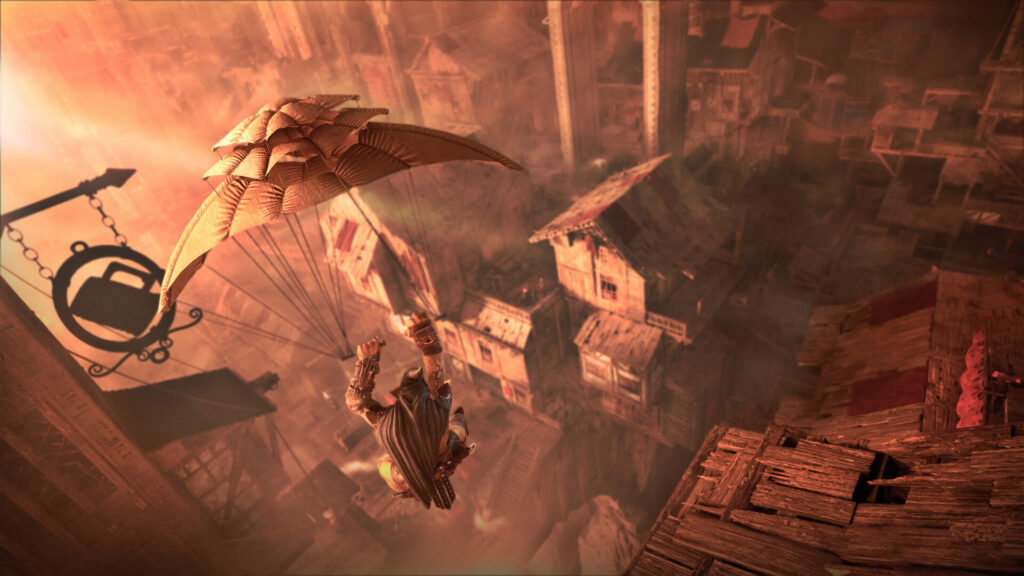
The game looks great overall, but the cinematic cutscenes occasionally have some visual glitches and can have trouble displaying interactions between large objects, such as your spaceship and structures.
The game Blades of Greed is most fun when you’re experimenting with different ways to outsmart enemies. I found myself spending extra time in levels, even after collecting everything, just to try new sneaky approaches. It gets even more engaging as you unlock upgrades and find blueprints to improve your gear with the help of your ship’s engineer.
I found that you can rush through Blades of Greed and finish the main story pretty fast, but honestly, that’s not the fun way to play! This game really encourages you to mess around and experiment. After you grab all the Quartz in an area, don’t just move on – stick around and see what crazy things you can do with your new abilities. I’d say a full playthrough, getting a good amount of the side stuff, takes around 20 hours or so.
The game looks great overall, but the cutscenes sometimes have visual glitches. Objects like your ship and buildings can briefly appear to merge together before the game corrects itself. This doesn’t impact how you play, but it can be distracting and pull you out of the experience.
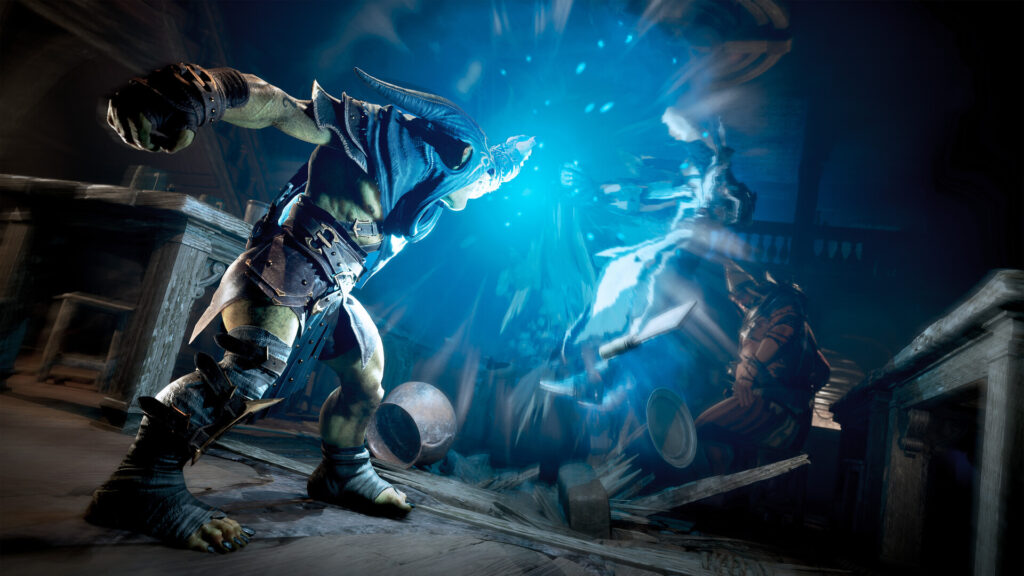
The game performs very well on the standard PlayStation 5, maintaining a smooth 60 frames per second while playing as Styx. This is especially impressive considering how nimble and fluid his character movements are.
When you’re playing, the beautifully lit levels created with Unreal Engine 5 clearly show you where it’s safe to sneak, and Styx moves with incredible smoothness, really highlighting his nimble abilities. The sound design is fantastic as well, and you’ll frequently hear Styx’s witty and sarcastic commentary on everything that’s happening.
Guards react with shouts when they see you, clearly indicating whether they’ve just spotted you or are actively coming to investigate. If they start hunting you, they’ll often communicate with each other, and you can use this to your advantage if you’re clever.
The game runs very smoothly on the standard PlayStation 5, maintaining a solid 60 frames per second while playing as Styx. This is especially noticeable given how nimble and fluid his movements are as he jumps and climbs.
If you enjoyed the earlier games, you’ll likely love this one and won’t mind its imperfections.
So, is Blades of Greed worth playing? If you’ve enjoyed past games in the series, you’ll likely love this one, even with its imperfections. However, if you’re new to this franchise or to stealth games in general, it might take some effort to get the hang of it. Stick with it though, and you’ll find a game that’s both challenging and really enjoyable.
This game is definitely worth playing, and many of its problems could be easily fixed with a few updates. If you enjoy stealth games where you can be really creative with your approach, you should give it a try.
This game was reviewed on PlayStation 5.
Read More
- Trails in the Sky 2nd Chapter launches September 17
- After AI Controversy, Major Crunchyroll Anime Unveils Exciting Update
- Adam Levine Looks So Different After Shaving His Beard Off
- PRAGMATA ‘Eight’ trailer
- Hulu Just Added One of the Most Quotable Movies Ever Made (But It’s Sequel Is Impossible To Stream)
- Why is Tech Jacket gender-swapped in Invincible season 4 and who voices her?
- Dragon Quest Smash/Grow launches April 21
- How Could We Forget About SOL Shogunate, the PS5 Action RPG About Samurai on the Moon?
- Xbox Game Pass Users “Blown Away” by New Exclusive Game
- Dialoop coming to Switch on June 17
2026-02-18 16:17