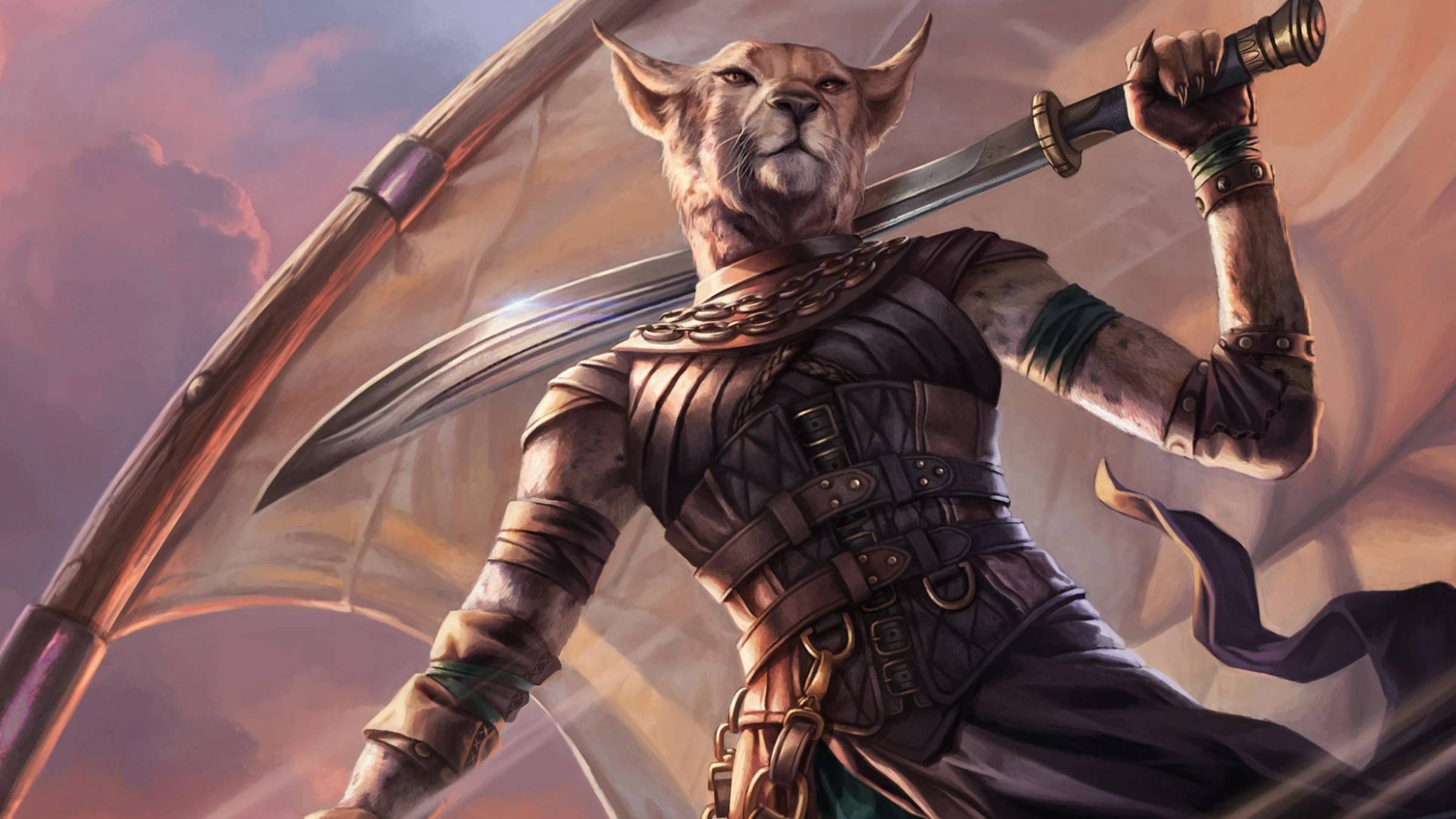
Creating a Dungeons & Dragons character might seem tricky, but every class follows certain general patterns. For instance, Wizards usually cast spells, Barbarians excel in close combat, and Rogues prefer to sneak around. Still, some specialized classes and character types offer unique options that go against the usual expectations, allowing for creative and unusual character builds.
Some players like to combine elements from different character classes to make their characters versatile and capable in many situations. While this can work well if the classes complement each other, it can be tricky for beginners to manage all the different abilities, stats, and skills. A simpler approach is to choose a subclass within a single class, which offers a new way to play without the complexity of mixing classes.
5. Bladesinger Wizard
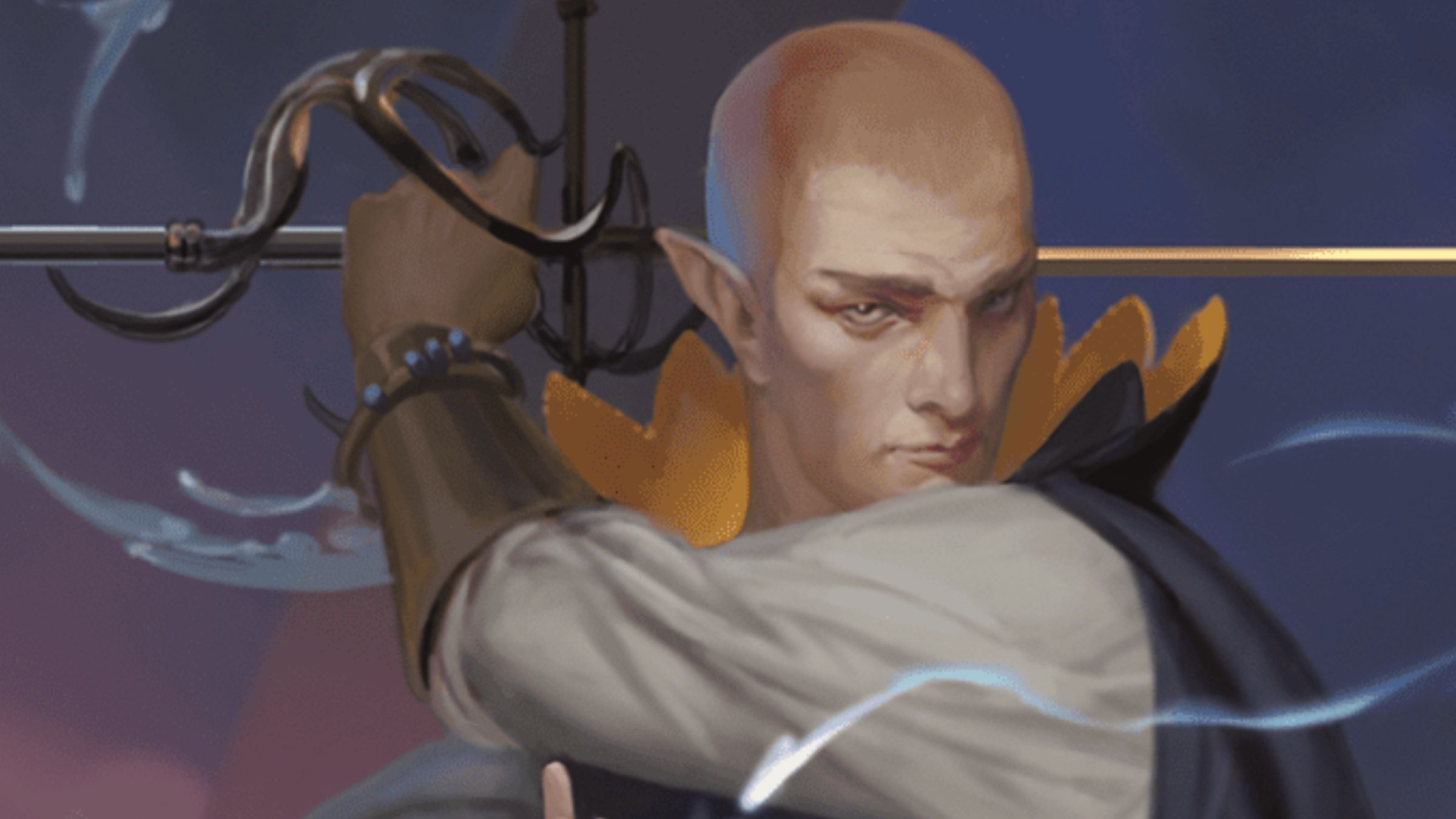
When you picture a D&D Wizard, you usually imagine someone skilled at casting many different spells to overcome any challenge. The Bladesinger is different – they don’t just rely on magic. They’re also graceful fighters who use swords. This elven tradition blends magic with swordplay, creating a defensive style where the blade seems to sing as it moves.
Bladesingers have a special ability called Bladesong that lets them use their Intelligence score – normally used for spellcasting – to make attacks and deal damage in close combat. This is unusual for melee fighters who typically rely on Strength or Dexterity. While in Bladesong, Bladesingers gain improved armor and can focus on spells more easily, making them surprisingly effective in direct combat – a role more common for classes like Fighters and Rogues. As they level up, they gain even more attacks and abilities to reduce damage, making this Wizard subclass stand out as truly different from all the others.
4. Circle of the Stars Druid

Druids are incredibly versatile characters, with a wide range of nature-based spells that can significantly help their allies. A key ability for all Druids is Wild Shape, which lets them transform into animals, adding even more options in any situation. However, the Circle of Stars Druid is unique – instead of using Wild Shape in the traditional way, it grants players access to powerful celestial forms.
While these forms might initially feel limiting, they actually offer powerful advantages compared to traditional animal forms. The Chalice, Archer, and Dragon Starry Forms trade some of the Druid’s shape-shifting flexibility for abilities that help your team. You can heal allies, deal radiant damage, improve your friends’ rolls, or hinder your enemies – this unique Druid build still provides plenty of creative options and support.
3. Eldritch Knight Fighter
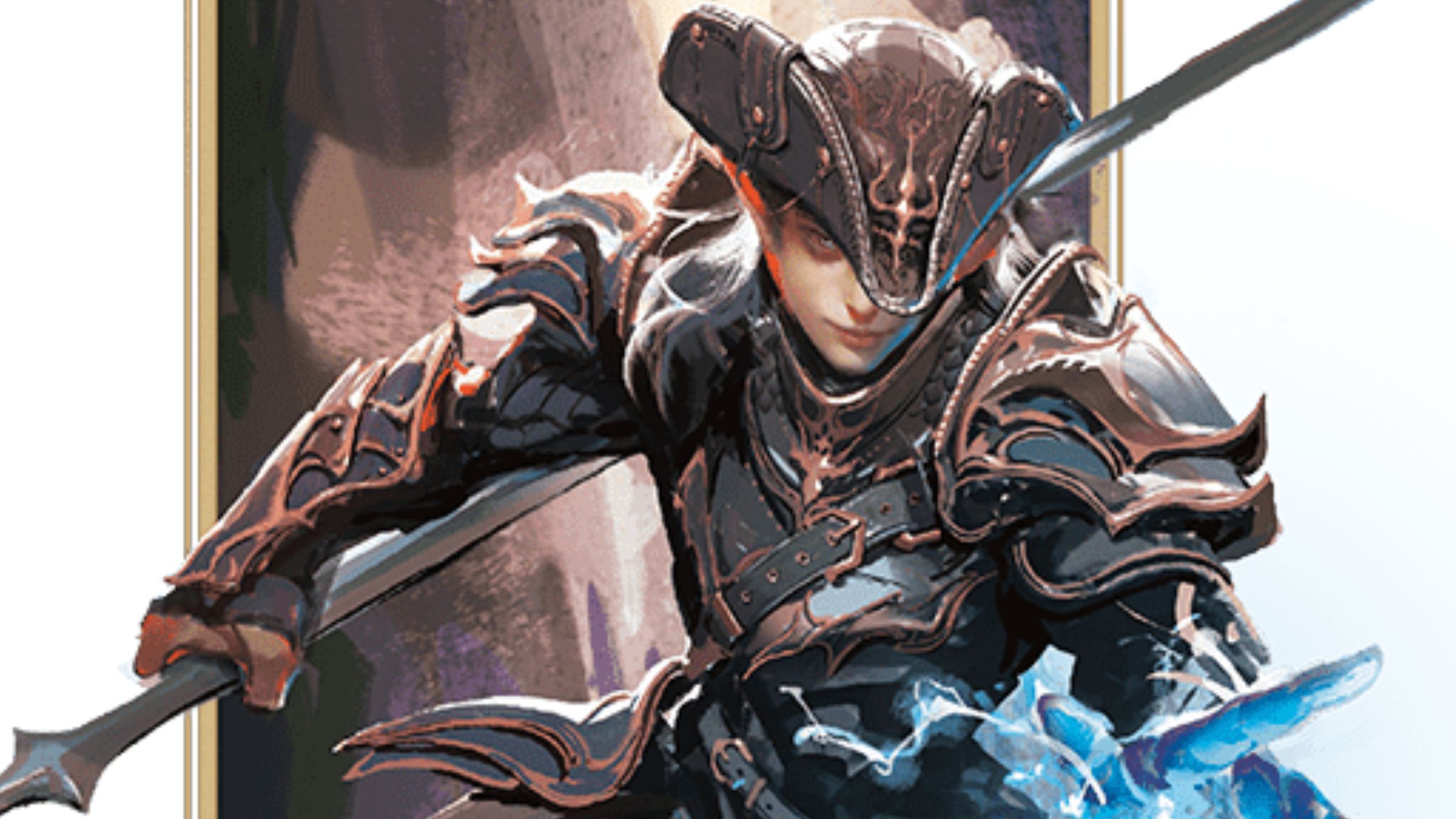
Fighters are incredibly versatile and can be customized in many different ways. However, Eldritch Knights stand out because they can cast spells, something most Fighters can’t do. Choosing this path at Level 3 lets your Fighter learn prepared spells from the Wizard spell list, significantly expanding their abilities and options.
The Eldritch Knight Fighter offers a dynamic playstyle, blending traditional weapon combat with powerful magic. As you level up, you can combine spells and weapons in increasingly creative ways. A special War Bond feature ensures you’ll never lose your favored weapon, emphasizing the synergy between your skills. By choosing the right spells, an Eldritch Knight can overcome the usual limitations of a Fighter, becoming a versatile and effective character capable of handling any challenge.
2. College of Swords Bard
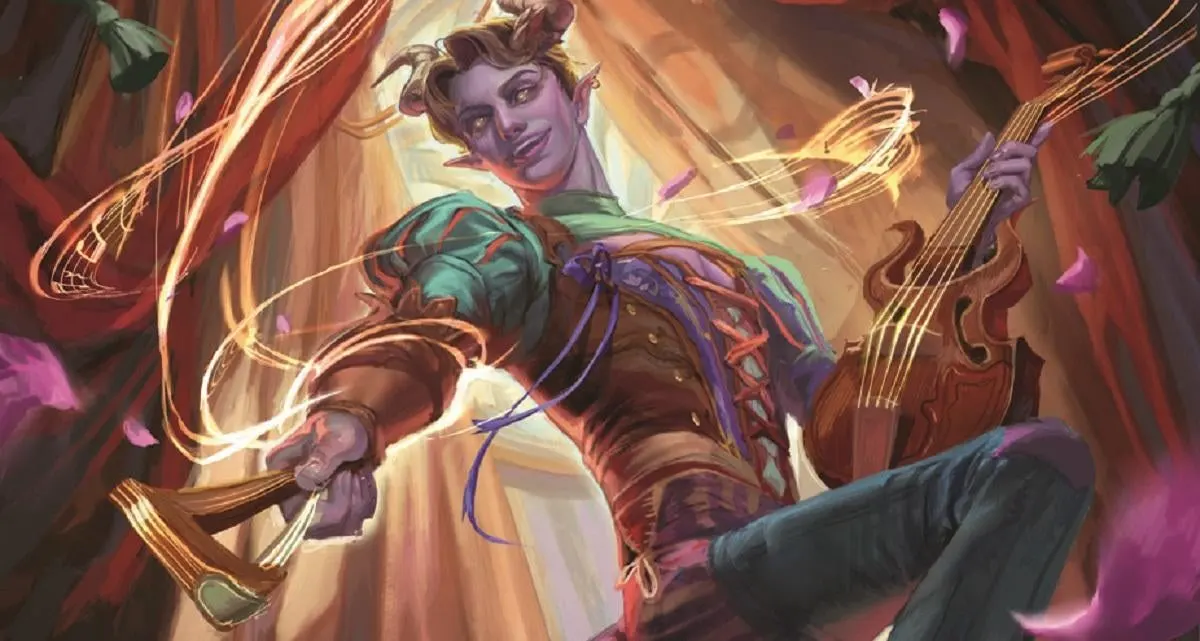
Bards are traditionally known for their inspiring performances and magical ability to influence others. However, the College of Swords offers a different path, transforming them into skilled warriors who favor swordsmanship over sweet talk. It’s easy to underestimate these Bards, but the College of Swords actually provides them with the tools to be as formidable in combat as classes specifically designed for fighting.
This Bard subclass blends fighting styles with flashy blade work, letting players spend their Bardic Inspiration on strategic combat actions. The College of Swords Bard excels on the battlefield with increased movement, higher damage output, and improved defenses, setting it apart from more traditional, performance-focused Bard builds.
1. Path of Wild Magic Barbarian
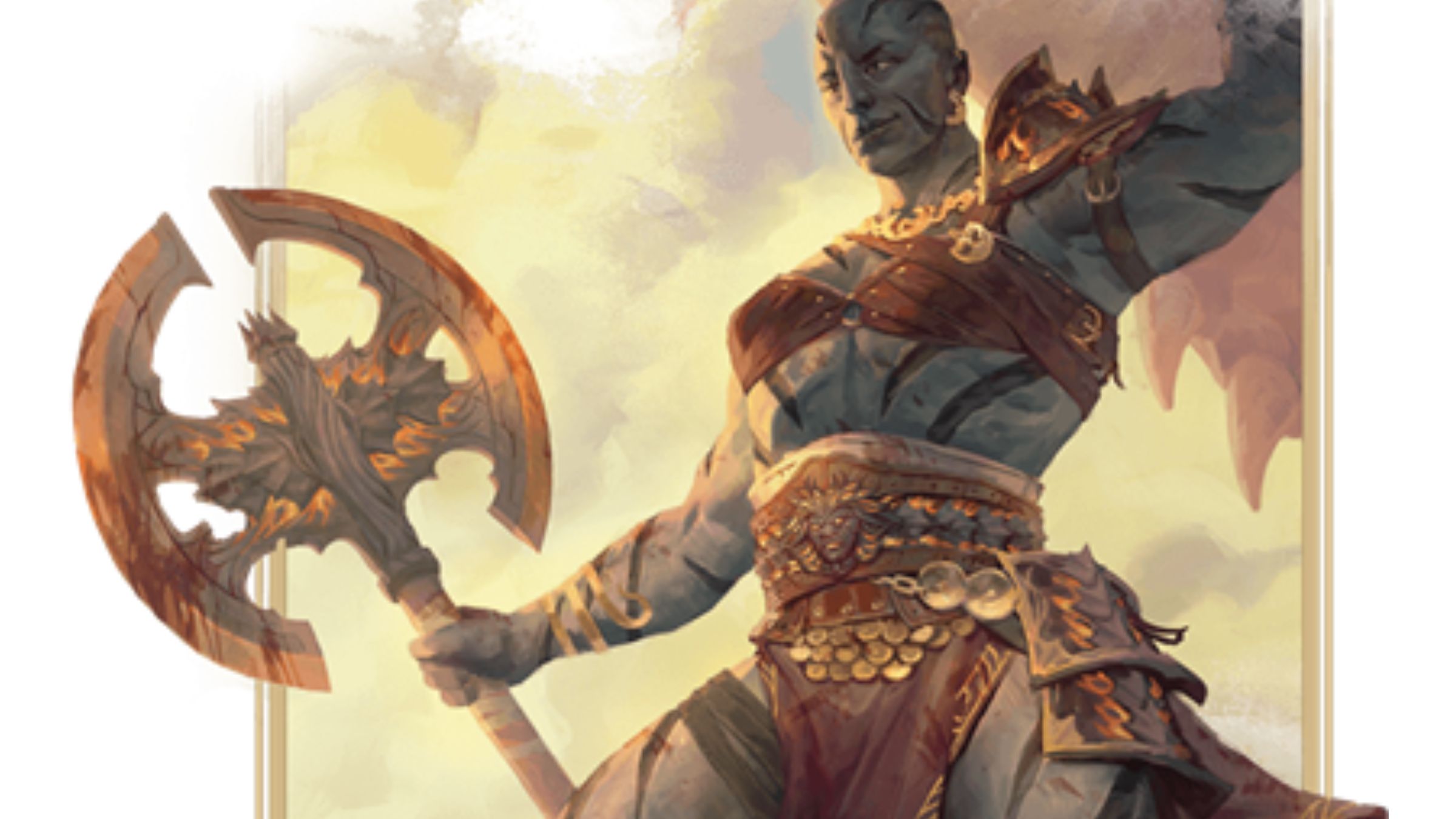
Typically, Barbarians can’t use magic because their powerful Rage ability blocks spellcasting. However, the Path of the Wild Magic Barbarian is an exception. This unique path causes unpredictable magical surges during Rage, creating a chaotic and powerful playstyle. Similar to the Wild Magic Sorcerer, this archetype relies on random magical effects, making for unpredictable and exciting gameplay.
When magical Barbarians get angry, incredible things can happen – from lightning strikes and dazzling lights to magically enhanced weapons and even summoning spirits. But unlike spellcasting Sorcerers, this Barbarian build focuses on helping the team, offering benefits like restoring spell slots or aiding allies in important skill checks. As you gain control, the unpredictable surges of Wild Magic become more manageable, letting you act with intention and purpose.
As a huge D&D fan, I’m always looking for unique character builds, and the Barbarian’s Path of Wild Magic is just amazing because it throws so many of the usual Barbarian stereotypes out the window. Honestly, some of the coolest characters come from breaking the mold, and this subclass does it spectacularly – it’s a really memorable way to play!
What unusual or unexpected character builds for Dungeons & Dragons have you seen or created? Share your ideas in the comments below, or discuss them in the ComicBook Forum!
Read More
- Adam Levine Looks So Different After Shaving His Beard Off
- Trails in the Sky 2nd Chapter launches September 17
- After AI Controversy, Major Crunchyroll Anime Unveils Exciting Update
- FRONT MISSION 3: Remake coming to PS5, Xbox Series, PS4, Xbox One, and PC on January 30, 2026
- Xbox Game Pass Users “Blown Away” by New Exclusive Game
- Dialoop coming to Switch on June 17
- How Could We Forget About SOL Shogunate, the PS5 Action RPG About Samurai on the Moon?
- Japan’s No. 1 Spring 2026 Anime Is the True Successor to an All-Time Great
- Gold Rate Forecast
- Bitcoin’s Rollercoaster: Will the Crypto Crown Its Lost Roving Glory?
2026-02-18 22:12