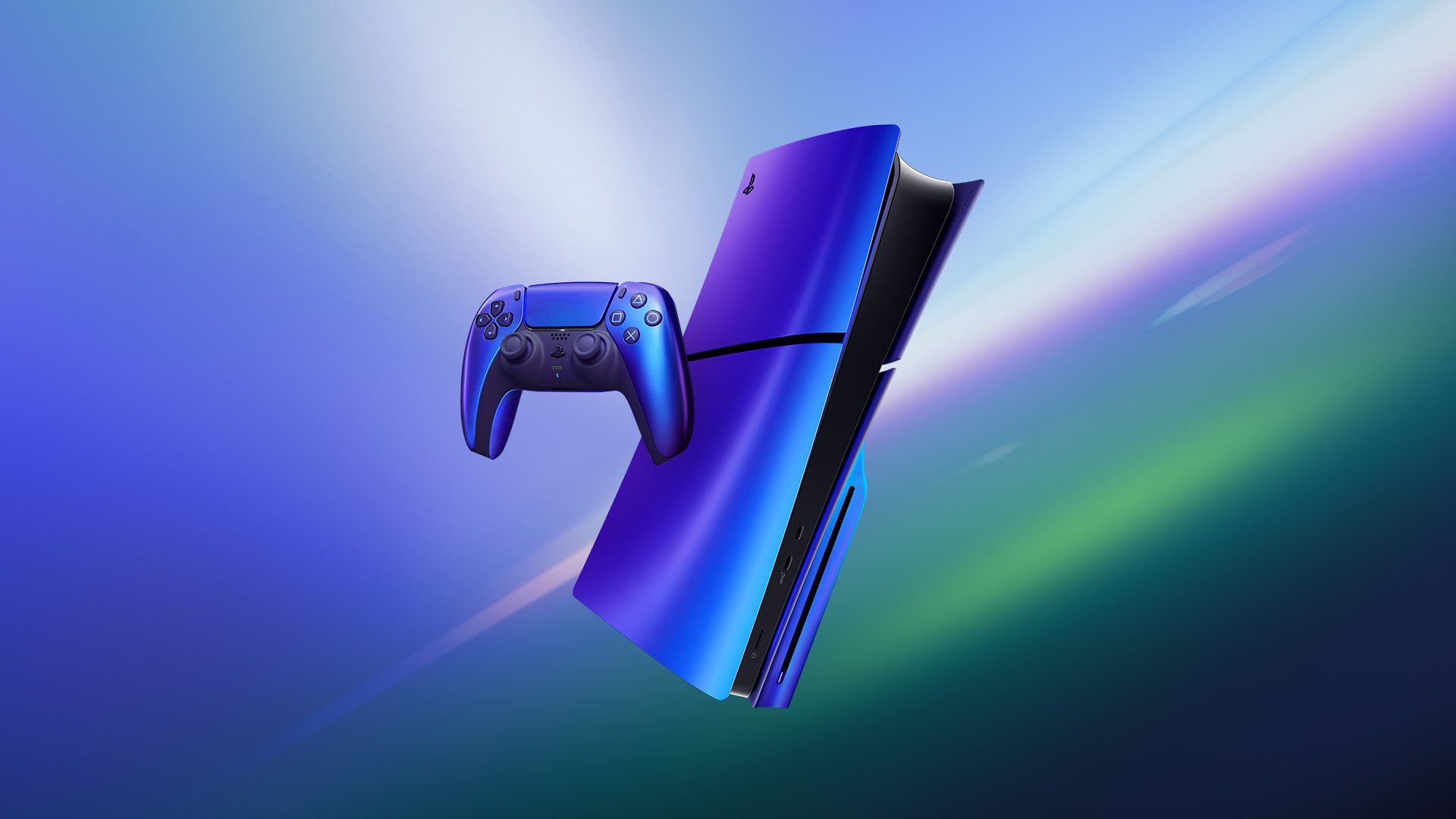
After previously suggesting the PS6 GPU wouldn’t be fully based on AMD’s RDNA 5 technology, reliable leaker KeplerL2 has provided further details. In response to a question from Moore’s Law is Dead, KeplerL2 clarified that they never said the PS6 wouldn’t use RDNA 5 at all.
KeplerL2 also stated that the PlayStation 6’s graphics card will support almost all of the features of the upcoming RDNA 5 technology. However, they clarified it won’t be a complete version of RDNA 5. They added that the PS6’s GPU architecture will be more similar to RDNA 5 than the PS5 was to its predecessor, RDNA 2.
The website Moore’s Law is Dead claims to have obtained documentation suggesting the PlayStation 6 will use a GPU built on the RDNA 5 architecture.
The PS6’s graphics card might lack some features found in AMD’s latest cards, likely those specific to DirectX. Because Sony’s console isn’t designed for PC gaming, it doesn’t need to work with Windows graphics technology, making it a simple omission for them.
KeplerL2 had mentioned the PS6’s GPU wouldn’t be a complete version of the latest RDNA 5 architecture. This led to discussions about the PS5’s older RDNA 1 GPU. People on forums shared screenshots showing how games that use RDNA 2 features run better on Xbox Series X/S, highlighting performance differences.
During testing of Warhammer 40,000: Space Marine 2, the Xbox Series X performed better than the PlayStation 5. This is because the game uses advanced mesh shaders, which the Xbox Series X handled smoothly, maintaining high and consistent frame rates. The PlayStation 5, limited to older primitive shaders, experienced noticeable drops in frame rates during gameplay.
New reports suggest the next PlayStation (PS6) will have a powerful 30GB of GDDR7 RAM, using 10 separate 3GB modules. The handheld version of the PS6 will have slightly less, with 24GB split across 8 of these same modules. These RAM chips are expected to transfer data at speeds up to 32 GB/s, thanks to a 160-bit bus, giving the PS6 a total memory bandwidth of 640 GB/s. This is a significant upgrade from the 16 GB found in both the PS5 and PS5 Pro. We’ve explored why this increased memory could be a major step forward in gaming.
The tech industry is currently facing a major problem: a significant shortage of memory chips has caused RAM prices to jump dramatically. A new report suggests Sony might delay the release of its next PlayStation console until 2028 or 2029, hoping the situation improves. This delay could also disrupt Sony’s strategy for keeping players engaged with its consoles over time.
I didn’t say it wasn’t RDNA5
— Kepler (@Kepler_L2) February 17, 2026
If it supports 99% of the features of PC RDNA5, it’s fair to call it RDNA5 but not “full RDNA5“
— Kepler (@Kepler_L2) February 17, 2026
Yeah
— Kepler (@Kepler_L2) February 17, 2026
Read More
- Adam Levine Looks So Different After Shaving His Beard Off
- After AI Controversy, Major Crunchyroll Anime Unveils Exciting Update
- Trails in the Sky 2nd Chapter launches September 17
- Gold Rate Forecast
- Xbox Game Pass Users “Blown Away” by New Exclusive Game
- Dialoop coming to Switch on June 17
- Japan’s No. 1 Spring 2026 Anime Is the True Successor to an All-Time Great
- Neverness to Everness launch trailer; music collaborations announced
- When Things Fall Apart: A New View of Phase Transitions
- Steam Makes Sci-Fi Game 100% Free for 72 Hours
2026-02-19 19:11