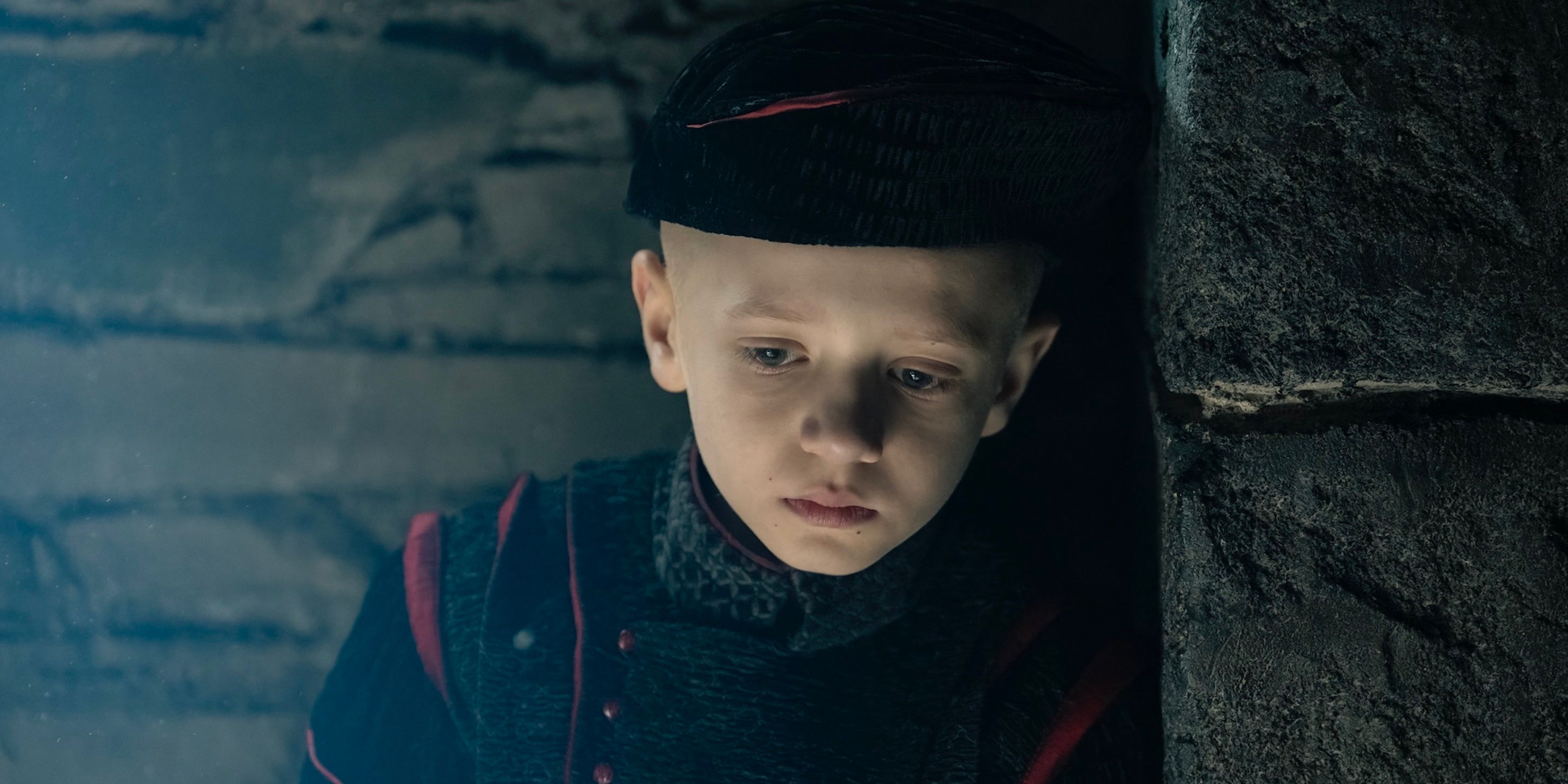
Even before it launched, A Knight of the Seven Kingdoms was touted as a very accurate retelling of George R.R. Martin’s Tales of Dunk and Egg stories. In early 2025, Martin himself said on his blog that it was “as faithful an adaptation as anyone could reasonably ask for.” The show’s creator, Ira Parker, and the actors repeatedly emphasized how closely the series followed the books – a different approach than fans of Game of Thrones and House of the Dragon had come to expect.
Adapting books to screen always involves some changes, and complete loyalty to the source material isn’t really achievable. While George R.R. Martin acknowledged the show’s faithfulness allowed for interpretation, even small deviations from the books can spark strong reactions from passionate fans, potentially damaging the impact of his original work. However, changes aren’t necessarily negative, as seen with A Knight of the Seven Kingdoms. In fact, a particular adjustment in the Season 1 finale introduced new possibilities for the story – or perhaps it was just a clever way to end the season on a surprising note.
Egg Lies to Dunk in the Season 1 Finale of AKOTSK
In the final episode of Season 1, Dunk is recovering from the traumatic events surrounding Baelor Targaryen’s sacrifice to save him. Despite disliking Dunk, Maekar realizes they share a common burden – the guilt over Baelor’s death, a weight they’ll both carry forever. Combined with his disappointment in how Aerion turned out, this understanding leads Maekar to allow Egg to become Dunk’s squire.
Throughout the episode, the two characters repeatedly offer conditions and try to make a deal. They couldn’t reach an agreement when Dunk insisted Egg come with him on his journey. However, just as Dunk was about to leave, Egg showed up with news that Maekar had finally given his approval. With the issue resolved, the pair are now ready for new adventures.
The episode ends with a surprising sight: Maekar, usually so composed, is clearly worried and searching for Egg as they depart from Ashford. His obvious panic confirms that Egg has indeed run away to become a squire for the wandering knight. While this might seem like a minor detail, Maekar knowing – or not knowing – where Egg is actually becomes quite important as the story unfolds.
In the first story, The Hedge Knight, Maekar gives Egg a signet ring bearing his family crest. This ring is meant as a way for Dunk and Egg to get help if they ever find themselves in trouble. They only use it a few times throughout the series—once to settle a dispute over land, and again during the Second Blackfyre Rebellion.
As a huge fan, I’m already thinking about how they could use what happened with Egg and the ring in future seasons of A Knight of the Seven Kingdoms. It’s interesting that Maekar doesn’t know his son took it, because that could create real tension with Dunk, especially since he’s already been suspected of kidnapping the prince. The finale really showed how much Maekar cares for his son and wants to protect him, so it feels odd that he’d just let him go with Dunk so easily. It just doesn’t seem like something he’d do. Honestly, I’m expecting to see Maekar come back later in the series – it feels almost certain!
A Knight of the Seven Kingdoms Isn’t as Faithful as It Claims to Be
The ending of A Knight of the Seven Kingdoms is exciting and doesn’t feel like a letdown. It offers a fresh perspective on the source material, even surprising those familiar with the books. However, the series has set a high bar for itself by promising to stay very close to the original story. Game of Thrones fans expect complete faithfulness and view George R.R. Martin’s work as the gold standard for fantasy. As a result, they often react negatively to any deviations, no matter how small, seeing them as disrespectful to his creation.
Consuming media this way is definitely problematic. It’s unfair to blame Parker for negative reactions to changes made during script development – things often get altered before a final version. And he shouldn’t be criticized if fans dislike the Season 1 cliffhanger simply because it differs from the original novella. Adaptations are valuable because they offer a fresh take on a story, allowing creators to explore it in a new format.
While some blame the later seasons of Game of Thrones for fans now demanding very accurate adaptations, it’s actually House of the Dragon that’s really set this standard. The show caused a lot of debate with its changes from the Fire & Blood source material, and people are already criticizing showrunner Ryan Condal for portraying Rhaenyra Targaryen’s story as a complex exploration of power and destiny, rather than simply a critique of a prejudiced society. However, House of the Dragon has been willing to take chances, and many of them have paid off. Not every risk works perfectly, but that shouldn’t lead us to judge a new season before we’ve even seen it.
The world of Game of Thrones seems permanently stuck with the demand for strict adherence to George R.R. Martin’s original stories. Altering his established lore is considered a deep betrayal of his work, which is a bit of an overreaction. Moving forward, A Knight of the Seven Kingdoms would actually benefit from not advertising itself as being completely faithful to the source material. Lowering expectations might be exactly what this franchise needs to succeed.
You can now watch A Knight of the Seven Kingdoms on HBO Max, and a second season is currently being planned.
Found an error? Send it so it can be corrected.
Read More
- Adam Levine Looks So Different After Shaving His Beard Off
- Gold Rate Forecast
- Steam Makes Sci-Fi Game 100% Free for 72 Hours
- 10 Movies That Were Banned in Different Countries For Random Reasons
- Nintendo Switch 2 Reportedly Getting Remake of One of the Best PS3 and Xbox 360 Games
- Welcome to Demon School! Iruma-kun season 4 release schedule: When are new episodes on Crunchyroll?
- Dialoop coming to Switch on June 17
- Tekken 8 Fans Furious as Tifa Tipped for Street Fighter 6 Instead
- When Things Fall Apart: A New View of Phase Transitions
- Crimson Desert Guide – How To Unlock All Elemental Skills
2026-02-23 06:10