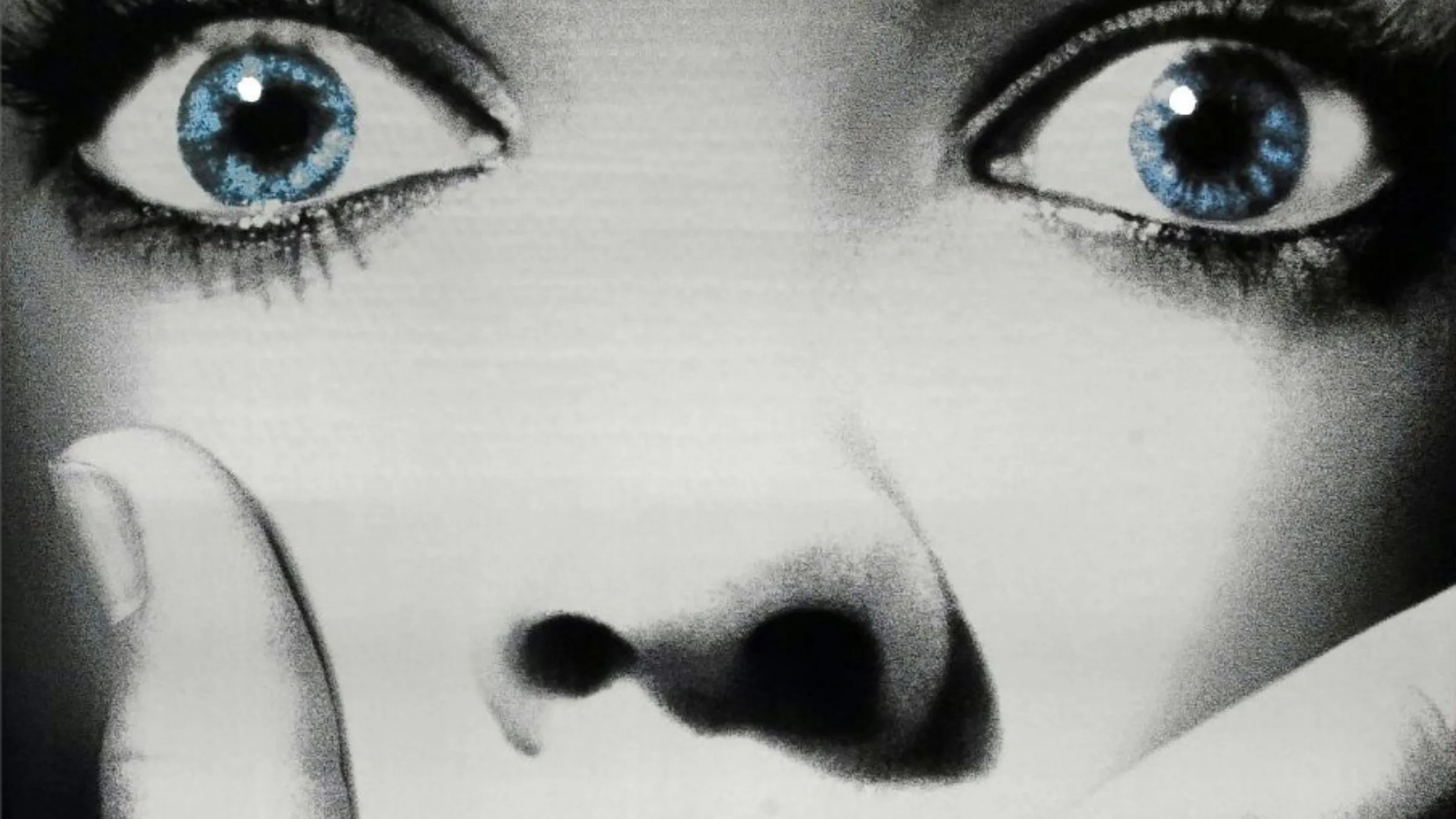
The beginning of Scream – the first thirteen minutes – could be seen as unoriginal. It essentially copies the shocking early death of Marion Crane in Alfred Hitchcock’s Psycho. And Psycho wasn’t the first film to use this kind of twist. For example, in Friday the 13th, the movie initially makes you think Annie is the main character, but then Mrs. Voorhees, armed with a hunting knife, quickly appears and chases her through the woods.
The opening scene of Scream is as effective as the famous shower scene in Psycho because both skillfully build suspense. However, that’s not the only reason it’s so memorable. In fact, many elements combine to make it, in my opinion, even more impactful than other iconic scenes like Chrissie Watkins’ death in Jaws or Father Merrin’s chilling monologue about despair in The Exorcist. It’s simply my favorite film scene of all time.
What Makes This Scene Take the Cinematic Cake?
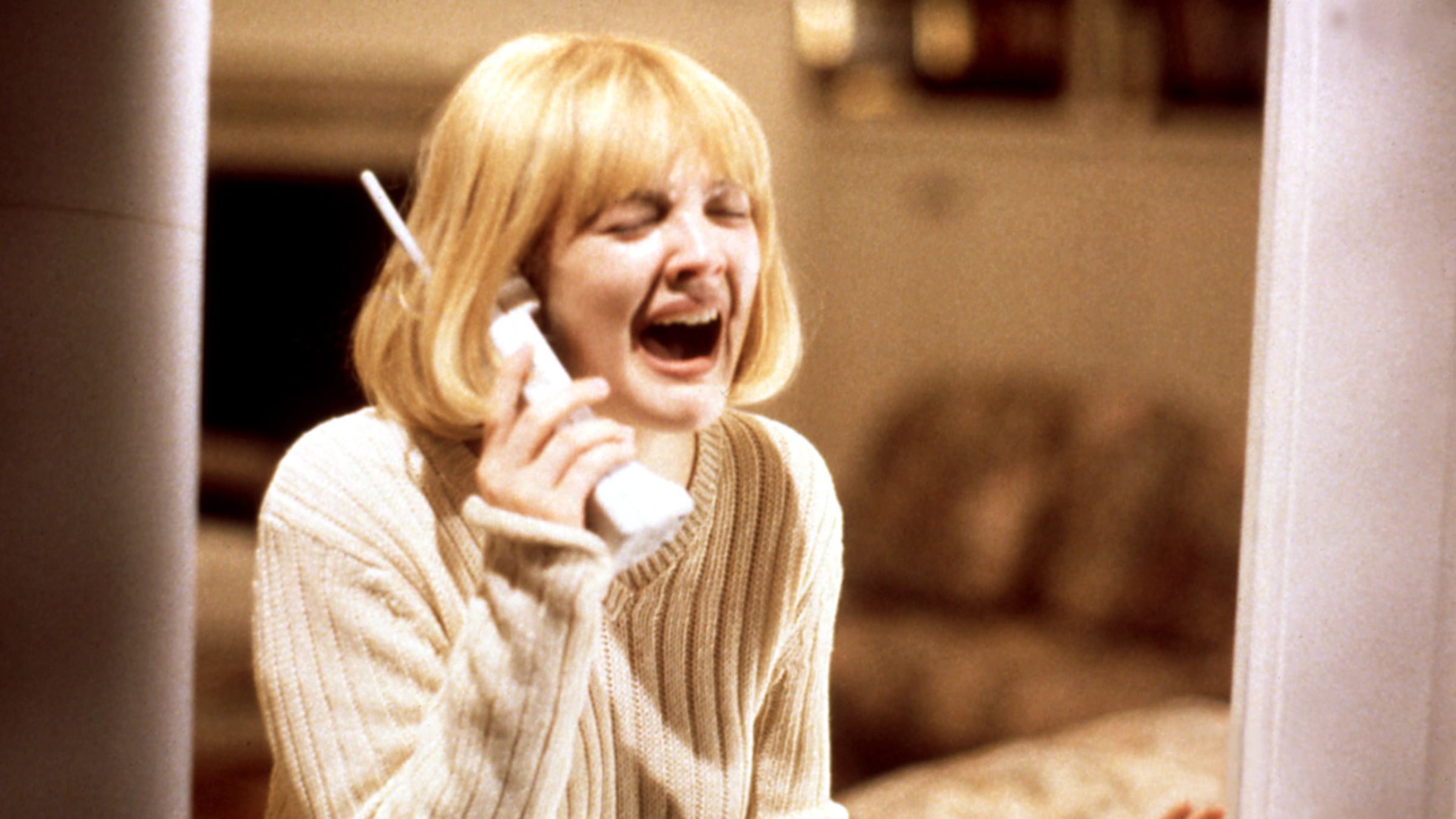
Drew Barrymore, like Jamie Lee Curtis, was the main star of the film, but her fame came with a different weight. The death of her character, Casey Becker, felt especially shocking because Barrymore was already so well-known and beloved. While Curtis didn’t become a prominent screen actress until age 20, Barrymore had already captured the world’s heart as a child star in E.T. the Extra-Terrestrial. Almost everyone who was alive in 1982—and many since—saw her performance as Gertie, and she resonated with audiences of all ages. She perfectly portrayed a child’s warmth and curiosity, and it’s hard to imagine anyone doing it better.
Back in 1996, Drew Barrymore was still best known for her role in E.T., not her other childhood films like Firestarter or Cat’s Eye. That’s why seeing her character suffer a violent death in Scream – being brutally attacked and hung from a tree – was so shocking. Considering it happened to the little girl everyone remembered from E.T., and with her picture prominently featured on the movie poster, it likely came as a real shock and deeply upset many viewers at the time.
Drew Barrymore experienced a difficult period with substance abuse, stemming from early exposure due to the actions of adults around her. This personal hardship adds a layer of emotional weight to the sad events unfolding in the scene.
Unlike Psycho, which takes the time to develop Norman Bates as a complex character, Scream doesn’t give us much insight into Casey Becker. We quickly learn she’s cheerful and looking forward to college, but that quickly changes during her terrifying phone call. Her initial excitement rapidly dissolves into fear, then despair, and ultimately, complete hopelessness before the main story even begins.
The film powerfully conveys a wide spectrum of emotions, enhanced by Marco Beltrami’s impactful musical score. The music is particularly effective during a heart-wrenching scene where Becker, struggling physically and emotionally, slowly approaches her house as her parents are arriving. It creates intense suspense – the audience desperately wants her to warn them, to take just a few more steps, or for her parents to simply look her way. But she’s unable to, and they remain unaware, fully immersing the viewer in her feelings of helplessness and despair, perfectly underscored by the score’s mournful, operatic tone.
The shocking twist halfway through Psycho dramatically increased the tension for everything that followed. Scream establishes that same level of suspense right from the start. As a result, the audience constantly feels uneasy, and no one – except perhaps Sidney – seems truly reliable. The Becker house, like the rest of Woodsboro, appears perfectly normal and inviting, a place many viewers will recognize from their own lives or the lives of people they know. It doesn’t seem threatening until danger arrives, and that’s what makes it so frightening – the feeling that you’re vulnerable even when you feel safe and secure. Director Wes Craven excelled at creating this sense of dread, whether it was in the world of dreams or in a typical American town.
The film’s intense opening immediately signals that this isn’t a typical slasher movie. Unlike in films like Friday the 13th, where characters are quickly eliminated, the victim here is forced to play a cruel game for survival. The opening effectively sets the stage for everything the filmmakers intend. This ultimately led to a stronger movie and helped revitalize Drew Barrymore’s career, bringing her back to prominence after a period of less successful roles in films like Poison Ivy or her small part in Batman Forever.
Read More
- Gold Rate Forecast
- 10 Movies That Were Banned in Different Countries For Random Reasons
- Tekken 8 Fans Furious as Tifa Tipped for Street Fighter 6 Instead
- Welcome to Demon School! Iruma-kun season 4 release schedule: When are new episodes on Crunchyroll?
- Nintendo Switch 2 Reportedly Getting Remake of One of the Best PS3 and Xbox 360 Games
- Michael Jackson Biopic’s Record-Breaking Debut Unseats 2026’s Biggest Box Office Hit On U.S. Chart
- See Kaia Gerber & Lewis Pullman’s Vanity Fair Oscars Party Date Night
- All 61 Episodes 90s Cult Classic Sci-Fi TV Show That Was Famously Canceled Twice Were Just Added to Tubi
- Is Bitcoin Really Going to $1,000,000? You Won’t Believe the Predictions!
- PS5 Game Devs Collectively Clown on Nvidia’s Controversial DLSS 5 Tech
2026-02-25 01:43