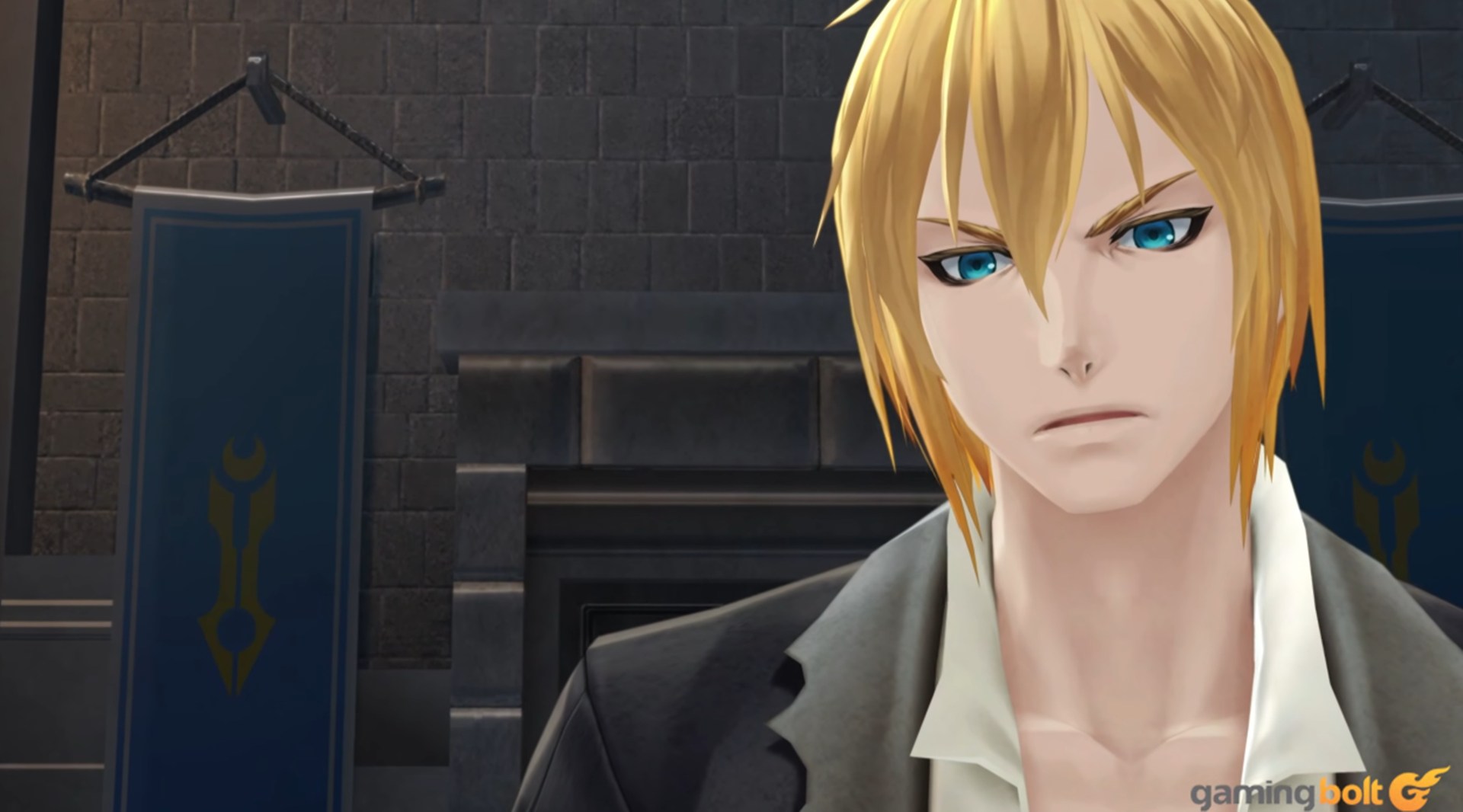
It’s always enjoyable to return to a Tales game – the anime-inspired visuals work beautifully with stories and gameplay that are usually upbeat and easygoing. Tales of Berseria is different, though; it takes a much darker and more serious tone. While this might feel unusual for the series, it also features one of the most compelling stories ever told in a Tales game.
This updated version of the game improves how it feels to play, making movement and combat smoother and the overall experience much more enjoyable. However, some aspects that could have been improved haven’t changed much since the original release. The remaster includes helpful features like autosaving, the ability to skip more cutscenes, and a retry option for standard battles – we’ll cover these improvements in detail later.
If you’ve played this game before, you know Velvet Crowe’s story is a powerful one. She’s driven by a burning desire for revenge after a terrible loss. But for new players, be aware that Velvet isn’t a traditional hero. She’s complex, and her actions might make you question whether you’re doing the right thing by helping her.
Throughout her journey, she encounters a diverse and interesting group of characters, each with their own believable reasons for acting as they do. From a swordsman with a dark past to someone struggling with the idea of freedom, the friendships she forms are a real standout part of the adventure.
I often found the side stories of the characters more engaging than the main plot, and I’d eagerly use the in-game ‘Skits’ to talk to them. I enjoyed hearing their perspectives and the playful conversations they had while we journeyed across Midgand.
The game’s story is definitely its biggest strength, and it could keep you engaged even during sections that feel a bit repetitive, especially if you’re hooked after the lengthy introduction. You’ll spend a lot of time revisiting old areas to complete objectives, and the game frequently makes you travel between different maps to progress.
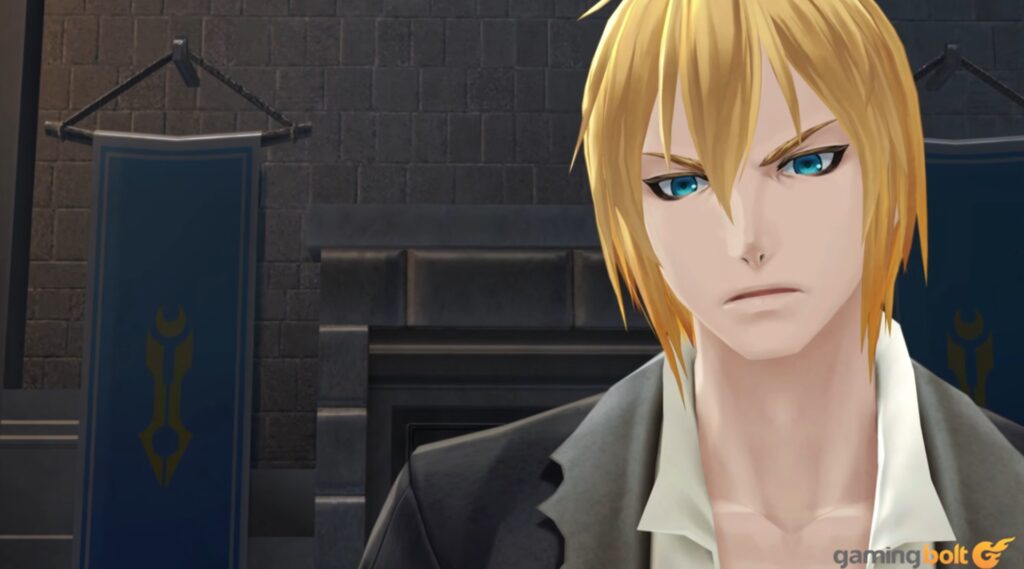
Velvet is a complex character – not quite a hero, and not quite a villain. You might question whether you should even be assisting her with what she’s trying to accomplish.
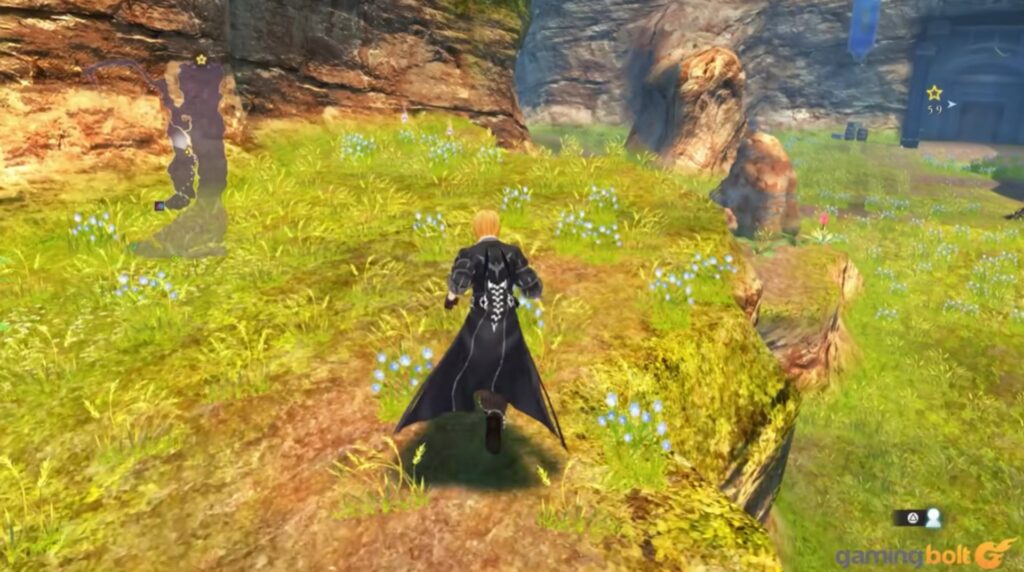
Honestly, one thing that bothered me about the original game still bugs me even in the remaster. They did move those Bottomless Denore/Inoph Bottles – the ones that let you fast travel – to an earlier point in the game, which is nice. But they’re not that helpful, and you still end up running all over the place. They did give us a 20% speed boost, which is cool, but honestly, all the backtracking just gets old fast. It feels like a lot of repetitive running around.
I really appreciated the new star marker that shows both the location and distance to main story objectives. Also, being able to access the Grade Shop right away let me quickly progress through the story. However, the Grade Shop could make the game too easy, even on harder difficulties, so I suggest limiting the benefits you take from it if you want a real challenge.
The remaster looks and runs noticeably better, but the improvements aren’t groundbreaking. Character faces still appear a bit rigid, despite being well-designed. On PlayStation 5, the game aims for a smooth experience at 4K resolution and 60 frames per second, and generally achieves it. We didn’t notice any distracting pop-ins or stutters during gameplay or cutscenes on most levels. While the environments aren’t particularly exciting, this was also a limitation of the original game.
The sound design and voice acting are particularly well done, and the soundtrack is one of the best in the series. The Japanese voice acting really brings the story to life. While the English dub is okay, I’d suggest playing with subtitles to get the most out of the experience.
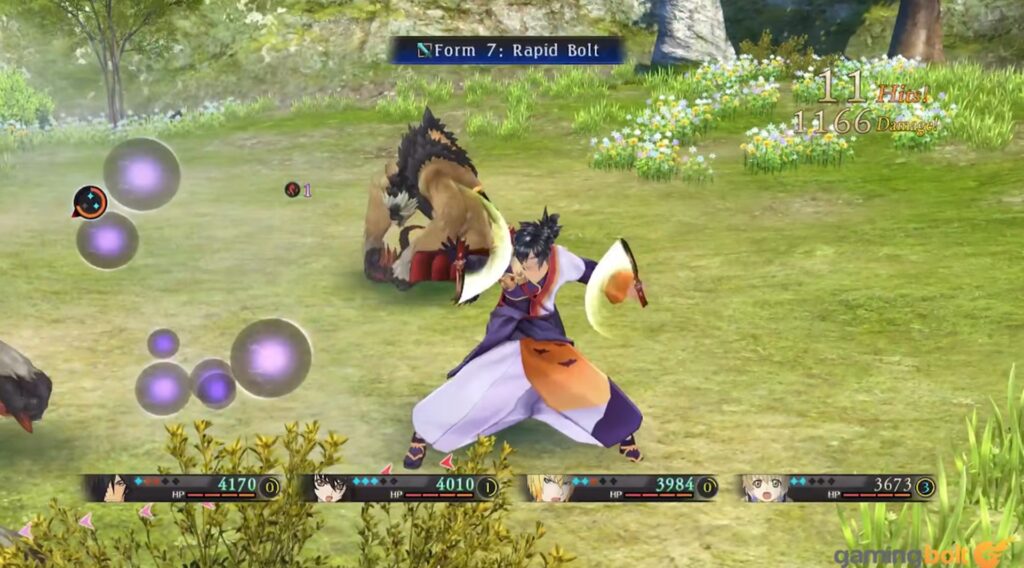
The AI controlling your teammates and opponents isn’t very complex, so you’ll largely be responsible for handling the most challenging parts of the game.
I enjoyed the story, and the exploration was okay, but I wasn’t a fan of the combat in Berseria. While the controls felt good and combos were fluid, the system ultimately felt too basic.
I enjoy combat systems in Japanese role-playing games (JRPGs) that let you work well with your teammates, but Tales of Berseria’s combat mostly involves rapidly pressing buttons, with occasional special moves and attacks called Break Souls. The core of the fighting system is managing your Soul gauge – you use Souls for actions, and need to replenish them while also protecting yourself from enemies draining yours.
The AI controlling your teammates and enemies isn’t very complex, so you’ll generally be responsible for most of the fighting. While the AI occasionally manages a win – like when it finished off an enemy after my character was defeated – it often takes a while, making me prefer to handle things myself. Ultimately, how much you enjoy the combat will depend on your personal preference and whether you like games of this type.
You can now turn off random battles with field enemies, letting you explore without fighting unless it’s part of the story. This saves time if you’re focused on the narrative. Plus, you can increase the experience points you earn from the battles you do choose to fight using upgrades from the Grade Shop, so your characters still level up as expected.
The game’s menus are confusing and difficult to navigate, which makes it frustrating to customize your characters and try out different skills. While the RPG elements themselves aren’t very complex, accessing them through the menus is a chore, especially since the battles are fairly easy. I eventually just stopped using the menus altogether.
How much you enjoy this game will depend on your taste in combat and similar games. Your experience will vary based on your personal preferences.
Is the remastered version of Tales of Berseria worth the upgrade? That really depends on what you’re hoping for. If you just want to enjoy the story, either by replaying it or experiencing it for the first time, and aren’t too concerned with other aspects of the game, then this remaster is definitely a good option.
If you’re looking for a challenging and engaging game, this title might be worth considering – but perhaps when it’s on sale. The combat is uneven, and the constant need to explore can become repetitive, as these elements are central to how the game plays.
If you already enjoy the previous game or other Tales games, you’ll likely love this one. Otherwise, it might be best to hold off and buy it when it’s on sale.
This game was reviewed on PlayStation 5.
Read More
- Everything You Need To Know About Nikki Baxter In Stranger Things’ Animated Spinoff
- ‘The Bride!’ Review: Jessie Buckley Breathes Life into a Monstrous Mess
- Welcome to Demon School! Iruma-kun season 4 release schedule: When are new episodes on Crunchyroll?
- Anna Wintour Reacts to Rumors She Approves All Met Gala Looks
- The Boys Season 5, Episode 5 Ending Explained: Why Homelander Does THAT
- Taylor Sheridan’s Gritty 5-Part Crime Show Reveals New Final Season Villain
- Miranda Kerr Shares “Quick” Procedure She Got Before Met Gala 2026
- Why There’s No Ghosts Tonight (Nov 27) & When Season 5, Episode 7 Releases
- Mark Zuckerberg & Wife Priscilla Chan Make Surprise Debut at Met Gala
- USD JPY PREDICTION
2026-03-05 15:46