Disney rarely sees major, expensive movies flop, which makes recent failures particularly surprising. These projects often seem perfect on paper – like a classic science fiction novel from the 1960s, full of interesting concepts, brought to life with a great cast and a massive budget, all supported by a powerful studio. You’d expect a guaranteed success, but somehow things go wrong, and the film underperforms. It’s incredibly frustrating when this happens. This particular movie is mostly remembered not for its artistic merit, but for how much money it lost.
What makes this failure particularly frustrating is that, at the time, it felt like a smart move. Disney had been consistently successful with familiar franchises – Marvel movies, the new Star Wars films, and live-action remakes like Beauty and the Beast and Alice in Wonderland. Adapting a beloved book into a big-budget film seemed like a natural way to continue that success, giving a classic story to a wider audience. Sadly, it just didn’t work out as planned.
A Wrinkle in Time Had All the Ingredients for Disney’s Next Big Blockbuster
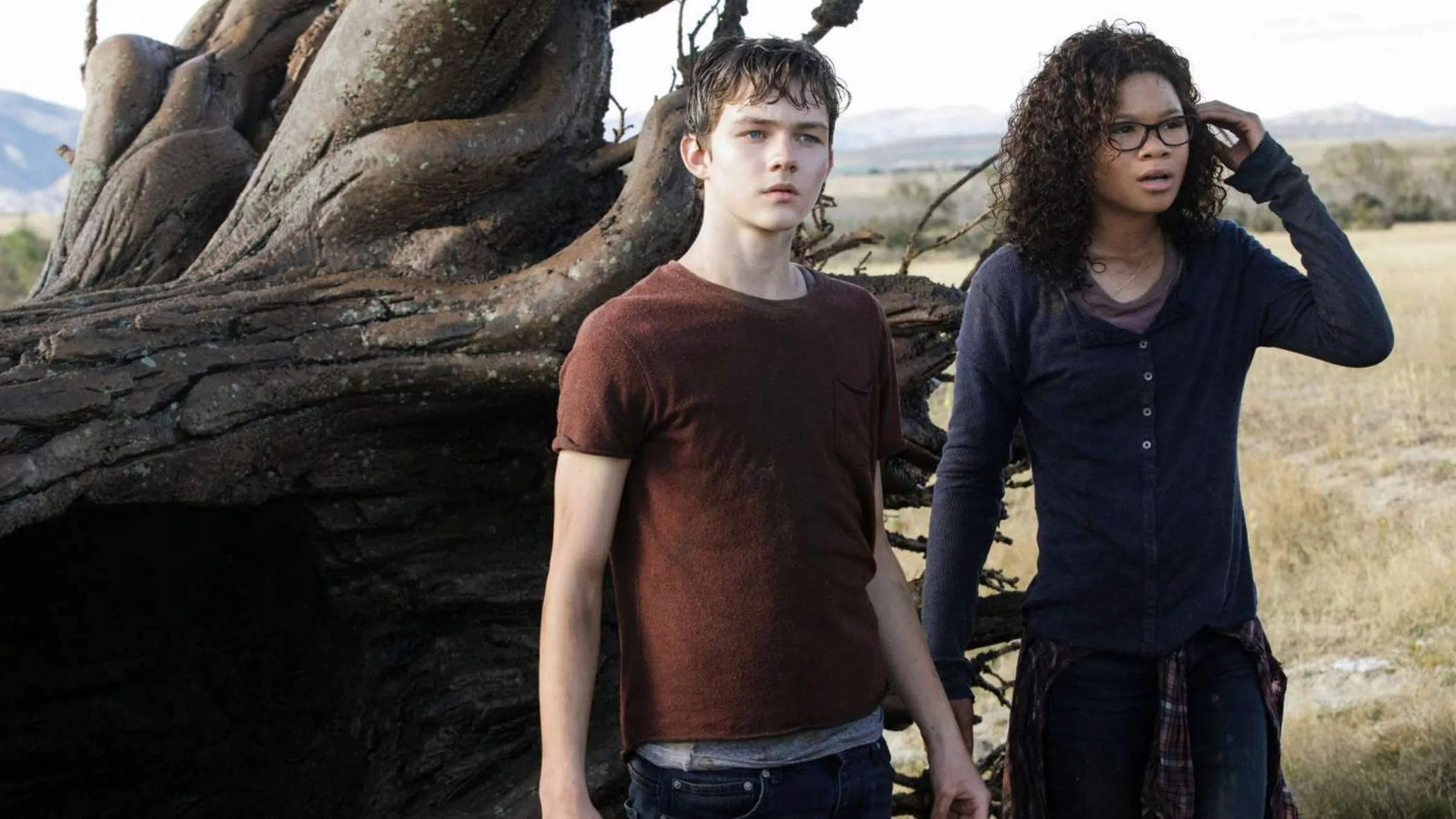
Inspired by Madeleine L’Engle’s novel, A Wrinkle in Time tells the story of Meg Murry, a teenager struggling with her father’s mysterious disappearance. He was a scientist exploring space travel and other dimensions. When three strange visitors appear with information about his whereabouts, Meg embarks on an incredible journey across the universe with her brother, Charles Wallace, and her friend, Calvin. Their mission is to find her father and battle a powerful, evil force that could take over everything. While the film has the feel of a classic Disney adventure, it’s important to remember it’s a science fiction story, which can be challenging to bring to the screen.
Combining science, philosophical ideas, themes of growing up, and a touch of fantasy creates a complex story that needs a solid structure to succeed, even though it might initially seem like a typical Disney adventure. Because of all these elements, it wasn’t a guaranteed blockbuster, but the studio decided to invest heavily and promote it as a major film event, which inevitably led to high expectations.
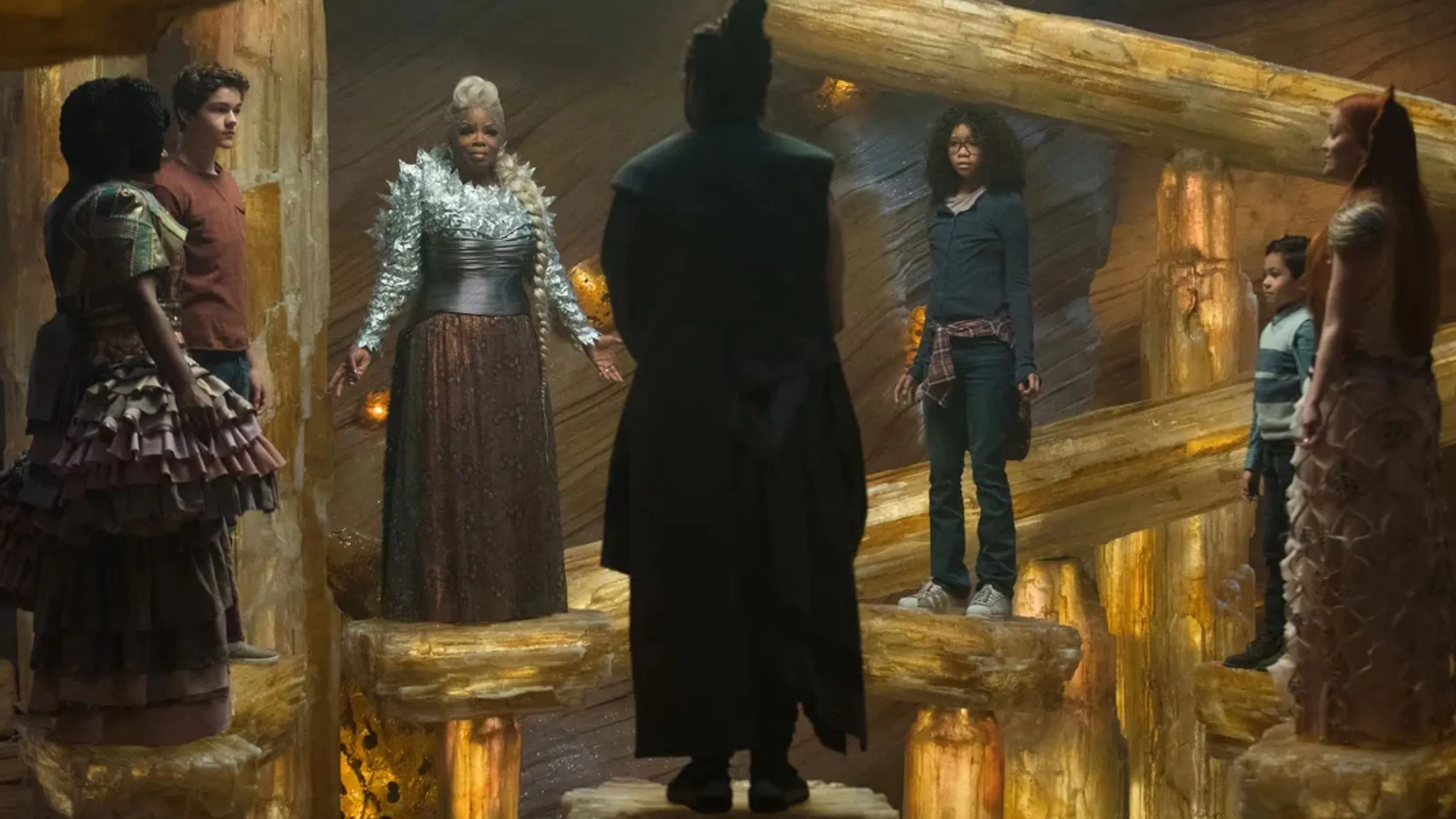
The film benefited from a talented creative team. Director Ava DuVernay, already known for her work on Selma, made history as the first Black woman to helm a movie with a nine-figure budget. The star power of Oprah Winfrey, Reese Witherspoon, and Mindy Kaling also generated excitement. Disney’s marketing campaign further emphasized the film’s potential, presenting A Wrinkle in Time as a grand, visually stunning adventure. Trailers highlighted vibrant imagery, unusual creatures, and fantastical landscapes, hinting at an epic new fantasy franchise similar to Harry Potter and The Chronicles of Narnia. The overall effect was a campaign designed to launch the next major family film series.
The main issue with the movie is that it didn’t fully earn its potential. Rather than feeling like the start of an epic adventure, A Wrinkle in Time often feels unfinished, like it was still searching for its direction. It tries to stay true to the book’s important messages about finding yourself and believing in your own worth, while also trying to be a fun movie for everyone. Unfortunately, it never quite manages to strike the right balance between those two goals.

The film takes a simpler approach to the book’s more thought-provoking ideas – particularly the science and the main character’s inner struggles – but doesn’t explore them fully or consistently. Instead of building tension through these elements, the movie relies too much on simply stating what’s happening. This is a key weakness, as the story loses its impact when its inherent complexity is removed.
It quickly became apparent in the reviews that while the film was visually impressive and Disney deserved credit for attempting something new in the family blockbuster genre, the execution fell short. The visuals were arguably the project’s strongest element, but they didn’t translate into a compelling story. Ultimately, a film aiming for blockbuster status needs a narrative that’s as strong as its visual effects, and this movie didn’t quite achieve that balance.
How A Wrinkle in Time Became a Major Box Office Bomb

When A Wrinkle in Time was released in theaters in 2018, it earned around $33 million during its opening weekend. While that might seem like a good amount, it was much lower than expected for a film that cost over $100 million to make. Unfortunately, audiences didn’t love it, and ticket sales fell quickly afterward. The movie also faced tough competition from Black Panther, which was still incredibly popular weeks after its release. It’s hard for any film to compete with a massive hit from the Marvel Cinematic Universe, but it was particularly challenging for A Wrinkle in Time, which struggled to attract viewers.
Although A Wrinkle in Time made $133 million worldwide in theaters – a generally respectable amount – it was considered a major flop for a big-budget film. Considering the costs of making and advertising the movie, Disney likely lost over $100 million. This kind of financial failure was unusual for Disney, particularly during the 2010s when they were consistently successful with blockbuster releases. While they had experienced losses on films like Mars Needs Moms and John Carter before, A Wrinkle in Time highlighted how rare those exceptions were.
While Disney’s attempt to do something new with this adaptation was well-meaning, good intentions aren’t enough to make a movie successful. All aspects of a project need to come together seamlessly. Ultimately, this film fell into a tricky spot, trying to be both a true-to-the-book adaptation and a crowd-pleasing blockbuster – and it didn’t quite succeed at either.
As a big movie fan, I think about A Wrinkle in Time a lot when I see studios trying to adapt beloved books or stories. It’s a good example of how even a company like Disney, with all its experience, can really miss the mark when they try to turn something with a dedicated fanbase into a huge blockbuster. I could definitely see the appeal of the original story, but looking back, maybe it just wasn’t the right fit for their style. It’s a real shame it ended up being such a costly flop, especially considering Disney’s track record.
What do you think? Leave a comment below and join the conversation now in the ComicBook Forum!
Read More
- Everything You Need To Know About Nikki Baxter In Stranger Things’ Animated Spinoff
- The Boys Season 5, Episode 5 Ending Explained: Why Homelander Does THAT
- Taylor Sheridan’s Gritty 5-Part Crime Show Reveals New Final Season Villain
- FRONT MISSION 3: Remake coming to PS5, Xbox Series, PS4, Xbox One, and PC on January 30, 2026
- ‘The Bride!’ Review: Jessie Buckley Breathes Life into a Monstrous Mess
- Why There’s No Ghosts Tonight (Nov 27) & When Season 5, Episode 7 Releases
- Welcome to Demon School! Iruma-kun season 4 release schedule: When are new episodes on Crunchyroll?
- From season 4 release schedule: When is episode 2 out on MGM+?
- Mark Zuckerberg & Wife Priscilla Chan Make Surprise Debut at Met Gala
- USD JPY PREDICTION
2026-03-09 18:15