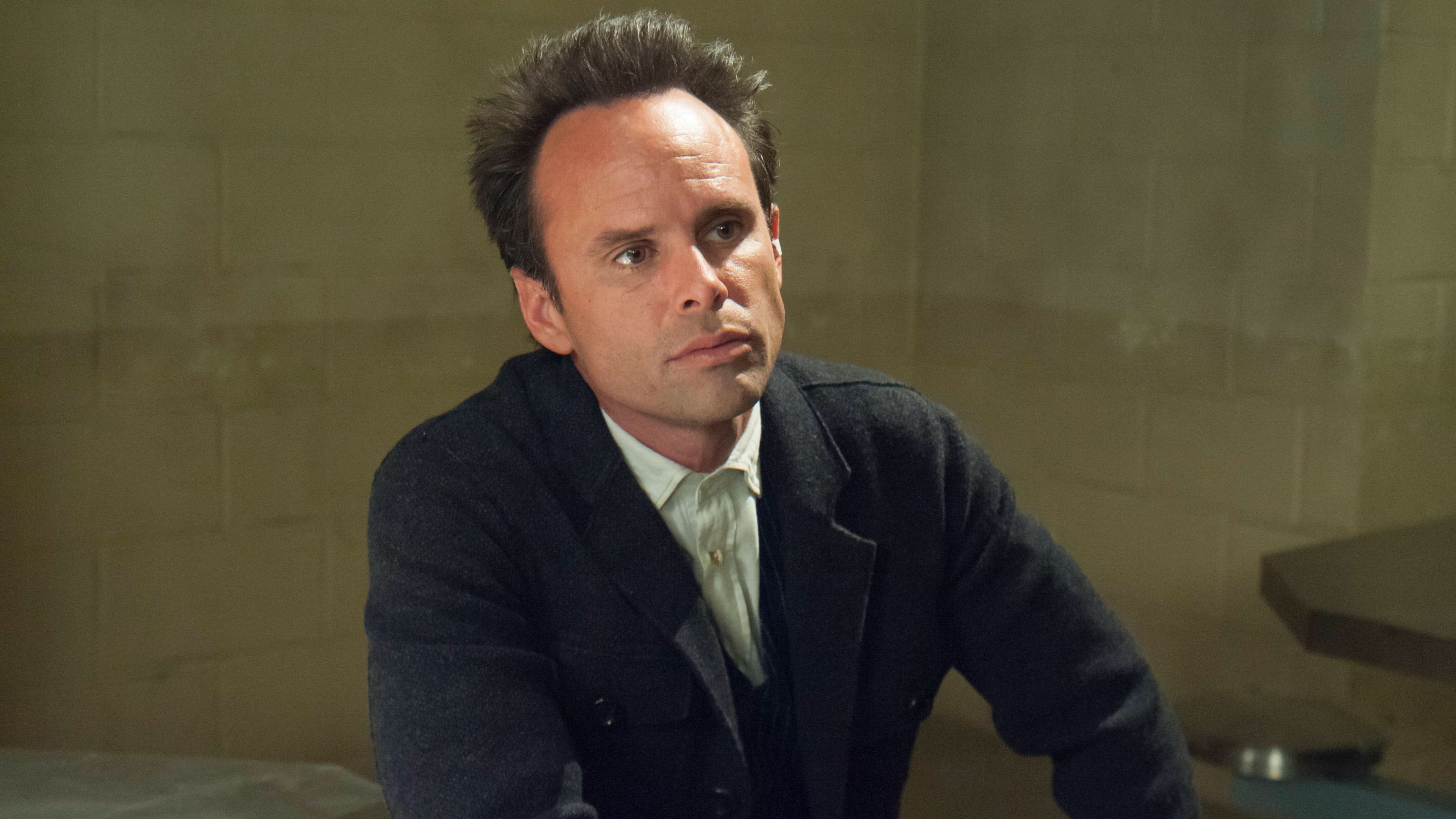
Yellowstone isn’t just a good modern Western; it’s become the defining Western on television. It captures the feel of the classic genre with stories of ranch life, power struggles, and a modern take on frontier justice. But despite its brilliance, Yellowstone actually follows a similar blueprint established eight years prior by the show Justified.
First airing in 2010, Justified starred Timothy Olyphant as Raylan Givens, a Deputy U.S. Marshal who brought an old-fashioned, gunslinger approach to law enforcement in contemporary Kentucky. While Yellowstone focuses on family power and disputes over land, Justified was more of a classic crime drama, but still maintained a strong connection to Western themes.
Today, Yellowstone is a hugely successful franchise with multiple spin-offs, prequels, and critical praise. But it didn’t achieve this success on its own. Years earlier, Justified paved the way by experimenting with a modern take on Western themes, demonstrating that audiences were ready for a fresh look at classic frontier stories.
Justified Brought Western Tropes To The Modern Era Years Before Yellowstone
The Modern Neo-Western Blueprint Started Long Before The Dutton’s Made Their Debut
Yellowstone skillfully updates the familiar themes of classic Westerns for a modern audience. Instead of traditional homesteads, we see sprawling ranches, and powerful corporations have replaced the old railroad tycoons. While cowboys still ride horses, they now carry automatic rifles. This blend of old and new gives the show a timeless quality that appeals to viewers even if they don’t typically watch Westerns.
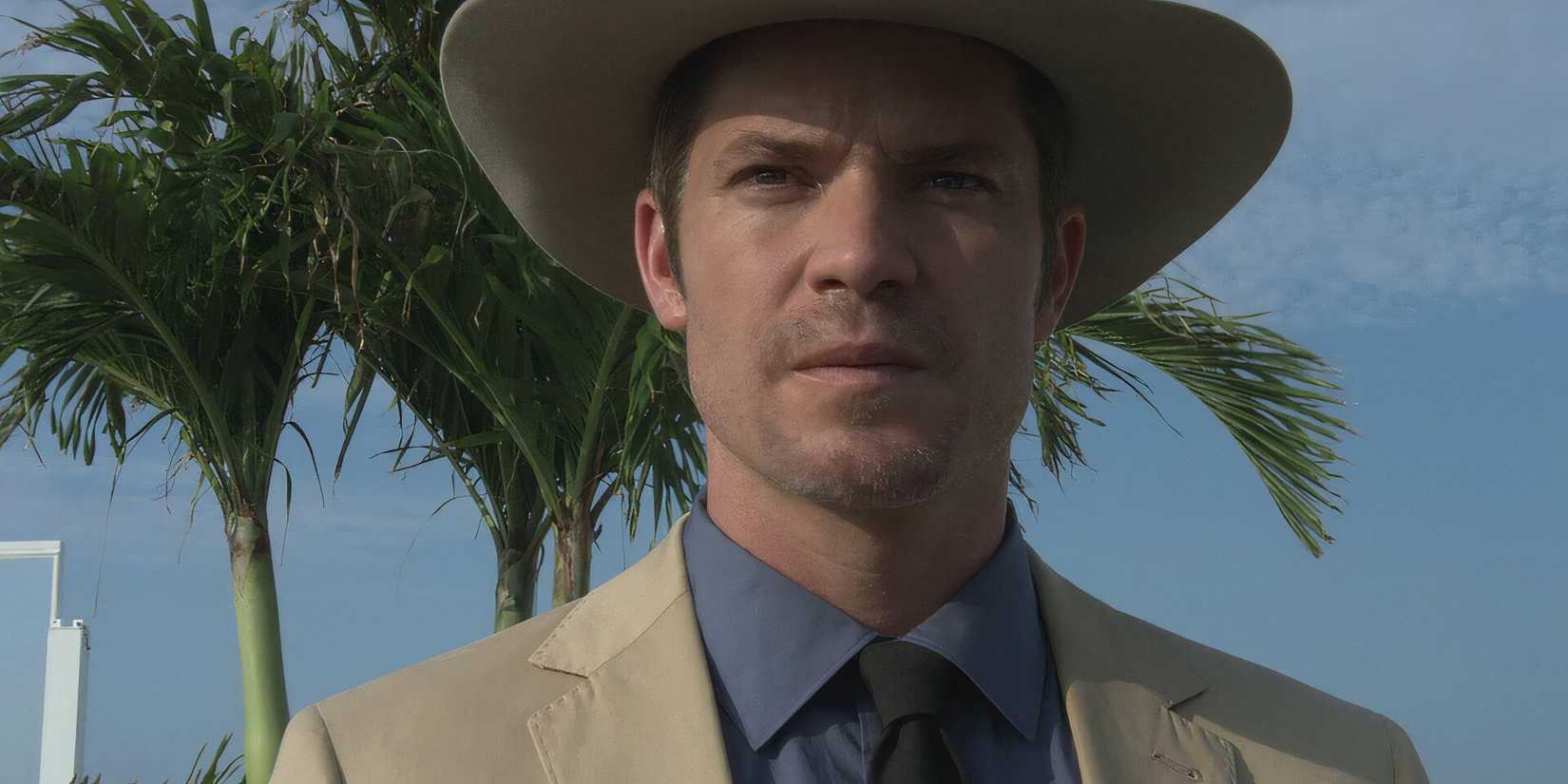
But Justified explored similar themes years before, though in a different setting. Instead of vast Montana ranches, it centered on the coal country and criminal underbelly of Kentucky. Still, the show’s style was instantly recognizable. Timothy Olyphant’s character, Raylan Givens, sported a Stetson hat, delivered witty, slow-spoken lines, and approached confrontations like classic Western duels – except these took place outside bars and courthouses.
The TV show Justified updated the traditional Western formula. Each episode often featured a self-contained conflict, reminiscent of classic frontier stories, but the larger season-long storylines played out like the epic range wars of old. Instead of outlaw gangs, the show focused on criminal families, and law enforcement took on the role of the cavalry. The series struck a balance between realism, witty humor, and complex moral questions, all without relying on simple nostalgia.
Above all, Justified demonstrated that Westerns didn’t require classic desert settings or a historical 19th-century backdrop to feel genuine. The show built its identity through a distinct mood, compelling characters, and the tension between old ways and new ideas—rather than relying on a particular era. This innovative approach effectively created a modern take on the Western genre.
When Yellowstone debuted, the groundwork had already been laid. While Taylor Sheridan’s Western drama was expansive, its innovative structure wasn’t entirely new. Justified had previously demonstrated how to update the classic Western genre while staying true to its core spirit.
Yellowstone’s Focus On Character Development Owes A Lot To Justified
Making Long-Term Character Arcs Work In A Western Began In 2010
Today’s Western TV shows succeed or fail based on how well-developed their characters are. Simple heroes and villains aren’t enough anymore. Audiences now expect characters to change and grow throughout the series, with complex reasons for their actions. While action like gunfights is still important, viewers also want to see characters with emotional depth and personal journeys that matter.
As a film and TV lover, I always appreciate complex characters, and Justified really nailed that. Raylan Givens wasn’t just your typical cowboy lawman; he felt so real because his flaws – his quick temper, his pride, and all the stuff he hadn’t dealt with from his past – actually drove his choices. It wasn’t just about solving cases; the fallout from those cases, and even Raylan’s own actions, kept his inner struggles going, often as much as any bad guy he faced.
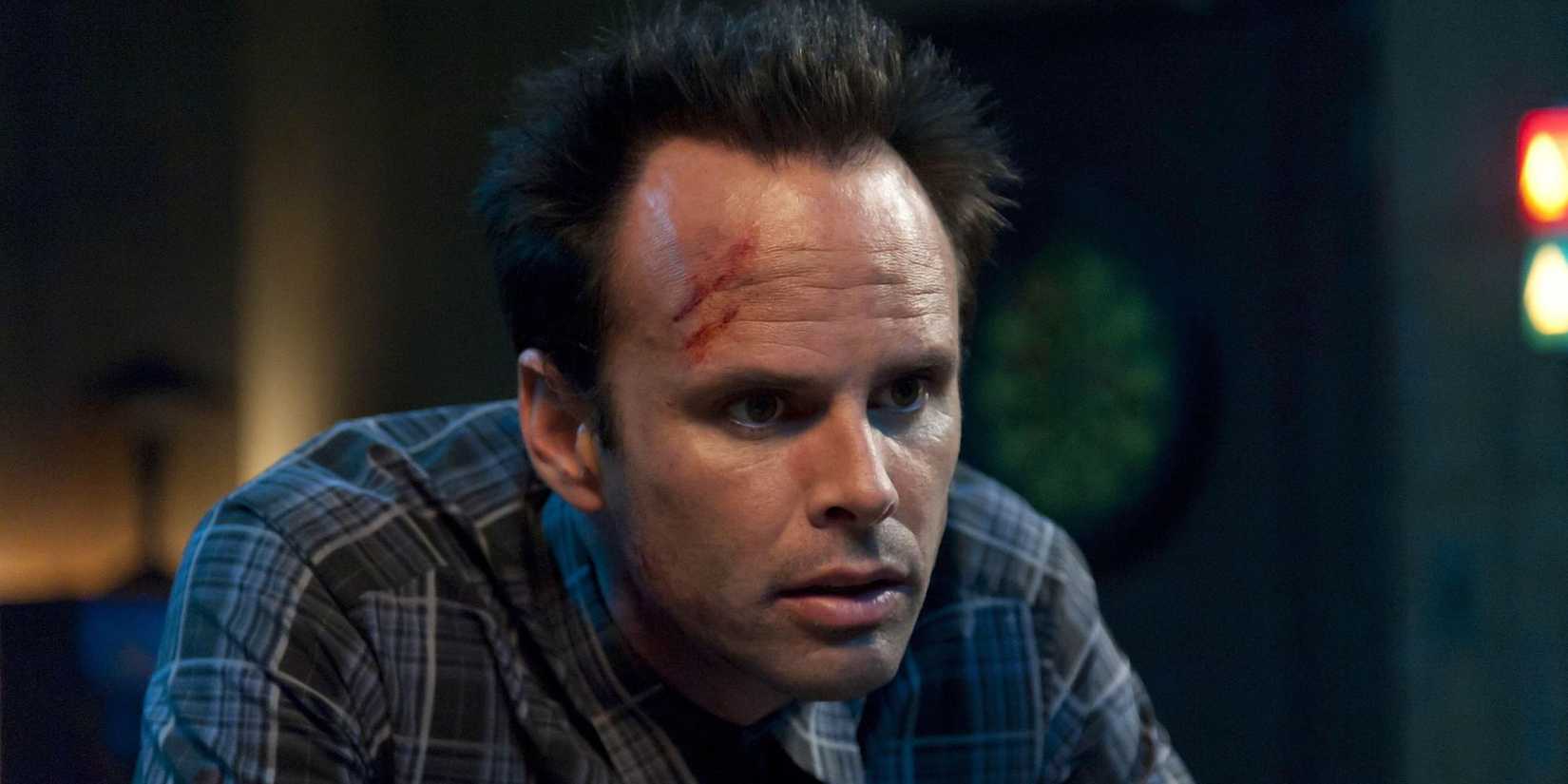
But when it comes to developing characters over multiple seasons, Boyd Crowder (played by Walton Goggins) is the standout achievement of Justified. He started as a criminal with white supremacist beliefs, but transformed into a thoughtful outlaw whose allegiances changed and who revealed unexpected emotional depth. His conflict with Raylan wasn’t simply a typical lawman-versus-criminal dynamic; it was a detailed exploration of both characters, unfolding over several years.
The careful development of complex characters became a hallmark of Yellowstone. John Dutton, played by Kevin Costner, is more than just a tough ranch owner; he’s a cunning planner, a devoted father, and a man burdened by the weight of his family’s history. Kelly Reilly’s character, Beth Dutton, transforms her past trauma into fierce determination in the world of business. Like the six-season dynamic between Raylan and Boyd in Justified, these characters grow and change throughout the series.
Thanks to the success of Justified in showcasing complex characters, Yellowstone didn’t have to take a big risk with its format. Justified had already proven that a character-driven Western could work well on television. While Taylor Sheridan perfected this approach with his Yellowstone saga, the groundwork was laid by the earlier show set in Harlan County.
Justified Proved Westerns Don’t Need Heroes To Work
Black-And-White Frontier Justice Has Given Way To Moral Ambiguity
Classic Western movies presented a clear sense of right and wrong. The good guys, like sheriffs, always fought for justice, while the bad guys, the outlaws, disrupted it. Even characters with inner struggles usually fell on one side or the other. Viewers always knew who to root for when the conflict ended.
Unlike classic Westerns, today’s neo-Westerns are complex and morally gray. Shows like Yellowstone succeed because they explore a world where the lines between right and wrong are blurred by the need for power, loyalty, and simply surviving. The Dutton family will use fear, deceit, and force to protect their land, and often, their rivals have understandable reasons for opposing them. This makes it hard to take sides – who you sympathize with depends entirely on the situation.
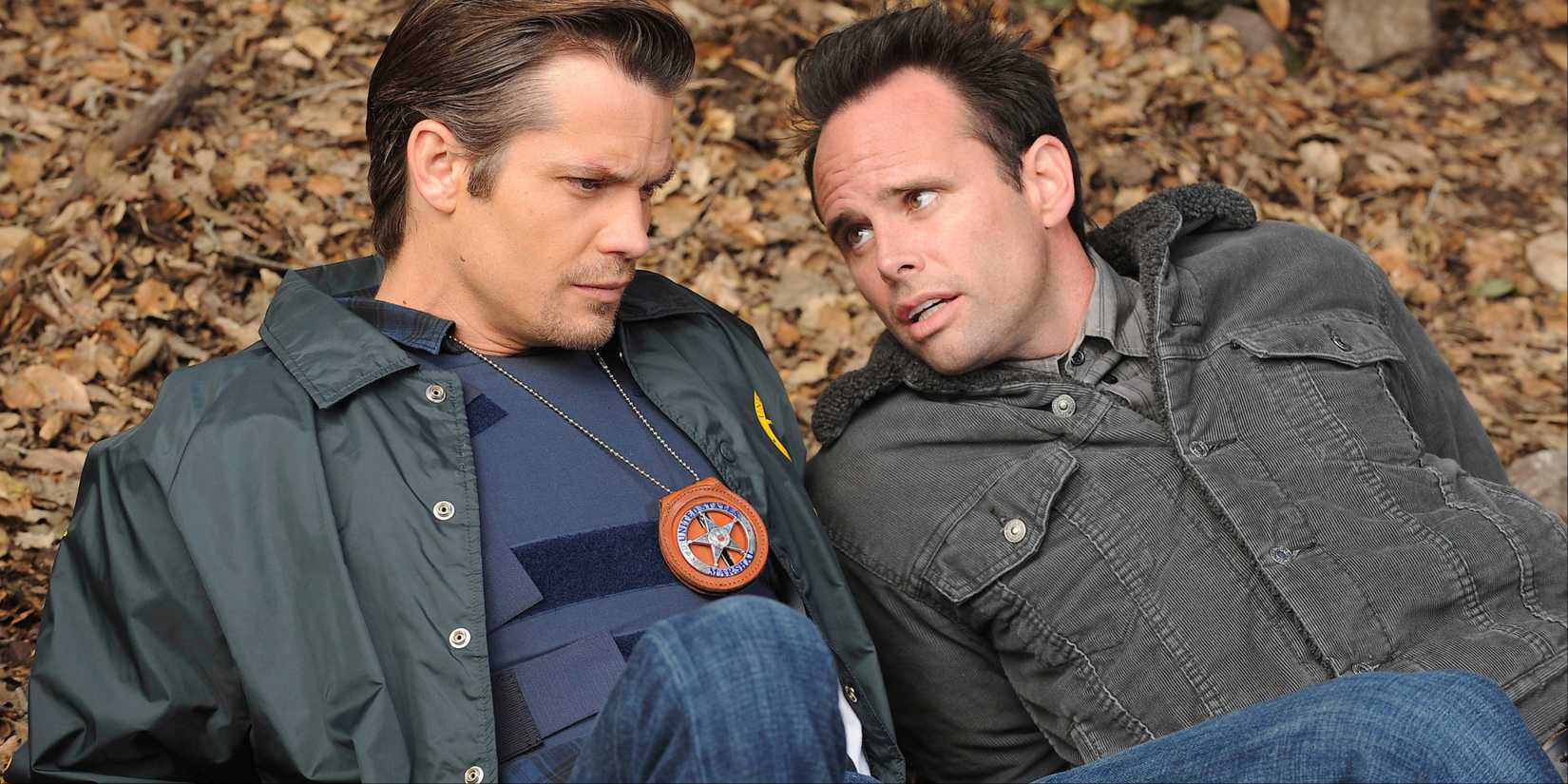
The fact that Yellowstone features characters who are, at best, flawed and morally gray wasn’t a gamble. The show Justified had already proven that audiences would accept this kind of storytelling. Justified’s Raylan Givens, despite being a lawman, often pursued personal scores and wasn’t afraid to skirt the rules. He’d push boundaries, even seeming to relish using deadly force, proving that simply holding a position of power didn’t make him a good person.
Boyd Crowder wasn’t a typical bad guy. He was smart, charming, and lived by a twisted set of beliefs, making him capable of both cruelty and surprising integrity. Instead of just disliking him, viewers often found themselves understanding his motivations and even feeling sorry for him.
What sets Yellowstone apart is that every character operates in a gray area – they’re neither purely good nor evil. But before audiences were ready to fully embrace a world of ethically complex characters, Justified paved the way by making flawed heroes more acceptable. The traditional Western no longer requires perfect heroes. Justified demonstrated that imperfect characters make more compelling frontier stories, and Yellowstone built a hugely successful show around that idea.
Read More
- Adam Levine Looks So Different After Shaving His Beard Off
- Gold Rate Forecast
- Nintendo Switch 2 Reportedly Getting Remake of One of the Best PS3 and Xbox 360 Games
- Welcome to Demon School! Iruma-kun season 4 release schedule: When are new episodes on Crunchyroll?
- Tekken 8 Fans Furious as Tifa Tipped for Street Fighter 6 Instead
- 10 Movies That Were Banned in Different Countries For Random Reasons
- Dialoop coming to Switch on June 17
- Steam Makes Sci-Fi Game 100% Free for 72 Hours
- See Kaia Gerber & Lewis Pullman’s Vanity Fair Oscars Party Date Night
- Crimson Desert Guide – How To Unlock All Elemental Skills
2026-03-12 19:41