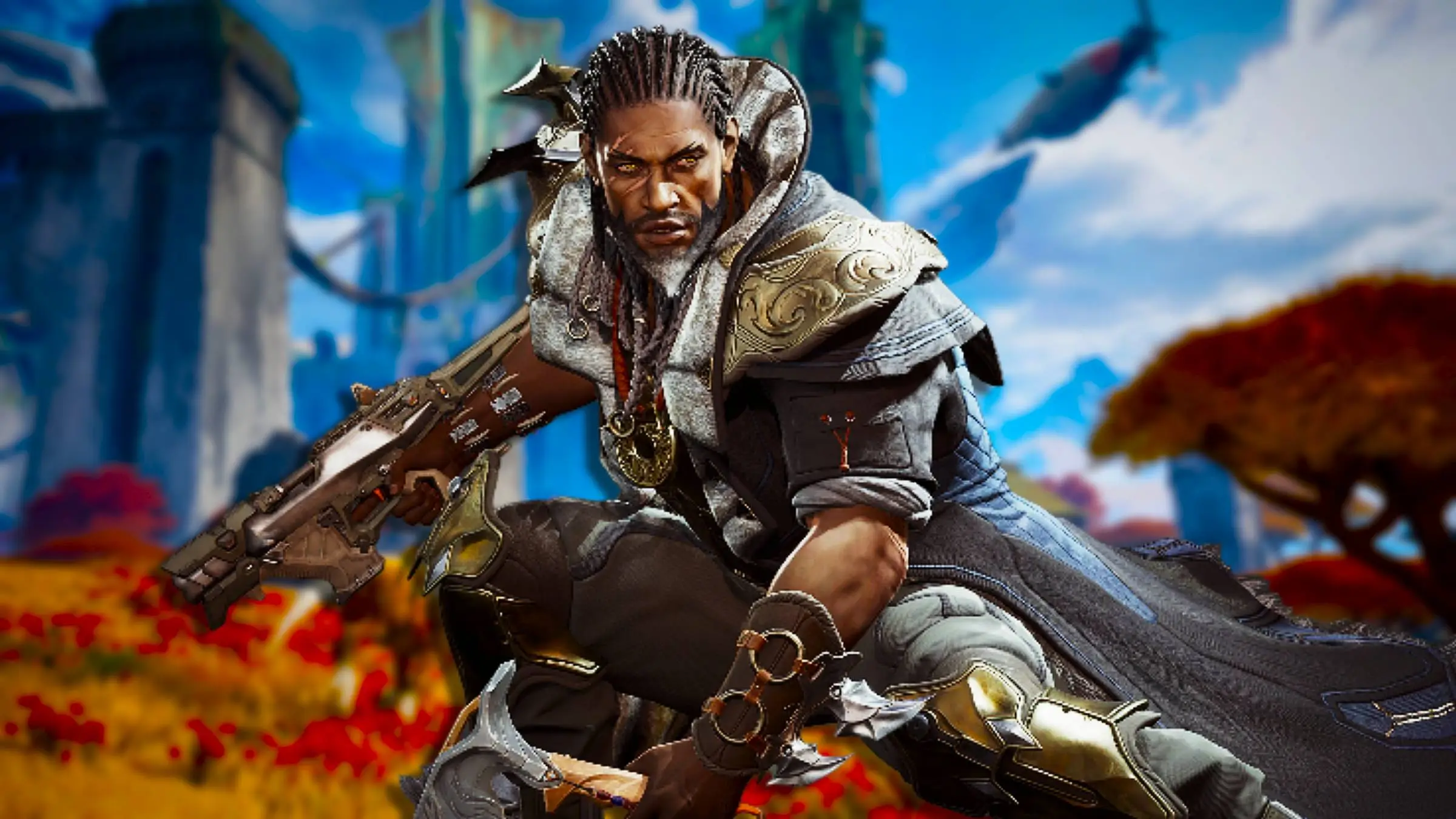
2026 saw its first major video game disappointment surprisingly early in the year – usually, it takes a few months of unremarkable releases before a truly big failure emerges. While not quite as disastrous as the $400 million loss from the game Concord, this new failure is significant. Our goal isn’t to criticize the game or its developers, but to analyze what went wrong and, more importantly, to help future game creators avoid repeating those mistakes.
I’m talking about Highguard, the hero shooter that unfortunately failed after only 45 days. Several things worked against it – it launched right after the 2025 Game Awards, and players quickly stopped playing. Despite its good design and potential within the hero shooter genre, it was quickly shut down, which was disappointing. Interestingly, Highguard’s struggles might actually help other games avoid the same problems in the future.
Highguard Never Should Have Launched The Way It Did
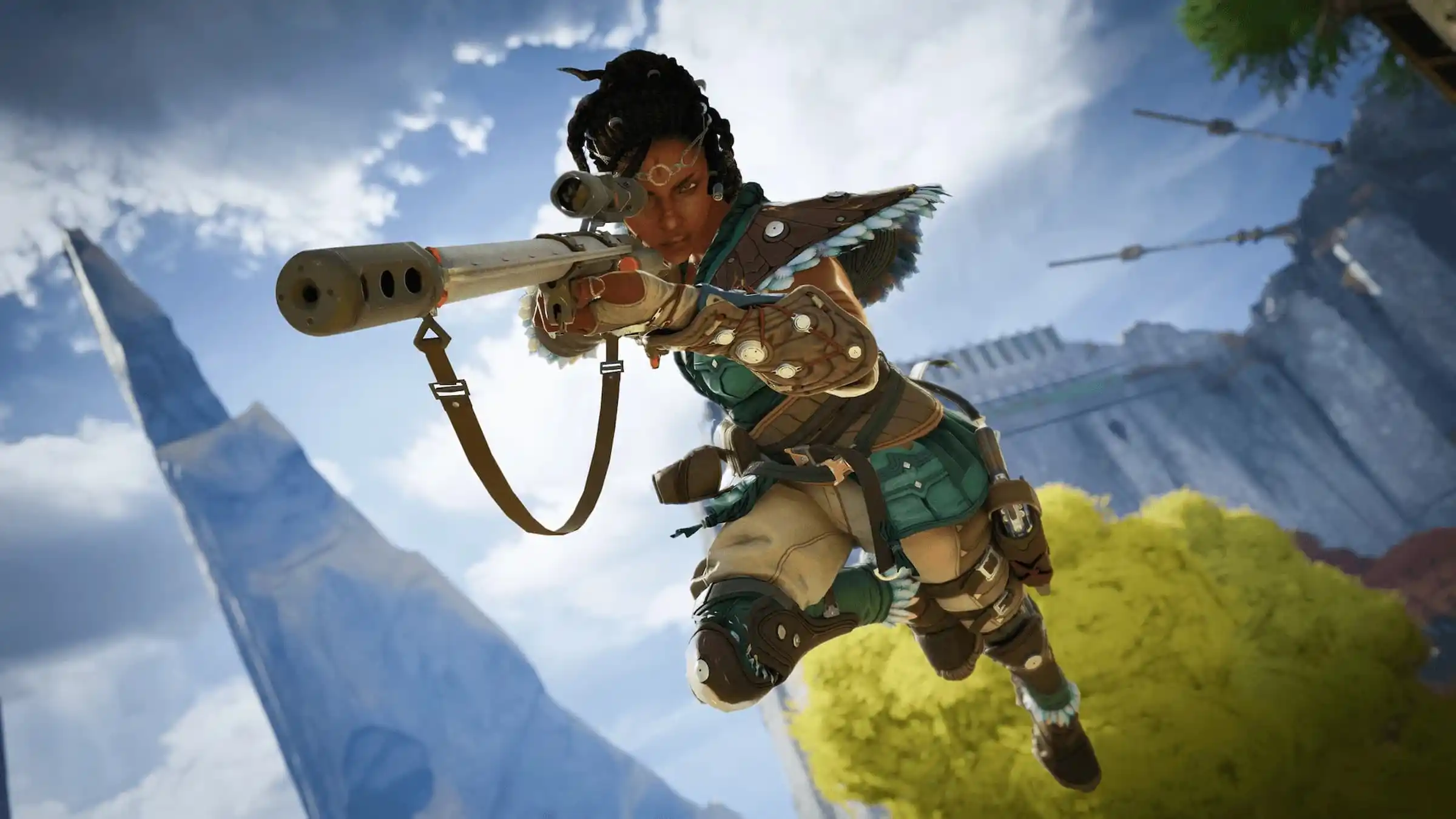
It’s disappointing that Highguard failed, especially because it had potential. The main problem wasn’t the game itself, but a poor launch strategy by Wildlight Entertainment, which ultimately doomed it from the start. While early negative reactions certainly didn’t help, the real issue was how the game was released – or rather, how it wasn’t given a fair chance.
As a fan, it’s really frustrating to look back and see that Wildlight Entertainment skipped a beta test for Highguard. Apparently, according to a Bloomberg article about what went wrong, the higher-ups actually shut down the idea of a limited release to see if people would even like it. They were hoping to pull off the same surprise launch that Apex Legends did, but the timing was just totally off. Apex came out when everyone was still excited about live service games and battle royales were booming. Highguard didn’t have that benefit. It launched into a market that was already overflowing with similar games, and honestly, people were starting to get tired of the whole live service model anyway. It feels like a beta could have saved them a lot of trouble.
After playing Highguard, it’s obvious the game needed more development to make it truly enjoyable. A limited-time beta release would have been helpful, allowing the developers to gather feedback and improve the game knowing players understood it wasn’t fully finished and would be more patient with any issues. Instead, players quickly lost interest and didn’t come back because they expected a complete game and weren’t willing to wait for improvements.
Using a beta period has proven successful for many games, as seen with titles like Arc Raiders and Marathon, which effectively built hype and a dedicated community before launch. While there have been failures – Concord released its beta too close to launch, for example – a well-timed and thoughtfully executed beta can significantly increase a game’s chances of success in today’s crowded market where so many games are competing for players’ attention.
More Multiplayer Games Need Soft Launches
These days, releasing a multiplayer game in stages – a ‘soft launch’ – is the smartest approach. Unlike a single-player game where a surprise release can work, games that rely on ongoing players need feedback before they fully launch. With so many games available, multiplayer titles need to make a strong first impression. Players aren’t willing to invest time in a game they hope will improve later on – they want a good experience right from the start.
People participating in beta tests don’t worry too much about making a bad first impression because they see it as a trial run – a preview of what the game could become with a little refinement. Plus, involving players in this way builds a community, which is crucial for any game that’s designed to be played and updated over a long period. While not all developers can afford a lengthy beta phase, and some rely on buzz and marketing, a beta test feels essential for most major studios launching a new, ongoing game experience.
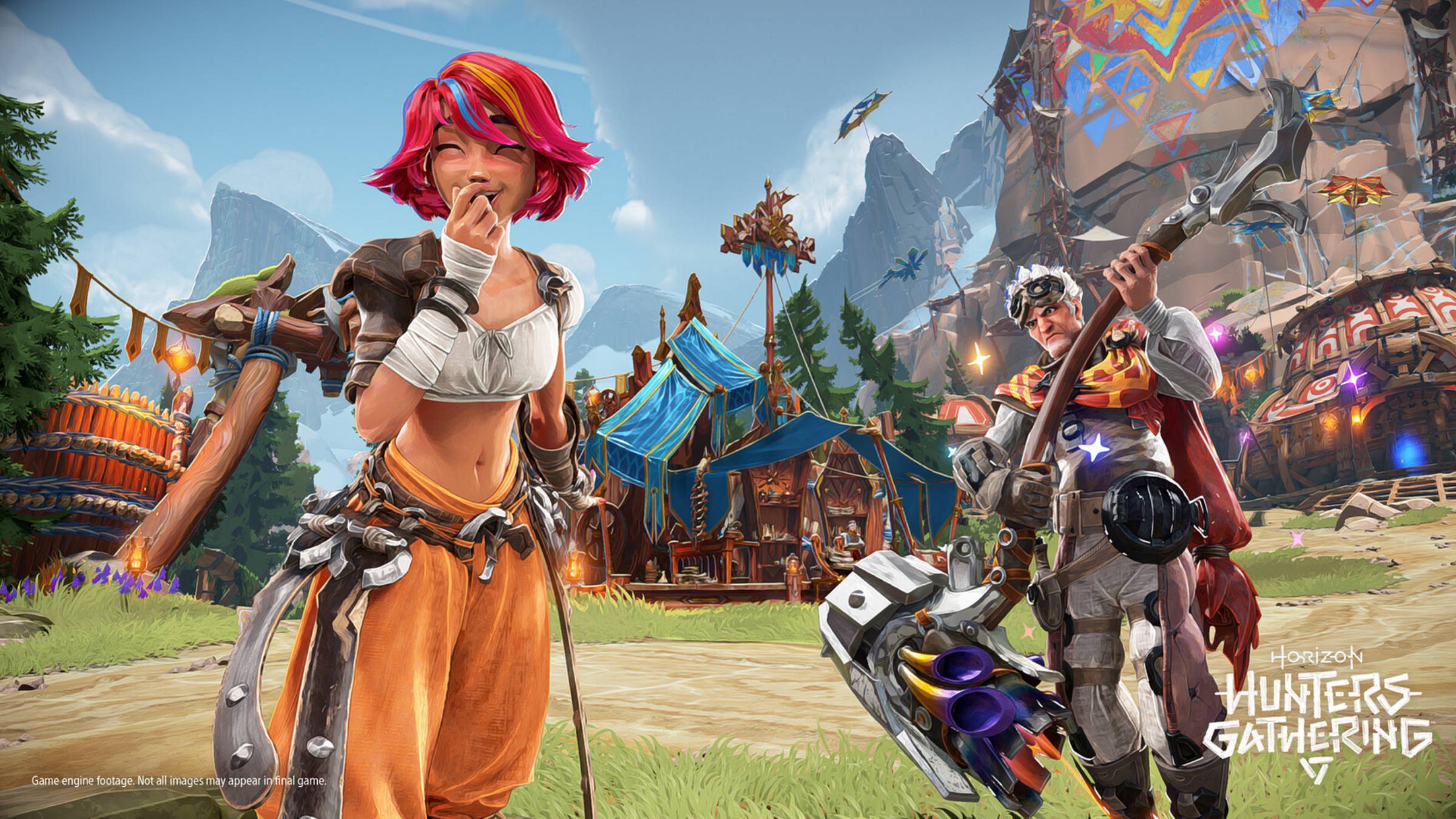
Sony made a smart move by showing off its new game, Horizon Hunters Gathering, early on. Without a preview, it likely would have struggled like another Sony game, Concord. Valve also saw great success with Deadlock by having a long beta period. This allowed the game to build excitement and a dedicated fanbase before launch. While games could get away with a big splashy reveal ten years ago, today’s crowded market requires new games – especially those with original ideas – to build momentum gradually, no matter how talented the developers are.
The gaming industry constantly needs to adapt to what players want, and for games that are continuously updated, testing with players beforehand – through things like Betas – is essential. I was very disappointed to see Highguard shut down, just like I was with Concord. Ultimately, talented developers lost their jobs, and we lost a game that had potential. But let’s learn from this; it shouldn’t be forgotten. I hope future developers pay attention to what happened with Highguard and Wildlight Entertainment’s mistakes. They should always do a short Beta test to show players why their game deserves attention when so many others are competing for it.
Should more online games have a testing phase before they officially release? Share your thoughts in the comments and join the discussion on the ComicBook Forum!
Read More
- Adam Levine Looks So Different After Shaving His Beard Off
- Gold Rate Forecast
- Nintendo Switch 2 Reportedly Getting Remake of One of the Best PS3 and Xbox 360 Games
- Welcome to Demon School! Iruma-kun season 4 release schedule: When are new episodes on Crunchyroll?
- Tekken 8 Fans Furious as Tifa Tipped for Street Fighter 6 Instead
- 10 Movies That Were Banned in Different Countries For Random Reasons
- Dialoop coming to Switch on June 17
- Steam Makes Sci-Fi Game 100% Free for 72 Hours
- See Kaia Gerber & Lewis Pullman’s Vanity Fair Oscars Party Date Night
- Crimson Desert Guide – How To Unlock All Elemental Skills
2026-03-12 20:10