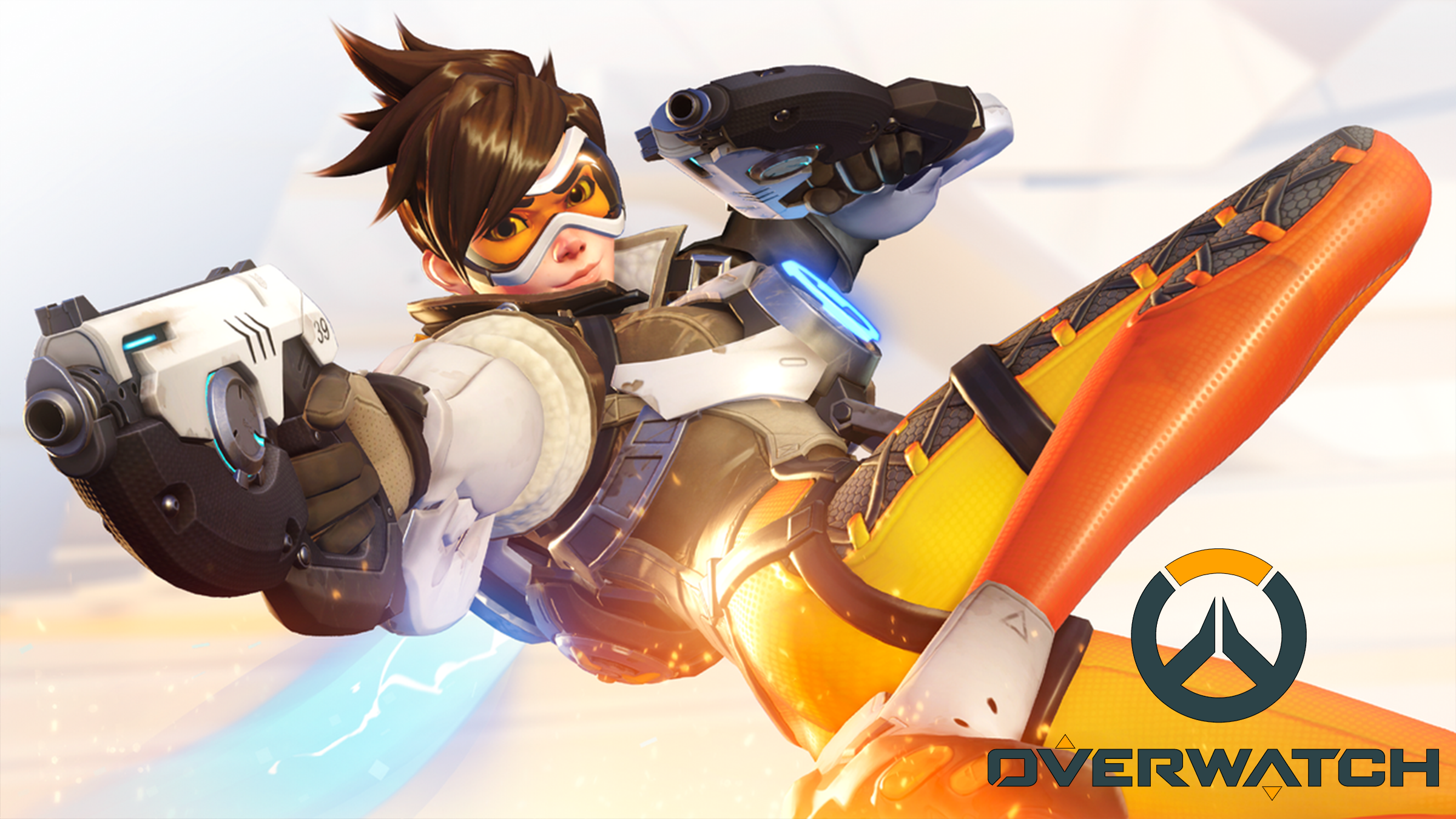
The history of Overwatch is a bit sad. Once one of the most popular hero shooters ever, it’s struggled after the disappointing launch of its sequel and disagreements with its player base. Even though many people still play it, Overwatch 2 needed a major revamp to win back players after years of updates that didn’t meet expectations. There’s been a lot of public discussion about problems with Overwatch, and now, new information is revealing more about what went wrong behind the scenes.
In a recent podcast interview with Lex Fridman, Jeff Kaplan, a former co-creator of Overwatch, opened up about the challenges he faced while leading the game. He discussed disagreements with people at Blizzard, things he wished had been done differently with Overwatch’s content, and some of his new projects. Although his perspective is personal, his insights offer valuable lessons for developers of other ongoing, live-service games even today.
5. Excitement For Overwatch League Set Too Many Unrealistic Expectations

Overwatch League was an ambitious attempt to create a professional esports scene for the popular hero shooter, Overwatch, and it initially built a strong competitive community. However, Jeff Kaplan has stated the league was overly hyped and promises about its long-term success were unrealistic. He felt it was heavily marketed, especially to those who invested in buying teams. While the early stages of the league were successful, it ultimately prioritized profits too much – a pattern that became clear over time.
Jeff has stated that some people were led to believe Overwatch League would eventually surpass the NFL in popularity. This inflated expectation caused significant investment in Overwatch, to the point where esports considerations began to directly impact game development. While features like Twitch integration, spectator cameras, and pro team skins were popular with fans, they diverted crucial resources from ongoing improvements to the game itself.
The constant need for new content for the Overwatch League took time and resources away from developing features for Overwatch 2, including the popular PvE mode that was later cancelled. The focus on quickly generating revenue through the League was driven by investor expectations, primarily from outside of Blizzard and Activision. According to Jeff, this meant that previously planned development for Overwatch was sidelined as the team became increasingly committed to fulfilling their promises for the esport.
4. Reliance On Team-Focused Mechanics Took Away From Individual Contribution
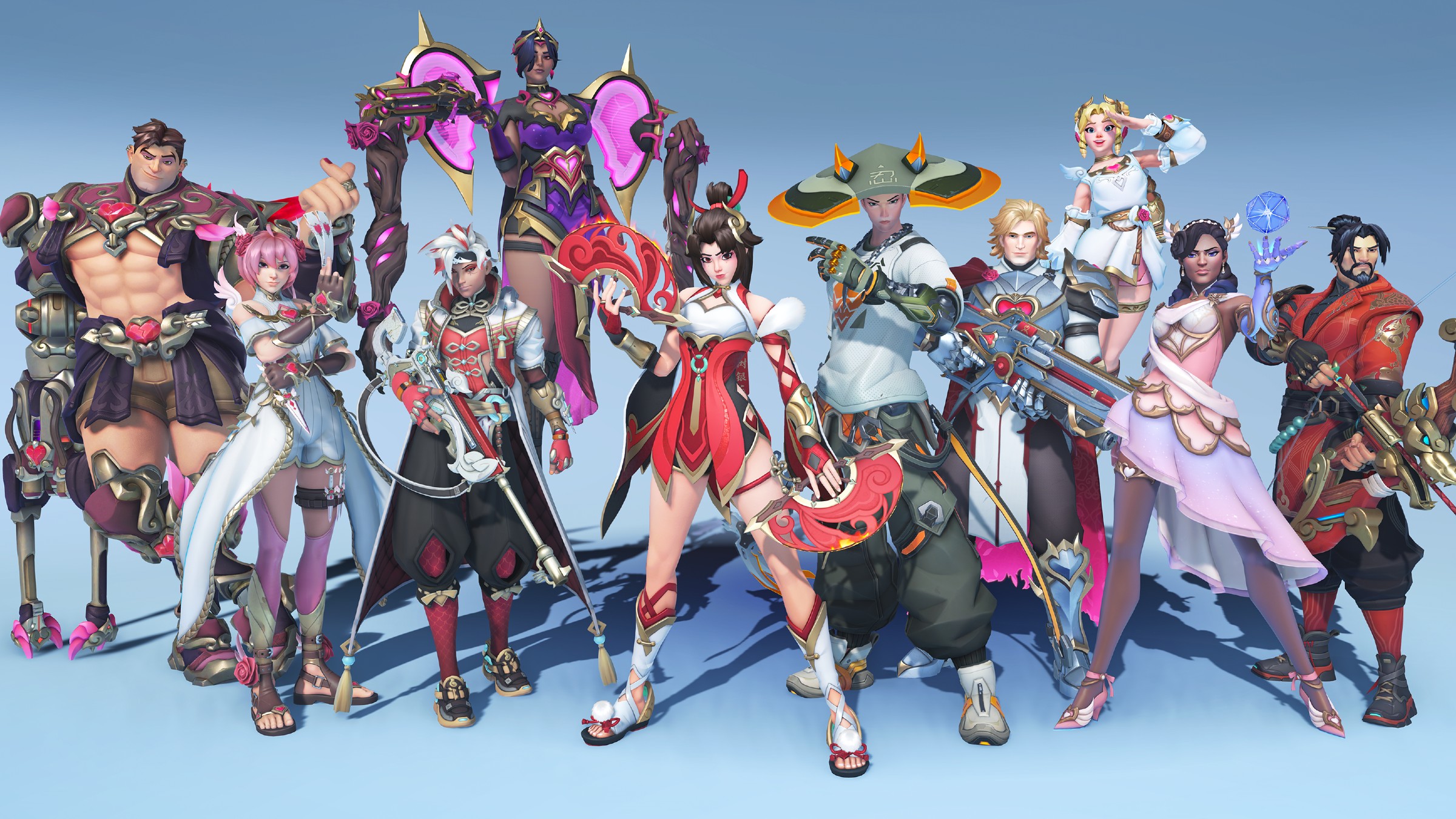
Jeff Kaplan also discussed how the team-based structure was central to the creation of Overwatch. While the game is well-known for its emphasis on teamwork, Kaplan notes that the game’s systems didn’t strongly reward individual skill. Instead, success heavily relied on how well players worked together. This focus on team synergy is still a key part of Overwatch today, but it can sometimes lead to frustration and blame when the team isn’t performing well.
The challenging nature of team-based play in games like Overwatch may have contributed to its reputation for having a negative community, a pattern we’re seeing again in newer hero shooters like Marvel Rivals. Even attempts to encourage positive interactions, such as a medal system in Overwatch, were often misused to blame teammates. While teamwork is essential in these games, the need to constantly rely on strangers can unfortunately lead to distrust and negativity, similar to the problems seen in the League of Legends community.
3. Initial Overwatch 2 Pitches Came At The Wrong Time
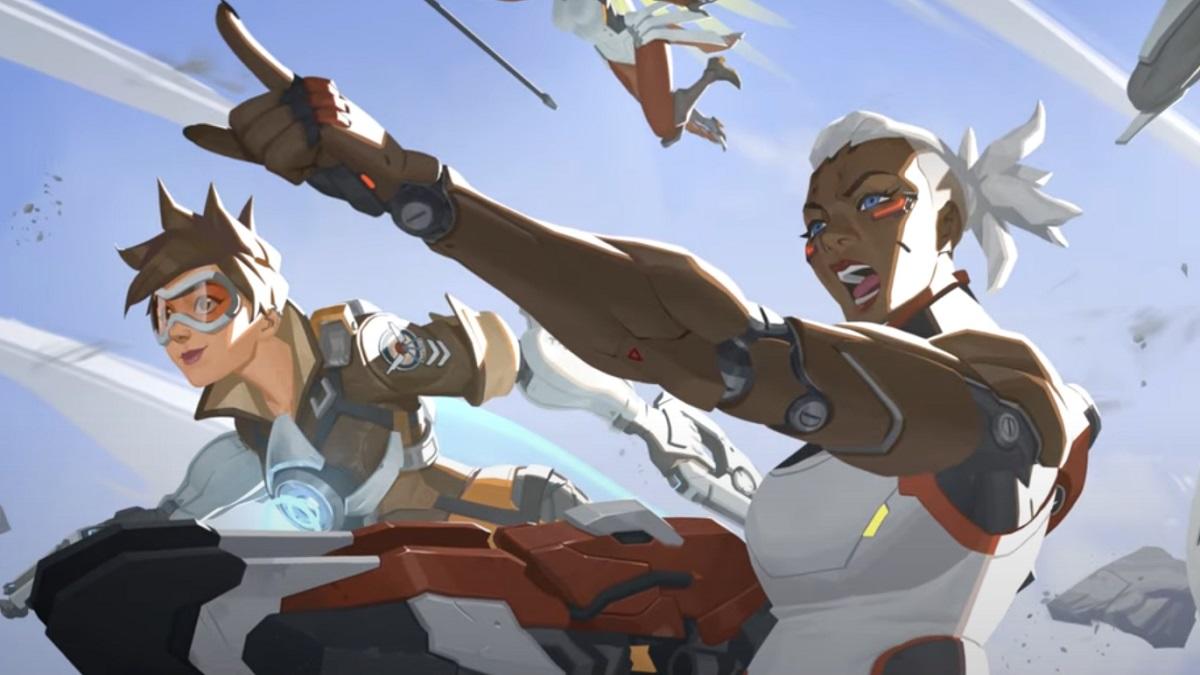
Jeff Kaplan also revealed that the idea for Overwatch 2 was first proposed just before the original Overwatch launched. While ambitious to promise a sequel before players even experienced the first game, it wasn’t far-fetched given how successful Overwatch became in 2016. However, the features planned for Overwatch 2 ultimately put pressure on the development team, making it difficult to continue improving the original game as its popularity soared.
The initial success of Overwatch actually created problems, as players began asking when Overwatch 2 would arrive with promised features like the PvE mode. This also caused disagreements within Blizzard, with some developers wanting to focus on new projects instead of the game’s player-versus-player content. Because Activision and Blizzard were eager for a sequel, early suggestions and ideas were treated as firm commitments before a solid development plan was in place.
It’s largely based on what Jeff Kaplan has said, but it’s common for live service games to face pressure from executives. The recent unsuccessful launches of games like Highguard and Concord demonstrate the challenges hero shooters face internally. Because of the excitement surrounding new features planned for Overwatch 2, the original Overwatch struggled to maintain a consistent experience for its players during its most popular years.
1. Blizzard’s Demands Were Downright Self-Sabotaging At Different Times

Although Jeff Kaplan’s personal feelings might not be entirely accurate, the podcast interview indicates that Blizzard Entertainment was primarily responsible for the problems that led to Overwatch‘s decline. This isn’t surprising to players who have long criticized Blizzard, but Kaplan’s explanation provides new details about the reasons why. He ultimately decided to leave his role after discussions with Blizzard’s CFO during a difficult period for Overwatch.
According to Jeff, Blizzard’s CFO warned him that Overwatch needed to generate a significant amount of revenue each year, or the company would have to lay off 1,000 people on the game’s development team. The CFO also indicated that Jeff would be personally responsible for those job losses. Jeff says this conversation in 2020 was a turning point for him, proving that Blizzard cared more about Overwatch’s profits than anything else.
While businesses naturally aim to make money, these accusations against Blizzard suggest a damaging kind of greed that has hurt what made Overwatch successful. It seems a pattern emerged: too much dependence on Overwatch League events, pressure to create Overwatch 2, and leadership that didn’t fully grasp game development – a sadly familiar story.
Jeff Kaplan has shared that the Blizzard executive who previously challenged him is no longer with the company. This change might signal a positive trend for the revamped Overwatch, which seems to be regaining popularity with fans in 2026. However, it’s unlikely the game will ever fully recapture the excitement it had when it first launched, demonstrating how corporate interference can negatively impact even the most successful games.
What do you think caused Overwatch‘s popularity to decrease? Share your thoughts in the comments or discuss it on the ComicBook Forum!
Read More
- FRONT MISSION 3: Remake coming to PS5, Xbox Series, PS4, Xbox One, and PC on January 30, 2026
- Best Controller Settings for ARC Raiders
- Mark Zuckerberg & Wife Priscilla Chan Make Surprise Debut at Met Gala
- The Boys Season 5 Officially Ends An Era For Jensen Ackles’ Soldier Boy
- Meet the cast of Good Omens season 3: All the actors and characters
- 7 Great Marvel Villains Who Are Currently Dead
- Welcome to Demon School! Iruma-kun season 4 release schedule: When are new episodes on Crunchyroll?
- Nippon Sangoku Is The Best New Post-Apocalyptic Anime of Spring 2026
- XRP AUD PREDICTION. XRP cryptocurrency
- Gold Rate Forecast
2026-03-13 01:13