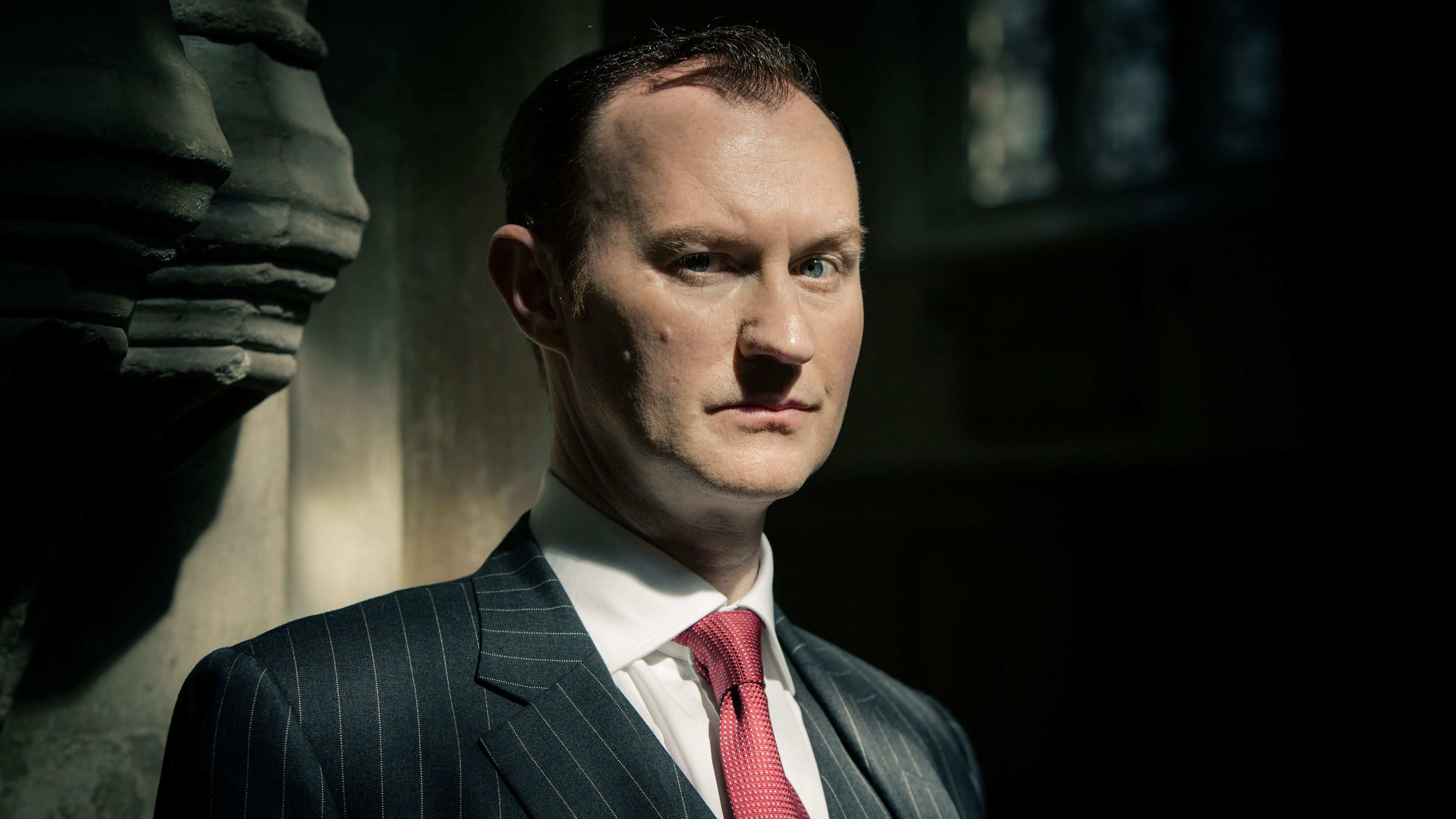
The detective series Sherlock, created by Mark Gatiss and Steven Moffat, was incredibly popular when it first aired and gained a large following. While it was a big success, opinions have shifted, but it still remains a highly regarded show – often appearing on lists of the greatest TV series ever made.
The TV show Sherlock reimagines the classic stories of Sherlock Holmes in present-day London, incorporating modern technology and relevant social topics. Starring Benedict Cumberbatch as Sherlock and Martin Freeman as John Watson, the show’s first two seasons were highly acclaimed for their atmosphere, writing, acting, and visual style.
While the later seasons of Sherlock didn’t quite live up to the brilliance of the first two, the show remains a standout detective series and had a huge impact on fan communities. Though opinions have shifted, its influence is undeniable.
BBC’s Sherlock Was Inconsistent Throughout Its Four Seasons
As a huge fan of Sherlock, I was completely hooked by the first couple of seasons. But honestly, it hit its absolute peak way too early. For me, it was the season two finale, “The Reichenbach Fall,” that was the show at its best. That final showdown between Holmes and Moriarty – Andrew Scott was incredible! – and Moriarty’s shocking suicide, designed to push Holmes over the edge… it was just masterful. After that, things never quite felt the same.
In a dramatic turn of events, Holmes appeared to fall from the roof of St. Bart’s Hospital, with John witnessing from afar. However, it was later revealed that this was a deception. Despite the shock, the show Sherlock never quite regained the brilliance and popularity it had enjoyed in its first two seasons.
Season 3 of Sherlock stumbled from the start by never explaining how Holmes convincingly faked his death. Things then worsened with the addition of Mary Morstan and increasingly complicated, and sometimes illogical, mysteries. Holmes’s detective work felt less believable, he occasionally acted out of character, and he didn’t seem to learn or evolve as a person.
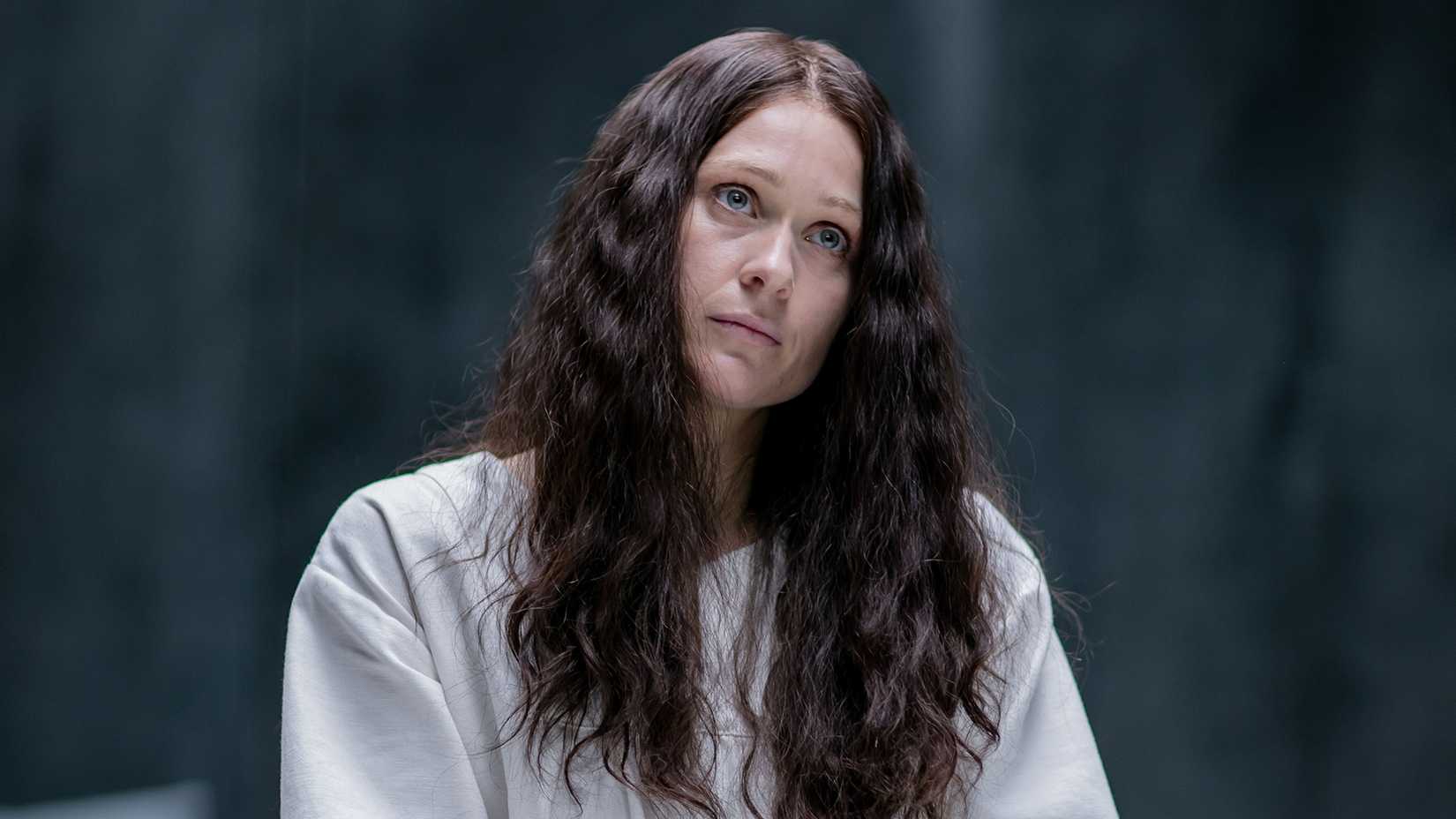
Season 4 didn’t improve things, suffering from weak storylines, numerous plot inconsistencies, and the divisive addition of Eurus Holmes (Sian Brooke), Sherlock’s younger sister. Eurus was portrayed as a brilliant criminal, so dangerous she’d been locked away for years. Her scheme to target her brothers and John felt illogical, and Sherlock’s eventual solution was disappointing.
A major weakness of Sherlock is its uneven quality, leading some fans to think the show should have concluded with Holmes’s apparent survival after his fall. Despite this, Sherlock remains a worthwhile watch and deserves recognition as one of the greatest detective shows ever made, but it’s unfortunate that its quality declined so quickly and drastically.
Sherlock’s Best Parts Are Now Made Fun Of
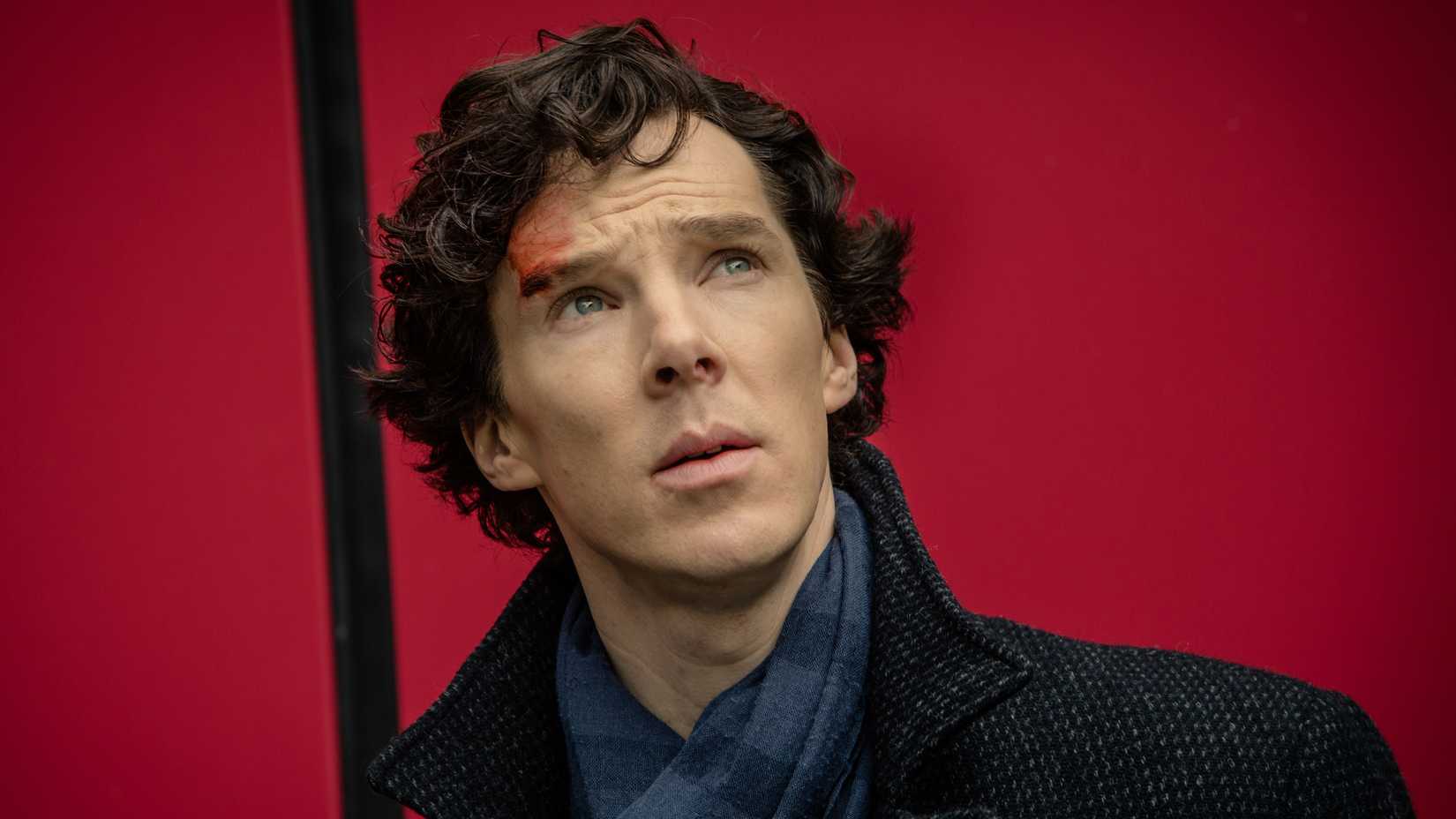
A standout feature of the show Sherlock was how it visually depicted Sherlock Holmes’ thinking. It showed viewers what Holmes saw when observing crime scenes, how he processed information, how he pieced together clues, and his well-known method of using a “mind palace.”
Watching Holmes rapidly solve mysteries was initially captivating, but many viewers now find it tiresome. Some have criticized the show Sherlock for prioritizing flashy displays of intelligence over genuine logic and realistic thinking.
Critics have also noted that Holmes frequently jumps to conclusions based on appearances rather than solid evidence, making his deductions feel flawed and unrealistic. A particularly common critique focuses on his “mind palace,” which, as portrayed in the show, doesn’t align with how such a memory technique actually works and has often been a source of ridicule.
Holmes often seemed able to recall incredibly specific and helpful details from memory at just the right moment, even when the situation looked hopeless. While these abilities were visually engaging, modern audiences now recognize they lack real depth and are no longer easily accepted as believable.
BBC’s Sherlock Constantly Failed Its Best Characters
The show Sherlock features compelling characters, including updated versions of those from Arthur Conan Doyle’s stories, as well as original characters. However, the show often didn’t live up to the potential of its best characters. A prime example is John Watson, who was frequently portrayed as someone needing rescue instead of the intelligent and resourceful partner he is in the original stories and other adaptations.
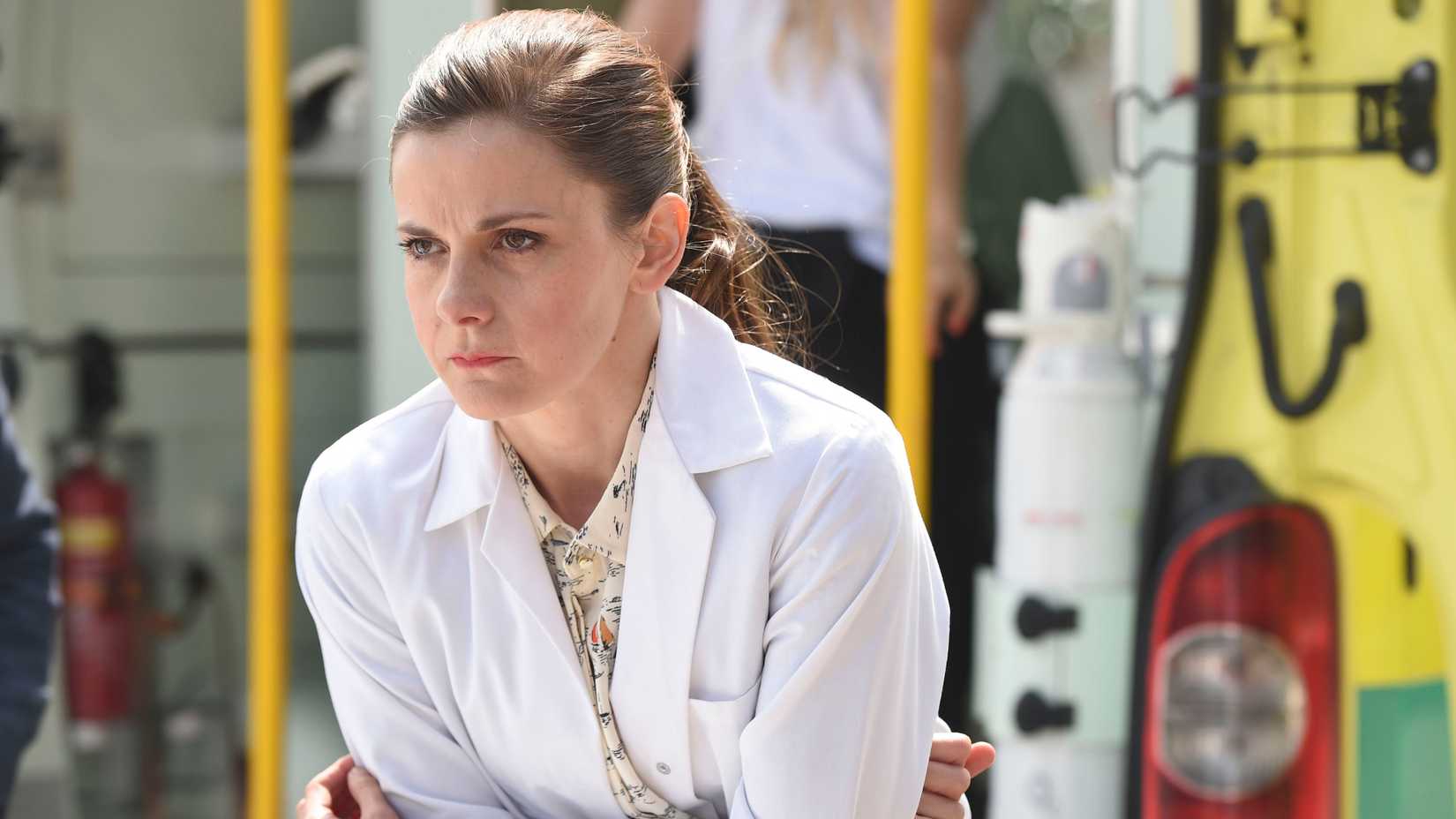
Molly Hooper, a doctor at St. Bart’s Hospital who was attracted to Sherlock, often highlighted his poor social skills. Sherlock frequently treated her badly, and she unfortunately tolerated it because she had feelings for him. This dynamic reached a low point in the final episode, where Sherlock manipulated her emotions to achieve his own goals.
A major criticism of the TV show Sherlock centers on its portrayal of Mary Morstan. While in the original stories she’s a smart and helpful partner to John Watson, the show drastically altered her character. They gave her a complicated, and ultimately unnecessary, history as a spy and assassin, which led to deception and her eventual death – a plot point that also negatively impacted John’s storyline.
Sherlock’s Biggest Mistake Was Disrespecting Its Fandom
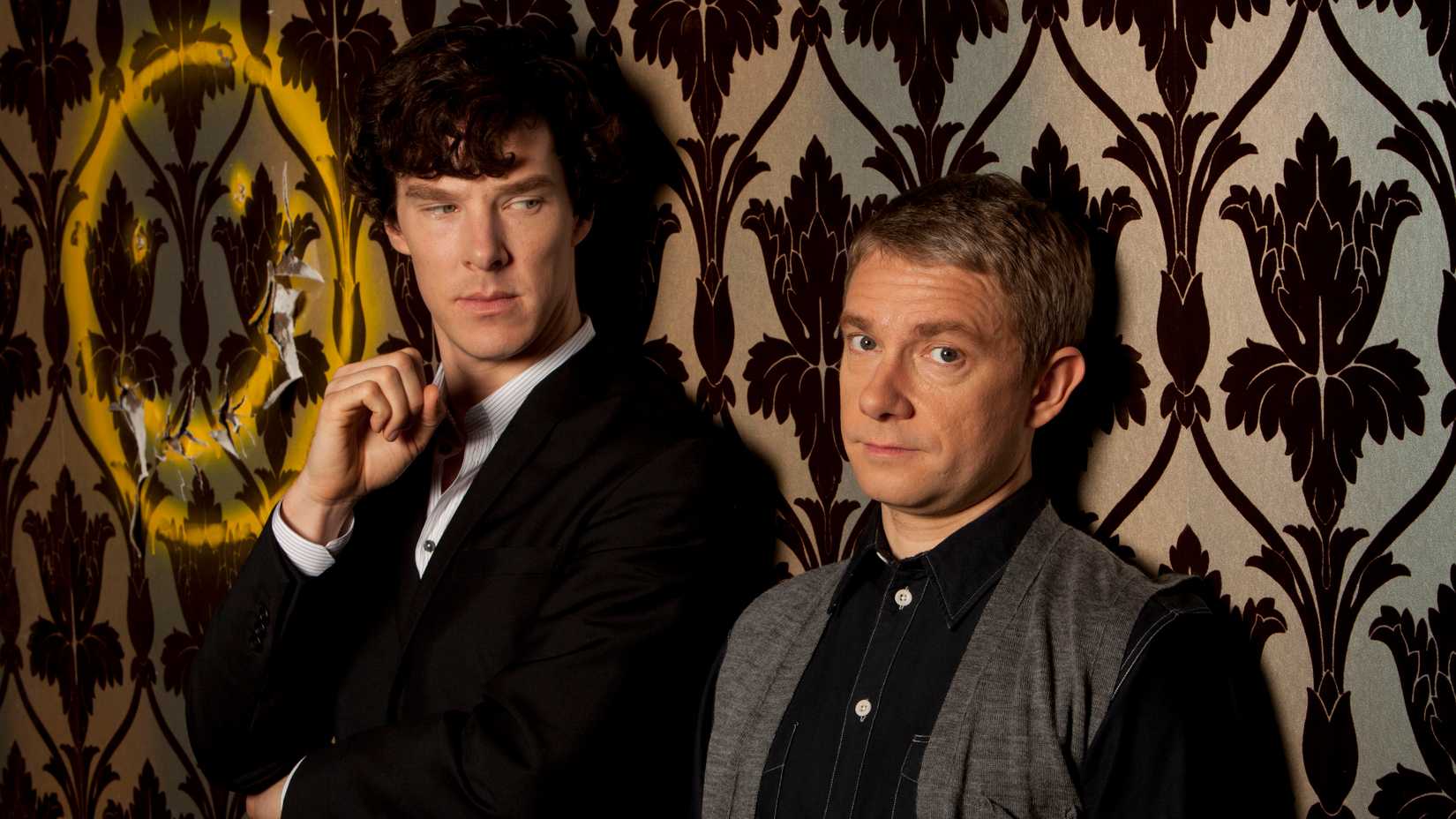
Despite its successes, Sherlock made several errors, ranging from minor to significant. However, its biggest and most criticized flaw was its poor treatment of its devoted fanbase. Sherlock rapidly gained a large and enthusiastic following that profoundly impacted online fandoms with its commitment and active presence.
Following the episode “The Reichenbach Fall,” Sherlock Holmes fans meticulously examined every clue, developing numerous imaginative and surprisingly plausible theories about how he’d managed to fake his death. The show’s creators noticed this intense fan speculation, but unfortunately, they reacted negatively.
Rather than acknowledging what its viewers had figured out and discussed, Sherlock made fun of its fanbase in “The Empty Hearse” by including characters who were Sherlock Holmes fans and had developed theories about his supposed death. To make matters worse, the show never revealed the details of how Holmes managed to fake his death.
The show also faced criticism for “queerbaiting” – suggesting a romantic connection between Sherlock Holmes and John Watson to appeal to LGBTQ+ viewers, but ultimately not following through with that storyline. Fans who believed in a romantic relationship between the two, known as the “Johnlock theory,” felt the writers used this potential attraction to gain viewership without actually developing it.
It’s easy to see why some viewers have grown disappointed with Sherlock considering its problems and controversies, but that doesn’t mean it’s not still a show worth checking out.
Read More
- FRONT MISSION 3: Remake coming to PS5, Xbox Series, PS4, Xbox One, and PC on January 30, 2026
- Best Controller Settings for ARC Raiders
- Mark Zuckerberg & Wife Priscilla Chan Make Surprise Debut at Met Gala
- Meet the cast of Good Omens season 3: All the actors and characters
- ‘The Boys’: 6 Characters Most Likely To Die in Season 5
- Wistoria: Wand and Sword Season 2 release schedule: When are new episodes out?
- AVAX PREDICTION. AVAX cryptocurrency
- JUP PREDICTION. JUP cryptocurrency
- Gold Rate Forecast
- Is Netflix’s Untamed Inspired by a True Story? Find Out the Shocking Truth!
2026-03-14 21:52